

MFA still matters. It blocks many account takeover attempts and remains one of the most practical security controls a business can deploy. But in high-risk digital environments, MFA alone is no longer a complete identity security strategy. Attackers now target tokens, sessions, trusted devices, and tired users instead of simply stealing passwords.
For growing businesses, enterprise teams, and organizations modernizing cloud systems, the question is not whether MFA should be used. It is how authentication can be hardened around the way people actually work. AGR Technology helps businesses assess these risks, strengthen identity controls, and build secure digital systems that support growth without slowing teams down.
Key Takeaways
- MFA remains a critical security step but is insufficient alone for protecting high-risk digital environments against modern attacks.
- Advanced authentication strategies like phishing-resistant methods (passkeys, FIDO2, biometrics) significantly enhance security beyond traditional MFA.
- Adaptive access controls and conditional policies evaluate user context and device trust to prevent unauthorized access effectively.
- Businesses should implement layered identity defense including identity monitoring, privileged access controls, session protection, and AI-aware security to mitigate evolving threats.
- Regular audit and upgrade of MFA methods combined with risk-based policies ensure continuous protection aligned with business workflows and growth.
- Partnering with experts like AGR Technology helps organizations assess risks and deploy advanced authentication strategies that secure sensitive systems without disrupting user experience.
Why Traditional MFA Still Leaves Security Gaps
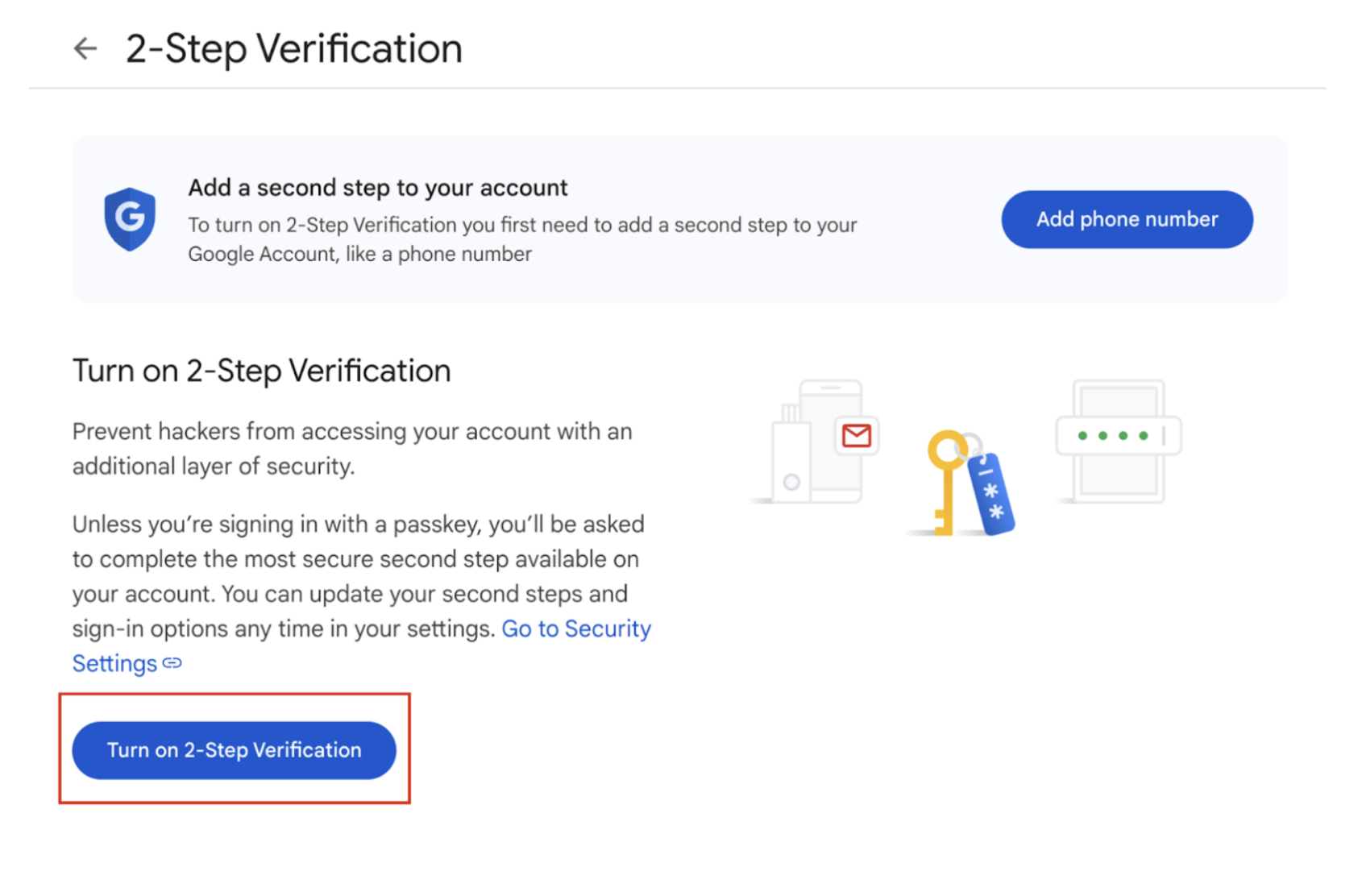
Traditional MFA adds a second check after a password. That may be a one-time code, SMS message, authenticator app prompt, email link, or hardware token. This extra step reduces risk, and guidance from CISA on multifactor authentication continues to recognize MFA as a key defense against unauthorized access.
The issue is that many attacks no longer stop at the password stage.
Modern threat actors often aim to:
- Capture one-time codes in real time
- Trick users into approving login prompts
- Steal browser cookies or session tokens
- Abuse compromised endpoints that are already trusted
- Use social engineering to reset or enroll MFA methods
In other words, the attacker may not need to “break” MFA. They only need to work around it.
This matters most in high-risk environments such as financial systems, healthcare platforms, legal portals, eCommerce dashboards, SaaS admin panels, cloud infrastructure, and executive accounts. These systems often hold sensitive data, payment access, intellectual property, or operational control.
AGR Technology works with businesses to move beyond checkbox security. That includes reviewing identity flows, cloud access rules, software architecture, and user journeys so authentication protects the whole access path, not just the login screen.
Common MFA Attack Paths: Phishing, Push Fatigue, Token Theft, And Session Hijacking
Attackers usually follow the path that creates the least friction. If passwords are protected by MFA, they look for weak points around the MFA process.
Common MFA attack paths include:
Phishing for codes
A user enters credentials and a one-time code into a fake login page. The attacker relays those details to the real service immediately. If the timing works, the attacker gains access even though MFA was enabled.
Push fatigue attacks
The attacker repeatedly triggers MFA approval prompts until the user taps “approve” out of confusion, frustration, or habit. This is common when organizations rely on simple approve/deny push notifications without number matching or context.
Token theft
Instead of stealing a password, the attacker steals an authentication token or browser cookie from an infected device. That token may allow access without another MFA challenge.
Session hijacking
A user authenticates correctly, but an attacker takes over the active session. This can happen through malware, malicious browser extensions, adversary-in-the-middle phishing kits, or compromised endpoints.
Help desk manipulation
Attackers may impersonate an employee and convince support staff to reset MFA, add a new device, or bypass a control.
These attacks show why identity security needs more than MFA enrollment reports. Businesses need authentication that checks context, device trust, user behavior, and session integrity. AGR Technology can help map these risks across websites, internal portals, cloud apps, and custom software systems before attackers find the gaps.
Phishing-Resistant Authentication: Passkeys, FIDO2, Biometrics, And Certificates
Phishing-resistant authentication is designed to stop attackers from stealing and replaying login credentials. Instead of typing a code into a page that could be fake, the authentication method cryptographically verifies that the user is signing in to the legitimate service.
Strong options include:
- Passkeys: Passwordless credentials stored on a device or synced securely through an approved platform.
- FIDO2 security keys: Physical keys that authenticate users using public-key cryptography.
- Biometric sign-in: Fingerprint, facial recognition, or device-based biometric checks, usually paired with secure hardware.
- Windows Hello for Business: A passwordless enterprise option using device-bound credentials.
- Certificate-based authentication: Digital certificates issued to trusted users or devices.
The NIST Digital Identity Guidelines have long emphasized stronger authentication methods for reducing credential theft and replay risk. For high-risk users, phishing-resistant MFA is often a practical next step.
Priority groups usually include:
- Executives and finance teams
- IT administrators and developers
- Remote workers with sensitive access
- Customer support teams handling personal data
- Staff using cloud consoles, CRM systems, or payment platforms
AGR Technology can help organizations choose the right mix. A retail business may need passkeys for staff portals and stronger controls around payment dashboards. A professional services firm may need certificate-based access for internal systems. A SaaS company may need FIDO2 keys for admins and secure authentication flows for customers.
The goal is not to make login painful. It is to make stolen credentials far less useful.
Adaptive Access Controls: Risk Signals, Device Trust, And Conditional Policies
Advanced authentication should respond to risk. A trusted employee logging in from a managed laptop at a normal time is not the same as a privileged account signing in from a new country at 2:00 a.m.
Adaptive access controls evaluate context before access is granted. These controls may consider:
- User role and privilege level
- Device compliance and security posture
- Location and impossible travel signals
- Network reputation
- Login time and behavior patterns
- Application sensitivity
- Recent password or MFA changes
- Session risk and token age
This is where Conditional Access policies become valuable. A business can allow routine access when risk is low, require stronger verification when risk rises, or block access when signals look unsafe.
Examples include:
- Require phishing-resistant MFA for admin portals
- Block unmanaged devices from financial dashboards
- Require compliant devices for customer data access
- Step up authentication when a user logs in from a new region
- Limit session duration for high-risk applications
- Require reauthentication before exporting sensitive data
Device trust is especially important. If an attacker steals a token from an unmanaged or infected device, traditional MFA may not help. Device health checks, endpoint protection, certificate enrollment, and compliance policies reduce that risk.
AGR Technology supports businesses with secure cloud configuration, custom software development, AI automation, and digital transformation projects. That broader view matters. Authentication should be aligned with business workflows, not bolted on after systems are already live.
Building A Layered Identity Defense With Monitoring, Lifecycle Controls, And AI-Aware Security
Strong authentication is one layer. A mature identity defense also needs monitoring, governance, and fast response.
Key controls include:
Identity monitoring
Security teams should watch for unusual sign-ins, repeated MFA failures, risky token activity, new device registrations, privilege changes, and suspicious session behavior. Logs from identity providers, cloud platforms, endpoint tools, and business applications should be reviewed together where possible.
User lifecycle management
Many breaches start with old access. Former staff, dormant accounts, shared logins, over-permissioned users, and forgotten API keys create avoidable risk. Joiner, mover, and leaver processes should be clear and automated where practical.
Privileged access controls
Admin access should be limited, reviewed, and separated from everyday user accounts. Just-in-time access, approval workflows, and privileged identity management reduce standing access.
Session protection
Shorter session lifetimes, token revocation, continuous access evaluation, and browser isolation can reduce the damage from hijacked sessions.
AI-aware security
Attackers now use AI to write convincing phishing emails, clone voices, translate scams, and automate reconnaissance. Businesses also need to secure their own AI tools, prompts, data flows, and integrations. Authentication controls should account for human users, service accounts, API access, and AI agents.
This is where many businesses need practical help. Policies written in a document are not enough. They must be configured, tested, monitored, and improved.
AGR Technology can assist with identity security reviews, secure web and software development, cloud access planning, automation, and ongoing technology consulting. For organizations already investing in SEO, eCommerce, custom platforms, or AI systems, identity security should sit beside those growth plans from day one.
A sensible roadmap may look like this:
- Audit current MFA methods and privileged accounts
- Identify high-risk systems and users
- Move priority accounts to phishing-resistant authentication
- Apply Conditional Access and device trust policies
- Improve logging, alerting, and incident response
- Review access regularly as the business changes
That approach keeps security focused and realistic.
Conclusion
MFA is still valuable, but it should not be treated as the finish line. High-risk digital environments need phishing-resistant authentication, adaptive access, trusted devices, strong monitoring, and clear lifecycle controls.
Businesses that want a practical path forward can speak with AGR Technology about assessing current identity risks and building stronger authentication into their websites, cloud platforms, software systems, and digital operations.
Advanced Authentication FAQs
Why is MFA no longer enough for high-risk digital environments?
MFA blocks many attacks but modern attackers bypass it by targeting session tokens, trusted devices, or using social engineering. High-risk systems need stronger protections beyond MFA to prevent account takeovers.
What are some common ways attackers bypass traditional MFA?
Attackers use phishing to capture codes, push fatigue to trick users into approval, steal authentication tokens, hijack active sessions, and manipulate help desk support to bypass MFA controls.
What is phishing-resistant authentication and why is it important?
Phishing-resistant authentication uses cryptographic methods like passkeys, FIDO2 keys, biometrics, or certificate-based authentication to prevent attackers from stealing or replaying login credentials, enhancing security beyond standard MFA.
How does adaptive access improve authentication security?
Adaptive access evaluates risk signals like user role, device status, location, and behavior to adjust authentication requirements dynamically, allowing stricter verification or blocking access when suspicious activity is detected.
What are best practices to strengthen identity security beyond MFA?
Combine phishing-resistant MFA, Conditional Access policies, device trust enforcement, continuous identity monitoring, lifecycle management, and privileged access controls to build a layered defense against identity attacks.
How can businesses implement stronger authentication strategies without slowing down users?
By aligning advanced authentication with actual workflows, using seamless phishing-resistant methods, adaptive access controls, and clear lifecycle policies, businesses can enhance security while maintaining user productivity.
Related content & resources:
Penetration Testing / Ethical Hacking Services in Australia
Cyber Security Incident Response And Simulated Phishing Attacks
Cyber Security Services For Franchises
Cyber Security Services For Small Businesses
Cyber Security Services For Healthcare Companies
Cyber Security Services For Financial Planners
Cyber Security Review (CSR) Services
Essential Eight Compliance Services
Protect Your Data With Cybersecurity for Your Melbourne SME
Best VPN Platforms & Apps For Australians
Source(s) cited:
[Online]. Available at: https://storage.googleapis.com/gweb-cloudblog-publish/images/3_-_Turn_on_2-Step_Verification.max-1700×1700.png (Accessed: 10 July 2026).

Alessio Rigoli is the founder of AGR Technology and got his start working in the IT space originally in Education and then in the private sector helping businesses in various industries. Alessio maintains the blog and is interested in a number of different topics emerging and current such as Digital marketing, Software development, Cryptocurrency/Blockchain, Cyber security, Linux and more.
Alessio Rigoli, AGR Technology