
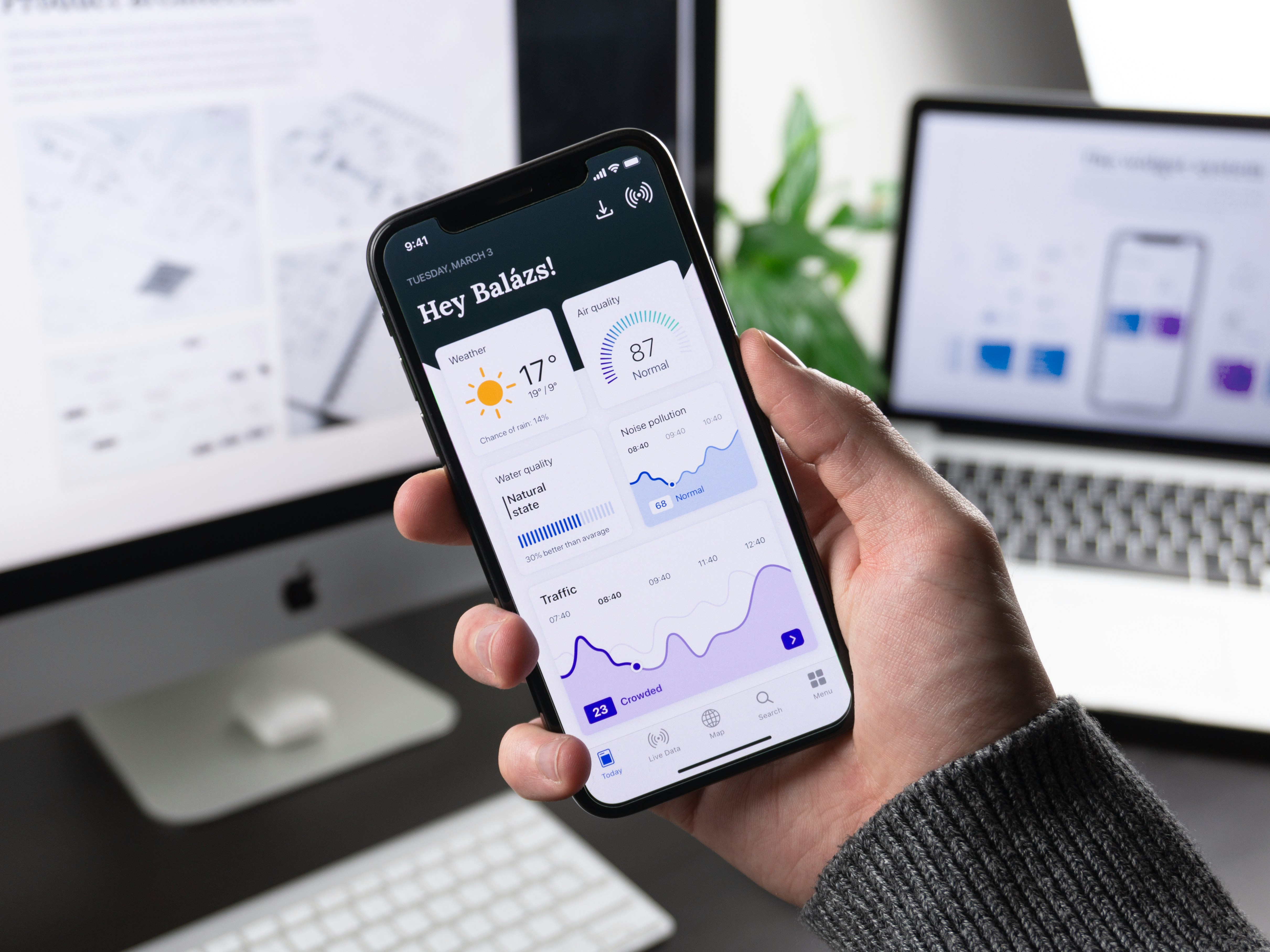
Getting a mobile app to market shouldn’t mean building everything twice. For many businesses, hybrid app development is the smarter path: one codebase, broader device coverage, faster delivery, and lower long-term maintenance costs. But the framework, architecture, and user experience still need to be right. That’s where experienced planning matters.
At AGR Technology, we provide hybrid app development services for businesses that want practical, scalable mobile solutions without unnecessary complexity. We work with startups, established brands, and enterprise teams to design and build cross-platform apps that perform well, integrate with existing systems, and support future growth.
Whether you need a customer-facing mobile app, an internal operations tool, or a connected app for wearables and IoT, we help you choose the right approach and build it properly from day one.
Get in contact with us to discuss your project
Reviews from our happy clients:

Justine Brummans
Alessio is both incredibly knowledgeable and personable! He gave me great advice that was catered to me and my situation. Thank you Alessio! Super helpful!

Springfield Equestrian Park
Alessio is amazing! I can not speak highly enough of how helpful and knowledgeable he is, my website he created far exceeded my expectations, he is so accomodating and I can only wish him every success with his business. I rate AGR technology 10 out of 10.
Legacy Energy
We used AGR Technology and dealt with Alessio to design and build our website as well as host our emails. Alessio was a pleasure to deal with and had plenty of ideas that we could implement into our site. He has a great attention to detail, he is also very polite in understanding our goals and what we wanted to achieve with our website.
Thanks mate,
Alex & Rob
Excellent Service
Alessio developed our website for our business and has done a wonderful job. He is very personable and knowledgeable. We have enjoyed working with him. We will be referring others to him and highly recommend him to those who need Tech advice.
MRC Performance
I have been in business for over 10 Years and recently moved to AGR Technology for all our IT needs. They are able to fix nearly anything remotely and always very helpful in recommending appropriate hardware upgrades that do the job as required but not costing more than needed.

Alessio provided an excellent service. He was very dedicated in his method of finding solutions to problems. He continued to try different avenues until he found the reason as to why a particular application was not working. He was very knowledgeable in his understanding of the internet and of applications and how they work, and he was able to apply this knowledge in understanding how to resolve the obstacles that continued to appear. He is understanding towards his client's needs and goals and he is willing to work with his client in achieving those goals. He is a very polite and well mannered person and very calm and gentle in his approach. I would highly recommend Alessio's services to anyone.

Palmira Rigoli
Great work ethics Alessio! We at Totally Gluten Free Products are very happy to have you on board as our IT and SEO master. Very reliable, trustworthy and knowledgeable in the field.
YouTube Comment

Nat's Custom Designs
Alessio from AGR Technology has recently helped me create a website for my business.
Throughout the whole process from start to finish Alessio made the process easy for me, by calling me and explaining each step of the way. I'm not very computer savvy, but with Alessio taking the time to explain in detail everything I needed to know from putting inventory in to having it shipped. He even remotely joined my computer to help guide me through everything.
He's very knowledgeable and is experienced in everything I needed and if there was anything else I needed to know that wasn't something he was familiar with, he researched it.
I would HIGHLY recommend Alessio to anyone. He has not only helped me for now but I know that if I ever needed help with anything else he would definitely go above and beyond to help. Thank you so much for everything you have done. It's been a long process but well worth it 🙂
Byron Macumber
AGR Technology is amazing. not only do they stick with you through out the process, they also accommodate to your wants and needs. They are efficient in their work and they have high integrity. Their capabilities are shown through their website design, and appropriate knowledge of utilities regarding software. over the many years of working with them they have been fantastic. I would recommend to everyone
Very helpful
Alessio was thorough, diligent and kept me updated at all time points. I was very impressed with his performance, passion and dedication. I will continue to use his services.
Wantrup & Associates
Alessio of AGR Technology is an IT guy we rely on whenever we need IT help. His professionalism impressed us right at the first time. He solved many of our IT problems in no time. Excellent communication and speedy response.
We highly recommend this company
From a happy customer
Valeria Bianco
I received AGR contact information from a previous client, who had found their service excellent. So I contacted AGR with some expectations, and I can say they exceeded them. Professional, honest, punctual, reliable, their service is faultless. We can't recommend them highly enough.
Very fast, value for money and a comprehensive service
AGR is professional, organised and very skilled at what they do. They take the initiative, looking after all the details that you would not have thought of to enhance your website presence, marketing funnel and automated appointment bookings. Big bonus - pricings are at a fraction of the cost of competitors.
Customer testimonial
Alessio from AGR Technology is wonderful at gently guiding the less technically savvy users to solve problems. Back up service excellent. Highly recommended
SEO for website
The team is very cooperative and delivers clean and very efficient work.

Raimond Volpe
Nothing but good things to say about Alessio. He has been great service and great at communicating with me by both phone and email. Very good knowledge and problem-solving ability with our web development. I would thoroughly recommend Alessio and AGR Technology to anyone wanting online marketing or web development
Website design
Big thank you to Alessio at AGR Technology for a smooth and easy website development process. Nothing was to difficult to accomplish, I can highly recommend his first class service.
Proudly supporting clients of all sizes to succeed through digital solutions






Why work with us?

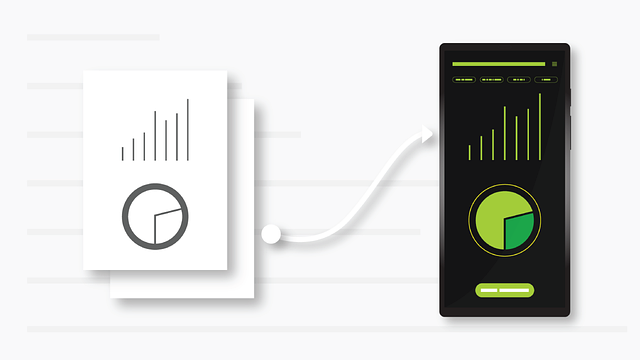
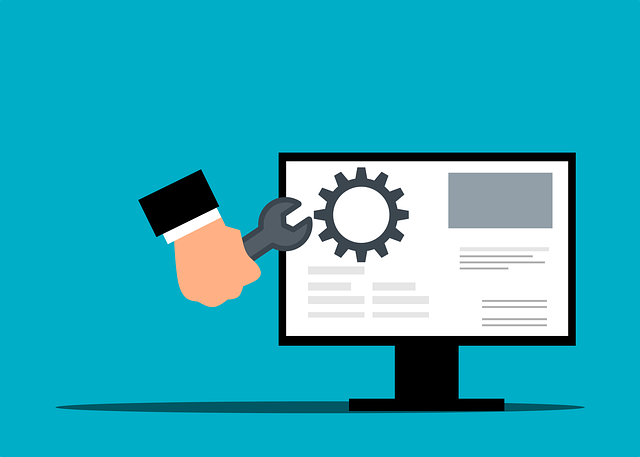
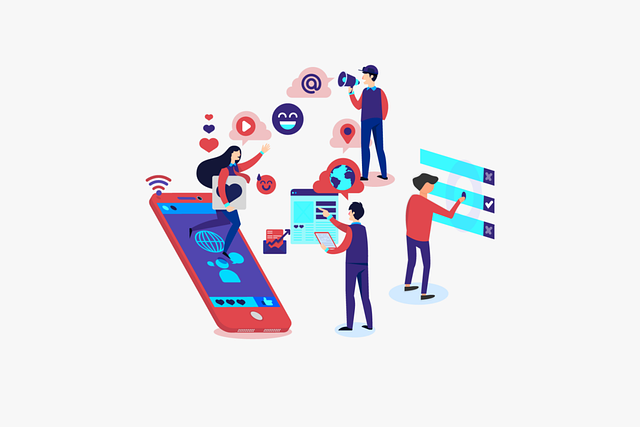




Hybrid App Strategy & Consultation

A strong app starts before any code is written. Our hybrid app strategy and consultation service focuses on business goals first: who the app is for, what it needs to do, how it should integrate with your systems, and which framework makes the most sense. We assess user requirements, feature priorities, security needs, and rollout plans so the project stays aligned with commercial outcomes.
Custom Hybrid App Development
We build custom hybrid apps around the way your business actually works. That includes customer apps, staff tools, booking platforms, field service apps, member portals, and eCommerce experiences. Instead of forcing a generic template into your workflow, we design the product around your processes, reporting needs, and integration requirements. The result is a mobile application that feels tailored, not patched together.
UI/UX Design for Hybrid Apps
A hybrid app still needs to feel native in the hand. We design interfaces that are clear, fast, and easy to use across iOS and Android, with attention to navigation patterns, tap targets, accessibility, and screen responsiveness. Good UI/UX design reduces friction and improves adoption. If users have to think too hard, they leave. We keep the experience simple, polished, and purpose-built.
Wearables & IoT Hybrid Apps
Connected technology is now part of everyday business operations. We develop hybrid apps that communicate with wearables, sensors, and IoT devices for use cases like asset tracking, health and fitness, logistics, monitoring, and smart environments. These projects need careful handling of real-time data, device communication, and reliability. We plan that upfront, so your app supports practical use in the field, not just a nice demo.
Third-Party API & Plugin Integration
Most modern apps rely on external services. We integrate payment gateways, CRMs, maps, analytics platforms, push notifications, chat tools, booking engines, and custom APIs so your app works as part of a wider digital ecosystem. We also review plugin quality carefully. Not every shortcut is worth taking. Stable integrations reduce future issues and make your hybrid app easier to maintain as your systems evolve.
Choosing the Right Hybrid App Development Framework: Where Performance Meets Scale
The best hybrid app framework depends on what you need the app to do now and how it needs to grow later. Performance expectations, device features, team workflows, UI requirements, and budget all matter. We guide clients through these trade-offs clearly so the decision is practical, not trend-driven.
React Native
React Native is a strong option for businesses that want near-native performance with efficient cross-platform development. It supports reusable components, broad community adoption, and strong integration potential. For many commercial apps, it offers a solid balance between speed, flexibility, and cost. We often recommend it when businesses need a mature ecosystem and a reliable path to scaling features over time.
Flutter
Flutter is well suited to businesses that want highly consistent interfaces across platforms. Its rendering engine gives designers and developers more control over appearance and interaction. That makes it appealing for apps where visual quality and responsiveness matter. Flutter can also deliver strong performance, especially for apps with custom UI requirements. We use it when product polish is a major priority, not an afterthought.
Ionic
Ionic can be a practical choice for businesses that want web-friendly development and efficient deployment across platforms. It works well for content-driven apps, internal tools, and projects where time-to-market is important. It may not fit every performance-heavy use case, but for the right application it offers speed and cost efficiency. We help clients decide when Ionic is enough and when a more robust option is better.
Xamarin
Xamarin can be effective for organizations already invested in the Microsoft ecosystem. It supports code sharing across platforms and can align well with enterprise infrastructure, internal systems, and .NET development environments. While some businesses now lean toward other frameworks, Xamarin can still be viable in the right context. We evaluate it based on your stack, internal capabilities, and long-term support considerations.
Scalable by Design
Scalability is not something to bolt on later. We design hybrid mobile apps with growth in mind, including modular architecture, flexible APIs, secure user management, and infrastructure that can handle more traffic, more data, and more features. That matters whether you’re launching to one region or planning a larger rollout. A scalable foundation reduces expensive rebuilds and keeps future upgrades more manageable.
Cross-Platform UI/UX Design
Cross-platform design is more than making the same screen fit two operating systems. We design experiences that feel familiar to users on each device while maintaining a consistent brand and workflow. That means balancing platform conventions with efficient design systems. Done well, cross-platform UI/UX supports usability without doubling effort. It also helps businesses maintain a cleaner product roadmap and a more consistent customer experience.
Maintenance and Support
Launching an app is only the start. Operating systems change, plugins age, devices evolve, and user expectations shift quickly. Our maintenance and support services help keep hybrid apps secure, compatible, and useful over time. We handle updates, bug fixes, performance reviews, feature enhancements, and technical monitoring so your app doesn’t slowly become a liability. Ongoing support protects the investment you’ve already made.
Enterprise Hybrid Mobile Solutions
Enterprise apps often need more than a clean front end. They may require role-based access, advanced reporting, workflow automation, offline capability, system integrations, and strong security controls. We develop enterprise hybrid mobile solutions that connect with CRMs, ERPs, cloud platforms, and internal software while remaining usable for real teams in real environments. It’s about solving operational problems, not just shipping screens.
Performance Optimization
One concern businesses often raise with hybrid apps is speed. That concern is fair, but performance problems usually come from weak architecture, heavy assets, poor state management, or careless integrations, not the hybrid model alone. We focus on efficient coding practices, asset optimization, caching, API handling, and testing across devices to improve responsiveness. A hybrid app should feel dependable and smooth, not clunky or delayed.
Cloud Integration
Cloud integration helps hybrid apps stay connected, scalable, and easier to manage. We connect apps with cloud databases, storage, authentication services, messaging tools, and serverless functions where appropriate. This supports real-time updates, centralized data access, and easier expansion as your app grows. For businesses managing multiple systems or distributed teams, cloud-enabled mobile solutions can simplify operations and improve consistency across locations.
Agile Development Practices
We use agile development practices to keep projects moving with visibility and control. Instead of disappearing for months and returning with surprises, we break work into stages, validate priorities early, and adapt based on feedback. That’s especially important for custom app development, where requirements often sharpen during the build. Agile delivery helps reduce waste, improve collaboration, and keep the final product tied closely to business outcomes.
Machine Learning Algorithms
Some hybrid apps benefit from machine learning algorithms, particularly where automation, prediction, personalization, or pattern recognition adds value. That could include recommendation engines, anomaly detection, image recognition, customer insights, or workflow automation. Not every app needs AI, and we’re careful not to force it where it doesn’t belong. But when there’s a real use case, we can integrate practical machine learning capabilities into the solution.
Blockchain Integration
Blockchain integration can support specific applications where traceability, decentralized records, or verifiable transactions matter. That may include supply chain tracking, digital identity, smart contracts, or secure asset management. It’s not a standard feature for every mobile app, and frankly, it shouldn’t be treated like one. We assess whether blockchain solves a genuine business problem before recommending it, then integrate it in a measured, workable way.
Augmented Reality Integration
Augmented reality can add real commercial value when users need to visualize products, navigate spaces, train staff, or interact with layered information in context. In retail, property, education, and field service, AR features can make mobile experiences more useful and more memorable. We help businesses explore where AR fits within a hybrid app strategy and ensure it serves the user journey rather than distracting from it.
Quality Assurance Testing
Reliable apps come from disciplined testing, not optimism. Our quality assurance testing covers functionality, usability, responsiveness, compatibility, and issue resolution across devices and operating systems. We test user flows, edge cases, integrations, and release builds before deployment. For businesses, this means fewer surprises after launch and a better experience for customers and staff. Good QA saves time, protects reputation, and reduces rework.
Continuous Integration & Deployment
Continuous integration and deployment improve release quality and team efficiency. By automating builds, testing, and delivery steps where practical, we reduce manual errors and speed up iteration. This is especially helpful for growing apps that need regular updates without chaos. A structured CI/CD process supports cleaner development workflows, better version control, and more dependable releases. In plain terms: fewer headaches, faster progress, and a more stable product.
If you’re comparing hybrid app development companies and want clear advice grounded in business value, AGR Technology can help. We design and develop hybrid mobile applications that are practical, scalable, and aligned with your goals. Whether you’re starting with an idea or replacing an outdated app, our team can guide the strategy, design, development, and support process.
Get in touch with AGR Technology to discuss your project and the right cross-platform path forward.
Hybrid App Development FAQs
What are the main benefits of choosing hybrid app development services?
Hybrid app development offers one codebase for multiple platforms, broader device coverage, faster delivery, and lower maintenance costs, making it a cost-effective and scalable solution for businesses.
How does AGR Technology ensure a hybrid app has a native-like user experience?
AGR Technology focuses on UI/UX design that prioritizes clear navigation, accessibility, and responsiveness for both iOS and Android, ensuring the hybrid app feels fast, polished, and easy to use like a native app.
Which hybrid app development frameworks are most recommended, and why?
Popular frameworks include React Native for near-native performance, Flutter for visually rich and responsive apps, Ionic for web-friendly quick deployments, and Xamarin for businesses invested in the Microsoft ecosystem. AGR Technology guides clients to choose based on performance needs and scalability.
What kinds of integrations can hybrid apps support?
Hybrid apps can seamlessly integrate with third-party APIs, payment gateways, CRMs, analytics platforms, push notifications, and custom plugins, allowing them to work smoothly within a broader digital ecosystem.
How can hybrid app development services benefit enterprises specifically?
Enterprise hybrid apps provide role-based access, advanced reporting, workflow automation, offline capabilities, and strong security, integrating with CRMs, ERPs, and cloud platforms to solve real operational challenges effectively.
What ongoing support is available after launching a hybrid app?
Maintenance and support services include updating for OS changes, bug fixes, performance optimization, feature enhancements, and technical monitoring to keep the hybrid app secure, compatible, and valuable over time.
Other solutions: