

Dozens of pages published. Meta titles tweaked. A few backlinks built. Yet the graph still looks painfully flat. For many businesses, this is the moment they ask: Why Your SEO Rankings Have Stalled when the team is still “doing SEO”? The answer is rarely one thing. Ranking plateaus usually come from technical friction, weak authority signals, content decay, changing search intent, or all of them at once. AGR Technology helps businesses find the real cause, then build a practical SEO recovery plan that supports long-term visibility.
Key Takeaways
- SEO rankings often stall due to a combination of technical issues, weak authority signals, content decay, and changes in search intent.
- Search engines are always updating their algorithms sometimes when this happens there is volatility in search results for different pages which can temporarily cause drops in search traffic.
- Traffic can fluctuate due to market conditions, seasonal conditions or different customer behavior.
- Publishing more content alone will not improve SEO rankings unless it enhances relevance, depth, and aligns with user search intent.
- Technical SEO problems like slow pages, broken links, and indexing errors can prevent Google from properly evaluating your site and harming rankings.
- Analyzing competitor strategies and evolving SERP features helps tailor content to current search engine priorities and user expectations.
- Strengthening authority through quality backlinks and strategic internal linking is critical to overcoming SEO ranking plateaus.
- A structured SEO recovery plan involves diagnosing data, fixing technical problems, optimizing content, realigning with intent, and prioritizing fixes for revenue-impacting pages.
Is It A Ranking Plateau Or A Search Traffic Drop?
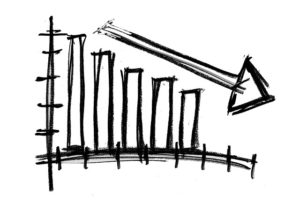
Before changing the SEO strategy, the business needs to know what actually happened. A ranking plateau and a traffic drop are related, but they are not the same problem.
A ranking plateau means key pages are still indexed and visible, but they are stuck. Often they sit around positions 8 to 20, close enough to matter but not strong enough to win consistent clicks.
A search traffic drop means organic visits have fallen. That can happen even if rankings have not moved much. SERP features, AI Overviews, ads, map packs, and People Also Ask boxes can push organic listings lower on the page.
Common questions include:
- “Why has my search traffic dropped?”
- “Why are rankings stable but leads are down?”
- “Why are competitors getting more visibility with similar content?”
We usually start with Google Search Console, analytics data, and ranking history. That separates visibility issues from click-through, indexing, and conversion problems.
Why Publishing More Content Is Not Moving The Needle
One of the most common searches in this situation is Why Your SEO Rankings Have Stalled Even though Publishing More Content. It is a fair question. Many businesses have invested in blogs, service pages, location pages, and FAQs, only to see little change.
The issue is that Google does not reward volume on its own. More pages can help only when they improve relevance, depth, and authority.
Publishing more content may fail when:
- New pages target keywords already covered elsewhere on the site
- Articles answer the topic too lightly
- Content is not aligned with current search intent
- Internal links do not guide authority to important pages
- Old pages are decaying while new ones are added
A stronger approach is content optimization in addition to new content creation. That means improving useful pages, consolidating weak ones, updating outdated examples, and structuring answers clearly. AGR Technology builds SEO content systems around commercial intent, not random publishing calendars.
Technical, Indexing, And On-Page Issues That Block Growth
A site can have strong content and still underperform if search engines cannot crawl, index, or evaluate it properly. Technical SEO issues are often quiet. They do not always break the website for users, but they can make it harder for Google to understand what matters.
Common blockers include:
- Slow loading pages and poor Core Web Vitals
- Broken internal links
- Redirect chains
- Incorrect canonical tags
- Duplicate content
- Important pages marked noindex
- Orphan pages with no internal links
- Mobile usability issues
Google’s own documentation on Search Console indexing reports shows how crawl and indexing issues can stop pages from appearing properly in search.
On-page issues matter too. Thin headings, unclear page structure, weak title tags, missing schema, and poor entity coverage can all limit growth. AGR Technology’s SEO audits review both technical foundations and page-level signals, so fixes are prioritized by impact rather than guesswork.
Search Intent, Competitors, And SERP Changes That Push You Down
Sometimes the business did not get worse. The search result changed.
Google continuously refines what it believes users want. A query that once ranked blog posts may later favor product pages, comparison guides, local results, videos, or detailed service pages. When that happens, an older page can lose visibility even if the content is still accurate.
Competitors also move. If they publish a stronger page with better examples, clearer formatting, fresher data, and stronger internal links, they may gradually overtake established results.
A proper SERP review should ask:
- What page types are ranking now?
- Are results informational, commercial, local, or transactional?
- Do top pages include tools, pricing, FAQs, case studies, or expert commentary?
- Has Google added AI summaries, map packs, or extra SERP features?
AGR Technology uses this analysis to reshape pages around the search experience users now expect. That may mean turning a thin article into a commercial landing page, adding proof points, or restructuring the content for clearer answers.
Authority Gaps: Backlinks, Internal Links, And Topical Depth
Backlinks remain one of the strongest signals search engines use to judge authority. But authority is not only about how many links a site has. Quality, relevance, link placement, and the strength of the linked page all matter.
A site may stall if:
- Competitors have stronger backlinks from relevant websites
- Valuable backlinks have been lost
- Important pages receive little internal link support
- Blog posts are scattered instead of connected by topic
- Service pages lack supporting content around related questions
Internal links are often the fastest win. They help search engines understand which pages are important and how topics connect. A business offering custom software, AI automation, and SEO services, for example, should not treat those pages as isolated assets. They should support each other through useful, contextual links.
AGR Technology helps businesses build topical authority by mapping core services, supporting content, internal links, and digital PR opportunities into one clear SEO framework.
How To Diagnose The Problem And Build A Recovery Plan
A ranking recovery plan should be methodical. Changing ten things at once may feel productive, but it makes the result harder to measure.
AGR Technology typically recommends this order:
- Check tracking data
Review rankings, organic clicks, impressions, conversions, and affected pages. Confirm whether the problem is visibility, traffic, or lead quality.
- Run a technical SEO audit
Look for crawl errors, indexing problems, site speed issues, broken links, duplicate content, and incorrect canonicals.
- Review content performance
Identify pages stuck between positions 8 and 20. These are high-opportunity assets because Google already sees some relevance.
- Compare the live SERP
Check what currently ranks and whether the page still matches intent.
- Assess authority
Review backlinks, lost links, internal links, and topical coverage.
- Prioritize fixes
Focus first on issues that affect revenue pages, crawlability, and high-intent keywords.
After updates, businesses can request reindexing in Google Search Console. Recovery usually takes weeks, not days. The key is controlled improvement, steady measurement, and fewer random changes.
For businesses that need an outside review, AGR Technology provides SEO audits, managed SEO campaigns, technical fixes, content strategy, and custom technology support from one team.
Conclusion
Understanding Why Your SEO Rankings Have Stalled is the first step. Fixing it takes a clear process: diagnose the data, repair technical issues, improve content quality, match search intent, and strengthen authority.
AGR Technology helps businesses turn stalled SEO into a practical growth plan. To find what is holding search performance back, businesses can book an SEO audit or speak with AGR Technology about a tailored recovery strategy.
Frequently Asked Questions About SEO Ranking Stalls
What causes SEO rankings to stall even when new content is published?
SEO rankings stall when new content lacks relevance, depth, or alignment with current search intent. Duplicate keyword targeting, weak internal linking, content decay, and failure to meet user needs often prevent new pages from improving rankings despite increased volume.
How do technical SEO issues impact search ranking performance?
Technical issues like slow page speeds, broken internal links, incorrect canonical tags, duplicate content, and mobile usability problems hinder search engines from crawling and indexing pages properly, leading to stagnant or declining SEO rankings.
Why might search traffic drop even if keyword rankings appear stable?
Search traffic can drop due to changes in SERP features like ads, map packs, People Also Ask boxes, or AI-generated summaries that push organic listings lower. Thus, rankings may remain stable while clicks and leads decrease.
How can aligning content with search intent help recover stalled SEO rankings?
Aligning content with current search intent ensures pages meet what users are actively seeking, improving relevance. This can involve updating content type, structure, and focus—for example, shifting from blogs to comparison guides or commercial pages—boosting SEO visibility.
What role do backlinks and internal links play in overcoming ranking plateaus?
Backlinks provide authority signals crucial for ranking, but quality and relevance matter more than quantity. Internal links help distribute authority and clarify topic connections, guiding search engines to prioritize important pages, both essential for breaking ranking plateaus.
What is the recommended process to diagnose and fix SEO ranking stalls?
Start by analyzing tracking data and rankings, run a comprehensive technical SEO audit, review content stuck in positions 8–20 for optimization opportunities, assess current SERP competitors and intent, evaluate backlink profiles and internal linking, then prioritize fixes based on impact.
Related content:
SEO For Website Redesign And Migration
Custom Digital Reporting Dashboards for Businesses: Turn Your Data Into Decisions
How to Strengthen digital authority through trusted editorial mentions
How Local SEO Affects Foot Traffic for Brick-and-Mortar Shop

Alessio Rigoli is the founder of AGR Technology and got his start working in the IT space originally in Education and then in the private sector helping businesses in various industries. Alessio maintains the blog and is interested in a number of different topics emerging and current such as Digital marketing, Software development, Cryptocurrency/Blockchain, Cyber security, Linux and more.
Alessio Rigoli, AGR Technology