

Smarter Workforce Scheduling, Allocation and Coordination
Manage staff schedules, coordinate personnel across locations and streamline workforce operations with custom software designed around your business requirements.
AGR Technology provides software development solutions for businesses seeking to improve workforce rostering, staff scheduling, personnel deployment and operational coordination. Whether you need to replace manual processes, connect existing business systems or develop a tailored workforce management platform, we can help you explore a solution suited to your organization.
From workforce scheduling applications and resource allocation systems to workflow automation and business software integrations, our focus is on developing practical technology that supports the way your business operates.
Discuss Your Software Requirements
Reviews from our happy clients:
Proudly supporting clients of all sizes to succeed through digital solutions




Why work with us?




Custom Software Development | Systems Integration | Business Process Automation
Custom Workforce Rostering and Scheduling Software

Managing employee schedules becomes increasingly complex as businesses expand, operate across multiple locations or coordinate personnel with different availability, skills and responsibilities.
Spreadsheets and disconnected applications may be sufficient initially, but they can become difficult to maintain as scheduling requirements grow. Manual updates, overlapping assignments and limited visibility into workforce availability can create unnecessary administrative work.
Custom workforce rostering software can help bring these processes together within a system designed around your operational requirements.
AGR Technology can help businesses explore tailored employee scheduling and roster management solutions that support their existing workflows while providing flexibility for future improvements.
Workforce Scheduling and Roster Management
Develop software to support the creation, management and coordination of employee schedules.
Depending on your requirements, functionality may include:
- Employee and contractor scheduling.
- Shift planning and roster creation.
- Employee availability and unavailability management.
- Recurring schedules and shift assignments.
- Leave and absence management workflows.
- Shift changes, replacements and approvals.
- Identification of scheduling conflicts.
- Notifications for roster updates.
- Centralized access to employee schedules.
The objective is to simplify workforce scheduling, improve visibility and reduce the administrative burden associated with maintaining staff rosters.
Workforce Availability and Coverage
Understanding workforce availability is essential when planning shifts, allocating personnel and ensuring operational requirements can be met.
A tailored workforce management system can help consolidate relevant availability information and highlight potential scheduling gaps.
Potential functionality includes availability tracking, coverage reporting, unfilled shift monitoring and tools to help managers identify staffing requirements.
Where appropriate, scheduling rules can also be incorporated to support more consistent decision-making.
Workforce Deployment and Resource Allocation Software

Rostering determines when personnel are scheduled to work. Workforce deployment focuses on where people are assigned, what responsibilities they perform and how available resources are allocated to operational requirements.
For organizations coordinating teams across jobs, projects, facilities or multiple locations, these processes often require more than a basic scheduling application.
AGR Technology can develop tailored workforce deployment software designed to support personnel allocation, assignment management and operational coordination.
Staff and Personnel Allocation
Develop systems that help managers coordinate employees, contractors and operational teams across different assignments.
Potential capabilities include:
- Assigning personnel to jobs, projects and locations.
- Managing workforce assignments and deployment status.
- Matching staff to relevant skills and experience.
- Coordinating personnel across multiple sites.
- Identifying unallocated resources and staffing gaps.
- Supporting reassignment when operational priorities change.
- Maintaining visibility into current and planned assignments.
- Managing assignment approvals and related workflows.
These capabilities can be particularly useful for organizations with distributed teams, mobile workforces or complex resource allocation requirements.
Skills-Based Workforce Deployment
Some organizations need to consider more than staff availability when assigning personnel.
Qualifications, skills, experience, location and job requirements may all influence whether an employee or contractor is suitable for a particular assignment.
A custom workforce allocation system can incorporate relevant business rules to help managers evaluate assignments against these requirements.
Depending on the project scope, the software may also flag missing qualifications, conflicting assignments or other conditions requiring attention.
The specific rules and functionality can be designed around the organization’s operational processes.
Multi-Site Workforce Coordination
Businesses operating across multiple facilities, branches, projects or service areas may benefit from a more centralized approach to workforce management.
Custom workforce scheduling and deployment software can help consolidate relevant information and coordinate personnel across locations.
This may include location-based assignments, site-level staffing requirements, workforce coverage reporting and centralized management of schedules.
The result is a clearer view of workforce allocation across the organization, subject to the information available within the system.
Automate Workforce Management Workflows
Manual workforce administration can consume valuable time, particularly when scheduling changes require communication, approvals or updates across multiple applications.
Business process automation can help reduce repetitive work and improve consistency across workforce management activities.
AGR Technology develops software solutions that can incorporate workflow automation and system integrations according to your business requirements.
Workforce Scheduling Automation
Depending on the intended solution, automation may support:
- Notifications for new assignments and roster changes.
- Reminders about upcoming shifts.
- Alerts for unfilled shifts or potential scheduling conflicts.
- Automated approval and escalation workflows.
- Recurring schedule generation using predefined rules.
- Updates when employee availability changes.
- Routine workforce reporting.
- Synchronization of relevant information between systems.
Automation can be designed around established business rules, with appropriate human oversight for decisions that require managerial judgement.
For organizations with more advanced requirements, additional scheduling logic or optimization functionality may also be considered during the discovery and design process.
Reduce Repetitive Administrative Work
When workforce information is maintained across spreadsheets, email conversations and separate business applications, the same information may need to be entered or updated multiple times.
A tailored software solution can help consolidate these workflows, reduce duplicated administration and improve the consistency of workforce information.
The appropriate approach depends on your current systems, existing processes and the level of automation required.
Integrate Workforce Software With Your Existing Business Systems
Workforce rostering and deployment rarely operate in isolation.
Businesses may already use separate applications for payroll, human resources, customer management, job scheduling, accounting and reporting. When these systems do not communicate effectively, information can become fragmented and routine processes more difficult to manage.
AGR Technology can assess opportunities to connect workforce software with your existing business systems through suitable APIs, integrations and data workflows.
Potential Integration Capabilities
Depending on the platforms involved, integrations may include:
Payroll and accounting systems
Connect relevant scheduling, timesheet or workforce data with financial and payroll workflows.
Human resources platforms
Synchronize employee information and relevant workforce records between systems.
Job and field service management software
Connect workforce assignments with jobs, service requests and operational schedules.
Customer relationship management systems
Link relevant customer, job or service information with workforce coordination processes.
Reporting and business intelligence tools
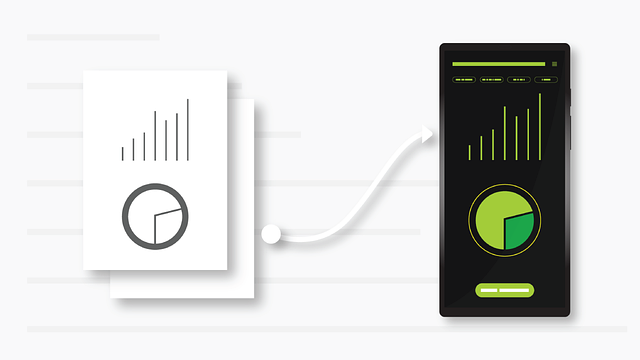
Consolidate workforce information to support management dashboards and operational reporting.
Communication and notification services
Support automated messages, reminders and assignment updates.
A Connected Approach to Workforce Management
Where appropriate, an integrated workforce management system can reduce duplicated data entry, improve information consistency and give managers a clearer view of relevant operational information.
Integration requirements vary between platforms. AGR Technology can assess available APIs, technical constraints and data requirements to determine a suitable implementation approach.
The goal is to make your workforce software work effectively within your broader business environment rather than introduce another disconnected application.
Workforce Management Dashboards and Reporting
Reliable workforce information can help managers understand staffing requirements, identify operational bottlenecks and make better-informed allocation decisions.
A custom workforce management dashboard can bring relevant information together in a central interface, reducing the need to manually compile reports from different sources.
Depending on the project, reporting capabilities may include:
- Workforce availability and scheduled staffing levels.
- Unfilled shifts and coverage gaps.
- Personnel allocation across jobs and locations.
- Assignment status and deployment information.
- Workforce utilization metrics.
- Labor allocation and scheduling patterns.
- Historical roster and operational reporting.
- Management dashboards for different teams or business units.
Reports can be designed around the information your organization needs to monitor.
Where the underlying data supports it, dashboards may also help identify recurring scheduling issues, resource constraints and opportunities to improve workforce planning.
The emphasis is on providing useful operational visibility rather than generating reports that do not support meaningful business decisions.
Workforce Rostering Solutions for Different Industries
Workforce scheduling and deployment requirements vary significantly between industries. A business coordinating technicians across service locations may have very different needs from an organization managing security personnel, contractors or project teams.
Custom software development allows these differences to be considered when defining system functionality and workflows.
AGR Technology can assess workforce management requirements across a range of operational environments.
Field Services and Maintenance
Coordinate technicians and service personnel across jobs, locations and customer appointments.
Potential functionality includes technician scheduling, job allocation, availability management and integration with existing field service systems.
Security Services
Support workforce rostering, guard assignments, site coverage and personnel deployment across multiple locations.
Depending on requirements, software may incorporate relevant qualification records, shift coverage rules and assignment management workflows.
Construction and Infrastructure
Coordinate crews, contractors and personnel across projects, worksites and operational schedules.
Potential applications include workforce allocation, project staffing visibility and the management of assignments across multiple sites.
Facilities Management
Support the coordination of maintenance personnel, cleaning teams and other operational staff across buildings and facilities.
Custom systems can help centralize scheduling, site assignments and workforce coverage information.
Labor Hire and Contractor Management
Manage contractor availability, workforce assignments and placement coordination through tailored operational software.
Potential functionality includes assignment tracking, availability records and workflows for allocating personnel to client requirements.
Other Workforce Environments
Custom rostering and deployment software may also be relevant to transport, logistics, manufacturing, healthcare, community services and other industries with specialized scheduling requirements.
The appropriate solution depends on the organization’s workflows, workforce structure, operational constraints and existing technology environment.
Custom Workforce Management Software or an Off-the-Shelf Platform?
Not every organization needs custom software. Established rostering and workforce management platforms can be a practical choice for businesses with straightforward scheduling requirements.
However, some organizations encounter limitations when their operations involve specialized allocation rules, complex integrations or workflows that standard products cannot adequately accommodate.
Custom workforce management software may be worth considering when your business needs to:
- Support specialized rostering or deployment rules.
- Coordinate personnel across complex operational environments.
- Connect workforce processes with existing business applications.
- Automate workflows that standard platforms do not support.
- Consolidate information from multiple systems.
- Develop functionality around unique operational requirements.
- Extend an existing software environment without replacing every component.
The decision should take into account development costs, ongoing maintenance, implementation requirements and the long-term needs of the business.
In some cases, integrating or extending an existing platform may be more appropriate than building a completely new application.
AGR Technology can help assess your requirements and explore the available approaches before determining an appropriate development scope.
Custom Software Development With AGR Technology
Developing effective workforce software involves more than implementing a list of features. The solution needs to reflect how your organization operates, how its systems interact and what information managers need to make decisions.
AGR Technology takes a requirements-led approach to software development, with the objective of identifying an appropriate technical solution for the problem being addressed.
1. Requirements and Discovery
We begin by understanding your current workforce processes, operational challenges, existing software and desired outcomes.
This helps establish which requirements are essential, which processes could be improved and whether custom development, integration or automation is the most appropriate starting point.
2. Solution Planning and Scope
The next step is to define the proposed functionality, system architecture, integration requirements and implementation priorities.
This provides a clearer understanding of the work involved and helps establish a realistic project scope before development proceeds.
3. Software Development and Integration
The solution is developed around the agreed requirements, with functionality and integrations selected according to the project’s needs.
This may involve building a new application, extending existing software or connecting multiple systems into a more cohesive workflow.
4. Testing and Implementation
The solution is tested against the agreed requirements before implementation.
Testing and deployment arrangements depend on the application’s complexity, integrations, security requirements and intended operating environment.
5. Ongoing Support and Improvements
Workforce requirements can change as organizations grow, introduce new processes or expand into additional locations.
Where agreed, ongoing support can include maintenance, troubleshooting, hosting arrangements and further development as requirements evolve.
A Flexible Approach to Business Software
AGR Technology works across custom software development, systems integration and business technology solutions.
This allows workforce management projects to be considered within the wider context of your organization’s software environment rather than as isolated applications.
Depending on your requirements, an engagement may involve:
- A focused integration between existing workforce systems.
- Automation of a specific rostering or administrative workflow.
- A custom scheduling or personnel allocation application.
- A workforce management dashboard.
- A broader platform connecting multiple operational processes.
- Ongoing software development and maintenance.
The appropriate delivery model depends on the project scope, technical requirements and long-term objectives.
For businesses that need to establish their requirements before committing to a larger development project, an initial systems assessment may also help identify priorities and potential solutions.
The aim is to establish a practical path forward based on your actual business needs.
Frequently Asked Questions
What is workforce rostering and deployment software?
Workforce rostering and deployment software helps organizations schedule employees, manage availability and allocate personnel to jobs, projects, shifts and locations.
Depending on the system, it may also support workflow automation, reporting, integrations and workforce planning.
Rostering primarily concerns when people work, while deployment focuses on where they are assigned and how personnel are allocated to operational requirements.
Can AGR Technology develop custom workforce rostering software?
AGR Technology provides custom software development services that can be applied to workforce scheduling and operational management requirements.
The proposed functionality, technical approach and project scope would be established through an assessment of your business processes and software requirements.
What features can a custom workforce management system include?
Potential features include shift scheduling, roster management, employee availability, workforce allocation, assignment tracking, multi-site coordination, notifications, reporting and integrations with existing business systems.
The appropriate functionality depends on your organization’s requirements and the intended scope of the application.
Can workforce deployment software manage multiple locations?
Yes. A custom system can be designed to support personnel allocation across multiple branches, facilities, worksites or service areas.
Depending on the requirements, functionality may include location-based assignments, staffing coverage, centralized scheduling and reporting across different operational locations.
Can workforce software integrate with existing payroll or HR systems?
Potentially. Integration feasibility depends on the platforms involved, their available APIs, licensing conditions and data requirements.
AGR Technology can assess the existing environment and determine an appropriate integration approach.
Can workforce scheduling be automated?
Yes. Scheduling workflows can incorporate predefined rules to generate schedules, issue notifications, flag coverage gaps and manage routine approvals.
More advanced optimization may also be possible, depending on the complexity of the requirements and the information available.
Automation should be designed around appropriate business rules, with human oversight where required.
Should we build custom software or use an existing rostering platform?
The answer depends on your requirements, budget, existing systems and future plans.
An established platform may be suitable if it already supports your scheduling needs. Custom software may be more appropriate when your business has specialized workflows, complex integrations or requirements that existing applications cannot adequately accommodate.
An initial assessment can help establish the most suitable approach.
How much does custom workforce management software cost?
Development costs depend on the application’s scope, required functionality, integrations, technical complexity and ongoing support requirements.
A focused workflow automation or integration project will generally involve a different level of effort from developing a comprehensive workforce management platform.
The first step is to define the requirements and determine a realistic scope before preparing a proposal.
Can an existing workforce application be improved rather than replaced?
In some cases, yes. Depending on the application’s architecture and available integration options, it may be possible to extend its functionality, connect it with other systems or automate selected workflows.
Assessing the existing environment can help determine whether improvement, integration or replacement is the most practical option.
Discuss Your Workforce Software Requirements
If your organization is looking to improve staff scheduling, coordinate workforce deployment or develop software around its operational requirements, AGR Technology can help you explore the available options.
Whether you need a tailored rostering application, a workforce allocation system, integrations between existing platforms or automation for repetitive administrative tasks, the starting point is understanding your business and what you need the software to achieve.
Contact AGR Technology to discuss your workforce management requirements and explore a suitable software development approach.
Discuss Your Project
Related content:
Custom software subscription for small business workflows
ERP Software Development Services
Enterprise Custom Software Development Services
Custom CRM Development Services
HR Data Dashboard Services: Turn Your Workforce Data Into Smarter Business Decisions

Alessio Rigoli is the founder of AGR Technology and got his start working in the IT space originally in Education and then in the private sector helping businesses in various industries. Alessio maintains the blog and is interested in a number of different topics emerging and current such as Digital marketing, Software development, Cryptocurrency/Blockchain, Cyber security, Linux and more.
Alessio Rigoli, AGR Technology