

Custom Software for Incident Reporting, Tracking and Resolution
Manage incidents more effectively with software designed around your business processes. AGR Technology develops custom software solutions to help organizations streamline incident reporting, coordinate investigations, automate workflows and maintain visibility over incidents from initial report through to resolution.
Whether you need a dedicated incident management system, improved reporting processes or integrations between existing business applications, we can help assess your requirements and identify a practical approach.
Discuss Your Software Requirements
Reviews from our happy clients:
Proudly supporting clients of all sizes to succeed through digital solutions




Why work with us?





Custom Incident Management Systems for Your Business

Managing incidents through spreadsheets, emails and disconnected applications can make it difficult to maintain accurate records, assign responsibility and track actions through to completion.
Custom incident management software can bring these processes together in a centralized system, giving relevant teams a clearer view of reported incidents, investigation progress, outstanding tasks and outcomes.
AGR Technology works with businesses to explore and develop software solutions suited to their operational requirements. Depending on the scope of the project, this may include:
- Centralized incident reporting and record management
- Incident categorization, prioritization and assignment
- Investigation workflows and supporting documentation
- Incident response coordination and escalation
- Corrective action tracking and follow-up tasks
- Automated notifications, reminders and approvals
- Management dashboards and incident reporting
- Integration with existing business systems
The aim is to create a system that supports how your organization operates, rather than requiring your team to work around disconnected tools or unsuitable processes.
Incident Reporting and Investigation Software
An effective incident management process begins with capturing the right information and making it accessible to the people responsible for managing the incident.
Custom incident reporting software can provide a structured way for employees, contractors or authorized users to submit reports, document events and provide relevant supporting information.
Depending on your requirements, a solution may include:
- Digital incident reporting: Replace manual forms and fragmented reporting processes with structured digital submissions.
- Incident categorization: Classify incidents by type, location, severity or another relevant business criterion.
- Supporting documentation: Attach photographs, files, notes and other information required for investigation.
- Investigation workflows: Record findings, document contributing factors and assign follow-up actions.
- Centralized incident records: Maintain searchable records that authorized users can review when needed.
- Incident history and audit trails: Track relevant updates, decisions and changes throughout the incident lifecycle.
These capabilities can be tailored to the organization’s reporting requirements, internal procedures and access permissions.
For businesses managing workplace incidents, safety events or operational issues, a structured incident management system can help improve record keeping and provide a more consistent process for investigating and addressing reported events.
Incident Response, Tracking and Resolution
Recording an incident is only one part of the process. Businesses also need a practical way to coordinate responses, establish responsibility and monitor progress until the required actions have been completed.
Custom incident tracking software can help connect these activities within a defined workflow.
Potential functionality includes:
- Assigning incidents to the appropriate individual or team
- Tracking incident status and investigation progress
- Establishing escalation procedures for higher-priority incidents
- Notifying relevant personnel when action is required
- Recording decisions, updates and resolution details
- Tracking outstanding tasks and corrective actions
- Maintaining a history of incident activity
- Monitoring incidents that remain unresolved or require further attention
For organizations with multiple teams, departments or locations, the system can also be designed to support different responsibilities and reporting requirements.
The result can be a more structured approach to incident management, with clearer ownership and improved visibility over the work required to resolve issues.
Automate Incident Management Workflows
Manual administration can create unnecessary delays in incident management, particularly when several people need to review reports, approve actions or coordinate a response.
Incident management workflow automation can help reduce repetitive tasks and make internal processes more consistent.
Depending on your operational requirements, custom software may support:
Automated notifications and reminders
Notify relevant employees, managers or response teams when an incident is submitted, assigned, updated or awaiting action.
Incident assignment and escalation
Route incidents to appropriate teams based on defined categories, locations, priorities or other business rules.
Approval workflows
Introduce review and approval steps for investigations, corrective actions, incident closure or other controlled processes.
Task and action tracking
Generate follow-up tasks, assign responsibility and monitor completion within the incident management system.
Workflow integration
Connect incident-related activities with other business processes to reduce duplicate data entry and manual handovers.
Automation should be designed around the decisions and responsibilities that genuinely benefit from it. AGR Technology can help assess which processes are suitable for automation and how they could fit within a wider software solution.
Integrate Incident Management Software With Existing Systems
Incident management rarely operates in isolation. Depending on the organization, incident records may need to connect with customer information, employee records, asset registers, service tickets or operational reporting tools.
AGR Technology provides custom software development and systems integration services to help businesses connect applications and improve the flow of information between them.
Potential integration requirements may include:
- Customer relationship management (CRM) systems
- Human resources and employee management platforms
- IT service management and ticketing software
- Job management and field service applications
- Asset and maintenance management systems
- Email, messaging and notification services
- Reporting platforms and business intelligence tools
- Internal databases and custom business applications
Integrations may involve APIs, data synchronization, automated workflows or other approaches appropriate to the systems involved.
For example, a business may want an incident raised in one application to trigger a notification, create a related task in another system and update a central reporting dashboard.
The appropriate solution depends on the existing software, available integration methods, data requirements and intended workflow.
Incident Management Dashboards and Reporting
Incident records become more useful when managers can review them, identify patterns and understand where further action is required.
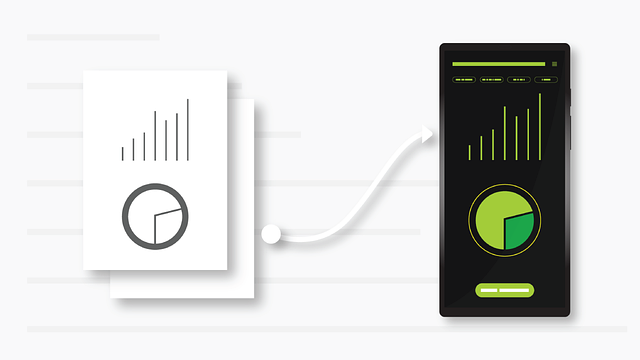
Custom incident management dashboards can consolidate relevant information and present it in a format suited to different operational roles.
Depending on your requirements, reporting capabilities may include:
- Open, resolved and outstanding incidents
- Incident volumes by category, location or department
- Incident investigation and resolution status
- Outstanding corrective actions
- Incident response and resolution timeframes
- Historical incident records and trends
- Team workload and action completion
- Management reports and exportable data
Dashboards can also be designed to provide different views for operational staff, managers and administrators, subject to the system’s access control requirements.
For organizations that currently rely on manual reporting or disconnected data sources, a tailored solution may help make incident information easier to review and use in operational decision-making.
Incident Management Software for Different Industries
Incident management requirements vary depending on the type of organization, the incidents being recorded and the processes needed to manage them.
AGR Technology can assess software requirements across different operational environments.
Workplace Health and Safety
Businesses may need digital systems for workplace incident reporting, near-miss records, investigations, supporting evidence and corrective action tracking.
A custom workplace incident management application can be designed around internal reporting procedures, responsibilities and documentation requirements.
Where regulatory obligations apply, these must be identified and addressed as part of the solution’s requirements.
IT and Technology Operations
Technology teams may need software to record technical incidents, assign responsibility, track service disruptions and coordinate resolution activities.
Depending on the project, an incident management system could support ticket workflows, escalation rules, incident histories and integrations with existing IT service management tools.
For organizations already using established IT platforms, integration or targeted custom development may be more appropriate than replacing the entire system.
Facilities and Field Operations
Facilities management and field service businesses may need to record operational incidents, assign follow-up work and coordinate responses across multiple sites.
A tailored solution could connect incident reports with maintenance tasks, asset information, job management systems and operational dashboards.
General Business Operations
Other organizations may require an internal incident management system to document operational problems, assign responsibility, coordinate investigations and monitor corrective actions.
Custom software can be designed around the organization’s specific workflows, reporting structure and internal approval requirements.
These are potential applications rather than predefined products. The appropriate features and technical approach depend on the requirements of each project.
Custom Incident Management Software or an Existing Platform?
Not every organization needs a bespoke incident management system. Established software products can be a practical choice when their functionality, integrations and pricing align with your requirements.
Custom development may be worth exploring when existing solutions cannot adequately accommodate your processes or when incident management needs to connect closely with other business applications.
A tailored system may be appropriate when you need to:
- Support specialized incident reporting or investigation workflows
- Connect incident management with existing internal software
- Automate processes that standard products do not adequately support
- Configure roles, permissions and approval procedures around your operations
- Consolidate information from multiple applications
- Extend or modernize an existing incident management system
- Develop a broader business application with incident management functionality
There are also factors to consider, including development costs, ongoing maintenance, security requirements, scalability and the responsibility for future enhancements.
AGR Technology can help assess the requirements, explore suitable approaches and determine whether custom development, integration or an existing platform is the most practical option.
The objective is to identify an approach that fits the business problem, rather than introduce unnecessary software complexity.
Custom Software Development With AGR Technology
AGR Technology helps businesses explore and develop software solutions that address operational challenges, improve processes and connect existing systems.
Our software development capabilities span custom business applications, software integrations, workflow automation, web applications, subscription-based platforms and data dashboards.
For an incident management project, the process can include:
1. Requirements and workflow assessment
Understand how incidents are currently reported, investigated, assigned, resolved and reviewed. Identify existing systems, operational challenges and the outcomes the proposed solution needs to support.
2. Solution planning and scope
Define the required functionality, user roles, workflows, integrations, reporting requirements and technical considerations. Establish a practical scope and development approach before proceeding.
3. Software development and integration
Develop the agreed application or system components, including relevant interfaces, workflows, data structures and integrations.
4. Testing and implementation
Test the agreed functionality, address identified issues and support implementation according to the project scope.
5. Ongoing support and improvements
Where agreed, provide ongoing maintenance, troubleshooting, enhancements and further development as business requirements evolve.
The scope, delivery approach and ongoing support arrangements will depend on the complexity of the project and the requirements established during planning.
A Flexible Approach to Business Software
Incident management software should reflect the processes it is intended to support. For some businesses, that means a straightforward reporting and tracking application. For others, it may involve multiple workflows, system integrations, automated notifications and management reporting.
AGR Technology takes a requirements-led approach to software development, helping businesses assess their needs and determine a suitable path forward.
Whether you are exploring a new incident management system, improving an existing application or connecting incident workflows with your wider business systems, we can help assess the available options.
Frequently Asked Questions
What is incident management software?
Incident management software helps organizations record, track, investigate and manage incidents through to resolution. Depending on its purpose, it may support reporting, incident assignment, response coordination, investigation records, corrective actions, notifications and management reporting.
Can AGR Technology develop custom incident management software?
AGR Technology can assess requirements for custom incident management applications and related software solutions. Depending on the project, this may include reporting forms, incident tracking, investigation workflows, automated notifications, integrations and dashboards.
The recommended approach depends on your requirements, existing systems and project scope.
What features can an incident management system include?
Potential features include digital incident reporting, categorization, prioritization, assignment, investigation records, supporting documentation, escalation workflows, notifications, corrective action tracking, dashboards and reporting.
Not every system requires all these capabilities. Features should be selected according to the organization’s operational needs.
Can incident management software integrate with existing systems?
Yes, integration may be possible through APIs, data synchronization or other suitable methods, depending on the systems involved. Common requirements include connections with CRM, HR, IT service management, job management, asset management and reporting platforms.
Integration feasibility should be assessed during project planning.
Can incident management workflows be automated?
Yes. Depending on the requirements, workflows may automate incident assignment, notifications, reminders, escalations, approvals and follow-up task creation. Automation can help reduce manual administration and make internal processes more consistent.
Can the system support multiple teams and locations?
A custom solution can be designed to support multiple teams, departments or locations where required. Potential functionality includes role-based access, location-specific workflows, centralized reporting and different operational views.
The implementation would depend on the organization’s structure and access requirements.
Can incident management software support workplace safety reporting?
A system can be designed to support workplace incident reporting, investigation records, evidence collection and corrective action tracking. Any applicable regulatory, record keeping and notification requirements should be identified and incorporated into the project scope.
Software functionality alone does not guarantee legal or regulatory compliance.
How much does custom incident management software cost?
The cost depends on factors such as the complexity of the workflows, number of user roles, integrations, reporting requirements, security needs and ongoing support arrangements.
A relatively simple application has different requirements from a multi-team platform with extensive integrations and specialized approval processes. AGR Technology can help establish the scope and appropriate development approach before providing a project-specific proposal.
Should we build custom software or use an existing incident management platform?
An existing platform may be the most practical option when its features and integrations meet your needs. Custom development may be worth considering when you have specialized workflows, integration requirements or operational processes that existing products cannot adequately support.
In some cases, extending or integrating an existing platform may be preferable to developing a complete replacement.
Can AGR Technology improve an existing incident management system?
Depending on the technology and requirements, existing systems may be candidates for enhancements, integration, workflow automation, reporting improvements or broader modernization. An initial assessment can help identify feasible improvements and potential limitations.
Discuss Your Incident Management Software Requirements
If your business is looking to improve incident reporting, streamline investigations, automate follow-up processes or develop a more integrated incident management system, AGR Technology can help assess your requirements.
Tell us how your current process works, where the main challenges lie and what you would like to improve. We can then explore the available software development options and determine a practical next step.
Contact AGR Technology to discuss your incident management software project.
Related solutions / content:
Workforce Rostering & Deployment Software Development
Inventory Management Software Development Services
Signs Your Business Has Outgrown It’s Software
When Your Business Has Outgrown Excel: Is It Time for a Custom Dashboard?
What to Do When Your CRM Only Does 80% of What You Need
Customer Portal Development Services
Source(s) cited:
[Online]. Available at: https://www.slideteam.net/media/catalog/product/cache/1280×720/i/n/incident_management_model_process_workflow_slide01.jpg (Accessed: 27 October 2026).

Alessio Rigoli is the founder of AGR Technology and got his start working in the IT space originally in Education and then in the private sector helping businesses in various industries. Alessio maintains the blog and is interested in a number of different topics emerging and current such as Digital marketing, Software development, Cryptocurrency/Blockchain, Cyber security, Linux and more.
Alessio Rigoli, AGR Technology