

Property investment has always been a big-money game. High entry costs, illiquid assets, and complex paperwork have kept countless investors on the sidelines for decades. But that’s changing, fast.
Real estate tokenization is opening the door to fractional ownership, global liquidity, and transparent transactions powered by blockchain. And the platforms making this possible need to be built right. If you’re looking to launch a real estate tokenization platform, here’s what you need to know about the technology, the features, and the development partner who can bring it all together.
Get in contact with us to discuss your project
Reviews from our happy clients:

Justine Brummans
Alessio is both incredibly knowledgeable and personable! He gave me great advice that was catered to me and my situation. Thank you Alessio! Super helpful!

Springfield Equestrian Park
Alessio is amazing! I can not speak highly enough of how helpful and knowledgeable he is, my website he created far exceeded my expectations, he is so accomodating and I can only wish him every success with his business. I rate AGR technology 10 out of 10.
Legacy Energy
We used AGR Technology and dealt with Alessio to design and build our website as well as host our emails. Alessio was a pleasure to deal with and had plenty of ideas that we could implement into our site. He has a great attention to detail, he is also very polite in understanding our goals and what we wanted to achieve with our website.
Thanks mate,
Alex & Rob
Excellent Service
Alessio developed our website for our business and has done a wonderful job. He is very personable and knowledgeable. We have enjoyed working with him. We will be referring others to him and highly recommend him to those who need Tech advice.
MRC Performance
I have been in business for over 10 Years and recently moved to AGR Technology for all our IT needs. They are able to fix nearly anything remotely and always very helpful in recommending appropriate hardware upgrades that do the job as required but not costing more than needed.

Alessio provided an excellent service. He was very dedicated in his method of finding solutions to problems. He continued to try different avenues until he found the reason as to why a particular application was not working. He was very knowledgeable in his understanding of the internet and of applications and how they work, and he was able to apply this knowledge in understanding how to resolve the obstacles that continued to appear. He is understanding towards his client's needs and goals and he is willing to work with his client in achieving those goals. He is a very polite and well mannered person and very calm and gentle in his approach. I would highly recommend Alessio's services to anyone.

Palmira Rigoli
Great work ethics Alessio! We at Totally Gluten Free Products are very happy to have you on board as our IT and SEO master. Very reliable, trustworthy and knowledgeable in the field.
YouTube Comment

Nat's Custom Designs
Alessio from AGR Technology has recently helped me create a website for my business.
Throughout the whole process from start to finish Alessio made the process easy for me, by calling me and explaining each step of the way. I'm not very computer savvy, but with Alessio taking the time to explain in detail everything I needed to know from putting inventory in to having it shipped. He even remotely joined my computer to help guide me through everything.
He's very knowledgeable and is experienced in everything I needed and if there was anything else I needed to know that wasn't something he was familiar with, he researched it.
I would HIGHLY recommend Alessio to anyone. He has not only helped me for now but I know that if I ever needed help with anything else he would definitely go above and beyond to help. Thank you so much for everything you have done. It's been a long process but well worth it 🙂
Byron Macumber
AGR Technology is amazing. not only do they stick with you through out the process, they also accommodate to your wants and needs. They are efficient in their work and they have high integrity. Their capabilities are shown through their website design, and appropriate knowledge of utilities regarding software. over the many years of working with them they have been fantastic. I would recommend to everyone
Very helpful
Alessio was thorough, diligent and kept me updated at all time points. I was very impressed with his performance, passion and dedication. I will continue to use his services.
Wantrup & Associates
Alessio of AGR Technology is an IT guy we rely on whenever we need IT help. His professionalism impressed us right at the first time. He solved many of our IT problems in no time. Excellent communication and speedy response.
We highly recommend this company
From a happy customer
Valeria Bianco
I received AGR contact information from a previous client, who had found their service excellent. So I contacted AGR with some expectations, and I can say they exceeded them. Professional, honest, punctual, reliable, their service is faultless. We can't recommend them highly enough.
Very fast, value for money and a comprehensive service
AGR is professional, organised and very skilled at what they do. They take the initiative, looking after all the details that you would not have thought of to enhance your website presence, marketing funnel and automated appointment bookings. Big bonus - pricings are at a fraction of the cost of competitors.
Customer testimonial
Alessio from AGR Technology is wonderful at gently guiding the less technically savvy users to solve problems. Back up service excellent. Highly recommended
SEO for website
The team is very cooperative and delivers clean and very efficient work.

Raimond Volpe
Nothing but good things to say about Alessio. He has been great service and great at communicating with me by both phone and email. Very good knowledge and problem-solving ability with our web development. I would thoroughly recommend Alessio and AGR Technology to anyone wanting online marketing or web development
Website design
Big thank you to Alessio at AGR Technology for a smooth and easy website development process. Nothing was to difficult to accomplish, I can highly recommend his first class service.
Proudly supporting clients of all sizes to succeed through digital solutions











Why work with us?








What Is Real Estate Tokenization and Why It Matters
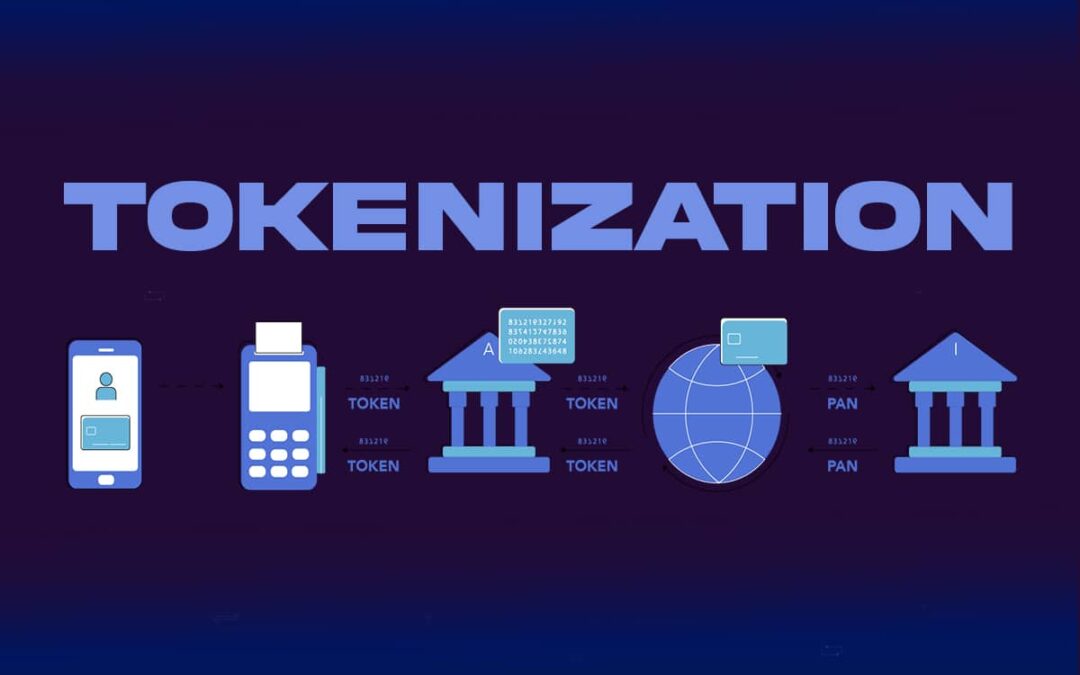
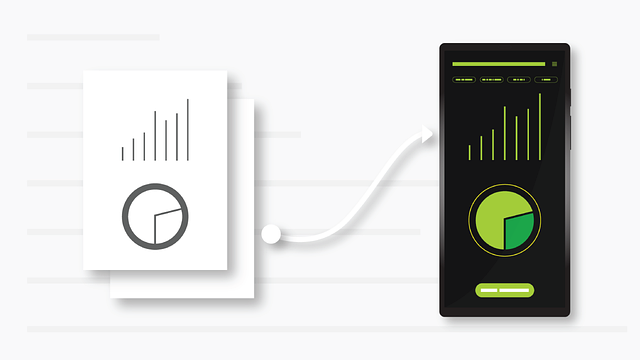
Real estate tokenization is the process of converting ownership rights in a property into digital tokens on a blockchain. Each token represents a fraction of the asset, think of it like shares in a company, but for a building, a development site, or a commercial property portfolio.
Why does this matter in October 2026? A few reasons:
- Lower barriers to entry. Investors no longer need hundreds of thousands of dollars to get into property. Fractional ownership means you can invest with significantly less capital.
- Greater liquidity. Traditionally, selling a property stake takes months. Tokenized assets can be traded on secondary markets in minutes.
- Global reach. A tokenized property in Sydney can attract investors from London, Singapore, or New York, all through one platform.
- Transparency. Blockchain’s immutable ledger means every transaction is recorded, verifiable, and tamper-proof.
The global tokenized real estate market is projected to grow substantially over the next five years, driven by institutional interest and evolving regulatory frameworks. For businesses looking to capitalize on this shift, developing a purpose-built tokenization platform is the logical next step.
How a Real Estate Tokenization Platform Works
At its core, a real estate tokenization platform digitizes property assets and makes them available for fractional investment. Here’s the typical workflow:
- Asset onboarding. A property owner or fund manager lists a property on the platform. The asset undergoes valuation, legal structuring, and due diligence.
- Token creation. Smart contracts are deployed on a blockchain to mint digital tokens representing fractional ownership of the asset.
- Investor participation. Verified investors purchase tokens through the platform, often using crypto or fiat currency.
- Secondary trading. Token holders can trade their stakes on integrated marketplaces, providing liquidity that traditional real estate simply can’t match.
- Income distribution. Rental yields and other returns are automatically distributed to token holders via smart contracts.
The entire process relies on secure blockchain infrastructure, robust KYC/AML compliance, and a user experience that makes participation straightforward, even for investors who aren’t crypto-native.
Core Features Every Tokenization Platform Needs
Building a real estate tokenization platform isn’t a cookie-cutter exercise. But there are non-negotiable features every serious platform requires:
- KYC/AML verification, Automated identity checks to meet regulatory obligations across jurisdictions.
- Multi-currency payment gateway, Support for both fiat and cryptocurrency transactions.
- Asset management dashboard, For property owners to manage listings, view performance data, and track investor activity.
- Investor portal, A clean interface where investors can browse properties, purchase tokens, monitor returns, and trade on secondary markets.
- Role-based access control, Different permission levels for admins, property managers, and investors.
- Audit trails and reporting, Comprehensive logs for compliance and transparency.
Smart Contract Development and Blockchain Selection
Smart contracts are the backbone of any tokenization platform. They automate token issuance, enforce ownership rules, handle dividend distribution, and govern secondary market trades, all without intermediaries.
Choosing the right blockchain matters just as much. Ethereum remains a popular choice due to its mature ecosystem and ERC-20/ERC-1400 token standards. But alternatives like Polygon, Solana, and Avalanche offer lower transaction fees and faster throughput, which can be critical at scale.
At AGR Technology, we can work with clients to evaluate blockchain options based on their specific use case, regulatory environment, and scalability requirements. There’s no one-size-fits-all answer, and anyone who tells you otherwise probably hasn’t built one of these platforms before.
Key Benefits for Property Owners and Investors
Real estate tokenization creates value on both sides of the equation.
For property owners and developers:
- Access a global pool of investors instead of relying on local buyers or institutional capital.
- Raise capital faster by selling fractional shares rather than waiting for a single buyer.
- Retain partial ownership while unlocking liquidity from a portion of the asset.
- Reduce administrative overhead through automated compliance and distribution.
For investors:
- Diversify across multiple properties, geographies, and asset types with smaller amounts of capital.
- Enjoy faster exit options through secondary market trading.
- Benefit from transparent, real-time reporting on asset performance.
- Receive automated income distribution without manual processing delays.
The result? A more accessible, efficient, and liquid property market. That’s not a pitch, it’s what we’re already seeing play out across tokenized real estate projects globally in 2026.
Navigating Regulatory and Compliance Challenges
Let’s be honest, regulation is the biggest hurdle in real estate tokenization. Securities laws differ by jurisdiction, and most tokenized property offerings are classified as financial products.
Here’s what platform operators need to account for:
- Securities compliance. In Australia, tokenized real estate typically falls under ASIC’s regulatory framework. In the US, the SEC applies similar scrutiny. Your platform needs to be built with these rules baked in, not bolted on.
- KYC/AML requirements. Automated verification workflows are essential. Manual processes won’t scale and introduce unnecessary risk.
- Cross-border considerations. If you’re targeting international investors, you need multi-jurisdictional compliance built into the platform from day one.
- Data privacy. Handling sensitive investor data means adhering to privacy regulations like the Australian Privacy Act or GDPR for European users.
We help our clients navigate this complexity by building compliance into the platform architecture. Our development team works alongside legal advisors to ensure every feature meets applicable regulatory standards, so you can launch with confidence, not legal headaches.
What to Look for in a Tokenization Platform Development Partner
Choosing the right development partner can make or break your tokenization project. Here’s what separates a capable partner from a risky one:
- Blockchain expertise. Your partner should have hands-on experience with smart contract development, token standards, and multiple blockchain protocols.
- Full-stack capability. From front-end investor portals to back-end infrastructure, compliance integrations, and API development, you need a team that handles the full scope.
- Regulatory awareness. A good development partner understands the compliance landscape and builds for it proactively.
- Scalable architecture. Your platform needs to handle growth, more assets, more investors, more transactions, without performance issues.
- Ongoing support. Tokenization platforms aren’t set-and-forget. You need a partner committed to maintenance, updates, and evolving with the regulatory environment.
At AGR Technology, we bring deep experience in custom software development, AI, blockchain solutions, and digital transformation. We’ve helped businesses across industries build secure, scalable platforms, and we’re ready to do the same for your real estate tokenization project.
Ready to build your real estate tokenization platform? Get in touch with our team to discuss your project requirements and see how we can help you move from concept to launch.
Frequently Asked Questions About Real Estate Tokenization Platform Development
What is real estate tokenization and how does it work?
Real estate tokenization converts property ownership rights into digital tokens on a blockchain, enabling fractional ownership. Each token represents a share of the asset, allowing multiple investors to participate in a single property and trade stakes on secondary markets for greater liquidity.
What are the key benefits of real estate tokenization platforms?
Tokenization platforms lower investment barriers by enabling fractional ownership with smaller capital, provide faster liquidity through secondary market trading, offer global investor access, and ensure transparent, tamper-proof transactions through blockchain immutability.
What core features does a real estate tokenization platform need?
Essential features include KYC/AML verification, multi-currency payment gateways, asset management dashboards, investor portals, role-based access control, smart contract deployment for token issuance and dividend distribution, and comprehensive audit trails for compliance.
Why is blockchain selection important for tokenization platforms?
The choice of blockchain affects transaction costs, speed, and scalability. Ethereum offers mature standards like ERC-20/ERC-1400, while alternatives like Polygon and Solana provide lower fees and faster throughput. Selection depends on regulatory requirements, use case, and growth projections.
What regulatory and compliance challenges exist in real estate tokenization?
Tokenized property offerings typically fall under securities laws, requiring KYC/AML workflows, multi-jurisdictional compliance, and data privacy adherence. Platform architecture must incorporate compliance features from the start, not as an afterthought, to meet ASIC, SEC, and regional requirements.
How should I choose a real estate tokenization platform development partner?
Look for partners with hands-on blockchain and smart contract expertise, full-stack development capability, regulatory awareness, scalable architecture design, and ongoing support commitment. They should understand compliance requirements and build them into the platform proactively from inception.
Related content:
Wealth Tech Digital Transformation Solutions
Real Estate Digital Marketing With Facebook Ads
Google Ads For Real Estate Agents
Custom CRM Development Services
Blockchain Game Development Services
eWallet Mobile App Development
SEO Services for Real Estate Investors
*Source(s) cited:
(2024). [Online]. Available at: https://bizflyportal.mediacdn.vn/bizflyportal/3276/13429/2024/03/04/20/47/tokenization-1-17095384646466.jpg (Accessed: 18 April 2026).

Alessio Rigoli is the founder of AGR Technology and got his start working in the IT space originally in Education and then in the private sector helping businesses in various industries. Alessio maintains the blog and is interested in a number of different topics emerging and current such as Digital marketing, Software development, Cryptocurrency/Blockchain, Cyber security, Linux and more.
Alessio Rigoli, AGR Technology