![logo-new-23[1]](https://agrtech.com.au/wp-content/uploads/elementor/thumbs/logo-new-231-qad2sqbr9f0wlvza81xod18hkirbk9apc0elfhpco4.png "logo-new-23[1]")

A domain name does more than tell people where a website lives. It shapes first impressions, affects brand recall, and can influence how confidently customers click, buy, or get in touch. And while most businesses spend time choosing the name itself, the extension at the end, the TLD, or top-level domain, often gets treated like an afterthought.
That’s a mistake. The right TLD can reinforce credibility, support expansion plans, and make a brand feel immediately familiar to the right audience. The wrong one can create friction, confusion, or a subtle sense that something is “off.” For businesses investing in digital growth, whether through Domain registration, SEO, web development, or broader transformation work, choosing the best domain name TLD is a strategic decision, not just a technical one.
This guide breaks down how to make that decision clearly and confidently.
What A TLD Is And Why It Matters
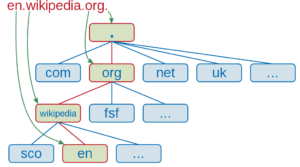
*Image credit: TilmannR, CC BY-SA 2.5 , via Wikimedia Commons
A TLD is the part that comes after the final dot in a domain name, such as .com, .org, .net, .com.au, or .ai. In yourbrand.com, the TLD is .com. In yourbrand.com.au, the TLD is .com.au.
At a technical level, TLDs help organize the internet. But for businesses, they do much more than that. They send signals.
A visitor landing on a website often makes a snap judgment in seconds. Is this business established? Is it relevant to their country? Does it feel legitimate? The TLD contributes to that impression before anyone reads a headline or sees a product page.
There are a few broad categories of TLDs:
- Generic TLDs (gTLDs):
.com,.net,.org,.info - Country-code TLDs (ccTLDs):
.au,.uk,.ca,.de - New or niche TLDs:
.tech,.store,.agency,.ai
Each type can serve a purpose. A local services company may benefit from a country-specific extension because it immediately aligns with regional trust. A global SaaS brand might lean toward .com because it is still the most recognized and widely accepted option. A startup in artificial intelligence may consider .ai because it feels current and industry-relevant.
Why does this matter so much? Because domains sit at the intersection of brand, marketing, and usability. They appear in ads, email addresses, search results, social profiles, proposals, and business cards. If the TLD feels awkward, forgettable, or suspicious, it creates drag across every channel.
In other words, a TLD is small in size, but not in impact.
How TLD Choice Affects Trust, Branding, And Search Visibility
The best domain name TLD often comes down to three things: trust, brand fit, and visibility.
Trust comes first. Most internet users are still most familiar with .com. That familiarity matters. People tend to assume a .com address is established, even if that assumption is not always rational. Local extensions can create a similar effect inside a specific market. For example, Australian businesses often benefit from .com.au because it signals local presence and relevance.
Then there’s branding. A TLD can sharpen a brand position or muddy it. A law firm using .law, a retailer using .store, or a tech company using .tech can look polished if the rest of the brand is strong. But niche TLDs also carry some risk: audiences may forget them and type .com out of habit.
That tradeoff matters more than many teams realize. A clever domain is only useful if people remember it correctly.
As for search visibility, Google has stated that, in general, most generic TLDs are treated similarly for ranking purposes. That means having a .com instead of a .net does not automatically boost rankings. But indirect SEO effects are very real.
A trusted, memorable domain can improve:
- Click-through rates from search results
- Brand searches over time
- Link acquisition, because people are more comfortable referencing a credible-looking site
- User engagement, especially if visitors feel they landed in the right place
Country-code domains can also help with geographic targeting. A business targeting Australian customers, for example, may find a .com.au domain supports stronger local relevance than a broad global extension.
For organizations working through digital transformation, this is where strategy matters. A business redesigning its site, launching SEO campaigns, or expanding into new markets should choose a TLD that supports the long game. It is much easier to make the right choice early than to rebrand later and migrate rankings, emails, and user habits. Teams like those at AGR Technology often see this firsthand: domain decisions rarely stay isolated: they ripple into branding, web development, SEO, and customer experience.
Match The TLD To Your Business Goals
The right TLD depends less on what is trendy and more on what the business is trying to achieve. A company serving one city has different needs from an ecommerce brand shipping globally. A consulting firm has different priorities from a startup trying to look modern and disruptive.
The smartest approach is to start with business goals, not domain availability.
When To Choose .Com, Local Extensions, Or Industry-Specific TLDs
Choose .com when the business wants broad recognition, strong memorability, and flexibility for future growth. It remains the default in many users’ minds, which reduces friction. For many brands, especially those aiming for national or international reach, .com is still the safest all-around choice.
Choose a local extension like .com.au, .co.uk, or .ca when geographic trust is central to the business model. This often works well for service providers, regional firms, and businesses whose buyers strongly prefer local suppliers. A local TLD can make a company feel more relevant before a visitor even reads the copy.
Choose an industry-specific TLD like .tech, .store, .agency, or .ai when it genuinely strengthens positioning and the audience is likely to understand it. These can be useful for branding, especially if the .com is unavailable or overpriced. But they work best when the extension feels natural, not gimmicky.
A practical rule: if the TLD requires explanation every time someone hears it, it may not be the best choice.
How Audience Location And Market Expansion Influence The Decision
Audience geography changes the equation quickly.
If a company serves one country, a country-code TLD can be a strong asset. It can help users feel they are dealing with a local business, seeing local pricing, and receiving local support. For regulated industries or trust-sensitive sectors, that local signal can carry real weight.
But if expansion is likely, the business should think ahead. A brand planning to move from Australia into the US, UK, or Asia-Pacific markets may not want to build its entire identity around a highly local extension alone. In that case, securing the .com, even if the main website initially uses a local domain, can be a smart brand protection move.
Some businesses use both strategically:
- A global brand domain for international positioning
- A local domain for market-specific operations
- Redirects or regional site structures to support user experience and SEO
There is no single formula. The best domain name TLD is the one that aligns with present needs and does not box the business in later.
What To Look For In The Domain Name Itself
Choosing the right TLD is only half the decision. The domain name itself still has to work in the real world, spoken aloud, typed on a phone, shared in an email, and remembered a week later.
A business can pick a solid extension and still end up with a weak domain if the name is clunky or confusing.
Keep It Short, Clear, And Easy To Remember
Strong domains are usually simple. Shorter names are easier to type, easier to recall, and less likely to be misspelled. That does not mean every great domain is ultra-short, but brevity helps.
A good domain name should ideally be:
- Easy to pronounce
- Easy to spell after hearing it once
- Easy to read quickly in search results or ads
- Closely connected to the brand name or offering
Clarity beats cleverness most of the time. Wordplay may feel creative in a meeting room, but if users forget it or mishear it, the cost shows up later.
This is especially important for businesses investing in SEO and paid campaigns. If brand recall is weak, marketing spend works harder than it needs to.
Avoid Hyphens, Numbers, And Confusing Spellings
Hyphens and numbers create friction. So do odd spellings that force people to ask, “Was that with an X, an I, or a Y?”
These issues seem minor until they start affecting daily operations:
- Emails get sent to the wrong address
- Prospects mistype the URL
- Offline referrals fail because the domain is hard to repeat accurately
- Users land on another website by mistake
There is also a credibility issue. Domains packed with symbols, modifiers, or awkward workarounds can feel low quality, even when the business behind them is excellent.
If the ideal name is unavailable, it is usually better to rethink the structure than to pile on compromises. A clean alternative domain is often stronger than a messy “close enough” version.
A useful gut check: if someone hears the domain once in conversation, can they type it correctly without help? If not, it probably needs work.
How To Evaluate Availability, Trademarks, And Brand Protection
Before registering a domain, a business should do more than check whether the name is open. Availability is just step one.
First, verify whether the domain is actually purchasable at a reasonable cost. Some names appear available but are held for resale at premium prices. That is not always a dealbreaker, but it changes the decision.
Next comes the legal side: trademark review. A domain that is technically available can still create major problems if it overlaps with an existing trademark in the same market or category. That can lead to disputes, rebranding costs, or forced domain transfers. Businesses should check relevant national trademark databases and, for higher-stakes branding decisions, involve legal counsel.
Then there is brand protection.
A smart business often registers more than one version of its domain, especially if the brand is central to lead generation or reputation. That may include:
- The primary
.com - Local country-code variants
- Common misspellings
- Key defensive registrations if impersonation risk is high
Not every company needs an extensive domain portfolio. But businesses with strong growth plans, multiple markets, or heavy digital marketing activity should think beyond a single registration.
Brand protection also extends to social handles and email infrastructure. Ideally, the chosen domain aligns cleanly with available usernames on major platforms and supports professional email addresses without awkward additions.
One more thing: review the domain’s history if it was previously registered. A used domain may come with backlinks and age, which can be helpful, or it may carry spam baggage, penalties, or a questionable reputation. A quick historical check can prevent a surprisingly expensive mistake.
Common TLD Mistakes To Avoid
A lot of domain problems are preventable. The issue is not lack of options: it is choosing based on impulse instead of strategy.
Here are some of the most common TLD mistakes businesses make:
- Choosing only on price. A cheaper extension is not better if it weakens trust or causes confusion.
- Following trends too closely. A fashionable TLD may age badly or feel tied to a moment rather than a long-term brand.
- Ignoring user habits. Many people still default to
.com. If a business uses a niche TLD, it should be sure the audience will remember it. - Thinking TLD alone will improve SEO. Search performance depends far more on content, site quality, technical SEO, and authority than on extension alone.
- Using a highly local TLD when global expansion is likely. That can create positioning issues later.
- Skipping trademark checks. This is one of the costliest mistakes because it often surfaces after branding work is already done.
- Settling for a confusing domain because the preferred name is taken. A weaker but cleaner brand is usually better than a compromised version of a stronger one.
Sometimes the mistake is simply treating the domain as an admin task instead of a brand decision. It is not just something to buy and forget. It is a core digital asset.
Conclusion
Choosing the best domain name TLD is really about fit. The right choice supports trust, reflects the brand, matches the audience, and leaves room for growth. For some businesses, that will be .com. For others, a local extension or an industry-specific option will make more sense.
What matters is that the decision is intentional.
A strong domain should feel credible, be easy to remember, and work across marketing, sales, SEO, and customer communication. And because domains touch so many parts of digital performance, they are worth evaluating with the same care given to brand strategy, website planning, and long-term expansion.
Businesses that treat domain selection as part of a wider digital growth strategy usually make better decisions, and avoid expensive corrections later.
Need help with your online branding? Contact AGR Technology to see how we can help
Key Takeaways
- Choosing the best domain name TLD is a strategic brand decision because it shapes trust, recall, and how confidently users click or contact your business.
- Use .com for broad recognition, choose a local TLD for market-specific trust, and pick an industry-specific extension only when your audience will understand and remember it.
- The best domain name TLD should match your current business goals while leaving room for future expansion, especially if you plan to enter new countries or markets.
- Keep the domain name short, clear, and easy to spell, and avoid hyphens, numbers, or awkward spellings that create confusion and weaken credibility.
- Do not expect a TLD alone to improve SEO, but choose one that supports stronger click-through rates, brand searches, and local relevance where it matters.
- Before registering, check domain history, trademark conflicts, pricing, and defensive variations so you protect your brand and avoid costly rebranding later.
Frequently Asked Questions
How do I choose the best domain name TLD for my business?
Start with your business goals, audience location, and growth plans. The best domain name TLD should build trust, fit your brand, and support future expansion. For many businesses, .com is the safest choice, while local or industry-specific TLDs can work when they clearly match the market.
Is .com still the best domain name TLD for SEO and credibility?
For SEO, Google generally treats most generic TLDs similarly, so .com does not automatically rank higher. However, .com still helps with credibility, memorability, and click confidence. Those indirect benefits can improve click-through rates, brand searches, and overall user trust over time.
When should I use a local TLD like .com.au or .co.uk instead of .com?
A local TLD makes sense when geographic trust matters and most customers are in one country. It can signal local relevance, pricing, and support before visitors read your site. If international expansion is likely, many businesses also secure the .com for flexibility and brand protection.
Are niche extensions like .tech, .store, or .ai a good idea?
They can be effective when the extension feels natural for the brand and the audience understands it. A niche TLD may strengthen positioning, especially if the .com is unavailable. Still, they carry some risk because users may forget the extension and type .com by habit.
What should I avoid when picking the best domain name TLD and domain name?
Avoid choosing only on price, chasing trends, or assuming the TLD alone will improve SEO. It is also smart to avoid hyphens, numbers, and confusing spellings in the domain itself. A clean, memorable name with the right extension usually performs better than a complicated workaround.
Do I need to check trademarks and old domain history before registering a domain?
Yes. A domain can be available to buy and still create legal or branding problems if it conflicts with an existing trademark. You should also review whether the domain was previously used, since older domains may carry either helpful authority or harmful spam history and reputation issues.
Related resources:
Domain Name Portfolio Management
Domain Name Services for Franchises
Branding & Creative Strategy Agency
Website Design Services for Domain Name Investors
Web Hosting Services for Domain Investors

Alessio Rigoli is the founder of AGR Technology and got his start working in the IT space originally in Education and then in the private sector helping businesses in various industries. Alessio maintains the blog and is interested in a number of different topics emerging and current such as Digital marketing, Software development, Cryptocurrency/Blockchain, Cyber security, Linux and more.
Alessio Rigoli, AGR Technology