![logo-new-23[1]](https://agrtech.com.au/wp-content/uploads/elementor/thumbs/logo-new-231-qad2sqbr9f0wlvza81xod18hkirbk9apc0elfhpco4.png "logo-new-23[1]")

Most businesses don’t necessarily have a “lead problem”. It has an internet presence problem.
If your website loads slowly, your messaging is vague, your reviews are thin, or your follow-up takes days, you’ll still get traffic, but it won’t turn into the right kind of enquiries. The good news: building a lead-ready digital presence isn’t about chasing every new platform. It’s about getting the fundamentals right, then scaling what works with real measurement.
In this guide, we’ll walk through the practical, modern steps we use to help organisations turn online visibility into consistent, qualified leads, covering trust signals, website foundations, discoverability, campaigns, automation, and the metrics that actually matter.
Book a free consultation call with AGR Technology to see how we can help scale your brand with proven online marketing strategies
What our clients are saying

Justine Brummans
Alessio is both incredibly knowledgeable and personable! He gave me great advice that was catered to me and my situation. Thank you Alessio! Super helpful!

Springfield Equestrian Park
Alessio is amazing! I can not speak highly enough of how helpful and knowledgeable he is, my website he created far exceeded my expectations, he is so accomodating and I can only wish him every success with his business. I rate AGR technology 10 out of 10.
Legacy Energy
We used AGR Technology and dealt with Alessio to design and build our website as well as host our emails. Alessio was a pleasure to deal with and had plenty of ideas that we could implement into our site. He has a great attention to detail, he is also very polite in understanding our goals and what we wanted to achieve with our website.
Thanks mate,
Alex & Rob
Excellent Service
Alessio developed our website for our business and has done a wonderful job. He is very personable and knowledgeable. We have enjoyed working with him. We will be referring others to him and highly recommend him to those who need Tech advice.
MRC Performance
I have been in business for over 10 Years and recently moved to AGR Technology for all our IT needs. They are able to fix nearly anything remotely and always very helpful in recommending appropriate hardware upgrades that do the job as required but not costing more than needed.

Alessio provided an excellent service. He was very dedicated in his method of finding solutions to problems. He continued to try different avenues until he found the reason as to why a particular application was not working. He was very knowledgeable in his understanding of the internet and of applications and how they work, and he was able to apply this knowledge in understanding how to resolve the obstacles that continued to appear. He is understanding towards his client's needs and goals and he is willing to work with his client in achieving those goals. He is a very polite and well mannered person and very calm and gentle in his approach. I would highly recommend Alessio's services to anyone.

Palmira Rigoli
Great work ethics Alessio! We at Totally Gluten Free Products are very happy to have you on board as our IT and SEO master. Very reliable, trustworthy and knowledgeable in the field.
YouTube Comment

Nat's Custom Designs
Alessio from AGR Technology has recently helped me create a website for my business.
Throughout the whole process from start to finish Alessio made the process easy for me, by calling me and explaining each step of the way. I'm not very computer savvy, but with Alessio taking the time to explain in detail everything I needed to know from putting inventory in to having it shipped. He even remotely joined my computer to help guide me through everything.
He's very knowledgeable and is experienced in everything I needed and if there was anything else I needed to know that wasn't something he was familiar with, he researched it.
I would HIGHLY recommend Alessio to anyone. He has not only helped me for now but I know that if I ever needed help with anything else he would definitely go above and beyond to help. Thank you so much for everything you have done. It's been a long process but well worth it 🙂
Byron Macumber
AGR Technology is amazing. not only do they stick with you through out the process, they also accommodate to your wants and needs. They are efficient in their work and they have high integrity. Their capabilities are shown through their website design, and appropriate knowledge of utilities regarding software. over the many years of working with them they have been fantastic. I would recommend to everyone
Very helpful
Alessio was thorough, diligent and kept me updated at all time points. I was very impressed with his performance, passion and dedication. I will continue to use his services.
Wantrup & Associates
Alessio of AGR Technology is an IT guy we rely on whenever we need IT help. His professionalism impressed us right at the first time. He solved many of our IT problems in no time. Excellent communication and speedy response.
We highly recommend this company
From a happy customer
Valeria Bianco
I received AGR contact information from a previous client, who had found their service excellent. So I contacted AGR with some expectations, and I can say they exceeded them. Professional, honest, punctual, reliable, their service is faultless. We can't recommend them highly enough.
Very fast, value for money and a comprehensive service
AGR is professional, organised and very skilled at what they do. They take the initiative, looking after all the details that you would not have thought of to enhance your website presence, marketing funnel and automated appointment bookings. Big bonus - pricings are at a fraction of the cost of competitors.
Customer testimonial
Alessio from AGR Technology is wonderful at gently guiding the less technically savvy users to solve problems. Back up service excellent. Highly recommended
SEO for website
The team is very cooperative and delivers clean and very efficient work.

Raimond Volpe
Nothing but good things to say about Alessio. He has been great service and great at communicating with me by both phone and email. Very good knowledge and problem-solving ability with our web development. I would thoroughly recommend Alessio and AGR Technology to anyone wanting online marketing or web development
Website design
Big thank you to Alessio at AGR Technology for a smooth and easy website development process. Nothing was to difficult to accomplish, I can highly recommend his first class service.
Supporting businesses of all sizes to get ahead with digital solutions










Why work with us?






Why Internet Presence Drives Lead Quality (Not Just Volume)
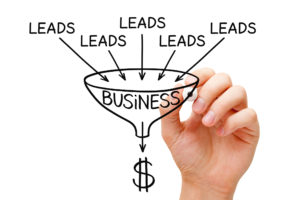
Lead volume is easy to inflate. Lead quality is earned.
When we talk about internet presence, we’re talking about the full picture a buyer sees before they ever contact you: your website, Google presence, reviews, content, social proof, speed, clarity, and even how “real” your business feels online.
If that presence is strong, you don’t just get more enquiries, you get better ones:
- People who already understand what you do
- People who trust you enough to share details
- People who are closer to a decision
The New Buyer Journey: Search, Social Proof, And Speed
Most buying journeys now start with quick self-education. Even for high-value B2B services, buyers often do the same three things in a tight loop:
- Search (“best [service] near me”, “cost of [service]”, “[service] for [industry]”)
- Validate (reviews, case studies, photos, certifications, team, proof you’ve done it before)
- Decide fast (if your site is slow or confusing, they bounce and keep shopping)
Speed matters more than many teams realise. Google’s own guidance on page experience has consistently pointed to faster, more stable experiences improving usability, especially on mobile. If your site takes too long to load or shifts around as it loads, you’re losing leads before the first scroll.
Brand Trust Signals That Convert Visits Into Inquiries
Trust isn’t a single badge, it’s a pattern.
We generally look for these trust signals when we’re improving conversion rates:
- Clear positioning: who you help, what you deliver, and what makes you different
- Real proof: testimonials with names, logos (where permitted), measurable outcomes, case studies
- Authority cues: certifications, partnerships, awards, years in market, media mentions
- Risk reducers: warranties, SLAs, guarantees (where appropriate), transparent processes
- Human cues: team photos, leadership bios, a real address, clear contact options
If you’re competing in a noisy market, trust signals often outperform clever copy. Buyers don’t need poetry, they need confidence.
If you want a practical way to assess yours, we can help you benchmark your digital presence and identify the gaps that are quietly costing you enquiries at AGR Technology.
Build A Lead-Ready Digital Foundation
Before we spend a dollar on ads or publish a dozen new pages, we make sure the foundation can actually convert.
A lead-ready foundation is the difference between “we’re getting traffic” and “we’re getting booked.”
Website Essentials: Messaging, UX, Mobile, And Performance
Your website has one job: help the right people take the next step.
We focus on four essentials:
- Messaging: Above-the-fold clarity (what you do, who it’s for, and the outcome). No jargon wall.
- UX (user experience): Logical navigation, scannable sections, clean service structure.
- Mobile-first design: Most buyers will check you on a phone at some point, often first.
- Performance: Fast loading, compressed images, clean code, reliable hosting.
A simple test we use: if a new visitor has 10 seconds, can they answer these?
- “Am I in the right place?”
- “Do they solve my problem?”
- “Do I trust them?”
- “What do I do next?”
If the answer is “not really,” you’re paying a hidden tax on every channel.
Conversion Paths: Calls To Action, Forms, Booking, And Chat
A surprising number of websites technically have CTAs, but they’re passive, vague, or hard to use.
High-performing conversion paths usually include:
- Primary CTA that matches intent (e.g., Request a Quote, Book a Call, Get an Assessment)
- Short, purposeful forms (ask only what you’ll actually use)
- Click-to-call and click-to-email on mobile
- Calendar booking for service businesses and consultative sales teams
- Chat (live or AI-assisted) when it improves speed and routing
And we keep CTAs consistent across the site, service pages, homepage, and key content should all drive toward a clear next step.
If you’re not sure what your best conversion path is, we can map it with you and build the right combination of forms, booking, and automation.
Tracking Setup: Analytics, Events, And Attribution Basics
If you can’t measure it, you’ll end up guessing, and guessing gets expensive.
A solid baseline tracking setup usually includes:
- GA4 for web analytics
- Google Tag Manager to manage events cleanly
- Conversion events for form submits, calls, bookings, chat leads, key button clicks
- UTM standards so campaigns attribute properly
- CRM integration where possible so marketing and sales see the same truth
Attribution doesn’t need to be perfect to be useful. But it does need to be consistent.
When we carry out tracking for clients, we’re aiming for one outcome: you can answer, confidently, “Where did this lead come from, and what did it cost?”
Be Discoverable Where Buyers Look
You can have the best offer in the market and still struggle if buyers can’t find you where they’re searching.
Discoverability is a mix of SEO fundamentals, high-intent content, and credibility signals across platforms.
Search Visibility: Local SEO, On-Page SEO, And Technical SEO
Search visibility is still one of the highest-quality sources of leads because it captures intent.
We typically break SEO into three practical layers:
- Local SEO: Including but not limited to Google Business Profile optimisation, service areas, categories, photos, posts, and consistent listings (name/address/phone). For many industries, local visibility is the lead engine.
- On-page SEO: Matching pages to real search terms, clear headings, helpful copy, internal linking, and strong metadata.
- Technical SEO: Indexing, crawlability, site speed, structured data, canonicals, and clean site architecture.
Google’s own guidance (including its documentation on Search Essentials) is consistent: pages should be helpful, accessible, and created for people, not just algorithms. When we align to that, rankings tend to follow.
High-Intent Content: Service Pages, Landing Pages, And Guides
Not all content is equal.
If the goal is building new leads, we prioritise high-intent assets:
- Service pages that clearly explain what you do, who it’s for, pricing ranges (where possible), timelines, FAQs, and proof
- Landing pages built for campaigns (tight message match, single CTA, minimal distractions)
- Guides that answer buyer questions (cost, comparisons, timelines, “how it works”, “what to expect”)
This is where many websites underperform: they have a generic “Services” page that tries to cover everything. We get better results by building focused pages that match how people actually search.
Listings And Review Platforms That Influence Decisions
Buyers don’t just read your website, they cross-check you.
Depending on your industry, that might include:
- Google reviews (often the deciding factor for local searches)
- Industry directories and association listings
- Software and B2B review platforms
- Social profiles (even if you don’t post often, people still check)
The goal isn’t to be everywhere. It’s to be present where it counts, with consistent details and enough proof to remove doubt.
If you’re unsure which platforms matter for your category, we can audit your current footprint and prioritise the listings that actually influence decisions.
Turn Attention Into Leads With Campaigns And Automation
Once the foundation is solid and you’re discoverable, campaigns become a multiplier.
But campaigns only work when they’re connected to conversion paths and follow-up. Otherwise you’re just renting clicks.
Paid Media Basics: Search And Social Campaign Structure
Paid search and paid social can both drive leads, but they do different jobs.
- Search ads capture existing intent (people already looking)
- Social ads create demand and retarget interest (people who weren’t actively searching yet)
A clean campaign structure usually includes:
- Separate campaigns by service line (so budgets and messaging don’t blur)
- Tight ad groups and keyword themes
- Landing pages that match the ad promise (message match matters)
- Conversion tracking that’s tested (not assumed)
- Retargeting to bring back warm visitors
We also keep an eye on lead quality early. If leads are coming in but they’re the wrong fit, that’s not “marketing working”, that’s misalignment.
Lead Nurture: Email Sequences, CRM Hygiene, And Follow-Up Speed
Speed wins. Not because buyers are impatient (though they can be), but because the first helpful response often becomes the default option.
Lead nurture doesn’t have to be complicated:
- Instant confirmation (email/SMS) so people know the enquiry landed
- A short sequence that answers common questions and sets expectations
- CRM hygiene (consistent stages, notes, tags, source fields)
- Follow-up SLAs (who responds, when, and how)
If your team is busy, nurture is how you keep good leads warm instead of letting them drift to the next supplier.
Automation Opportunities: Qualification, Routing, And Scheduling
Automation should remove friction, not add it.
Good automation opportunities include:
- Qualification: asking 2–4 key questions upfront to sort urgency and fit
- Routing: sending leads to the right person based on service, location, or budget
- Scheduling: letting qualified leads book directly into the right calendar
- Notifications: instant alerts to sales/service teams when a high-intent lead comes through
At AGR Technology, this is where our broader capability helps: we can combine marketing, custom software, and AI automation so lead capture and operations actually connect, without duct-tape workflows.
If you’re ready to reduce admin and improve response times, talk to us about automation that fits your current process (not a generic template).
Measure, Improve, And Scale Without Guesswork
Growing leads sustainably is less about “one big win” and more about a steady rhythm of measurement and iteration.
When we work with teams, we aim to make performance visible so decisions don’t rely on gut feel.
Lead Metrics That Matter: CPL, CAC, LTV, And Conversion Rates
Traffic is a starting point. Leads are better. Revenue is the goal.
The metrics we rely on most:
- Conversion rate: the percentage of visitors who enquire or book
- CPL (cost per lead): how much you spend to generate each lead
- CAC (customer acquisition cost): total cost to win a customer (marketing + sales)
- LTV (lifetime value): what a customer is worth over time (especially important for retainers/subscriptions)
These metrics help you answer the real questions:
- Which channels bring the best customers, not just the most leads?
- Can we scale spend without scaling waste?
- Where is the funnel leaking, before the lead, or after it?
Optimization Rhythm: A/B Testing, SEO Iteration, And Content Refreshes
Optimisation is where many businesses leave money on the table, because it feels “optional.”
A practical rhythm looks like:
- Monthly conversion improvements (CTA tests, form tweaks, landing page changes)
- Ongoing SEO iteration (internal linking, technical fixes, content expansion where needed)
- Quarterly content refreshes (update pricing guidance, screenshots, processes, FAQs)
Search results change. Competitors update pages. Your offer evolves. A content refresh keeps your site accurate and competitive.
Common Pitfalls: Vanity Metrics, Misaligned Messaging, And Broken Handoffs
These are the issues we see most often when lead generation stalls:
- Vanity metrics: celebrating impressions and clicks while lead quality drops
- Misaligned messaging: ads promise one thing, landing pages say another, sales pitches a third
- Broken handoffs: marketing generates leads but sales response is slow, inconsistent, or not tracked
If you’re getting leads but not closing, the fix might not be “more marketing.” It might be better qualification, clearer pricing guidance, or a faster response workflow.
This is exactly why we take a whole-system view at AGR Technology, visibility, conversion, automation, and measurement working together.
Conclusion
A strong internet presence isn’t a “nice to have” anymore. It’s the infrastructure that turns visibility into trust, and trust into enquiries.
If we had to prioritise, we’d start here:
- Tighten trust signals and messaging so the right buyers feel confident
- Build clean conversion paths (CTA + forms/booking + follow-up)
- Strengthen discoverability with SEO and high-intent pages
- Scale with campaigns and automation only after the foundation is working
- Measure CPL, CAC, LTV, and conversion rates so growth isn’t guesswork
If you want help turning your digital presence into a lead engine, we can audit what you’ve already got and map the fastest path to improvement.
Ready to build more qualified leads from your website, search, and campaigns? Reach out to AGR Technology and let’s plan the next 90 days properly.
Frequently Asked Questions
Why does your internet presence affect lead quality more than lead volume?
Your internet presence shapes what buyers learn before they contact you—website clarity, speed, reviews, proof, and how “real” you look online. A strong presence earns trust, so enquiries come from people who understand your offer, share better details, and are closer to a decision.
How can I improve my internet presence to build new leads from my website?
Start with fundamentals: clear above-the-fold messaging, mobile-first UX, and fast performance. Add trust signals like testimonials, case studies, certifications, and team details. Then create strong conversion paths—specific CTAs, short forms, click-to-call, booking, and chat—so visitors can act quickly.
What are the most important trust signals for a lead-ready digital presence?
High-converting trust signals are patterns: clear positioning (who you help and outcomes), real proof (named testimonials, logos where allowed, measurable results), authority cues (awards, partnerships, years in market), risk reducers (guarantees/SLAs when appropriate), and human cues (bios, photos, address, clear contact options).
What SEO work improves discoverability and internet presence for local leads?
Focus on three layers: Local SEO (optimize Google Business Profile, service areas, categories, photos, posts, and consistent NAP), on-page SEO (pages mapped to real search terms with helpful headings and internal links), and technical SEO (crawlability, indexing, speed, structured data, clean architecture).
What tracking setup do I need to measure internet presence and lead generation accurately?
Use GA4 plus Google Tag Manager, then track conversions for forms, calls, bookings, chat leads, and key button clicks. Standardize UTMs so campaigns attribute correctly, and integrate with your CRM when possible. Consistent attribution lets you answer where leads came from and what they cost.
How fast should I follow up on new online leads to avoid losing them?
As fast as possible—minutes, not days—because the first helpful response often becomes the default choice. Use instant confirmation (email/SMS), simple nurture sequences, and clear follow-up SLAs. Automation can route leads to the right person and let qualified prospects schedule immediately.
Other content:
Facebook / Meta Ads Management
Digital Marketing Services For Business

Alessio Rigoli is the founder of AGR Technology and got his start working in the IT space originally in Education and then in the private sector helping businesses in various industries. Alessio maintains the blog and is interested in a number of different topics emerging and current such as Digital marketing, Software development, Cryptocurrency/Blockchain, Cyber security, Linux and more.
Alessio Rigoli, AGR Technology