![logo-new-23[1]](https://agrtech.com.au/wp-content/uploads/elementor/thumbs/logo-new-231-qad2sqbr9f0wlvza81xod18hkirbk9apc0elfhpco4.png "logo-new-23[1]")
B2B SaaS growth rarely comes from doing more random marketing. It comes from building a system that attracts the right buyers, earns trust over time, and turns interest into qualified pipeline. That’s why Inbound Marketing for B2B SaaS Companies has become such a practical growth lever. Instead of chasing low-fit leads with broad outreach, we focus on being visible when decision-makers are actively researching problems, comparing solutions, and looking for proof.
For software companies and startup founders, that matters. Most teams are balancing product roadmaps, investor pressure, retention goals, and a constant need for predictable acquisition. Marketing can’t just generate traffic: it has to support revenue. At AGR Technology, we’ve seen that the strongest B2B SaaS marketing programs combine content, SEO, conversion optimization, email nurturing, automation, and strategic partnerships into one consistent engine. When done well, inbound doesn’t just fill the top of the funnel. It improves lead quality, shortens the path to trust, and compounds over time.
In this guide, we’ll break down how to build an inbound program that fits the realities of SaaS buying cycles, supports SaaS lead generation, and creates a stronger foundation for long-term growth.
Need help growing your product? Book a Free SaaS Growth Consultation and let’s talk about how to turn your inbound program into a practical engine for SaaS growth.
What our clients are saying

Justine Brummans
Alessio is both incredibly knowledgeable and personable! He gave me great advice that was catered to me and my situation. Thank you Alessio! Super helpful!

Springfield Equestrian Park
Alessio is amazing! I can not speak highly enough of how helpful and knowledgeable he is, my website he created far exceeded my expectations, he is so accomodating and I can only wish him every success with his business. I rate AGR technology 10 out of 10.
Legacy Energy
We used AGR Technology and dealt with Alessio to design and build our website as well as host our emails. Alessio was a pleasure to deal with and had plenty of ideas that we could implement into our site. He has a great attention to detail, he is also very polite in understanding our goals and what we wanted to achieve with our website.
Thanks mate,
Alex & Rob
Excellent Service
Alessio developed our website for our business and has done a wonderful job. He is very personable and knowledgeable. We have enjoyed working with him. We will be referring others to him and highly recommend him to those who need Tech advice.
MRC Performance
I have been in business for over 10 Years and recently moved to AGR Technology for all our IT needs. They are able to fix nearly anything remotely and always very helpful in recommending appropriate hardware upgrades that do the job as required but not costing more than needed.

Alessio provided an excellent service. He was very dedicated in his method of finding solutions to problems. He continued to try different avenues until he found the reason as to why a particular application was not working. He was very knowledgeable in his understanding of the internet and of applications and how they work, and he was able to apply this knowledge in understanding how to resolve the obstacles that continued to appear. He is understanding towards his client's needs and goals and he is willing to work with his client in achieving those goals. He is a very polite and well mannered person and very calm and gentle in his approach. I would highly recommend Alessio's services to anyone.

Palmira Rigoli
Great work ethics Alessio! We at Totally Gluten Free Products are very happy to have you on board as our IT and SEO master. Very reliable, trustworthy and knowledgeable in the field.
YouTube Comment

Nat's Custom Designs
Alessio from AGR Technology has recently helped me create a website for my business.
Throughout the whole process from start to finish Alessio made the process easy for me, by calling me and explaining each step of the way. I'm not very computer savvy, but with Alessio taking the time to explain in detail everything I needed to know from putting inventory in to having it shipped. He even remotely joined my computer to help guide me through everything.
He's very knowledgeable and is experienced in everything I needed and if there was anything else I needed to know that wasn't something he was familiar with, he researched it.
I would HIGHLY recommend Alessio to anyone. He has not only helped me for now but I know that if I ever needed help with anything else he would definitely go above and beyond to help. Thank you so much for everything you have done. It's been a long process but well worth it 🙂
Byron Macumber
AGR Technology is amazing. not only do they stick with you through out the process, they also accommodate to your wants and needs. They are efficient in their work and they have high integrity. Their capabilities are shown through their website design, and appropriate knowledge of utilities regarding software. over the many years of working with them they have been fantastic. I would recommend to everyone
Very helpful
Alessio was thorough, diligent and kept me updated at all time points. I was very impressed with his performance, passion and dedication. I will continue to use his services.
Wantrup & Associates
Alessio of AGR Technology is an IT guy we rely on whenever we need IT help. His professionalism impressed us right at the first time. He solved many of our IT problems in no time. Excellent communication and speedy response.
We highly recommend this company
From a happy customer
Valeria Bianco
I received AGR contact information from a previous client, who had found their service excellent. So I contacted AGR with some expectations, and I can say they exceeded them. Professional, honest, punctual, reliable, their service is faultless. We can't recommend them highly enough.
Very fast, value for money and a comprehensive service
AGR is professional, organised and very skilled at what they do. They take the initiative, looking after all the details that you would not have thought of to enhance your website presence, marketing funnel and automated appointment bookings. Big bonus - pricings are at a fraction of the cost of competitors.
Customer testimonial
Alessio from AGR Technology is wonderful at gently guiding the less technically savvy users to solve problems. Back up service excellent. Highly recommended
SEO for website
The team is very cooperative and delivers clean and very efficient work.

Raimond Volpe
Nothing but good things to say about Alessio. He has been great service and great at communicating with me by both phone and email. Very good knowledge and problem-solving ability with our web development. I would thoroughly recommend Alessio and AGR Technology to anyone wanting online marketing or web development
Website design
Big thank you to Alessio at AGR Technology for a smooth and easy website development process. Nothing was to difficult to accomplish, I can highly recommend his first class service.
Supporting businesses of all sizes to get ahead with digital solutions








Why work with us?





Why Inbound Marketing Works For B2B SaaS
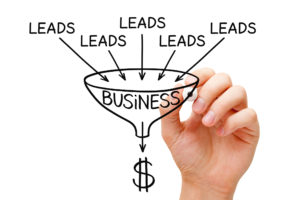
B2B SaaS buyers don’t usually convert after one touchpoint. They research. They compare. They involve other stakeholders. They read your documentation, check your integrations, review pricing logic, and look for proof that your platform will work in the real world.
That’s exactly why Inbound Marketing for B2B SaaS Companies works so well. It aligns with how people actually buy software.
Outbound tactics still have a place, of course. Cold outreach, paid campaigns, and account-based targeting can all contribute. But if those channels aren’t supported by useful content, organic visibility, and a clear buyer journey, they often become expensive ways to generate weak intent. Inbound gives your audience reasons to find you, trust you, and stay engaged.
For SaaS companies, the real value is that inbound scales credibility. A strong content library, optimized product pages, industry-specific landing pages, and relevant email sequences keep working long after they’re published. That creates a compounding asset base instead of a marketing program that resets every month.
How Long Sales Cycles And Multiple Stakeholders Shape Strategy
In SaaS, one buyer is rarely the whole buying team. A founder may care about speed. A department head may care about usability. IT may care about security and integrations. Finance will almost certainly care about contract structure and ROI.
So when we design B2B SaaS marketing programs, we don’t assume a single-message funnel will do the job. We build around the reality that different people need different proof.
That changes strategy in a few important ways:
- Content has to serve multiple roles. A top-of-funnel article might attract a problem-aware prospect, while a comparison page or implementation guide helps a later-stage evaluator.
- Messaging needs depth. Surface-level claims like “save time” or “boost productivity” don’t hold up in a serious buying process.
- Nurturing matters. If sales cycles stretch over weeks or months, staying relevant during that period becomes a competitive advantage.
- Trust signals are non-negotiable. Case studies, testimonials, use cases, security information, and technical documentation all influence deal momentum.
We’ve found that SaaS companies often underinvest in middle-of-funnel content. They create blog posts and product pages, but leave a gap between early interest and sales readiness. That gap is where a lot of pipeline quietly disappears.
Why Compounding Demand Matters More Than Short-Term Lead Volume
A spike in leads can look great in a report. But if those leads are low intent, wrong-fit, or unlikely to close, volume becomes a vanity metric.
For SaaS growth, compounding demand is usually more valuable than short-term bursts. By compounding demand, we mean building assets and channels that become more effective over time:
- SEO-driven content that ranks for high-intent searches
- Lead magnets that continue capturing qualified contacts
- Email nurture systems that warm prospects automatically
- Partner and affiliate marketing for SaaS that expands distribution through trusted networks
- Conversion improvements that increase returns from the same traffic base
This is one reason we take a hybrid approach at AGR Technology. We combine marketing execution with technology, analytics, and partnership-driven distribution so growth doesn’t rely on one channel behaving perfectly every month. That’s especially important for startups and software teams that need efficiency, not just activity.
The result is a more resilient pipeline. Instead of asking, “How do we get more clicks next week?” we ask, “How do we create a system that produces better-fit opportunities quarter after quarter?”
Build Your Inbound Strategy Around The B2B SaaS Buyer Journey
A lot of inbound programs fail for a simple reason: they’re built around what the company wants to say, not what the buyer needs to understand.
A strong strategy starts with the buyer journey. In B2B SaaS, that journey is rarely linear, but it still follows a recognizable pattern. Prospects first become aware of a problem, then explore approaches, then compare vendors, then evaluate risk. If your marketing doesn’t support those stages, prospects stall out or go elsewhere.
Define Ideal Customer Profiles And Buying Committee Needs
Before we create content or campaigns, we need clarity on who we’re trying to attract. That means defining ideal customer profiles, not just vague audience categories.
For example, “mid-market SaaS” is too broad. A better ICP includes details like:
- Industry or vertical
- Company size and growth stage
- Revenue range
- Existing tech stack
- Team structure
- Trigger events, such as scaling sales, entering a new market, or replacing legacy tools
Then we layer in buying committee roles. In many SaaS purchases, the end user isn’t the only decision-maker. We may need messaging for:
- Founders and executives focused on strategic value
- Marketing or ops leaders focused on implementation and workflow
- Technical stakeholders evaluating security, integrations, and data access
- Finance teams assessing pricing predictability and ROI
This level of definition sharpens everything else. It improves SaaS lead generation because we stop trying to appeal to everyone and start speaking directly to the people most likely to convert.
Map Content To Awareness, Consideration, And Decision Stages
Once buyer roles are clear, we map content to intent.
At the awareness stage, buyers are usually trying to understand a problem. They’re searching for terms like how to reduce churn, improve sales onboarding, centralize reporting, or automate manual workflows. Here, educational SEO content performs well because it meets early demand without pushing too hard.
At the consideration stage, buyers know the type of solution they need. They may be comparing categories, evaluating software approaches, or asking whether they need a point solution or a broader platform. Content here might include:
- Product use case pages
- Comparison guides
- Integration explainers
- ROI frameworks
- Webinars or expert-led guides
At the decision stage, they need confidence. This is where case studies, implementation details, pricing pages, security FAQs, trial pages, and demo-focused landing pages matter most.
The key is continuity. A buyer who lands on a top-of-funnel article should have a logical next step. Not a dead end. Not a generic “contact us” button dropped into every page regardless of context.
We usually recommend building content paths that move naturally from education to evaluation to action. That’s how inbound starts behaving like a revenue system instead of a publishing calendar.
Create Content That Attracts Qualified Pipeline
Not all traffic is useful traffic. For B2B SaaS, the goal isn’t simply to publish more content. It’s to create content that attracts the right visitors and moves them closer to a meaningful action.
That means your content strategy should be tied to pipeline quality, not just pageviews.
Prioritize High-Intent Topics, Product Use Cases, And Pain Points
The best-performing SaaS content often sits close to real buying intent. We’re talking about topics tied to urgent problems, operational bottlenecks, measurable outcomes, and category-level evaluation.
Examples include:
- Use-case content for specific industries or teams
- Pages targeting alternatives and comparisons
- Articles around implementation, migration, or integration concerns
- Content answering pricing, ROI, onboarding, or compliance questions
- Problem-aware searches linked to real pain, not vague inspiration
This doesn’t mean every article needs to be bottom-of-funnel. But it does mean we should be deliberate. A post that brings in 500 highly relevant visits from decision-makers is often worth more than one that brings 10,000 visits from students, job seekers, or totally unqualified readers.
When we work on Inbound Marketing for B2B SaaS Companies, we look for the overlap between search demand, commercial relevance, and product fit. That’s where content starts contributing to revenue.
Balance Thought Leadership, SEO Content, And Conversion Assets
There’s a common trap in B2B SaaS marketing: leaning too far in one direction.
Some brands publish only thought leadership. It sounds smart, but it often struggles to capture search demand or convert readers who need practical answers.
Others focus only on SEO content. That can grow traffic, but if the content lacks insight or strategic perspective, it feels interchangeable. And interchangeable content rarely wins trust in competitive SaaS markets.
The better approach is balance.
We like to think in three content layers:
- Thought leadership builds authority. This is where you share perspective, original analysis, category insights, and lessons from real implementation work.
- SEO content captures demand. These pages target the questions, problems, and solution-aware searches your buyers are already making.
- Conversion assets help prospects take the next step. Think case studies, calculators, templates, buyer guides, demo pages, and industry landing pages.
Each layer supports the others. Thought leadership makes the brand memorable. SEO content makes it discoverable. Conversion assets make it actionable.
At AGR Technology, we often combine these rather than treating them as separate tracks. A search-driven article can include original commentary. A thought leadership piece can link to a practical resource. A case study can support both nurture emails and sales conversations. That’s how content starts punching above its weight.
Turn Your Website Into A Conversion Engine
Getting traffic is only half the job. If your website doesn’t guide visitors toward the next logical step, even strong inbound performance will underdeliver.
For SaaS companies, the website should act like a conversion system, not a digital brochure. It needs to communicate value fast, reduce friction, and help different types of buyers self-select into the right path.
Design Landing Pages, Calls To Action, And Lead Magnets For SaaS Buyers
SaaS buyers are skeptical by nature, and honestly, they should be. They’ve seen bold claims before. So your landing pages need clarity more than cleverness.
That means:
- A headline focused on the problem solved or outcome delivered
- Supporting copy that explains who the solution is for
- Proof points such as client logos, testimonials, metrics, or use cases
- A CTA that matches buyer intent
- Minimal distractions and a layout built around one action
Lead magnets should also reflect real buying context. Generic ebooks rarely outperform practical assets anymore. What tends to work better includes:
- Templates
n- Checklists
- Benchmarks
- ROI calculators
- Implementation guides
- Industry-specific playbooks
And the CTA matters more than many teams think. “Download now” is functional, but weak. “See how SaaS teams reduce onboarding friction” or “Get the B2B SaaS lead qualification template” is more specific and more compelling.
Improve Demo Requests, Free Trials, And Contact Form Conversion Rates
For many B2B SaaS businesses, demo requests and free trials are the core conversion goals. But these pages often ask too much, too early, or create unnecessary hesitation.
A few practical ways we improve performance:
- Reduce form friction. Ask only for what’s needed at this stage.
- Clarify the outcome. Tell people what happens after they submit.
- Match the offer to buying stage. Not everyone wants a sales call: some want to explore first.
- Add reassurance. Mention setup expectations, trial terms, or response times.
- Test page structure. Sometimes a shorter page converts better. Sometimes more detail removes objections.
We also pay close attention to message match. If someone clicks through from an ad or article about a specific use case, the landing page should continue that conversation. Sending all traffic to one generic demo page wastes intent.
This is where conversion optimization becomes a serious growth lever. Small lifts in form completion, trial starts, or booked calls can materially improve acquisition efficiency. In other words, you don’t always need more traffic. Sometimes you need your current traffic to work harder.
Use SEO, Email, And Automation To Nurture Demand
Inbound doesn’t stop when someone visits your site. In many B2B SaaS journeys, the first visit is just the beginning. Buyers may come back several times, consume multiple assets, and only convert when timing, budget, and internal alignment all come together.
That’s why SEO, email, and automation work best as a connected system.
Build Organic Visibility For Problem-Aware And Solution-Aware Searches
SEO remains one of the highest-leverage SaaS growth strategies because it captures intent already in motion. But effective SaaS SEO isn’t about publishing generic blogs on broad topics. It’s about aligning pages to the searches that reflect real commercial value.
We usually separate search opportunities into two broad groups:
- Problem-aware searches: queries from buyers who feel the pain but may not know the category yet
- Solution-aware searches: queries from buyers comparing approaches, vendors, features, or outcomes
You need both.
Problem-aware content expands top-of-funnel reach and helps introduce your category. Solution-aware content moves closer to pipeline by meeting buyers who are already evaluating options.
Strong organic programs also require technical discipline: site structure, internal linking, page speed, indexation, schema where appropriate, and consistent content refreshing. Great ideas buried in a poorly optimized site don’t perform as well as they should.
At AGR Technology, our wider background in SEO, software, and automation helps here. We’re not looking only at rankings in isolation. We’re looking at how search visibility connects to lead capture, qualification, and long-term revenue contribution.
Segment Leads And Automate Follow-Up Without Losing Relevance
Email automation gets a bad reputation when it’s lazy. And fair enough. Nobody wants a generic drip campaign that feels like it was written for everyone and no one.
But when segmentation is thoughtful, automation becomes one of the most efficient parts of a B2B SaaS marketing system.
Useful segmentation criteria can include:
- Source channel
- Industry
- Company size
- Product interest
- Lifecycle stage
- Level of engagement
- Behavior, such as visiting pricing or integration pages
From there, we can build sequences that actually fit buyer intent. A founder researching growth reporting doesn’t need the same follow-up as an operations leader requesting a demo for workflow automation.
Good nurture flows usually do a few things well:
- Deliver genuinely useful content
- Reinforce positioning and proof
- Answer objections progressively
- Offer the next step at the right time
- Alert sales when engagement signals become meaningful
This balance matters. Too much automation and the experience feels robotic. Too little and leads go cold while your team is busy elsewhere. The sweet spot is relevance at scale. That’s where automation helps you stay responsive without sacrificing substance.
Measure What Matters And Improve Over Time
One of the fastest ways to waste budget in inbound marketing is to measure the wrong things. Traffic alone isn’t enough. Lead counts alone aren’t enough either. For B2B SaaS, we need to understand whether marketing is influencing qualified pipeline and revenue, not just activity.
Track Traffic Quality, Conversion Rates, Pipeline, CAC, And Revenue Impact
The healthiest reporting frameworks connect early indicators to business outcomes.
That usually means tracking:
- Organic and referral traffic quality
- Conversion rates by page, offer, and channel
- Demo requests, trial starts, and lead-to-opportunity rates
- Sales accepted leads and pipeline contribution
- Customer acquisition cost
- Payback period and revenue impact
- Retention or expansion indicators where possible
We also look at fit. A campaign that produces fewer leads but stronger opportunities may be outperforming a higher-volume campaign with poor close rates.
This is especially important for founders and software teams trying to make sensible growth decisions. If reporting stops at MQLs, it’s easy to overinvest in channels that look productive but don’t produce customers.
Use Testing And Attribution To Refine Your Inbound Program
Inbound success is rarely the result of one brilliant page or one campaign that magically works forever. It’s usually the outcome of consistent refinement.
We use testing to improve:
- Headlines and page structure
- CTAs and offer positioning
- Form length and field order
- Email subject lines and send timing
- Content formats and internal linking paths
- Channel mix and audience targeting
Attribution matters too, though it should be approached pragmatically. In B2B SaaS, conversion paths are messy. A buyer may discover you via search, return from LinkedIn, join an email list, attend a webinar, and book a demo weeks later. Last-click reporting won’t tell that story properly.
So we recommend using attribution as a decision-support tool, not a source of false certainty. The goal is to understand influence patterns well enough to invest more intelligently.
Over time, this is where strong inbound programs separate themselves. They don’t just launch. They learn.
Common Mistakes B2B SaaS Companies Should Avoid
Even good teams make avoidable mistakes with inbound. Usually, it’s not because they don’t care. It’s because they’re moving fast, wearing too many hats, or trying to force enterprise-style marketing into a startup reality.
The most common issues we see include:
- Targeting too broadly. If your messaging tries to speak to every possible buyer, it won’t resonate deeply with the right ones.
- Creating content without intent. Publishing for the sake of consistency is not the same as building a strategy.
- Ignoring middle-of-funnel content. This is a huge one. Buyers need evaluation content, not just blog posts and product pages.
- Treating SEO as a side task. Organic visibility requires structure, patience, and ongoing optimization.
- Sending all traffic to generic pages. Message match matters. Context drives conversion.
- Over-automating nurture. Automation should increase relevance, not flatten it.
- Measuring vanity metrics. High traffic with low-fit leads is not a win.
- Expecting instant results. Inbound compounds, but it does take time. The payoff comes from consistency and refinement.
Another mistake, frankly, is trying to manage everything internally when the team doesn’t have the time or specialization to do it well. For many SaaS companies, product execution already consumes most of the leadership bandwidth. Partnering with an experienced team can be the difference between sporadic marketing activity and a sustainable growth engine.
That’s where AGR Technology fits. We bring together managed marketing services, technical capability, analytics, and partnership-driven growth support so software companies can scale without building every function from scratch.
Conclusion
Inbound Marketing for B2B SaaS Companies works because it matches the way modern software buyers evaluate risk, build trust, and make decisions. It helps you attract people who are already searching for answers, guide them with useful content, and convert them through smarter journeys, stronger pages, and better follow-up.
For startup founders and software teams, the opportunity is bigger than lead generation alone. A well-built inbound program strengthens positioning, improves efficiency, and creates assets that compound over time. Done properly, it supports both near-term pipeline and long-term brand authority.
At AGR Technology, we help SaaS companies build that kind of system through a hybrid model that combines strategy, execution, technology, and partnership opportunities. If you want a more reliable way to grow qualified demand without pulling focus from product and operations, we’re ready to help.
Book a Free SaaS Growth Consultation and let’s talk about how to turn your inbound program into a practical engine for SaaS growth.
Frequently Asked Questions
What is inbound marketing for B2B SaaS companies?
Inbound marketing for B2B SaaS companies is a growth approach focused on attracting high-fit buyers through SEO, useful content, conversion-focused pages, email nurture, and automation. Instead of relying only on outbound outreach, it helps software buyers discover, trust, and evaluate your solution over time.
Why does inbound marketing for B2B SaaS companies work so well?
It works because B2B SaaS buyers rarely convert after one touchpoint. They research problems, compare vendors, review pricing, check integrations, and involve multiple stakeholders. Inbound marketing supports that journey with relevant content, trust signals, and logical next steps that move buyers toward qualified pipeline.
How should B2B SaaS companies map content to the buyer journey?
B2B SaaS companies should align content with awareness, consideration, and decision stages. Early-stage content educates around problems, mid-funnel assets help buyers compare approaches, and decision-stage pages provide proof through case studies, pricing details, security information, demos, and implementation guidance.
What content drives the best inbound marketing results for B2B SaaS companies?
The strongest results usually come from high-intent content tied to real pain points and buying decisions. Examples include use-case pages, comparison guides, integration explainers, ROI frameworks, implementation content, and industry landing pages. These assets attract more qualified traffic than broad topics with weak commercial relevance.
How long does inbound marketing for B2B SaaS companies take to show results?
Inbound marketing for B2B SaaS companies usually takes time because it builds compounding assets rather than instant spikes. Early gains may appear within a few months through content, SEO, and conversion improvements, but stronger pipeline and revenue impact often come from consistent execution over six to twelve months.
Can inbound marketing work without paid ads for a B2B SaaS company?
Yes, but results may build more slowly. A B2B SaaS company can generate demand through SEO, content, email nurture, partnerships, and conversion optimization alone. Paid ads can accelerate visibility, but inbound can still perform well when the website, messaging, and follow-up system are built around buyer intent.
Other content:
Lead Generation Services Agency
Branded & Sponsored Content Agency
Brand Mentions Service For SEO And AI Visibility
SaaS & Technology Press Release Distribution Services
Digital Marketing Services for B2B SaaS Companies
Digital PR Services for SaaS & Technology Brands
Personal Brand PR for Founders: Building Your Public Presence
Enterprise Search Market Domination

Alessio Rigoli is the founder of AGR Technology and got his start working in the IT space originally in Education and then in the private sector helping businesses in various industries. Alessio maintains the blog and is interested in a number of different topics emerging and current such as Digital marketing, Software development, Cryptocurrency/Blockchain, Cyber security, Linux and more.
Alessio Rigoli, AGR Technology