![logo-new-23[1]](https://agrtech.com.au/wp-content/uploads/elementor/thumbs/logo-new-231-qad2sqbr9f0wlvza81xod18hkirbk9apc0elfhpco4.png "logo-new-23[1]")

Running a hotel or accommodation business today means competing not just with the property across the road, but with OTAs, metasearch, and big brands all bidding on the same guests.
When travellers search “hotel near me” or your brand name, what they see on Google often decides whether they book direct with you or go through a commission-heavy third party.
That’s where a well-structured Google Ads strategy comes in. In this guide, we’ll walk through how we at AGR Technology approach Google Ads for hotels to drive more direct bookings, reduce OTA dependency, and keep your rooms filled at a profitable cost per booking.
If you want expert help to set this up or fix an underperforming account, we can manage the full process for you, from strategy to tracking and optimisation.
Book a free consultation call with AGR Technology to see how we can help scale your brand with proven online marketing strategies
Reviews from some of our happy customers:

Justine Brummans
Alessio is both incredibly knowledgeable and personable! He gave me great advice that was catered to me and my situation. Thank you Alessio! Super helpful!

Springfield Equestrian Park
Alessio is amazing! I can not speak highly enough of how helpful and knowledgeable he is, my website he created far exceeded my expectations, he is so accomodating and I can only wish him every success with his business. I rate AGR technology 10 out of 10.
Legacy Energy
We used AGR Technology and dealt with Alessio to design and build our website as well as host our emails. Alessio was a pleasure to deal with and had plenty of ideas that we could implement into our site. He has a great attention to detail, he is also very polite in understanding our goals and what we wanted to achieve with our website.
Thanks mate,
Alex & Rob
Excellent Service
Alessio developed our website for our business and has done a wonderful job. He is very personable and knowledgeable. We have enjoyed working with him. We will be referring others to him and highly recommend him to those who need Tech advice.
MRC Performance
I have been in business for over 10 Years and recently moved to AGR Technology for all our IT needs. They are able to fix nearly anything remotely and always very helpful in recommending appropriate hardware upgrades that do the job as required but not costing more than needed.

Alessio provided an excellent service. He was very dedicated in his method of finding solutions to problems. He continued to try different avenues until he found the reason as to why a particular application was not working. He was very knowledgeable in his understanding of the internet and of applications and how they work, and he was able to apply this knowledge in understanding how to resolve the obstacles that continued to appear. He is understanding towards his client's needs and goals and he is willing to work with his client in achieving those goals. He is a very polite and well mannered person and very calm and gentle in his approach. I would highly recommend Alessio's services to anyone.

Palmira Rigoli
Great work ethics Alessio! We at Totally Gluten Free Products are very happy to have you on board as our IT and SEO master. Very reliable, trustworthy and knowledgeable in the field.
YouTube Comment
Nat's Custom Designs
Alessio from AGR Technology has recently helped me create a website for my business.
Throughout the whole process from start to finish Alessio made the process easy for me, by calling me and explaining each step of the way. I'm not very computer savvy, but with Alessio taking the time to explain in detail everything I needed to know from putting inventory in to having it shipped. He even remotely joined my computer to help guide me through everything.
He's very knowledgeable and is experienced in everything I needed and if there was anything else I needed to know that wasn't something he was familiar with, he researched it.
I would HIGHLY recommend Alessio to anyone. He has not only helped me for now but I know that if I ever needed help with anything else he would definitely go above and beyond to help. Thank you so much for everything you have done. It's been a long process but well worth it 🙂
Byron Macumber
AGR Technology is amazing. not only do they stick with you through out the process, they also accommodate to your wants and needs. They are efficient in their work and they have high integrity. Their capabilities are shown through their website design, and appropriate knowledge of utilities regarding software. over the many years of working with them they have been fantastic. I would recommend to everyone
Very helpful
Alessio was thorough, diligent and kept me updated at all time points. I was very impressed with his performance, passion and dedication. I will continue to use his services.
Wantrup & Associates
Alessio of AGR Technology is an IT guy we rely on whenever we need IT help. His professionalism impressed us right at the first time. He solved many of our IT problems in no time. Excellent communication and speedy response.
We highly recommend this company
From a happy customer
Valeria Bianco
I received AGR contact information from a previous client, who had found their service excellent. So I contacted AGR with some expectations, and I can say they exceeded them. Professional, honest, punctual, reliable, their service is faultless. We can't recommend them highly enough.
Very fast, value for money and a comprehensive service
AGR is professional, organised and very skilled at what they do. They take the initiative, looking after all the details that you would not have thought of to enhance your website presence, marketing funnel and automated appointment bookings. Big bonus - pricings are at a fraction of the cost of competitors.
Customer testimonial
Alessio from AGR Technology is wonderful at gently guiding the less technically savvy users to solve problems. Back up service excellent. Highly recommended
SEO for website
The team is very cooperative and delivers clean and very efficient work.

Raimond Volpe
Nothing but good things to say about Alessio. He has been great service and great at communicating with me by both phone and email. Very good knowledge and problem-solving ability with our web development. I would thoroughly recommend Alessio and AGR Technology to anyone wanting online marketing or web development
Website design
Big thank you to Alessio at AGR Technology for a smooth and easy website development process. Nothing was to difficult to accomplish, I can highly recommend his first class service.
Supporting businesses of all sizes to get ahead with digital solutions





Why work with us?





Why Google Ads Matter So Much for Hotels Today
Google is often the first and last stop for travellers:
- They search for destinations and dates.
- They compare prices and reviews.
- They click what looks safest, fastest, and best value.
If your hotel doesn’t appear prominently, especially for your own brand name, you’re handing business to OTAs or competitors.
Why hotels can’t ignore Google Ads:
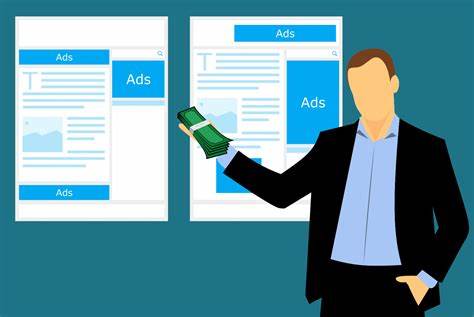
- Protect your brand name. Booking.com, Expedia and others regularly bid on hotel brand terms. If you’re not running brand campaigns, you can end up paying commissions for guests who were already looking for you.
- Capture high-intent search traffic. People searching “hotel in [suburb] tonight”, “family accommodation near [landmark]” or “pet friendly hotel [city]” are ready to book. Google Ads gets you in front of them at that exact moment.
- Control your message and offer. Unlike OTAs, your ads can highlight direct-booking perks: free parking, late checkout, loyalty benefits, or “best price direct” guarantees.
- Flexible and measurable. We can track bookings, revenue, and cost per acquisition (CPA) and adjust spend by season, day of week, and performance.
Done properly, Google Ads becomes a core channel for predictable, direct revenue, not just “more clicks.” At AGR Technology, we focus on the actual business metrics that matter: occupancy, average daily rate (ADR), and cost per booking.
Understanding How Travelers Use Google During Trip Planning
To run effective hotel campaigns, we need to align with how travellers search and decide.
Most journeys follow stages like:
- Inspiration & research
Queries like “best beach destinations”, “weekend trips near [city]”, “things to do in [region]”. This is where Display and YouTube can start building awareness of your brand.
- Shortlisting locations & properties
Searches narrow to “hotels in [city]”, “boutique hotel [suburb]”, “family accommodation near [attraction]”. Here, Search and Performance Max campaigns work well.
- Comparison & trust check
Users look at Google Reviews, OTAs, and metasearch. They compare rates, cancellation policies, photos, and room types.
- Booking decision
Brand and long-tail searches like “[hotel name]”, “[hotel name] booking”, “parking at [hotel name]”, “direct booking discount [hotel name]”. This is where strong brand and remarketing campaigns push them to book direct.
- Last-minute changes
“Hotel near me tonight”, “same day hotel deals”. Mobile-heavy, short-notice bookings that rely on strong local and device-specific strategies.
When we build a Google Ads strategy for hotels, we map campaigns to these stages so you’re visible from first search all the way to the final booking.
Choosing the Right Google Ads Campaign Types for Hotels
Not every campaign type suits every hotel. We usually combine a few, based on your goals, location, and budget.
Search Campaigns: Capturing High-Intent Guests
Search campaigns are our base layer for most hotels.
We use them to:
- Protect your brand name from OTAs and competitors.
- Target high-intent local keywords like “hotel near [landmark]”, “accommodation [suburb]”, or “airport hotel with parking”.
- Show strong ad copy and extensions that highlight direct-booking benefits.
Well-structured search campaigns give you control over bids, keywords, and messaging, which is vital in competitive hotel markets.
Performance Max and Hotel Campaigns: Leveraging Automation
Performance Max (including Google’s hotel-specific formats where available) uses Google’s automation to show your ads across:
- Search
- Maps
- YouTube
- Display
- Discover
- Gmail
For hotels, this is powerful when:
- You have good conversion tracking in place (e.g. bookings, enquiries, phone calls).
- Your feed (room types, prices, availability) is set up correctly.
- You want Google to find new audiences likely to book, beyond just keyword searches.
At AGR Technology, we often run Performance Max alongside manual search. We monitor cost per booking and ROAS closely and keep tight control over brand terms to avoid paying more for traffic you’d get anyway.
Display and YouTube: Building Brand Awareness and Retargeting
Display and YouTube aren’t about volume bookings on their own. They help:
- Keep your hotel top of mind when travellers are browsing other sites or watching videos.
- Retarget visitors who checked dates and prices but didn’t finish booking.
- Promote seasonal deals, events, or packages.
We keep these campaigns tightly segmented. For many hotels, we:
- Focus Display and YouTube on remarketing and high-intent audiences.
- Use strong creative, room visuals, pool and restaurant shots, proximity to key attractions.
- Cap frequency so we stay present without annoying users.
Structuring Your Hotel Google Ads Account for Success
How your account is structured has a huge impact on performance. A messy setup wastes budget and makes optimisation guesswork.
Campaign and Ad Group Structure for Multi-Property or Single Hotels
For single hotels, we usually separate campaigns by:
- Brand vs non-brand (protect your name versus find new guests)
- Intent or theme, such as:
- Generic location (e.g. “hotel in [city]”)
- Purpose-based (e.g. “conference venue [city]”, “wedding venue [hotel]”)
- Room or package type (e.g. “spa hotel [city]”, “family rooms [city]”)
For multi-property groups, we:
- Create separate campaigns per property, so budgets and reporting stay clean.
- Use consistent naming conventions for easy comparison.
- Build shared negative lists to prevent properties from bidding against each other.
This structure helps us control spend by property, measure cost per booking, and scale what works.
Geo Targeting and Device Targeting for Hotel Guests
Where and how we show your ads matters.
We typically:
- Target by country, state, or city depending on your catchment area and where guests travel from.
- Use radius targeting around key locations (CBD, airports, attractions) for local and last-minute stays.
- Bid more aggressively on mobile devices, especially for “near me” and same-day searches.
- Adjust bids by time of day and day of week to match booking patterns.
At AGR Technology, we review location and device reports regularly. If we see that certain regions or devices never convert, we reduce or exclude them to protect your budget.
Keyword Strategy for Hotels: From Brand to Local Intent
A strong keyword strategy is the backbone of profitable hotel Google Ads.
Must-Have Branded and Competitor Keywords
We almost always start with:
- Your hotel name + variations and common misspellings.
- Brand + location (e.g. “[hotel name] [city]”).
- Brand + terms like “booking”, “contact”, “phone number”, “parking”.
Branded campaigns usually deliver the lowest cost per booking and protect you from OTAs.
Competitor keywords can work, but we use them carefully:
- Bidding on nearby hotels or similar properties can win some bookings.
- Costs per click are often higher and conversion rates lower.
- We make sure ad copy is compliant (no using competitor trademarks) and clearly highlights your unique value.
High-Intent Non-Brand and Long-Tail Keywords
Non-brand and long-tail keywords help you reach new guests who don’t yet know your hotel.
We often use:
- “hotel in [city/suburb]”
- “accommodation near [landmark/hospital/university/event]”
- “family hotel [city]”
- “pet friendly accommodation [city]”
- “luxury hotel [suburb]”
- “cheap hotel [city] tonight”
Long-tail queries like “hotel near [venue] with free parking” may have lower volume but can convert very well. We build tightly themed ad groups so ad copy and landing pages match the search.
Negative Keywords to Protect Your Budget
Negative keywords stop your ads showing on irrelevant searches and save money. For hotels, we often exclude:
- “jobs”, “career”, “work at”, “training”
- “for sale”, “real estate”, “buy hotel”
- unrelated locations (cities or countries you don’t serve)
- “hostel” or “backpacker” if that’s not your market
We also build negative lists from real search term data over time. At AGR Technology we treat this as an ongoing process, not a one-off setup.
Creating High-Converting Hotel Ad Copy and Assets
Good keywords and bids won’t help if the ads themselves don’t persuade people to click and book.
Writing Irresistible Headlines and Descriptions
For hotel ads, we focus on:
- Clear value: “Book Direct & Save 10%”, “Free Parking & Wi-Fi”, “Flexible Cancellation”.
- Location clarity: Mention the suburb, nearby landmarks, or distances (e.g. “5 mins from CBD”).
- Social proof: “4.6★ on Google Reviews”, “Award-Winning Boutique Hotel”.
- Urgency where relevant: “Limited Weekend Availability”, “Early Bird Rates On Now”.
We write multiple variations and let data show which headlines and descriptions actually lead to bookings, not just clicks.
Using Ad Extensions to Showcase Rooms, Amenities, and Offers
Extensions (now “assets” in Google Ads) are essential for hotels. We use:
- Sitelinks to deep-link to Rooms, Special Offers, Restaurant, Events, or Parking info.
- Callouts for perks: “Free Wi-Fi”, “Onsite Parking”, “Pool & Gym”, “24/7 Reception”.
- Structured snippets for amenities or neighbourhoods (e.g. “Amenities: Pool, Spa, Restaurant, Bar”).
- Call extensions so mobile users can tap to call straight from the ad.
- Image assets showing real room photos and key facilities.
These improve click-through rate and help guests understand what makes your property worth booking direct.
If you’d like us to review your current ads, we can provide a practical rewrite focused on direct bookings and lower CPA.
Landing Pages That Turn Clicks Into Confirmed Stays
Sending ad traffic to a generic homepage or a slow booking engine is one of the biggest leaks we see.
Essential Elements of a Hotel Booking Landing Page
A strong hotel landing page should have:
- Fast load speed, especially on mobile.
- Clear dates and availability above the fold, ideally with a visible booking widget.
- Consistent pricing with OTAs or a clear “best rate direct” message.
- Strong hero visuals of rooms and key amenities.
- Trust signals: Google rating, guest reviews, awards, and security badges for payments.
- Simple navigation with minimal distractions away from booking.
We also recommend sticky “Book Now” buttons on mobile and easy access to phone numbers for guests who prefer to call.
Aligning Offers, Pricing, and Messaging With Your Ads
For Google Ads to convert, your landing page must match what the ad promises:
- If the ad promotes a weekend package, the landing page should lead with that package.
- If you highlight “free parking”, make sure it’s clearly explained, not hidden in fine print.
- If the ad mentions “10% off direct bookings”, show that offer and how to claim it.
At AGR Technology, we often collaborate with your web or booking engine provider to tighten this alignment. Small changes here can significantly increase conversion rates and drop your cost per booking.
Budgeting, Bidding, and Measuring ROI for Hotel Google Ads
Google Ads for hotels should be managed like an investment, not an expense. The key is to link spend to revenue and profit.
Setting Smart Daily Budgets and Bid Strategies
We normally start with budgets based on:
- Your average booking value (room rate × average stay length).
- Target cost per booking (e.g. staying under OTA commission levels).
- Seasonality, higher budgets in peak search periods, leaner in low season.
For bidding, we often use:
- Manual CPC or enhanced CPC early on for tight control and data collection.
- Target CPA or Target ROAS once we have enough conversion data to let automation work effectively.
We split budget across brand, non-brand, and Performance Max so you’re not overpaying for brand clicks while starving new guest acquisition.
Tracking Conversions and Calculating Cost per Booking
Accurate tracking is non-negotiable. We set up:
- Conversion tracking in Google Ads and Google Analytics.
- Booking value tracking where possible, so we can see revenue, not just bookings.
- Phone call tracking from ads and key landing pages.
This lets us calculate:
- Cost per booking (CPA).
- Return on ad spend (ROAS).
- Revenue by campaign, ad group, and keyword.
If your booking engine makes tracking tricky, we can work with your provider to carry out reliable solutions.
Key Metrics to Monitor and Optimize Over Time
Once campaigns are live, we review regularly:
- Impression share on key brand and high-intent terms.
- Click-through rate (CTR) to gauge relevance and ad strength.
- Conversion rate and CPA per campaign, device, and location.
- Search term reports to find new keyword opportunities and negatives.
- Booking value and ROAS to confirm we’re hitting your revenue targets.
We use these insights to adjust bids, budgets, keywords, and landing pages. Over time, this turns Google Ads into a predictable, scalable channel for your hotel.
Conclusion
Google Ads for hotels isn’t about chasing clicks, it’s about winning more profitable direct bookings and reducing your reliance on OTAs.
When you combine the right campaign types, smart keyword strategy, persuasive ad copy, and properly tracked landing pages, Google becomes a reliable source of high-intent guests who are ready to stay.
At AGR Technology, we specialise in building and managing Google Ads campaigns for hotels and accommodation providers that are focused on:
- Lower cost per booking than OTA commissions
- Strong occupancy across seasons
- Clear, transparent reporting you can actually use
If you’d like help setting up a new account, fixing an underperforming one, or simply understanding whether your current agency is delivering value, we’re happy to take a look.
Next step:
Contact us to organise a free, no-obligation review of your current Google Ads and booking funnel. We’ll show you where you’re leaving bookings on the table and how we can help you turn more searches into confirmed stays.
Frequently Asked Questions
What is the main benefit of using Google Ads for hotels instead of relying on OTAs?
Google Ads for hotels lets you capture high-intent guests directly when they search for your brand, location, or nearby landmarks. By winning those clicks, you reduce OTA commissions, control your messaging and offers, and keep more revenue per booking while protecting your brand name from competitors and OTAs bidding on it.
How should a hotel structure its Google Ads campaigns for best results?
Most hotels perform best by separating campaigns into brand vs non-brand, and then grouping ad groups by themes such as location, purpose (wedding or conference), and room or package types. Multi-property groups should use separate campaigns per property, shared negative lists, and clear naming for clean reporting and budget control.
Which Google Ads campaign types work best for hotels at different booking stages?
Search and Performance Max campaigns excel when travelers shortlist locations or are ready to book, capturing high-intent searches like “hotel near [landmark].” Display and YouTube shine for awareness and retargeting, reminding visitors about your property and offers. A balanced mix keeps you visible from early research through last-minute “hotel near me tonight” searches.
How can hotels improve conversion rates from Google Ads traffic?
Hotels can improve conversion rates by sending ad traffic to fast, mobile-friendly landing pages with a visible booking widget, consistent pricing versus OTAs, and clear direct-booking perks. Strong room visuals, trust signals like Google ratings, and clear calls to action—such as sticky “Book Now” buttons—help turn clicks into confirmed stays.
What budget should I start with for Google Ads for hotels?
A practical starting budget is based on your average booking value and target cost per booking, usually below your typical OTA commission percentage. Begin with enough daily budget to generate statistically useful clicks, then adjust seasonally. As data grows, you can shift from manual bids to Target CPA or ROAS to scale efficiently.
Can small independent hotels compete with big brands on Google Ads?
Yes. Small hotels can compete by focusing on tightly targeted local keywords, strong geo and device targeting, and highly relevant ad copy that emphasizes unique perks or experiences. Protecting your brand terms, using long-tail searches like “boutique hotel near [attraction],” and optimizing landing pages often delivers strong results even with modest budgets.
Other resources:
Digital Marketing for Luxury Hotels
Travel Mobile App Development Services
Digital Marketing for Tourism: Strategies to Attract and Convert Modern Travelers
Facebook / Meta Ads Management Agency

Alessio Rigoli is the founder of AGR Technology and got his start working in the IT space originally in Education and then in the private sector helping businesses in various industries. Alessio maintains the blog and is interested in a number of different topics emerging and current such as Digital marketing, Software development, Cryptocurrency/Blockchain, Cyber security, Linux and more.
Alessio Rigoli, AGR Technology