![logo-new-23[1]](https://agrtech.com.au/wp-content/uploads/elementor/thumbs/logo-new-231-qad2sqbr9f0wlvza81xod18hkirbk9apc0elfhpco4.png "logo-new-23[1]")

Google Ads can be a powerful source of high‑quality leads for commercial real estate – if it’s set up properly. But for most agencies, brokers, and owners, it feels risky to pour money into clicks without knowing what’s working.
We get it. In CRE, margins are tight, deal cycles are long, and you can’t afford to waste ad spend on tyre‑kickers.
In this practical guide, we walk through how we at AGR Technology approach Google Ads for commercial real estate – from strategy and campaign structure to landing pages and tracking. If you’re looking to use Google Ads to win more listings, attract serious tenants, or bring in investors, this is for you.
Along the way, we’ll show you where a specialised Google Ads team like ours can plug in so you’re not guessing with your marketing budget.
Book a free consultation call with AGR Technology to see how we can help scale your brand with proven online marketing strategies
Reviews from some of our happy customers:

Justine Brummans
Alessio is both incredibly knowledgeable and personable! He gave me great advice that was catered to me and my situation. Thank you Alessio! Super helpful!

Springfield Equestrian Park
Alessio is amazing! I can not speak highly enough of how helpful and knowledgeable he is, my website he created far exceeded my expectations, he is so accomodating and I can only wish him every success with his business. I rate AGR technology 10 out of 10.
Legacy Energy
We used AGR Technology and dealt with Alessio to design and build our website as well as host our emails. Alessio was a pleasure to deal with and had plenty of ideas that we could implement into our site. He has a great attention to detail, he is also very polite in understanding our goals and what we wanted to achieve with our website.
Thanks mate,
Alex & Rob
Excellent Service
Alessio developed our website for our business and has done a wonderful job. He is very personable and knowledgeable. We have enjoyed working with him. We will be referring others to him and highly recommend him to those who need Tech advice.
MRC Performance
I have been in business for over 10 Years and recently moved to AGR Technology for all our IT needs. They are able to fix nearly anything remotely and always very helpful in recommending appropriate hardware upgrades that do the job as required but not costing more than needed.

Alessio provided an excellent service. He was very dedicated in his method of finding solutions to problems. He continued to try different avenues until he found the reason as to why a particular application was not working. He was very knowledgeable in his understanding of the internet and of applications and how they work, and he was able to apply this knowledge in understanding how to resolve the obstacles that continued to appear. He is understanding towards his client's needs and goals and he is willing to work with his client in achieving those goals. He is a very polite and well mannered person and very calm and gentle in his approach. I would highly recommend Alessio's services to anyone.

Palmira Rigoli
Great work ethics Alessio! We at Totally Gluten Free Products are very happy to have you on board as our IT and SEO master. Very reliable, trustworthy and knowledgeable in the field.
YouTube Comment
Nat's Custom Designs
Alessio from AGR Technology has recently helped me create a website for my business.
Throughout the whole process from start to finish Alessio made the process easy for me, by calling me and explaining each step of the way. I'm not very computer savvy, but with Alessio taking the time to explain in detail everything I needed to know from putting inventory in to having it shipped. He even remotely joined my computer to help guide me through everything.
He's very knowledgeable and is experienced in everything I needed and if there was anything else I needed to know that wasn't something he was familiar with, he researched it.
I would HIGHLY recommend Alessio to anyone. He has not only helped me for now but I know that if I ever needed help with anything else he would definitely go above and beyond to help. Thank you so much for everything you have done. It's been a long process but well worth it 🙂
Byron Macumber
AGR Technology is amazing. not only do they stick with you through out the process, they also accommodate to your wants and needs. They are efficient in their work and they have high integrity. Their capabilities are shown through their website design, and appropriate knowledge of utilities regarding software. over the many years of working with them they have been fantastic. I would recommend to everyone
Very helpful
Alessio was thorough, diligent and kept me updated at all time points. I was very impressed with his performance, passion and dedication. I will continue to use his services.
Wantrup & Associates
Alessio of AGR Technology is an IT guy we rely on whenever we need IT help. His professionalism impressed us right at the first time. He solved many of our IT problems in no time. Excellent communication and speedy response.
We highly recommend this company
From a happy customer
Valeria Bianco
I received AGR contact information from a previous client, who had found their service excellent. So I contacted AGR with some expectations, and I can say they exceeded them. Professional, honest, punctual, reliable, their service is faultless. We can't recommend them highly enough.
Very fast, value for money and a comprehensive service
AGR is professional, organised and very skilled at what they do. They take the initiative, looking after all the details that you would not have thought of to enhance your website presence, marketing funnel and automated appointment bookings. Big bonus - pricings are at a fraction of the cost of competitors.
Customer testimonial
Alessio from AGR Technology is wonderful at gently guiding the less technically savvy users to solve problems. Back up service excellent. Highly recommended
SEO for website
The team is very cooperative and delivers clean and very efficient work.

Raimond Volpe
Nothing but good things to say about Alessio. He has been great service and great at communicating with me by both phone and email. Very good knowledge and problem-solving ability with our web development. I would thoroughly recommend Alessio and AGR Technology to anyone wanting online marketing or web development
Website design
Big thank you to Alessio at AGR Technology for a smooth and easy website development process. Nothing was to difficult to accomplish, I can highly recommend his first class service.
Supporting businesses of all sizes to get ahead with digital solutions











Why work with us?




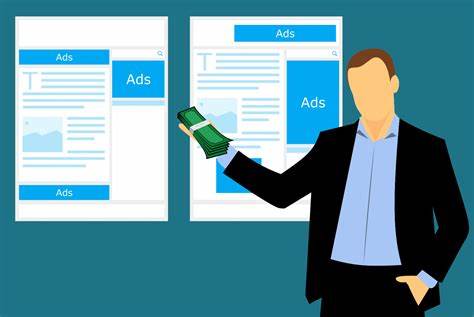

Why Google Ads Matters For Commercial Real Estate Today

Commercial real estate buyers, tenants, and investors start online. Even when deals are relationship‑driven, the first touchpoint is often a search like:
- “office space for lease near me”
- “industrial warehouse for sale”
- “commercial property management [city]”
Google Ads lets us put your business right in front of these high‑intent searches at the exact moment people are shortlisting options.
For CRE, that means we can:
- Fill pipelines predictably instead of waiting on referrals alone.
- Target specific asset types and locations rather than generic traffic.
- Track which campaigns lead to inspections, proposals, and signed deals.
Organic SEO is important, but it takes time. With Google Ads we can test messages, offers, and locations quickly, then use those insights to inform your broader marketing. When done properly, it becomes a measurable, repeatable channel for:
- New leasing and sales enquiries
- Landlord and vendor leads
- Investor registrations and expression of interest (EOI) forms
At AGR Technology, our job is to make your Google Ads spend act less like a cost and more like a controllable lever for new business.
Clarifying Your Commercial Real Estate Google Ads Strategy

Before we touch campaigns, we get clear on what you actually want Google Ads to achieve.
Defining Your Ideal Prospects And Deal Types
Different commercial deals require very different targeting and messaging. We work with you to define:
- Asset types – office, retail, industrial, medical, development sites, mixed‑use, self‑storage, etc.
- Audience segments – owner‑occupiers, passive investors, institutional buyers, tenants, landlords, developers.
- Ticket sizes and priorities – are we chasing volume (e.g. smaller leases) or a handful of high‑value transactions?
- Geographic focus – specific suburbs, corridors, or entire metro areas.
From there we build audience profiles, for example:
“Logistics operators needing 2,000–5,000sqm warehouse space within 20 minutes of the port.”
This clarity keeps us from burning budget on clicks that will never turn into the right type of enquiry.
Setting Clear Campaign Goals And KPIs
Next, we set specific goals for Google Ads so we can measure success properly. Common CRE goals include:
- Qualified enquiry forms submitted for a particular listing or project.
- Phone calls from Google Ads to your team or a dedicated leasing line.
- EOI, IM, or information pack downloads for investment property campaigns.
- Valuation or appraisal requests from owners and landlords.
We then agree on KPIs such as:
- Cost per qualified lead
- Lead‑to‑inspection rate
- Inspection‑to‑proposal or contract rate
- Overall return on ad spend (ROAS) or cost per acquisition (CPA)
Having these set upfront means we can optimise around outcomes, not just clicks and impressions.
Choosing The Right Google Ads Campaign Types For CRE
Google Ads offers several campaign types. For commercial real estate, we focus on a mix that matches intent and brand needs.
Search Campaigns For High-Intent Investors And Tenants
Search campaigns are usually the backbone for CRE because they target people actively looking for space or opportunities.
We build search campaigns around:
- Leasing terms: “office space for lease [suburb]”, “retail shop for rent”, “industrial shed for lease”.
- Sales and investment terms: “commercial property for sale [city]”, “medical centre investment”, “net leased retail investment”.
- Service terms: “commercial property management [region]”, “industrial leasing agents”.
Search is where most of your qualified leads will come from, so we handle this with tight keyword control and strong negative lists.
Performance Max And Display For Brand Awareness
For project marketing, brand building, or markets where you’re not yet well known, Performance Max and Display campaigns can help.
We use these to:
- Keep your brand visible across YouTube, Gmail, and the Google Display Network.
- Show image‑rich creative of key assets or developments.
- Reach investors or corporate tenants researching more broadly, not just on search.
The goal here isn’t always immediate enquiry: it’s to support your search campaigns so when prospects see your text ad, they already recognise your name.
Remarketing To Stay In Front Of Warm Prospects
Commercial deals rarely close in one interaction. People compare multiple properties, seek board approval, and negotiate.
Remarketing campaigns let us:
- Stay visible to website visitors who viewed key listings or services.
- Remind users about deadlines for EOI or auction campaigns.
- Promote new stock to existing website visitors and past enquirers.
We set frequency caps and tailored messaging so remarketing stays helpful, not annoying.
Building High-Converting CRE Keyword Lists
The quality of your Google Ads results is heavily shaped by your keyword strategy.
Core Keyword Categories For Commercial Real Estate
We usually build keyword sets across a few core categories:
- Location + asset + intent
- “office space for lease melbourne cbd”
- “industrial warehouse for sale brisbane”
- Generic CRE terms (used selectively)
- “commercial real estate agents [city]”
- “commercial property management company”
- Service and solution queries
- “find tenants for commercial property”
- “how to lease retail space quickly”
- Brand terms
- Your agency name, plus “[brand] commercial”, “[brand] industrial”.
This mix captures people at different stages, from early research to ready‑to‑inspect.
Using Match Types, Negatives, And Local Modifiers
To keep control over who sees your ads, we use a mix of match types and negatives:
- Exact match for your highest‑value, most relevant queries.
- Phrase and broad match for intelligent reach, backed by strong negative keyword lists.
We also layer in local modifiers and geo‑targeting:
- Suburbs and business districts
- Airport, port, or industrial precinct names
- “near [landmark]” style searches
On the negative side, we routinely block:
- Residential terms like “apartment”, “house”, “unit for rent”.
- Job seekers searching “commercial real estate careers”.
- Educational queries like “what is commercial real estate”.
AGR Technology monitors search term reports regularly and keeps refining. This is one of the quickest ways to cut wasted spend.
Structuring Campaigns And Ad Groups For Control
A clear structure makes your account easier to manage and cheaper to run over time.
Segmenting By Asset Type, Location, And Intent
We usually separate campaigns and ad groups by:
- Asset type – office, industrial, retail, medical, development sites.
- Location – core CBD vs fringe, different cities or regions.
- Intent – “for lease” vs “for sale” vs “property management” or “valuation”.
This lets us:
- Tailor ad copy closely to what the user is searching.
- Adjust bids and budgets based on performance by segment.
- Pause or push specific segments quickly as stock changes.
For major projects or flagship buildings, we’ll often create stand‑alone campaigns with their own budget and landing pages.
Budget Allocation And Bidding Strategies
Budget needs to follow opportunity, not guesswork. We look at:
- Historical lead and deal data (where available).
- Expected deal values and margins.
- Seasonality and campaign timelines (e.g. EOI closing dates).
In terms of bidding, we typically use:
- Maximise conversions or Target CPA once we have enough conversion data.
- Manual or enhanced CPC at the start, while we gather trustworthy numbers.
- Bid adjustments by device, location, and time of day based on real performance.
Our goal is to get you to a point where you know, roughly, “If we spend $X this month, we’ll generate around Y qualified leads.”
Writing Strong Ad Copy For Commercial Real Estate
Good keywords without strong ads still lead to weak results. We write copy that reflects how CRE decisions are really made.
Messaging For Investors, Owners, And Tenants
Each audience cares about different benefits:
- Investors want yield, lease terms, tenant quality, upside, and risk.
- Owners and landlords care about vacancy, time on market, and rent achieved.
- Tenants focus on location, suitability, incentives, and total occupancy cost.
We incorporate these into your ads with:
- Clear headlines: “Warehouse For Lease – Close To Port & Major Arterials”.
- Strong value points: “High‑exposure retail site”, “Secure long‑term tenant in place”, “Ample parking”.
- Real specifics: floor area, zoning, incentives, or key transport links.
We also test multiple variations to see what resonates – then roll out winners across your account.
Using Ad Extensions To Showcase Credibility
Ad extensions help your commercial real estate ads stand out and build trust fast. We typically use:
- Sitelinks for “Current Listings”, “Recent Transactions”, “Property Management”, “About Our Team”.
- Call extensions so high‑intent users can call your agents directly.
- Location extensions to show your office details and make it clear you operate locally.
- Structured snippets for property types (“Office, Industrial, Retail, Development Sites”).
These not only increase click‑through rate, they also signal credibility – which matters when someone is about to hand you a multi‑million dollar asset or long‑term lease.
Designing Landing Pages That Convert CRE Leads
Sending paid traffic to a generic homepage or portal listing is one of the fastest ways to waste money. We send clicks to focused, purpose‑built landing pages.
Essential Elements Of A High-Converting CRE Landing Page
For each campaign, we aim for landing pages that:
- Match the search intent – if the user searched “industrial warehouse for lease [suburb]”, the page should clearly speak to industrial leasing in that area.
- Highlight key property or service details – size, zoning, location map, transport links, incentives, and key selling points.
- Show social proof – recent deals, testimonials, trust badges, or logos of well‑known tenants/clients (where permitted).
- Load fast and work on mobile – many busy decision‑makers are searching on their phone.
We keep design clean and straightforward so the user knows exactly what to do next.
Capturing And Routing Leads Effectively
There’s no point generating interest if leads get lost. Our approach to lead capture usually includes:
- Short, clear enquiry forms: name, phone, email, company, and intent.
- Call tracking numbers so we can attribute phone enquiries to campaigns.
- Routing leads to the right agent or team based on asset type or location.
- Optional qualification questions if you’re dealing with high‑value or complex deals.
We can also integrate leads into your CRM so your team has a single view of enquiries from Google Ads, portals, and your website.
Tracking, Optimizing, And Staying Compliant
Getting Google Ads live is only the start. The real gains come from ongoing measurement and refinement – done within industry rules.
Setting Up Conversion Tracking And Call Tracking
We set up tracking so we can see what’s working all the way through your funnel. That usually includes:
- Google Ads and Google Analytics 4 conversion tracking for forms and key actions.
- Call tracking numbers unique to your campaigns or asset types.
- Event tracking for downloads (IMs, information packs, floor plans) as soft conversions.
This data lets us see which keywords, ads, and locations are responsible for real enquiries.
Key Metrics To Monitor And Ongoing Optimization Moves
We don’t just look at click‑through rate. For commercial real estate, we focus on:
- Cost per qualified enquiry
- Conversion rate by campaign and asset type
- Lead quality feedback from your sales and leasing team
- Time from enquiry to inspection and beyond
Based on this, we regularly:
- Pause or trim underperforming keywords and placements.
- Reallocate budget to high‑performing campaigns and regions.
- Test new ad copy, landing pages, and offers.
- Adjust bids by device, time, and audience segments.
This is where a specialist partner like AGR Technology earns its keep – by doing the regular, detailed work that most teams don’t have time for.
Industry Compliance, Fair Housing, And Ad Policies
Commercial real estate advertising must respect:
- Local advertising and fair housing or anti‑discrimination laws.
- Google’s own ad policies on housing‑related services and personalised targeting.
- Privacy rules around tracking, cookies, and data use.
We stay across Google policy updates and work with you or your legal advisers where needed. Our aim is to keep your campaigns effective and compliant, so you’re not exposed to unnecessary risk.
Conclusion
Google Ads can be a reliable driver of new deals in commercial real estate – but only when strategy, targeting, messaging, and tracking work together.
At AGR Technology, we help CRE agencies, owners, and investors:
- Build campaigns around the right asset types, locations, and audiences.
- Turn ad spend into qualified inspections, EOIs, and signed agreements.
- Understand what’s working, so every marketing dollar has a clear job.
If you’re running Google Ads now and not sure what it’s really delivering – or you’re considering starting from scratch – we’d be happy to review your situation.
Want to see what’s possible for your portfolio or agency?
Reach out to AGR Technology for a straightforward Google Ads review and action plan tailored to your commercial real estate goals.
Frequently Asked Questions
Why are Google Ads important for commercial real estate lead generation?
Google Ads for commercial real estate put your agency, listings, or services in front of high-intent searches like “office space for lease near me” or “industrial warehouse for sale.” This lets you fill your pipeline predictably, target specific asset types and locations, and track which clicks turn into inspections and signed deals.
What Google Ads campaign types work best for commercial real estate?
For commercial real estate, search campaigns are usually the core because they capture active tenants, buyers, and investors. Performance Max and Display help with broader brand awareness and project marketing, while remarketing keeps your brand in front of warm prospects who have already visited key listings or service pages on your website.
How should I structure keywords for Google Ads in commercial real estate?
Build keyword sets around location + asset + intent, such as “office space for lease [suburb]” or “industrial warehouse for sale [city].” Use exact match for top terms, broader match types with strong negatives, and exclude residential, job, and educational searches to avoid wasting budget on irrelevant clicks.
What makes a good landing page for Google Ads in commercial real estate?
A strong CRE landing page closely matches the search intent, highlights key property or service details, shows social proof like recent deals or testimonials, and has a clear, simple enquiry or call option. It should load fast, work flawlessly on mobile, and give visitors a single, obvious next step.
How much should I budget for Google Ads for commercial real estate, and when will I see results?
Budgets should reflect expected deal values, margins, and demand in your market. Many businesses often start with a test budget for 1–3 months to gather data, then scale what works. You can often see early lead trends within weeks, but optimizing cost per qualified enquiry usually takes several months of continuous refinement.
Related content:
IT Services for Commercial Buildings & Realestate Buildings
Real Estate Reputation Management Services
Google Ads For Brand Awareness
Google Ads for Local Businesses: A Practical Guide to Getting More Local Customers
Facebook / Meta Ads Management

Alessio Rigoli is the founder of AGR Technology and got his start working in the IT space originally in Education and then in the private sector helping businesses in various industries. Alessio maintains the blog and is interested in a number of different topics emerging and current such as Digital marketing, Software development, Cryptocurrency/Blockchain, Cyber security, Linux and more.
Alessio Rigoli, AGR Technology