![logo-new-23[1]](https://agrtech.com.au/wp-content/uploads/elementor/thumbs/logo-new-231-qad2sqbr9f0wlvza81xod18hkirbk9apc0elfhpco4.png "logo-new-23[1]")

Brazil is Latin America’s largest digital economy, and it’s growing fast. With over 180 million internet users and a mobile-first population that spends more time online than nearly any other country, the opportunity is massive. But here’s the catch: building a website for the Brazilian market isn’t the same as launching one for North America or Europe. Cultural nuances, local search behavior, language preferences, and infrastructure realities all shape what works and what doesn’t.
At AGR Technology, we help businesses design and develop websites that actually perform in specific markets, not just look good on a screen. If you’re planning to enter or expand in Brazil, this guide covers what you need to know to get your digital presence right from the start.
Get into contact with us
Helping drive results for our clients of all sizes









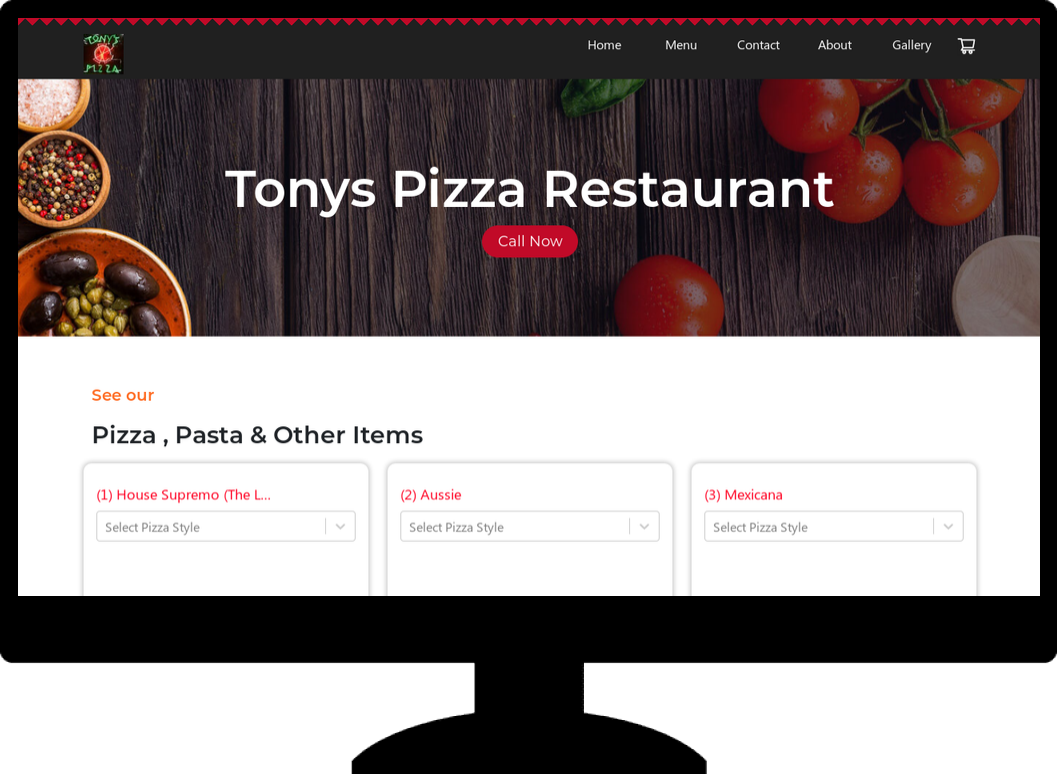
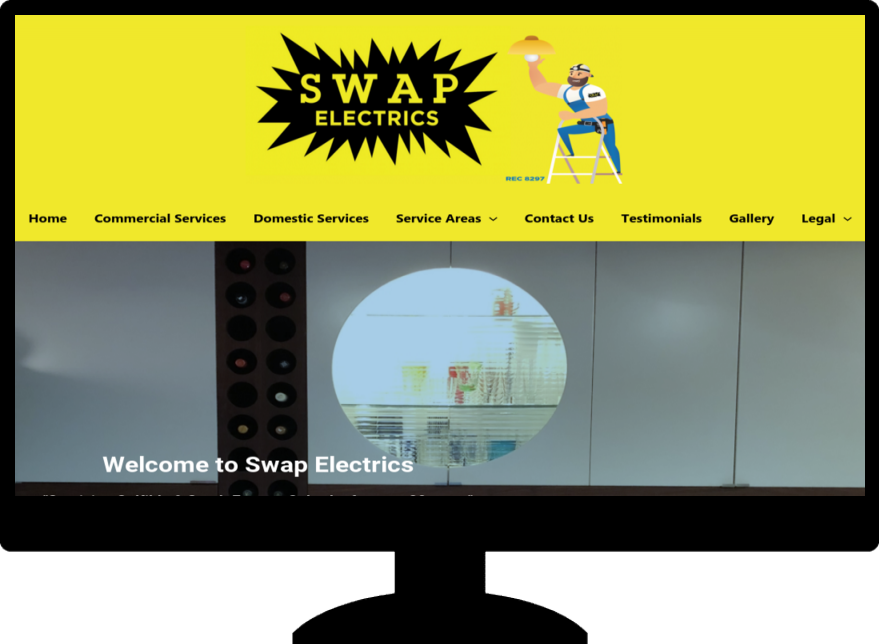
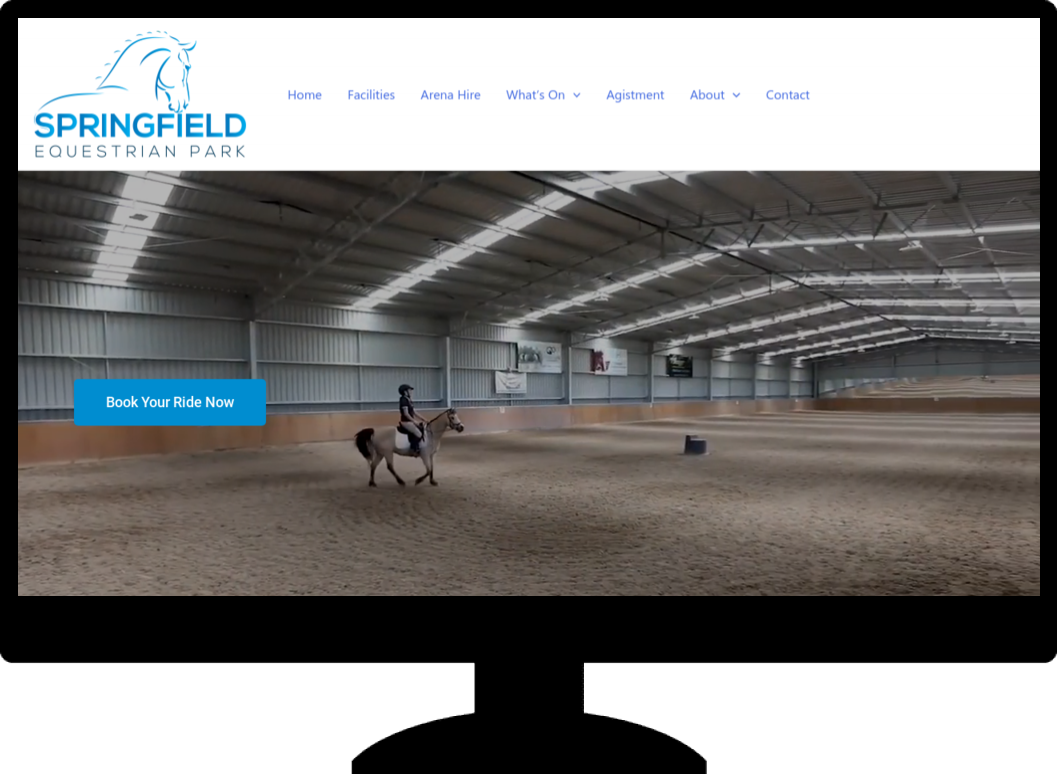
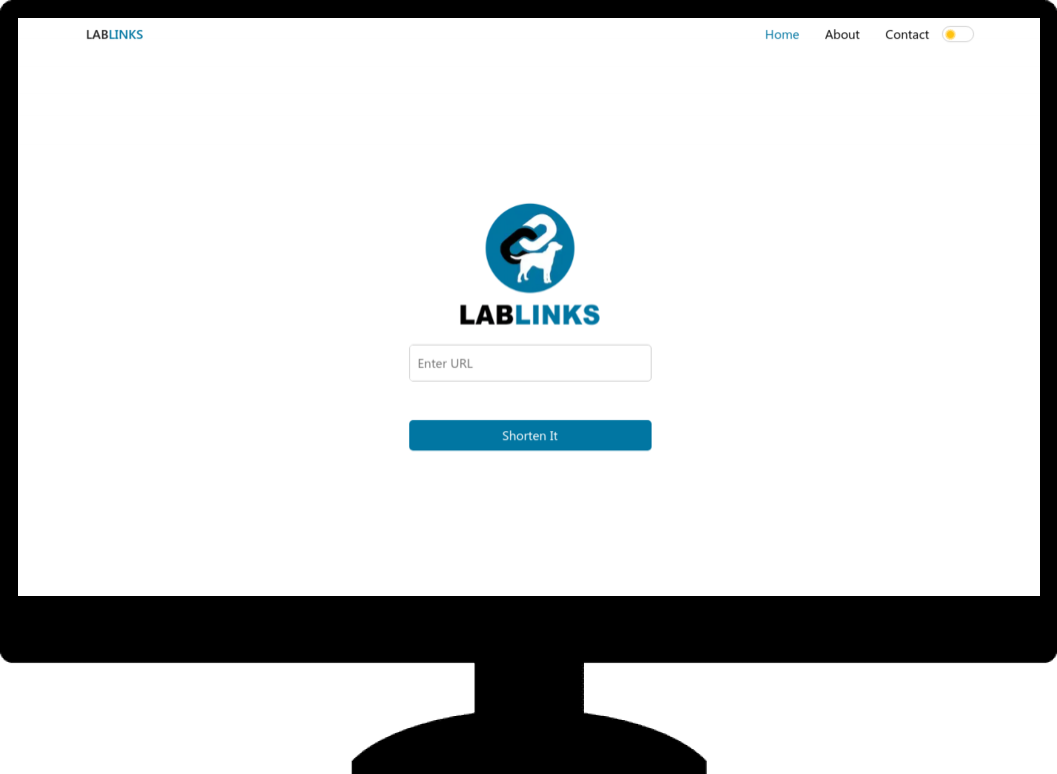
A snapshot of some of our work

What our clients are saying

Justine Brummans
Alessio is both incredibly knowledgeable and personable! He gave me great advice that was catered to me and my situation. Thank you Alessio! Super helpful!

Springfield Equestrian Park
Alessio is amazing! I can not speak highly enough of how helpful and knowledgeable he is, my website he created far exceeded my expectations, he is so accomodating and I can only wish him every success with his business. I rate AGR technology 10 out of 10.
Legacy Energy
We used AGR Technology and dealt with Alessio to design and build our website as well as host our emails. Alessio was a pleasure to deal with and had plenty of ideas that we could implement into our site. He has a great attention to detail, he is also very polite in understanding our goals and what we wanted to achieve with our website.
Thanks mate,
Alex & Rob
Excellent Service
Alessio developed our website for our business and has done a wonderful job. He is very personable and knowledgeable. We have enjoyed working with him. We will be referring others to him and highly recommend him to those who need Tech advice.
MRC Performance
I have been in business for over 10 Years and recently moved to AGR Technology for all our IT needs. They are able to fix nearly anything remotely and always very helpful in recommending appropriate hardware upgrades that do the job as required but not costing more than needed.

Alessio provided an excellent service. He was very dedicated in his method of finding solutions to problems. He continued to try different avenues until he found the reason as to why a particular application was not working. He was very knowledgeable in his understanding of the internet and of applications and how they work, and he was able to apply this knowledge in understanding how to resolve the obstacles that continued to appear. He is understanding towards his client's needs and goals and he is willing to work with his client in achieving those goals. He is a very polite and well mannered person and very calm and gentle in his approach. I would highly recommend Alessio's services to anyone.

Palmira Rigoli
Great work ethics Alessio! We at Totally Gluten Free Products are very happy to have you on board as our IT and SEO master. Very reliable, trustworthy and knowledgeable in the field.
YouTube Comment

Nat's Custom Designs
Alessio from AGR Technology has recently helped me create a website for my business.
Throughout the whole process from start to finish Alessio made the process easy for me, by calling me and explaining each step of the way. I'm not very computer savvy, but with Alessio taking the time to explain in detail everything I needed to know from putting inventory in to having it shipped. He even remotely joined my computer to help guide me through everything.
He's very knowledgeable and is experienced in everything I needed and if there was anything else I needed to know that wasn't something he was familiar with, he researched it.
I would HIGHLY recommend Alessio to anyone. He has not only helped me for now but I know that if I ever needed help with anything else he would definitely go above and beyond to help. Thank you so much for everything you have done. It's been a long process but well worth it 🙂
Byron Macumber
AGR Technology is amazing. not only do they stick with you through out the process, they also accommodate to your wants and needs. They are efficient in their work and they have high integrity. Their capabilities are shown through their website design, and appropriate knowledge of utilities regarding software. over the many years of working with them they have been fantastic. I would recommend to everyone
Very helpful
Alessio was thorough, diligent and kept me updated at all time points. I was very impressed with his performance, passion and dedication. I will continue to use his services.
Wantrup & Associates
Alessio of AGR Technology is an IT guy we rely on whenever we need IT help. His professionalism impressed us right at the first time. He solved many of our IT problems in no time. Excellent communication and speedy response.
We highly recommend this company
From a happy customer
Valeria Bianco
I received AGR contact information from a previous client, who had found their service excellent. So I contacted AGR with some expectations, and I can say they exceeded them. Professional, honest, punctual, reliable, their service is faultless. We can't recommend them highly enough.
Very fast, value for money and a comprehensive service
AGR is professional, organised and very skilled at what they do. They take the initiative, looking after all the details that you would not have thought of to enhance your website presence, marketing funnel and automated appointment bookings. Big bonus - pricings are at a fraction of the cost of competitors.
Customer testimonial
Alessio from AGR Technology is wonderful at gently guiding the less technically savvy users to solve problems. Back up service excellent. Highly recommended
SEO for website
The team is very cooperative and delivers clean and very efficient work.

Raimond Volpe
Nothing but good things to say about Alessio. He has been great service and great at communicating with me by both phone and email. Very good knowledge and problem-solving ability with our web development. I would thoroughly recommend Alessio and AGR Technology to anyone wanting online marketing or web development
Website design
Big thank you to Alessio at AGR Technology for a smooth and easy website development process. Nothing was to difficult to accomplish, I can highly recommend his first class service.
Why work with AGR Technology for your local website needs?





Why Brazil’s Digital Market Demands a Tailored Approach

It’s tempting to take an existing website, translate the copy into Portuguese, and call it done. We’ve seen businesses try this. It rarely works.
Brazil’s digital landscape has specific characteristics that require more than surface-level localization. Understanding these factors is the difference between a website that converts and one that gets ignored.
A Mobile-First Population
Brazil has one of the highest rates of mobile internet usage globally. According to Statista, mobile devices account for roughly 62% of all web traffic in the country. For many Brazilians, especially outside major cities like São Paulo and Rio de Janeiro, a smartphone is their primary (and sometimes only) internet device.
This means your website design must prioritize:
- Responsive, mobile-first layouts that load quickly on smaller screens
- Lightweight page elements optimized for varying network speeds
- Touch-friendly navigation and simplified user journeys
A desktop-first design approach simply won’t cut it here.
Local Search Behavior and SEO Considerations
Google dominates search in Brazil, but the way Brazilians search differs from English-speaking markets. Queries tend to be more conversational and long-tail, often reflecting Brazilian Portuguese phrasing rather than formal European Portuguese.
Effective website development for Brazil means building with local SEO baked in from day one. That includes:
- Portuguese-language keyword research targeting Brazilian search patterns
- Properly configured hreflang tags for multilingual sites
- Local hosting or CDN nodes to reduce latency within Brazil
- Schema markup that helps Google understand your content’s regional relevance
We handle this as part of our SEO and web development services, because bolting on SEO after a site is built always costs more and delivers less.
Cultural Expectations Around Design
Brazilian users respond to design that feels vibrant, personal, and trustworthy. Minimalist design trends that work well in Scandinavian or Japanese markets can feel cold or impersonal to Brazilian audiences.
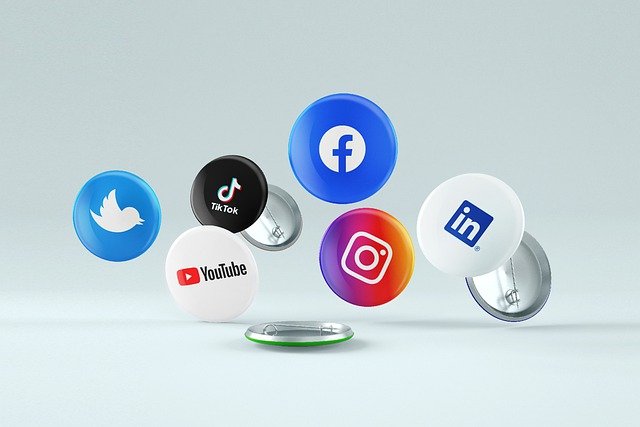
Social proof matters a lot. Brazilians are highly social online, they’re among the world’s most active users on Instagram, WhatsApp, and YouTube. Your website should reflect this by integrating:
- Customer testimonials and reviews prominently
- WhatsApp contact buttons (this is standard in Brazil, not optional)
- Social media feeds or sharing functionality
Payment and Trust Signals
If your site involves e-commerce or lead generation, trust signals are critical. Brazilian consumers are cautious online buyers. They look for:
- Recognized local payment options (Pix, boleto bancário, local credit card installments)
- Clear privacy policies compliant with Brazil’s LGPD (Lei Geral de Proteção de Dados)
- SSL certificates and visible security badges
Ignoring these details doesn’t just hurt conversions, it can make your brand look illegitimate.
Key Elements of Effective Website Design and Development for Brazilian Audiences
So what does a high-performing website for the Brazilian market actually look like in practice? Here’s what we focus on when building sites targeting this region.
Performance and Speed Optimization
Brazil’s internet infrastructure varies dramatically between urban centers and regional areas. Average connection speeds in smaller cities and rural zones can be significantly lower than what you’d expect in Sydney or London.
We build websites with performance as a core requirement, not an afterthought. That means:
- Image compression and next-gen formats (WebP, AVIF) to reduce load times
- Lazy loading for media-heavy pages
- Server-side rendering or static generation where appropriate
- CDN distribution with edge nodes serving Brazilian users
Google’s Core Web Vitals remain a ranking factor, and slow sites lose both traffic and trust.
Bilingual and Multilingual Architecture
Many businesses entering Brazil also serve English-speaking or Spanish-speaking markets across Latin America. Your site architecture needs to handle this cleanly.
We build multilingual websites with proper URL structures (subdirectories or subdomains, depending on scale), automatic language detection, and seamless switching, without duplicating content or creating SEO conflicts.
Custom Development vs. Templates
Off-the-shelf templates can work for simple projects, but they rarely scale well for businesses serious about the Brazilian market. Custom website development gives you control over:
- User experience flows tailored to local behavior
- Integration with Brazilian payment gateways and logistics platforms
- Scalability as your presence grows
- Compliance with local data protection regulations
At AGR Technology, we offer end-to-end website design and development, from initial strategy and UX wireframing through to custom coding, testing, and launch. We also provide ongoing support, so your site evolves alongside Brazil’s fast-moving digital market.
Analytics and Continuous Improvement
Launching a website is step one. Understanding how Brazilian users interact with it is where the real value lies.
We set up comprehensive analytics tracking from day one, heatmaps, conversion funnels, session recordings, so you can see exactly what’s working and where users drop off. This data drives iterative improvements that compound over time.
Combined with our digital marketing and SEO expertise, this means your website doesn’t just exist, it actively generates leads, sales, and measurable ROI.
Why Work With AGR Technology?
We’re a full-service digital partner, not just a web design agency. When you work with us, you get:
- Strategic planning that considers your target market’s specific needs
- Custom design and development built for performance and conversion
- SEO integration from the ground up
- Ongoing optimization based on real user data
- AI and automation solutions that streamline your operations beyond the website
Whether you’re a small business testing the Brazilian market or an enterprise scaling across Latin America, we tailor our approach to your goals and budget.
Conclusion
Brazil’s digital market is full of opportunity, but only for businesses willing to invest in getting the details right. A generic website won’t compete against locally optimised competitors.
From mobile-first design and Brazilian Portuguese SEO to local payment integration and LGPD compliance, every element matters. At AGR Technology, we build websites that are designed to perform in specific markets, not just look polished.
Ready to build a website that performs in Brazil? Get in touch with AGR Technology to discuss your project.
Frequently Asked Questions About Website Design & Development in Brazil
Why is website design for Brazil different from other markets?
Brazil’s digital market has unique characteristics: 62% mobile traffic, conversational Portuguese search patterns, cultural preferences for vibrant design, and local trust signals like Pix payments and LGPD compliance. A tailored approach addressing these factors significantly outperforms generic, translated websites.
Can AGR Technology help me build eCommerce websites?
Yes at AGR Technology we have extensive experience with eCommerce platforms such as WooCommerce, Shopify, BigCommerce, Magento and even custom marketplace solutions to help you sell online and expand your coverage globally.
What is mobile-first design and why does it matter for Brazilian websites?
Mobile-first design prioritizes smartphone experience as the primary layout, since 62% of Brazilian web traffic comes from mobile devices. It includes responsive layouts, fast load times, lightweight elements, and touch-friendly navigation optimized for varying network speeds across urban and regional areas.
How does Brazilian Portuguese SEO differ from European Portuguese?
Brazilian Portuguese SEO targets conversational, long-tail search queries specific to Brazilian users rather than formal European Portuguese phrasing. Effective website development includes Brazilian keyword research, proper hreflang tags, local hosting or CDN nodes, and schema markup for regional relevance.
What payment methods and trust signals are essential for Brazilian e-commerce websites?
Brazilian websites must integrate local payment options like Pix and boleto bancário, display LGPD-compliant privacy policies, and show SSL certificates and security badges. WhatsApp contact buttons are also standard, as Brazilians expect this communication channel and trust it significantly.
Should I use a website template or invest in custom website development for Brazil?
Custom website development is recommended for serious Brazilian market entry. Templates lack flexibility for local payment gateway integration, compliance with Brazilian regulations, UX flows matching local behavior, and scalability. Custom solutions provide better conversion optimization and competitive advantage.
How can I optimize website performance for Brazil’s varying internet infrastructure?
Optimize performance through image compression and WebP/AVIF formats, lazy loading, server-side rendering, and CDN distribution with Brazilian edge nodes. These strategies address Brazil’s infrastructure variability between urban centers and regional areas, improve Core Web Vitals rankings, and build user trust.