![logo-new-23[1]](https://cdn-ihdfn.nitrocdn.com/eZVJvoSTyVixkEUySRKiaseNtUlmgCyu/assets/images/optimized/rev-b7ced37/agrtech.com.au/wp-content/uploads/elementor/thumbs/logo-new-231-qad2sqbr9f0wlvza81xod18hkirbk9apc0elfhpco4.png "logo-new-23[1]")
If your website is hard to use for part of your audience, it is not just an accessibility issue. It is a business issue. Visitors leave, forms go unfinished, support requests increase, and your brand can lose trust before a conversation even starts.
At AGR Technology, we help businesses improve website accessibility in a practical way that supports compliance, usability, SEO, and conversion performance. Whether you manage a growing business website, a large eCommerce platform, or a custom web application, the right web accessibility solutions can make your digital presence easier to use for everyone.
This page explains what web accessibility solutions involve, where most websites fall short, and how our web accessibility services help businesses build inclusive, compliant, high-performing websites.
Get into contact with us
Helping drive results for our clients of all sizes



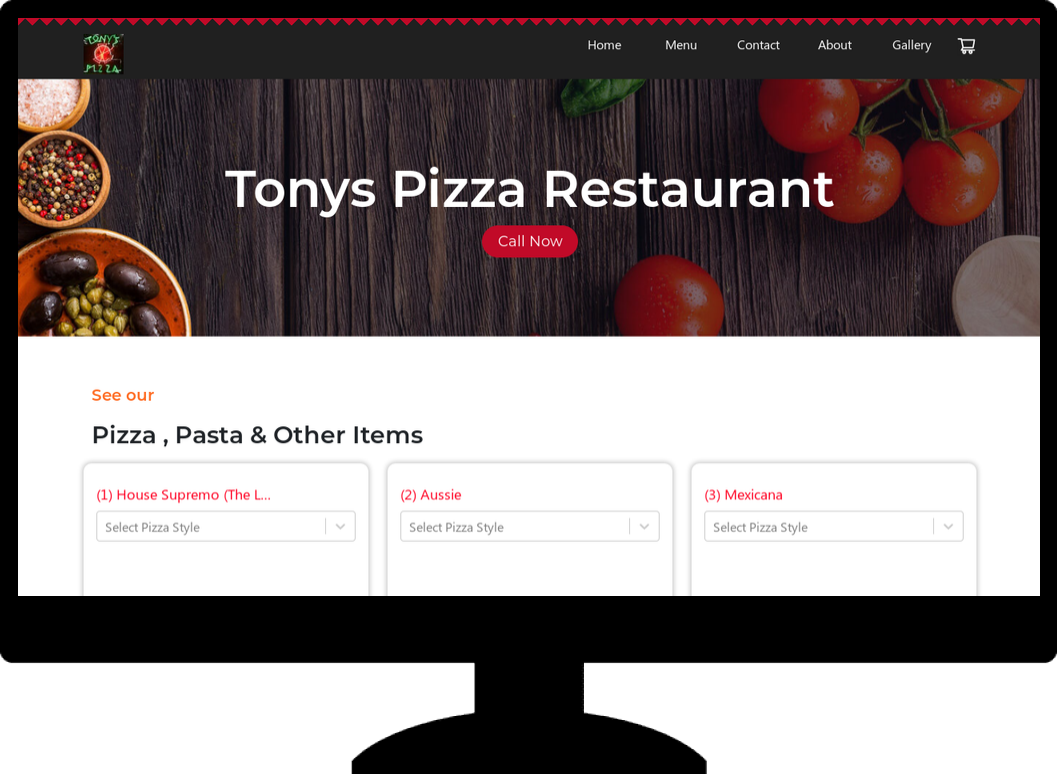
A snapshot of some of our work
What our clients are saying

Justine Brummans
Alessio is both incredibly knowledgeable and personable! He gave me great advice that was catered to me and my situation. Thank you Alessio! Super helpful!

Springfield Equestrian Park
Alessio is amazing! I can not speak highly enough of how helpful and knowledgeable he is, my website he created far exceeded my expectations, he is so accomodating and I can only wish him every success with his business. I rate AGR technology 10 out of 10.
Legacy Energy
We used AGR Technology and dealt with Alessio to design and build our website as well as host our emails. Alessio was a pleasure to deal with and had plenty of ideas that we could implement into our site. He has a great attention to detail, he is also very polite in understanding our goals and what we wanted to achieve with our website.
Thanks mate,
Alex & Rob
Excellent Service
Alessio developed our website for our business and has done a wonderful job. He is very personable and knowledgeable. We have enjoyed working with him. We will be referring others to him and highly recommend him to those who need Tech advice.
MRC Performance
I have been in business for over 10 Years and recently moved to AGR Technology for all our IT needs. They are able to fix nearly anything remotely and always very helpful in recommending appropriate hardware upgrades that do the job as required but not costing more than needed.

Alessio provided an excellent service. He was very dedicated in his method of finding solutions to problems. He continued to try different avenues until he found the reason as to why a particular application was not working. He was very knowledgeable in his understanding of the internet and of applications and how they work, and he was able to apply this knowledge in understanding how to resolve the obstacles that continued to appear. He is understanding towards his client's needs and goals and he is willing to work with his client in achieving those goals. He is a very polite and well mannered person and very calm and gentle in his approach. I would highly recommend Alessio's services to anyone.

Palmira Rigoli
Great work ethics Alessio! We at Totally Gluten Free Products are very happy to have you on board as our IT and SEO master. Very reliable, trustworthy and knowledgeable in the field.
YouTube Comment

Nat's Custom Designs
Alessio from AGR Technology has recently helped me create a website for my business.
Throughout the whole process from start to finish Alessio made the process easy for me, by calling me and explaining each step of the way. I'm not very computer savvy, but with Alessio taking the time to explain in detail everything I needed to know from putting inventory in to having it shipped. He even remotely joined my computer to help guide me through everything.
He's very knowledgeable and is experienced in everything I needed and if there was anything else I needed to know that wasn't something he was familiar with, he researched it.
I would HIGHLY recommend Alessio to anyone. He has not only helped me for now but I know that if I ever needed help with anything else he would definitely go above and beyond to help. Thank you so much for everything you have done. It's been a long process but well worth it 🙂
Byron Macumber
AGR Technology is amazing. not only do they stick with you through out the process, they also accommodate to your wants and needs. They are efficient in their work and they have high integrity. Their capabilities are shown through their website design, and appropriate knowledge of utilities regarding software. over the many years of working with them they have been fantastic. I would recommend to everyone
Very helpful
Alessio was thorough, diligent and kept me updated at all time points. I was very impressed with his performance, passion and dedication. I will continue to use his services.
Wantrup & Associates
Alessio of AGR Technology is an IT guy we rely on whenever we need IT help. His professionalism impressed us right at the first time. He solved many of our IT problems in no time. Excellent communication and speedy response.
We highly recommend this company
From a happy customer
Valeria Bianco
I received AGR contact information from a previous client, who had found their service excellent. So I contacted AGR with some expectations, and I can say they exceeded them. Professional, honest, punctual, reliable, their service is faultless. We can't recommend them highly enough.
Very fast, value for money and a comprehensive service
AGR is professional, organised and very skilled at what they do. They take the initiative, looking after all the details that you would not have thought of to enhance your website presence, marketing funnel and automated appointment bookings. Big bonus - pricings are at a fraction of the cost of competitors.
Customer testimonial
Alessio from AGR Technology is wonderful at gently guiding the less technically savvy users to solve problems. Back up service excellent. Highly recommended
SEO for website
The team is very cooperative and delivers clean and very efficient work.

Raimond Volpe
Nothing but good things to say about Alessio. He has been great service and great at communicating with me by both phone and email. Very good knowledge and problem-solving ability with our web development. I would thoroughly recommend Alessio and AGR Technology to anyone wanting online marketing or web development
Website design
Big thank you to Alessio at AGR Technology for a smooth and easy website development process. Nothing was to difficult to accomplish, I can highly recommend his first class service.
Why work with AGR Technology for your local website needs?


What Web Accessibility Solutions Mean For Modern Businesses
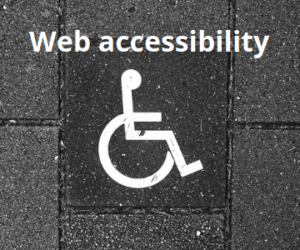
Web accessibility solutions are the services, tools, processes, and technical improvements used to make websites usable for people with disability and easier to navigate for all users. That includes people using screen readers, keyboard-only navigation, voice input, magnification tools, captions, and other assistive technologies.
For modern businesses, accessibility is not a side task left until the end of a website build. It affects design decisions, code quality, content structure, user journeys, and legal risk. It also affects how easily people can engage with your brand online.
At AGR Technology, we look at accessibility as part of the bigger digital picture. A website should not only look good. It should work well, load efficiently, guide users clearly, and remove avoidable friction.
Why Accessibility Matters Beyond Compliance
Compliance is important, but it is only one reason to invest in accessibility.
When websites are accessible, businesses often benefit from:
- clearer navigation and page structure
- better readability across devices
- improved form completion rates
- stronger usability for older users and mobile users
- broader market reach
- cleaner technical implementation that can support SEO
A simple example is form design. If labels are unclear, error messages are vague, or fields cannot be used by keyboard, users drop off. Fixing those problems helps people with accessibility needs, but it also helps busy users, distracted users, and anyone trying to complete a task quickly.
Who Needs Web Accessibility Services
In short, almost any organisation with a public-facing website or web application can benefit from web accessibility services.
This is especially relevant for:
- eCommerce businesses wanting to reduce checkout friction
- Healthcare, finance, education, and government-related organisations with stronger compliance expectations
- Service businesses that rely on enquiry forms and lead generation
- Enterprise organisations managing large, complex websites
- Businesses undergoing redesigns, migrations, or digital transformation
- Companies developing custom platforms, portals, or software interfaces
If your website is important to sales, support, recruitment, customer service, or brand reputation, accessibility should be part of the conversation. If you want a practical assessment of where your site stands, contact AGR Technology to discuss a tailored accessibility review.
Common Accessibility Barriers That Hurt Users And Conversions
Many accessibility issues are surprisingly common. They can exist on old websites, new websites, and even premium custom builds if accessibility was not built into the process from the start.
These problems do more than create frustration. They can directly reduce engagement and conversions.
Visual, Auditory, Motor, And Cognitive Obstacles
Users experience websites differently. A barrier for one person may be invisible to another, which is why accessibility testing needs breadth.
Common issues include:
- Poor colour contrast that makes text hard to read
- Missing alt text on important images
- Video content without captions or transcripts
- Interactive elements that cannot be used without a mouse
- Small click targets on mobile devices
- Flashing or distracting content
- Complicated layouts that overload attention or memory
These barriers affect real business outcomes. If a user cannot read pricing, hear key information in a video, or complete a booking flow with a keyboard, they may leave and choose a competitor.
Content, Navigation, And Form Issues
Some of the biggest accessibility failures sit in core website structure.
We regularly see issues such as:
- Heading structures that skip levels or lack logic
- Navigation menus that are difficult for screen readers to interpret
- Unclear link text like “click here”
- Pop-ups and modals that trap keyboard focus
- Forms without properly associated labels
- Error states that are only shown in colour
- PDF documents that are inaccessible or poorly tagged
These issues make websites harder to use for everyone, not just people with disability. Good accessibility often overlaps with good user experience. The clearer your content and navigation are, the easier it is for people to find what they need and take action.
Core Types Of Web Accessibility Solutions
Effective accessibility work usually combines strategy, technical review, testing, remediation, and ongoing governance. There is no single plugin or automated tool that fully solves the problem.
Our approach to web accessibility solutions can include the following service areas.
Accessibility Audits And Automated Testing Tools
An accessibility audit helps identify issues across templates, components, pages, and user journeys. Automated testing tools can quickly detect some technical problems, such as:
- Missing image alt attributes
- Contrast issues
- Empty buttons or links
- Structural markup errors
- Some ARIA implementation issues
Automated testing is useful, but it has limits. Industry sources such as the W3C Web Accessibility Initiative have long made it clear that automated checks only catch part of the problem. That is why audits should be interpreted by experienced specialists, not treated as a complete answer.
Manual Testing And Assistive Technology Reviews
Manual testing is essential because many accessibility barriers only appear when a real person interacts with the website.
This can include testing with:
- Keyboard-only navigation
- Screen readers
- Browser zoom and reflow
- Mobile accessibility settings
- Voice control and other assistive tools where relevant
Manual reviews help uncover practical usability issues, such as confusing focus order, unclear form feedback, poor modal behaviour, or content that technically passes a scan but still creates friction in real use.
Design, Development, And Remediation Services
Once issues are identified, they need to be fixed properly. Remediation may involve updates to design systems, front-end code, CMS templates, forms, content structure, media, and documents.
Typical remediation work can include:
- Improving semantic HTML structure
- Refining keyboard accessibility
- Fixing labels, landmarks, and ARIA usage
- Adjusting colours and contrast ratios
- Making navigation more consistent
- Updating buttons, menus, accordions, and pop-ups
- Improving accessible content patterns for editors
At AGR Technology, we can support accessibility remediation as part of broader website development, redesigns, custom software work, and technical SEO improvement.
Training, Governance, And Ongoing Monitoring
Accessibility is not a one-off job. Websites change constantly. New pages, campaigns, products, documents, and integrations can introduce new issues.
That is why sustainable web accessibility services often include:
- Team training for content editors, designers, and developers
- Accessibility checklists and internal standards
- Governance processes for new releases
- Recurring audits and monitoring
- Support during redesigns or platform migrations
This matters because accessibility is easiest to maintain when it becomes part of the workflow, not a cleanup task six months later.
How To Choose The Right Web Accessibility Services
Not all accessibility support is equal. Some providers run a scan, export a report, and leave your team to sort it out. That rarely leads to meaningful change.
A better approach is to work with a partner that understands accessibility in the context of your website, your users, your compliance requirements, and your internal team capability.
Key Standards, Laws, And Business Requirements To Consider
The most widely referenced accessibility standard is the Web Content Accessibility Guidelines, commonly known as WCAG. Most organisations aim for WCAG 2.1 AA or WCAG 2.2 AA depending on their obligations and project requirements.
Depending on your market, industry, and customer base, you may also need to consider legal and procurement expectations tied to accessibility. Requirements can vary by region and sector, especially in government, education, and regulated industries.
From a business standpoint, you should also assess:
- Size and complexity of your website
- Whether you run eCommerce or critical forms
- Your exposure to public complaints or legal scrutiny
- Existing design and development constraints
- Whether your internal team can maintain accessible practices
What To Look For In A Practical Accessibility Partner
A practical accessibility partner should do more than hand over technical jargon. They should help you prioritise work, explain risk clearly, and fix issues in a way that fits your business.
Look for a provider that offers:
- Both automated and manual accessibility testing
- Clear remediation guidance, not vague reporting
- Experience with design, development, and content workflows
- Understanding of WCAG standards and real-world implementation
- Support for ongoing monitoring and improvement
- Ability to work across websites, eCommerce, and custom platforms
At AGR Technology, our advantage is that we are not limited to standalone audits. We support technical implementation as well, which means we can help identify issues and work through practical fixes. If you need web accessibility services backed by broader digital capability, get in touch with our team.
Implementing Accessibility Across Your Website
The best accessibility programs are structured, realistic, and embedded into day-to-day website management.
Trying to fix everything at once can stall progress. A staged plan usually works better.
Prioritizing Fixes By Risk, Impact, And Effort
We recommend prioritising issues based on three factors:
- Risk: Does the issue create legal, reputational, or operational exposure?
- Impact: Does it block users from completing important actions?
- Effort: How complex is the fix across your platform?
High-priority items often include:
- Inaccessible navigation
- Checkout and contact form issues
- Missing labels and broken keyboard paths
- Unreadable text contrast
- Inaccessible core templates used across many pages
This approach helps businesses make progress quickly while planning larger structural improvements over time.
Embedding Accessibility Into Content And Development Workflows
Long-term success depends on process. Accessibility should be considered when:
- Creating new page templates
- Publishing blog posts, landing pages, and product content
- Uploading PDFs, videos, and images
- Designing campaign pages
- Developing new features or integrations
- Performing QA before launch
That means giving teams simple guidance they can actually use. For example, content editors need to know how to write descriptive headings and alt text. Designers need component rules that support contrast, focus states, and responsive readability. Developers need standards for semantic markup, ARIA usage, and keyboard interactions.
When accessibility is built into your workflow, quality improves and remediation costs usually drop.
The Business Value Of Investing In Accessibility
Accessibility is often framed as a compliance cost. In reality, it can create measurable business value when handled properly.
Improved User Experience, SEO, And Reach
Many accessibility improvements also support better digital performance.
Benefits can include:
- Easier navigation and lower friction
- Improved mobile usability
- Clearer site structure for users and search engines
- Broader reach across different user needs and devices
- Stronger engagement on key landing pages
Accessible websites tend to be more usable, more structured, and more resilient. Those qualities often support SEO, conversion optimisation, and long-term content performance.
Reduced Legal Risk And Stronger Brand Trust
Accessibility also reduces the chance of preventable complaints and compliance issues. More importantly, it signals that your business takes inclusion seriously.
For many organisations, that matters to:
- Customers
- Procurement teams
- Employees and job candidates
- Partners and stakeholders
A website that works well for a wider audience reflects positively on your brand. It shows care, competence, and attention to detail. And honestly, those are traits most businesses want associated with their digital presence.
Conclusion
Web accessibility solutions are not just about meeting a standard on paper. They are about making your website easier to use, easier to trust, and better aligned with how real people interact online.
At AGR Technology, we help businesses assess accessibility issues, prioritise practical improvements, and carry out changes that support compliance, usability, and performance. Whether you need an accessibility audit, remediation support, or broader web accessibility services as part of a redesign or digital transformation project, we can help.
If you are ready to make your website more inclusive and more effective, speak with AGR Technology about a tailored accessibility solution.
Frequently Asked Questions About Web Accessibility Solutions
What are web accessibility solutions for businesses?
Web accessibility solutions are the services, tools, and technical improvements used to make websites usable for people with disabilities and easier for everyone to navigate. They typically include audits, manual testing, remediation, and ongoing monitoring to support compliance, usability, SEO, and conversion performance.
Why do web accessibility solutions matter beyond compliance?
Web accessibility solutions do more than help meet standards. They can improve navigation, readability, form completion, mobile usability, and customer trust. For many businesses, accessibility also supports SEO and conversions by reducing friction that causes visitors to leave before completing important actions.
What accessibility problems are most common on websites?
Common issues include poor color contrast, missing alt text, inaccessible forms, unclear link text, keyboard traps in pop-ups, skipped heading levels, and videos without captions. These problems can affect screen reader users, keyboard-only users, and anyone trying to complete tasks quickly on any device.
How do web accessibility services usually work?
Most web accessibility services begin with an audit using both automated scans and manual testing. After that, issues are prioritized by risk, impact, and effort, then fixed through design, development, and content updates. Strong providers also offer training, governance, and recurring reviews to maintain accessibility over time.
Can a plugin alone fix website accessibility issues?
No. A plugin or automated tool may help identify or patch some problems, but it cannot fully solve website accessibility. Many barriers require manual testing and proper fixes in code, content, design, and workflows. Sustainable accessibility usually needs human review and ongoing process improvements.
What accessibility standard should most websites aim for?
Most organizations use the Web Content Accessibility Guidelines, or WCAG, as the main benchmark. A common target is WCAG 2.1 AA or WCAG 2.2 AA, depending on legal obligations and project needs. The right standard depends on your industry, region, audience, and compliance requirements.