![logo-new-23[1]](https://agrtech.com.au/wp-content/uploads/elementor/thumbs/logo-new-231-qad2sqbr9f0wlvza81xod18hkirbk9apc0elfhpco4.png "logo-new-23[1]")
Your business’s reputation online can make or break your success in Norway’s competitive marketplace. One negative review, an outdated article, or unfavourable search results can cost you customers, revenue, and trust, often before a potential client ever contacts you. In a digital-first world where 93% of consumers check online reviews before making a purchase decision, managing what appears when someone searches your business name isn’t optional anymore.
Whether you’re a growing Norwegian company facing review backlash, a professional dealing with personal reputation issues, or an established brand navigating a PR crisis, online reputation management (ORM) is critical. At AGR Technology, we specialise in protecting and restoring your digital presence across search engines, review platforms, and social media. We understand the market, local consumer behaviour, and the regulatory landscape, including how the Right to Be Forgotten applies here. This page outlines what ORM is, why it matters for Norwegian businesses, and how our services can help you take back control of your online narrative.
Get in touch with AGR Technology for a free and confidential proposal tailored to your specific needs
What Is Online Reputation Management and Why It Matters
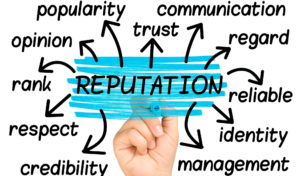
Online reputation management is the practice of monitoring, influencing, and improving how your business or brand is perceived across digital channels. It involves managing search engine results, addressing negative reviews, creating positive content, and responding to social media conversations, all to ensure that your online presence reflects the quality and values of your business.
For Norwegian businesses, ORM isn’t just about vanity. It’s about survival. When potential customers search for your company name, they’re forming opinions within seconds based on what they find. A single poorly handled complaint or negative article ranking on page one of Google can deter hundreds of prospective clients. On the other hand, a well-managed online reputation builds trust, increases conversions, and strengthens brand loyalty.
ORM combines elements of public relations, SEO, content marketing, and customer service. It’s proactive (building a positive presence before issues arise) and reactive (addressing damage when it happens). Whether you’re dealing with fake reviews, outdated information, competitor attacks, or legitimate criticism that needs addressing, ORM ensures your side of the story gets heard.
The Impact of a Poor Online Reputation on Norwegian Businesses
Ignoring your online reputation doesn’t make problems disappear, it makes them worse. Norwegian businesses operating in tight-knit communities and competitive industries are especially vulnerable to reputational damage. Here’s how a poor online reputation can hurt your bottom line.
Lost Revenue and Customer Trust
Consumers trust online reviews as much as personal recommendations. Research shows that 86% of people hesitate to purchase from a business with negative reviews, and 94% say a bad review has convinced them to avoid a company altogether. For Norwegian businesses, where word-of-mouth and local reputation carry significant weight, this can be devastating.
Negative content ranking on Google’s first page can reduce click-through rates by up to 50%. If a disgruntled customer, misleading article, or outdated complaint appears prominently in search results, potential clients will simply move on to a competitor. The damage compounds over time, every lost customer is a missed opportunity for repeat business and referrals.
Trust is fragile. Once damaged, it’s expensive and time-consuming to rebuild. Customers who lose confidence in your brand rarely give second chances, and in Norway’s relationship-driven business culture, reputational harm can ripple through entire networks.
Difficulty Attracting Top Talent
Your online reputation doesn’t just affect customers, it influences potential employees too. Top talent researches companies before applying, and 75% of job seekers consider an employer’s reputation before even submitting an application. Negative reviews on platforms like Glassdoor, unflattering news articles, or poor social media presence can make recruiting difficult and expensive.
Norwegian professionals value transparency, work-life balance, and ethical business practices. If your online presence suggests otherwise, whether accurate or not, you’ll struggle to attract skilled workers in an already competitive labour market. Reputation damage can also affect employee morale, as current staff may feel embarrassed or demotivated by negative public perception.
Core ORM Services Offered by Digital Agencies

Effective online reputation management requires a multi-channel approach tailored to your specific challenges. At AGR Technology, we offer comprehensive ORM services designed to monitor, protect, and enhance your digital presence across all key platforms.
Reputation Monitoring and Analysis
You can’t manage what you don’t measure. We continuously monitor search engine results, review sites, social media platforms, news outlets, and forums to track mentions of your brand. Our reputation analysis identifies where negative content appears, how it ranks, and what’s driving visibility.
We use advanced monitoring tools to alert you in real time when new reviews, articles, or social posts mention your business. This allows us to respond quickly, before minor issues escalate into major crises. We also benchmark your reputation against competitors, providing insights into market perception and opportunities for differentiation.
Review Management and Response
Reviews on Google, Trustpilot, Facebook, and industry-specific platforms heavily influence consumer decisions. We help you manage this feedback by monitoring reviews, responding professionally to both positive and negative comments, and implementing strategies to encourage satisfied customers to leave testimonials.
Our approach to negative reviews isn’t about suppression or deletion (which often backfires). Instead, we craft thoughtful, empathetic responses that demonstrate accountability and a commitment to resolution. This shows prospective customers that you care about feedback and take concerns seriously, often turning a negative into a trust-building opportunity.
SEO-Driven Reputation Repair
When damaging content ranks high in search results, we use search engine optimisation to push it down. This involves creating and promoting high-quality, positive content, such as blog posts, press releases, social profiles, and multimedia, that ranks above negative material.
We optimise your owned properties (website, LinkedIn, YouTube, etc.) and develop authoritative third-party content to dominate search results. Over time, negative content gets buried on page two and beyond, where most users never look. This is a strategic, long-term process that requires expertise in both SEO and content marketing.
Crisis Response
When a crisis hits, whether it’s a customer complaint, PR incident, or coordinated attack, we execute rapid response protocols. This includes crafting clear, transparent messaging, coordinating across channels, and liaising with stakeholders to contain and resolve the issue. Our crisis response strategies minimise damage and help you regain control of the narrative quickly.
How Norwegian ORM Agencies Restore and Protect Your Brand
Restoring a damaged reputation requires strategy, patience, and technical know-how. At AGR Technology, we combine local market expertise with proven ORM techniques to rebuild trust and protect your brand long-term.
Understanding Search Engine Results and Visibility
Most reputation damage happens on the first page of Google. Studies show that 75% of users never scroll past the first page, and 92% of clicks go to results on page one. If negative content occupies those prime positions, it dominates perception.
We conduct in-depth search audits to understand what ranks for your brand name and related keywords. This includes analysing competitors, identifying sources of negative content, and mapping the digital footprint that shapes your reputation. Understanding these dynamics is the first step in crafting an effective repair strategy.
Creating Positive Content to Push Down Negatives
Our content-driven approach involves publishing high-quality, optimised content that ranks above damaging material. This includes:
- Owned media: Refreshing your website, creating blog posts, launching microsites, and optimising social profiles.
- Earned media: Securing positive press coverage, guest articles, and industry features that build authority.
- Multimedia content: Videos, podcasts, and infographics that rank well and engage audiences.
- Third-party platforms: Profiles on LinkedIn, YouTube, Medium, and industry directories that you control and optimise.
We don’t just create content, we strategically promote it through link building, social sharing, and outreach to ensure it climbs search rankings. Over time, this positive content pushes negative results further down, reducing their visibility and impact. The goal is to control the narrative by occupying as many first-page search results as possible with accurate, favourable information.
The Right to Be Forgotten in Norway
Norway, as part of the European Economic Area (EEA), adheres to the General Data Protection Regulation (GDPR), which includes provisions for the Right to Be Forgotten (also known as the Right to Erasure). This legal framework allows individuals and businesses to request the removal of personal data from search engines and websites under certain conditions.
The Right to Be Forgotten can be a powerful tool for reputation management, particularly when outdated, inaccurate, or irrelevant information continues to harm your reputation. For example, if an old article about a resolved legal issue or a mistaken accusation still ranks prominently, you may have grounds to request its removal from Google search results.
But, the process isn’t straightforward. Search engines and publishers evaluate requests on a case-by-case basis, balancing privacy rights against public interest. Requests are more likely to succeed if the content is demonstrably inaccurate, outdated, or disproportionately damaging, and less likely if it involves matters of legitimate public concern.
At AGR Technology, we help clients navigate this process. We assess whether your situation qualifies under GDPR provisions, prepare and submit removal requests to search engines, and follow up to ensure compliance. When removal isn’t possible, we pivot to suppression strategies that reduce visibility through SEO and content marketing. Understanding your legal rights is an important part of a comprehensive ORM strategy in Norway.
Conclusion
Your online reputation is one of your most valuable business assets, and one of the most vulnerable. In Norway’s digitally connected, trust-driven marketplace, what people find when they search your name can determine whether they become customers, employees, or advocates for your brand.
Online reputation management isn’t about hiding the truth or manipulating perception. It’s about ensuring that your digital presence accurately reflects the quality, integrity, and values of your business. Whether you’re addressing negative reviews, managing a crisis, or proactively building a positive online footprint, professional ORM makes the difference between thriving and merely surviving.
At AGR Technology, we bring local expertise, proven strategies, and a commitment to transparency to every engagement. We understand the challenges Norwegian businesses face, and we’re here to help you take control of your online narrative. Ready to protect and enhance your reputation? Get in touch with us today to discuss how our online reputation management services can safeguard your brand and drive long-term success.
Frequently Asked Questions
What is online reputation management and why does it matter for Norwegian businesses?
Online reputation management (ORM) is the practice of monitoring, influencing, and improving how your business is perceived across digital channels. For Norwegian businesses, ORM is critical because 93% of consumers check online reviews before purchasing, and negative content on Google’s first page can reduce click-through rates by up to 50%.
How can negative reviews impact my business revenue in Norway?
Negative reviews significantly damage revenue and trust. Research shows 86% of consumers hesitate to purchase from businesses with negative reviews, and 94% avoid companies altogether after reading bad reviews. In Norway’s relationship-driven business culture, this reputational harm can ripple through entire networks.
What is the Right to Be Forgotten and how does it apply in Norway?
Norway adheres to GDPR’s Right to Be Forgotten, allowing individuals and businesses to request removal of personal data from search engines under certain conditions. This applies when outdated, inaccurate, or irrelevant information harms your reputation, though search engines balance privacy rights against public interest when evaluating requests.
How long does it take to repair a damaged online reputation?
Reputation repair is a strategic, long-term process that typically takes several months. It involves creating and promoting high-quality positive content that ranks above negative material through SEO. Effective agencies are transparent about timelines and avoid promising overnight results, as sustainable reputation management requires patience and consistent effort.
Can an online reputation management agency delete negative reviews?
Reputable ORM agencies don’t focus on deletion or suppression of legitimate reviews, as this often backfires. Instead, they craft professional, empathetic responses demonstrating accountability and commitment to resolution. This approach shows prospective customers you take concerns seriously, turning negatives into trust-building opportunities.
How does poor online reputation affect employee recruitment in Norway?
Online reputation significantly influences talent acquisition, with 75% of job seekers researching a company’s reputation before applying. Norwegian professionals value transparency and ethical practices, so negative reviews on platforms like Glassdoor or unflattering news articles can make recruiting top talent difficult and expensive in Norway’s competitive labor market.