![logo-new-23[1]](https://agrtech.com.au/wp-content/uploads/elementor/thumbs/logo-new-231-qad2sqbr9f0wlvza81xod18hkirbk9apc0elfhpco4.png "logo-new-23[1]")
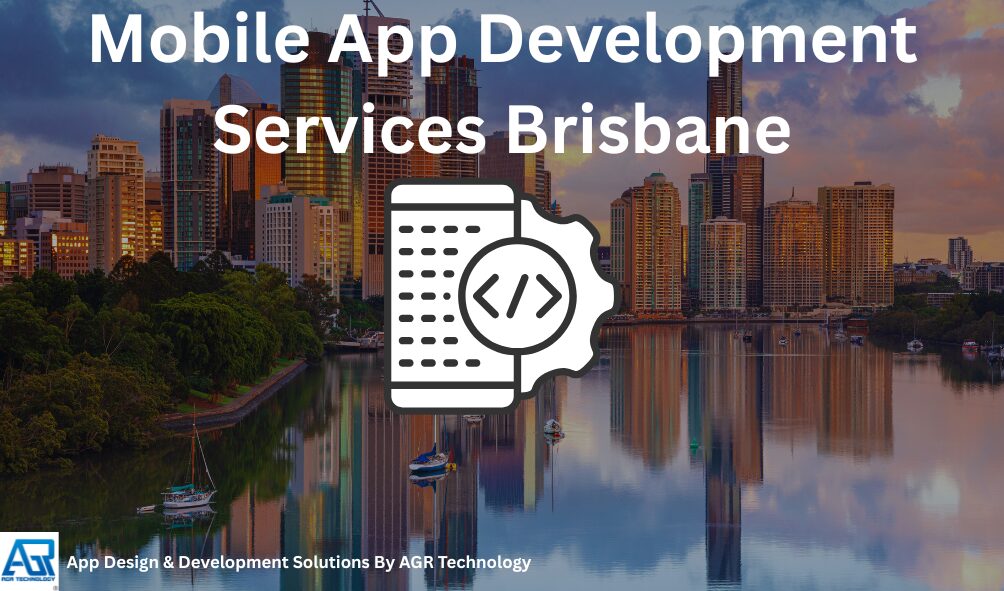
If you’re a business owner in Brisbane looking to build a mobile app, you’ve probably noticed just how crowded the market has become. Everyone’s got an app these days, from local cafés with loyalty programs to enterprise-level logistics platforms. But here’s the thing: not every app is built equal, and finding the right development partner can make or break your project.
We get it. You want an app that works flawlessly, looks professional, and actually delivers results for your business. You don’t want to blow your budget on something that crashes every second Tuesday or confuses your customers. And you definitely don’t want to be stuck in endless development cycles with a team that doesn’t understand your vision.
That’s where this guide comes in. We’ll walk you through everything you need to know about mobile app development services for Brisbane, from the different types of apps you can build, to what the process actually looks like, to how much you should expect to invest. Whether you’re a startup with a game-changing idea or an established company ready to digitise your operations, this page will help you make informed decisions and find the right path forward.
Get in touch to discuss your project needs:
Reviews from our happy clients:

Justine Brummans
Alessio is both incredibly knowledgeable and personable! He gave me great advice that was catered to me and my situation. Thank you Alessio! Super helpful!

Springfield Equestrian Park
Alessio is amazing! I can not speak highly enough of how helpful and knowledgeable he is, my website he created far exceeded my expectations, he is so accomodating and I can only wish him every success with his business. I rate AGR technology 10 out of 10.
Legacy Energy
We used AGR Technology and dealt with Alessio to design and build our website as well as host our emails. Alessio was a pleasure to deal with and had plenty of ideas that we could implement into our site. He has a great attention to detail, he is also very polite in understanding our goals and what we wanted to achieve with our website.
Thanks mate,
Alex & Rob
Excellent Service
Alessio developed our website for our business and has done a wonderful job. He is very personable and knowledgeable. We have enjoyed working with him. We will be referring others to him and highly recommend him to those who need Tech advice.
MRC Performance
I have been in business for over 10 Years and recently moved to AGR Technology for all our IT needs. They are able to fix nearly anything remotely and always very helpful in recommending appropriate hardware upgrades that do the job as required but not costing more than needed.

Alessio provided an excellent service. He was very dedicated in his method of finding solutions to problems. He continued to try different avenues until he found the reason as to why a particular application was not working. He was very knowledgeable in his understanding of the internet and of applications and how they work, and he was able to apply this knowledge in understanding how to resolve the obstacles that continued to appear. He is understanding towards his client's needs and goals and he is willing to work with his client in achieving those goals. He is a very polite and well mannered person and very calm and gentle in his approach. I would highly recommend Alessio's services to anyone.

Palmira Rigoli
Great work ethics Alessio! We at Totally Gluten Free Products are very happy to have you on board as our IT and SEO master. Very reliable, trustworthy and knowledgeable in the field.
YouTube Comment
Nat's Custom Designs
Alessio from AGR Technology has recently helped me create a website for my business.
Throughout the whole process from start to finish Alessio made the process easy for me, by calling me and explaining each step of the way. I'm not very computer savvy, but with Alessio taking the time to explain in detail everything I needed to know from putting inventory in to having it shipped. He even remotely joined my computer to help guide me through everything.
He's very knowledgeable and is experienced in everything I needed and if there was anything else I needed to know that wasn't something he was familiar with, he researched it.
I would HIGHLY recommend Alessio to anyone. He has not only helped me for now but I know that if I ever needed help with anything else he would definitely go above and beyond to help. Thank you so much for everything you have done. It's been a long process but well worth it 🙂
Byron Macumber
AGR Technology is amazing. not only do they stick with you through out the process, they also accommodate to your wants and needs. They are efficient in their work and they have high integrity. Their capabilities are shown through their website design, and appropriate knowledge of utilities regarding software. over the many years of working with them they have been fantastic. I would recommend to everyone
Very helpful
Alessio was thorough, diligent and kept me updated at all time points. I was very impressed with his performance, passion and dedication. I will continue to use his services.
Wantrup & Associates
Alessio of AGR Technology is an IT guy we rely on whenever we need IT help. His professionalism impressed us right at the first time. He solved many of our IT problems in no time. Excellent communication and speedy response.
We highly recommend this company
From a happy customer
Valeria Bianco
I received AGR contact information from a previous client, who had found their service excellent. So I contacted AGR with some expectations, and I can say they exceeded them. Professional, honest, punctual, reliable, their service is faultless. We can't recommend them highly enough.
Very fast, value for money and a comprehensive service
AGR is professional, organised and very skilled at what they do. They take the initiative, looking after all the details that you would not have thought of to enhance your website presence, marketing funnel and automated appointment bookings. Big bonus - pricings are at a fraction of the cost of competitors.
Customer testimonial
Alessio from AGR Technology is wonderful at gently guiding the less technically savvy users to solve problems. Back up service excellent. Highly recommended
SEO for website
The team is very cooperative and delivers clean and very efficient work.

Raimond Volpe
Nothing but good things to say about Alessio. He has been great service and great at communicating with me by both phone and email. Very good knowledge and problem-solving ability with our web development. I would thoroughly recommend Alessio and AGR Technology to anyone wanting online marketing or web development
Website design
Big thank you to Alessio at AGR Technology for a smooth and easy website development process. Nothing was to difficult to accomplish, I can highly recommend his first class service.
Proudly supporting clients of all sizes to succeed through digital solutions




Why work with us?






Types of Mobile App Development Services Available For Brisbane Businesses & Organisations
Not all apps are created the same way. The approach you take depends on your budget, timeline, target audience, and long-term goals. Here’s a breakdown of the main development paths available.
Native iOS and Android App Development
Native apps are built specifically for one platform using the platform’s preferred programming language, Swift or Objective-C for iOS, and Kotlin or Java for Android. This approach delivers the best possible performance, seamless integration with device features (camera, GPS, push notifications), and the smoothest user experience.
The trade-off? You’re essentially building two separate apps. That means higher development costs and longer timelines. But if your app relies heavily on performance, think gaming, augmented reality, or complex animations, native development is often the right choice.
Native apps also tend to perform better in app store rankings because Apple and Google naturally favour apps built with their own tools.
Cross-Platform App Development
Cross-platform frameworks like React Native and Flutter let developers write code once and deploy it across both iOS and Android. This approach has matured significantly in recent years, and the performance gap between cross-platform and native apps has narrowed considerably.
Benefits include:
- Faster time to market: One codebase means quicker development cycles.
- Cost efficiency: You’re not paying for two separate builds.
- Easier maintenance: Updates can be rolled out simultaneously across platforms.
Cross-platform works well for most business applications, e-commerce apps, and customer-facing tools where raw performance isn’t the primary concern. At AGR Technology, we often recommend this approach for clients who want broad reach without doubling their investment.
Enterprise and Custom App Solutions
Enterprise apps serve internal business needs, think workforce management, inventory tracking, CRM integration, or custom dashboards. These solutions often need to integrate with existing systems, handle sensitive data securely, and scale alongside your business.
Custom enterprise development requires deep understanding of your business processes. It’s not just about building an app: it’s about solving operational problems and improving efficiency. Security, compliance, and long-term maintainability are critical considerations.
Whether you need a native powerhouse, a cross-platform solution, or a bespoke enterprise system, the right choice depends on your specific situation. We’re happy to discuss your project and recommend the best approach, just reach out to the team at AGR Technology.
The Mobile App Development Process Explained

Building a mobile app isn’t a single step, it’s a structured journey with distinct phases. Understanding what happens at each stage helps you set realistic expectations and stay involved in the process.
Discovery and Strategic Planning
Every successful app starts with clarity. During discovery, we dig into your business objectives, target audience, competitive landscape, and technical requirements. This isn’t just a box-ticking exercise, it’s where we identify potential challenges early and define what success actually looks like.
Key activities include:
- Stakeholder interviews and requirements gathering
- User research and persona development
- Competitor analysis and market positioning
- Feature prioritisation and scope definition
- Technical feasibility assessment
The outcome is a detailed project brief and roadmap that guides everything that follows. Skipping this phase (or rushing through it) is one of the most common reasons app projects go off track.
UI/UX Design and Prototyping
Design is about more than making things look pretty. Good UI/UX design ensures your app is intuitive, accessible, and enjoyable to use. Poor design frustrates users and tanks your retention rates.
Our design process typically includes:
- Wireframing to map out user flows and screen layouts
- Visual design to establish branding, colours, typography, and iconography
- Interactive prototypes that let you click through the app before any code is written
- Usability testing to catch issues early
Prototyping is particularly valuable. It lets you experience the app, gather feedback, and make changes while they’re still cheap and easy. Once development starts, changes become more expensive.
Development, Testing, and Launch
With design approved, development begins. Our developers write clean, maintainable code following industry best practices. We use agile methodologies, which means you’ll see working software early and often, not just at the end.
Testing runs parallel to development. We conduct:
- Functional testing: Does every feature work as intended?
- Performance testing: How does the app handle load and stress?
- Security testing: Are user data and transactions protected?
- Device testing: Does the app work across different screen sizes and operating systems?
- User acceptance testing (UAT): Does the app meet your real-world needs?
Once testing is complete, we handle app store submissions (navigating Apple’s review process can be tricky), set up analytics, and coordinate the launch. But launching is just the beginning, ongoing support, updates, and iteration are essential for long-term success.
Ready to start your project? Contact AGR Technology to discuss your app idea.
Benefits of Working With Local Australian App Developers
You could hire developers anywhere in the world. So why work with a local Brisbane team?
Communication without barriers: Same time zone, same language, no waiting overnight for responses. When you have a question or need to discuss a change, you can get answers quickly. This speeds up the entire project.
Face-to-face collaboration: Some conversations are just better in person. Strategy sessions, design reviews, and project kick-offs benefit from being in the same room. You can read body language, sketch ideas on a whiteboard, and build rapport.
Understanding of the Australian market: Local developers understand Australian consumer behaviour, regulatory requirements, and industry norms. If you’re building an app for Australian users, that context matters.
Accountability and recourse: Working with a registered Australian business means you have legal protections if something goes wrong. Contracts are enforceable, and you know who you’re dealing with.
Ongoing partnership: A local team can support your app long after launch. Need new features? Experiencing technical issues? Want to scale? Having a partner nearby makes ongoing maintenance and iteration smoother.
Supporting the local economy: There’s something to be said for keeping investment within Brisbane’s tech community. When local businesses support local developers, everyone benefits.
At AGR Technology, we pride ourselves on being genuinely accessible to our clients. We’re not a faceless offshore operation, we’re a remote Australian-based team you can actually meet and build a relationship with.
How Long Does It Take To Develop a Mobile App
Timeline expectations need to be realistic. Rushing an app to market usually results in a buggy, poorly designed product that damages your brand.
Typical timeframes look something like this:
- Simple apps: 2–3 months
- Medium complexity apps: 4–6 months
- Complex enterprise solutions: 6–12+ months
These estimates include discovery, design, development, testing, and launch preparation. They assume reasonable scope and timely client feedback.
Several factors can extend timelines:
- Unclear requirements: If the scope keeps changing, development takes longer
- Slow feedback cycles: Delays in reviewing and approving work ripple through the project
- Complex integrations: Connecting to legacy systems or third-party APIs can uncover unexpected challenges
- Rigorous compliance needs: Apps in regulated industries require additional documentation and approval processes
- App store review: Apple in particular can take several days (sometimes weeks) to approve submissions, and rejections require revisions
Ways to speed things up without sacrificing quality:
- Start with an MVP (minimum viable product) and iterate based on user feedback
- Make decisions quickly and empower a single project owner on your side
- Use cross-platform development if time-to-market is critical
- Work with an experienced team that has established processes
We always discuss realistic timelines during our initial consultations. There’s no point promising a three-month delivery if the project genuinely requires six months to do properly.
Industries Benefiting From Mobile App Solutions in Brisbane
Mobile apps aren’t just for tech companies anymore. Brisbane businesses across virtually every sector are using apps to improve operations, engage customers, and create new revenue streams.
Healthcare and medical: Patient booking systems, telehealth platforms, medication reminders, and clinical management tools. Brisbane’s growing health tech sector is particularly active in this space.
Retail and e-commerce: Mobile shopping apps, loyalty programs, click-and-collect systems, and personalised marketing. Consumers increasingly expect seamless mobile purchasing experiences.
Hospitality and tourism: Booking and reservation systems, digital menus and ordering, local guides and discovery apps. Queensland’s tourism industry has embraced digital transformation.
Construction and trades: Job management, time tracking, safety compliance, and on-site documentation. Field workers benefit from mobile tools that work offline and sync when connectivity returns.
Professional services: Client portals, document management, appointment scheduling, and secure communication. Law firms, accountants, and consultants use apps to improve client experience.
Logistics and transport: Fleet tracking, delivery management, driver communication, and route optimisation. Brisbane’s position as a logistics hub makes this sector particularly active.
Education and training: Learning management systems, student engagement apps, and assessment tools. Both schools and corporate training providers are investing in mobile learning.
Real estate: Property search and filtering, virtual tours, agent communication, and application processing. The competitive Brisbane property market drives innovation in this space.
Whatever industry you’re in, there’s likely an app opportunity worth exploring. At AGR Technology, we’ve worked across multiple sectors and can bring cross-industry insights to your project.
What To Look for When Choosing an App Development Partner
Selecting the right development partner is one of the most important decisions you’ll make. Here’s what to evaluate:
Portfolio and relevant experience: Review their past work. Have they built apps similar to yours? Do those apps look professional and function well? Ask for references and actually follow up with past clients.
Technical expertise: Do they have strong capabilities in the technologies your project requires? Can they explain technical concepts in plain language? A good partner should be able to advise you, not just take orders.
Communication and process: How do they manage projects? Will you have regular check-ins and visibility into progress? Do they seem responsive and easy to work with? Poor communication is the death of many projects.
Transparency on pricing: Watch out for vague quotes or firms that won’t provide detailed breakdowns. You should understand exactly what you’re paying for and what happens if scope changes.
Design capability: Development and design go hand in hand. Ensure your partner has genuine UI/UX expertise, not just coding skills. Ask to see their design process and examples.
Post-launch support: What happens after the app goes live? Do they offer maintenance plans? Will the team that built your app be available for ongoing support, or will you be handed off to junior staff?
Cultural fit: You’ll be working closely with this team for months. Do you like them? Do they listen? Do they challenge your assumptions constructively? Trust your gut here.
Local presence: If you value face-to-face interaction and ongoing collaboration, prioritise partners with a genuine Brisbane presence.
Red flags to avoid:
- No portfolio or only mock-up projects
- Unwillingness to provide references
- Quotes dramatically below market rates
- Aggressive sales tactics or unrealistic promises
- No clear process or project management methodology
Conclusion
Building a mobile app is a significant investment, of time, money, and energy. But done right, it can transform your business, open new markets, and create genuine competitive advantage.
The Brisbane market offers excellent options for mobile app development. You’ve got access to skilled local talent, competitive pricing compared to other major cities, and the benefits of working with a team that understands the Australian landscape.
Whether you’re at the early idea stage or ready to kick off development, the most important step is finding a partner who listens, understands your goals, and can deliver quality results.
We’d love to hear about your project. At AGR Technology, we specialise in helping Brisbane businesses bring their app ideas to life, from initial concept through to launch and beyond. No pressure, no hard sell, just a genuine conversation about what you’re trying to achieve and how we might help.
Ready to get started? Contact AGR Technology today for a free consultation. Let’s talk about your mobile app project and explore what’s possible.
Frequently Asked Questions
What is the difference between native and cross-platform app development?
Native apps are built specifically for iOS or Android using platform-specific languages, offering superior performance and seamless device integration. Cross-platform development uses frameworks like React Native or Flutter to write one codebase for both platforms, providing faster time to market and cost efficiency with slightly less raw performance.
How long does it take to develop a mobile app in Brisbane?
Development timelines vary by complexity: simple apps take 2–3 months, medium complexity apps require 4–6 months, and complex enterprise solutions need 6–12+ months. These timeframes include discovery, design, development, testing, and launch preparation, assuming clear requirements and timely feedback.
What industries benefit most from mobile app development?
Mobile apps benefit virtually every sector in Brisbane, including healthcare (telehealth, patient booking), retail and e-commerce, hospitality and tourism, construction and trades, professional services, logistics and transport, education, and real estate. Each industry leverages apps to improve operations and customer engagement.
What should I look for when choosing a mobile app development company?
Evaluate their portfolio and relevant experience, technical expertise, communication processes, pricing transparency, UI/UX design capability, and post-launch support options. Red flags include no portfolio, quotes dramatically below market rates, vague pricing, poor communication, and unwillingness to provide client references.
City information & links:
_(2).jpg "Mobile App Development Services Brisbane 39")
John from Redcliffe, Australia, CC BY-SA 2.0, via Wikimedia Commons
Website Design & Development Brisbane