![logo-new-23[1]](https://agrtech.com.au/wp-content/uploads/elementor/thumbs/logo-new-231-qad2sqbr9f0wlvza81xod18hkirbk9apc0elfhpco4.png "logo-new-23[1]")

Running a business in Papua New Guinea isn’t the same as running one in Sydney or Singapore.
Unreliable connectivity, remote locations, cash-based transactions, local compliance, and a mix of modern and legacy systems make “standard” software fall short very quickly.
That’s where we come in.
At AGR Technology, we can help organisations in Papua New Guinea plan, build, and maintain custom software solutions that actually match how they operate on the ground.
On this page, we’ll walk through what custom software really is, why it matters in PNG, the types of solutions that work best, the process we follow, and how to choose the right development partner.
And if you’re ready to talk specifics about your project, you can reach out to us at any stage, no hard sell, just practical advice.
Get in contact with us to discuss your project
Reviews from our happy clients:

Justine Brummans
Alessio is both incredibly knowledgeable and personable! He gave me great advice that was catered to me and my situation. Thank you Alessio! Super helpful!

Springfield Equestrian Park
Alessio is amazing! I can not speak highly enough of how helpful and knowledgeable he is, my website he created far exceeded my expectations, he is so accomodating and I can only wish him every success with his business. I rate AGR technology 10 out of 10.
Legacy Energy
We used AGR Technology and dealt with Alessio to design and build our website as well as host our emails. Alessio was a pleasure to deal with and had plenty of ideas that we could implement into our site. He has a great attention to detail, he is also very polite in understanding our goals and what we wanted to achieve with our website.
Thanks mate,
Alex & Rob
Excellent Service
Alessio developed our website for our business and has done a wonderful job. He is very personable and knowledgeable. We have enjoyed working with him. We will be referring others to him and highly recommend him to those who need Tech advice.
MRC Performance
I have been in business for over 10 Years and recently moved to AGR Technology for all our IT needs. They are able to fix nearly anything remotely and always very helpful in recommending appropriate hardware upgrades that do the job as required but not costing more than needed.

Alessio provided an excellent service. He was very dedicated in his method of finding solutions to problems. He continued to try different avenues until he found the reason as to why a particular application was not working. He was very knowledgeable in his understanding of the internet and of applications and how they work, and he was able to apply this knowledge in understanding how to resolve the obstacles that continued to appear. He is understanding towards his client's needs and goals and he is willing to work with his client in achieving those goals. He is a very polite and well mannered person and very calm and gentle in his approach. I would highly recommend Alessio's services to anyone.

Palmira Rigoli
Great work ethics Alessio! We at Totally Gluten Free Products are very happy to have you on board as our IT and SEO master. Very reliable, trustworthy and knowledgeable in the field.
YouTube Comment
Nat's Custom Designs
Alessio from AGR Technology has recently helped me create a website for my business.
Throughout the whole process from start to finish Alessio made the process easy for me, by calling me and explaining each step of the way. I'm not very computer savvy, but with Alessio taking the time to explain in detail everything I needed to know from putting inventory in to having it shipped. He even remotely joined my computer to help guide me through everything.
He's very knowledgeable and is experienced in everything I needed and if there was anything else I needed to know that wasn't something he was familiar with, he researched it.
I would HIGHLY recommend Alessio to anyone. He has not only helped me for now but I know that if I ever needed help with anything else he would definitely go above and beyond to help. Thank you so much for everything you have done. It's been a long process but well worth it 🙂
Byron Macumber
AGR Technology is amazing. not only do they stick with you through out the process, they also accommodate to your wants and needs. They are efficient in their work and they have high integrity. Their capabilities are shown through their website design, and appropriate knowledge of utilities regarding software. over the many years of working with them they have been fantastic. I would recommend to everyone
Very helpful
Alessio was thorough, diligent and kept me updated at all time points. I was very impressed with his performance, passion and dedication. I will continue to use his services.
Wantrup & Associates
Alessio of AGR Technology is an IT guy we rely on whenever we need IT help. His professionalism impressed us right at the first time. He solved many of our IT problems in no time. Excellent communication and speedy response.
We highly recommend this company
From a happy customer
Valeria Bianco
I received AGR contact information from a previous client, who had found their service excellent. So I contacted AGR with some expectations, and I can say they exceeded them. Professional, honest, punctual, reliable, their service is faultless. We can't recommend them highly enough.
Very fast, value for money and a comprehensive service
AGR is professional, organised and very skilled at what they do. They take the initiative, looking after all the details that you would not have thought of to enhance your website presence, marketing funnel and automated appointment bookings. Big bonus - pricings are at a fraction of the cost of competitors.
Customer testimonial
Alessio from AGR Technology is wonderful at gently guiding the less technically savvy users to solve problems. Back up service excellent. Highly recommended
SEO for website
The team is very cooperative and delivers clean and very efficient work.

Raimond Volpe
Nothing but good things to say about Alessio. He has been great service and great at communicating with me by both phone and email. Very good knowledge and problem-solving ability with our web development. I would thoroughly recommend Alessio and AGR Technology to anyone wanting online marketing or web development
Website design
Big thank you to Alessio at AGR Technology for a smooth and easy website development process. Nothing was to difficult to accomplish, I can highly recommend his first class service.
Proudly supporting clients of all sizes to succeed through digital solutions




Why work with us?




What Custom Software Development Really Means

Custom software development is simply the process of designing, building, and maintaining software specifically for your organisation, rather than trying to bend your processes around a generic product.
It’s about:
- Matching the way your team actually works
- Handling local conditions (connectivity, devices, languages, locations)
- Integrating with the tools and systems you already depend on
- Meeting PNG-specific regulatory and reporting needs
When we develop custom software for PNG clients, we don’t start with code. We start with your operations, your constraints, and your goals.
Off‑The‑Shelf Software Vs. Custom Solutions
Off‑the‑shelf systems (like generic CRMs, ERPs, or accounting platforms) can be useful, but in Papua New Guinea they often hit limits:
Common problems with off‑the‑shelf tools in PNG:
- Designed for markets with reliable internet and power
- Hard to use in remote branches or field operations
- Limited support for kina-based pricing, tax rules, and local reporting
- Can’t easily handle hybrid paper/digital workflows
- License costs increase quickly as your team grows
Custom software, on the other hand, lets us:
- Design for low or intermittent connectivity (offline-first mobile apps, local caching)
- Build in your exact workflows instead of forcing workarounds
- Automate your reporting formats (for management, partners, or regulators)
- Integrate with existing accounting, HR, or inventory tools you want to keep
- Extend and improve the system over time as your business changes
We still use proven frameworks and platforms under the hood, but the end result looks and feels like it was built for your team, because it was.
Key Components Of A Custom Software Project
A typical custom software development project for Papua New Guinea with AGR Technology includes:
- Discovery & analysis – Understanding your processes, data, and constraints (locations, internet, devices, staff capability).
- User experience design – Wireframes and interface designs that your staff and customers can understand at a glance.
- Architecture & technical planning – Choosing the right tech stack, hosting strategy, and integration approach for PNG conditions.
- Development – Building web, desktop, or mobile applications with clean, maintainable code.
- Testing & quality assurance – Verifying performance in real conditions (low bandwidth, mobile devices, etc.).
- Deployment & changeover – Phased rollout so your team isn’t left without systems.
- Training & documentation – Clear, practical training tailored to local teams.
- Support & enhancement – Ongoing maintenance, security updates, and new features as your needs evolve.
If you want to discuss what this might look like for your organisation, we can walk through a similar structure in a short discovery call.
Why Custom Software Matters For Businesses For Papua New Guinea

Custom software development for Papua New Guinea is not about having the latest tech for the sake of it. It’s about working around highly specific local challenges while improving control and visibility.
Unique Business And Infrastructure Challenges In Papua New Guinea
When we work with PNG organisations, a few recurring issues stand out:
- Unreliable or expensive internet between head office and regional sites
- Remote field operations in mining, agriculture, logistics, and construction
- Manual, paper-heavy processes that slow down reporting and decision-making
- Limited integration between finance, inventory, HR, and operations
- Skills gaps – teams with varying levels of digital literacy
Off-the-shelf systems built for large, urban markets don’t cope well with these conditions. Custom software lets us design for:
- Offline-first mobile apps that sync when a connection is available
- Simple interfaces and local language support where needed
- Role-based access for distributed teams with different responsibilities
- Hybrid solutions that support both paper-based and digital workflows while you transition
Business Benefits: Efficiency, Visibility, And Local Compliance
Well-planned custom solutions can deliver measurable benefits:
- Operational efficiency – Less double handling, fewer spreadsheets, and fewer manual data entry tasks
- Real-time or near real-time visibility – Management can see what’s happening across branches and projects without waiting weeks for reports
- Better data quality – Standardised forms, validation rules, and automated data capture
- Local compliance support – Easier generation of tax, payroll, and regulatory reports specific to PNG requirements
- Improved customer experience – Faster service, fewer errors, and clearer communication
We work closely with your leadership and operational teams to define what success looks like, then design the system to deliver against those goals.
Industries In Papua New Guinea That Benefit Most From Custom Software
We’ve seen strong demand for custom software development in PNG from sectors such as:
- Mining and resources – Field data collection, asset tracking, safety reporting
- Government – Government departments needing customised internal solutions
- Logistics and transport – Fleet management, route planning, delivery tracking
- Agriculture and fisheries – Supply chain tracking, quality control, export documentation
- Retail and wholesale – Inventory, POS integrations, multi-branch stock visibility
- Professional services and NGOs – Case management, project tracking, grant and donor reporting
- Education and training – Student management, enrolments, e-learning portals
Your industry may have its own niche requirements. We focus on understanding those first, then recommend a solution that fits your size, budget, and growth plans.
If you’d like a quick assessment of where software could have the biggest impact in your operations, we’re happy to provide that as a starting point.
Common Types Of Custom Software And Use Cases In Papua New Guinea

Custom software is a broad term. In practice, the projects we deliver for Papua New Guinea clients tend to fall into a few clear categories.
Operational And Back‑Office Systems
These systems sit behind the scenes and keep the business running smoothly:
- Custom ERP-style solutions – For managing inventory, purchasing, and basic finance functions where off-the-shelf ERPs are too complex or expensive.
- Workflow and process automation – Approvals, document routing, timesheets, and expense claims that previously lived in emails and paper forms.
- HR and payroll support tools – Staff records, leave management, basic rostering, and integration with payroll systems.
For PNG organisations, we often design these systems to support:
- Multiple branches and warehouses
- Different access levels for HQ vs regional offices
- Offline capture of operational data with later sync
Customer‑Facing Web And Mobile Applications
These are the applications your customers, clients, or members interact with directly:
- Customer portals – Account details, order history, invoices, and support requests in one place
- Booking and registration systems – For events, courses, or services
- Mobile apps – For customer self-service, field bookings, or delivery tracking
- E-commerce or online ordering – Tailored to your products, pricing, and payment methods common in PNG
We focus on:
- Simple, mobile-first design (many users access services via smartphones)
- Performance over slow connections
- Clear language and intuitive navigation
Data, Reporting, And Integration Solutions
Many PNG businesses already use several systems but struggle to get a single, reliable view of operations.
We often build:
- Integrations between accounting, CRM, inventory, HR, and third-party platforms
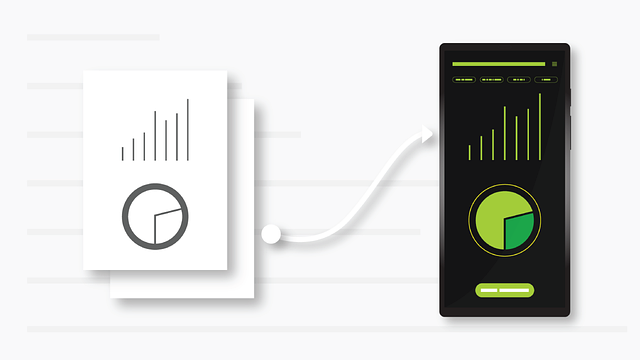
- Reporting dashboards for management, finance, and operations teams
- Data consolidation tools to pull information from spreadsheets, legacy systems, and cloud tools into one place
This type of custom software doesn’t necessarily replace your existing systems, it connects and extends them so they work together.
If you’re not sure whether you need a full custom build or just integrations and reporting, we can help you weigh the options and costs.
A Step‑By‑Step Custom Software Development Process
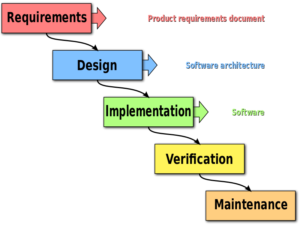
A clear, predictable process matters, especially when teams are split between locations and time zones. Here’s how we typically deliver custom software development for Papua New Guinea businesses.
Discovery And Requirements
We start with structured conversations and (where possible) on-site or remote process walkthroughs:
- Understand your strategic goals and pain points
- Map current workflows, systems, and data sources
- Identify constraints: connectivity, devices, skills, regulations
- Prioritise features into “must-have” and “nice-to-have”
The output is a requirements document in plain language, so everyone is clear on what we’re building and why.
Design, Prototyping, And Technical Planning
Next, we move into design and planning:
- Wireframes and mockups – To show layouts and user journeys before any code is written
- Technical architecture – Choosing frameworks, databases, hosting (cloud, on-prem, or hybrid)
- Integration plan – How we’ll connect to your existing systems and data
We review this with you and your key staff, adjusting until it aligns with your needs and budget.
Development, Testing, And Quality Assurance
With a clear plan in place, we begin development in iterative sprints:
- Regular progress demos so you can see and test features early
- Functional testing to make sure each feature behaves as expected
- Performance testing for low-bandwidth and mobile conditions
- Security reviews and hardening where sensitive data is involved
We involve your team in user acceptance testing (UAT) so they can verify the system works in real scenarios.
Deployment, Training, And Ongoing Support
When the system is ready to go live, we manage the rollout carefully:
- Staged deployment (pilot groups before full roll-out)
- Data migration planning and execution
- Onsite or remote training sessions
- Simple user guides and admin documentation
After launch, we offer ongoing support and maintenance, including:
- Bug fixes and performance tuning
- Security updates
- Enhancements and new features based on user feedback
If you’d like to see how this process would apply to your specific project, we can walk through a sample plan during an initial consultation.
Budget, Timelines, And Managing Project Risks
A custom software project is an investment. Our goal is to help you understand the main cost drivers and risks upfront, then manage them together.
Typical Cost Drivers For Custom Software In Papua New Guinea
Costs will vary by project, but key factors include:
- Scope and complexity – Number of modules, user roles, and integrations
- Platform choice – Web only vs native mobile apps vs hybrid solutions
- Integration requirements – Connecting to legacy systems can add complexity
- Security and compliance needs – Higher requirements mean more design and testing
- Ongoing support – Whether you want a basic support agreement or a more involved partnership
We usually provide a phased estimate, so you can decide what to include in stage one and what can wait.
Realistic Timelines And Phased Delivery
Timeframes depend on scope, but as a rough guide:
- Smaller tools or integrations: a few weeks to a couple of months
- Medium-sized web applications: 3–6 months
- Larger platforms with multiple integrations: 6–12+ months in phased releases
We favour phased delivery, where you get a working core system earlier, then we add more features. This reduces risk, gives you value sooner, and lets us adjust based on real user feedback.
Risk Management: Scope, Infrastructure, And Change Control
Every project has risks. Our job is to call them out early and manage them well.
We focus on:
- Scope clarity – A clear, agreed specification so expectations match reality
- Infrastructure planning – Hosting and connectivity choices that fit PNG’s conditions
- Change control – A simple process for handling new ideas and changes without blowing out cost and time
- User adoption – Training and change management so people actually use the new system
When you work with AGR Technology, we treat risk management as a shared responsibility, not fine print.
If you’d like a ballpark budget or timeframe for your idea, we can provide that once we understand your goals and constraints.
Conclusion
If you’re operating in Papua New Guinea, you already know that generic software rarely fits the way you actually work.
Custom software development gives you a way to:
- Match systems to your people, locations, and infrastructure
- Improve efficiency and visibility without forcing one-size-fits-all tools
- Support local compliance and reporting needs
- Build a platform you can grow and adapt over time
At AGR Technology, we specialise in helping diverse organisations design and carry out practical, reliable, and secure software solutions, from internal tools and field apps to customer portals and system integrations.
If you’re:
- Frustrated with manual, paper-heavy processes
- Struggling to get a clear view across branches or projects
- Considering a new system but unsure where to start
…we’re happy to step in and help you plan the next move.
Next steps:
- Book a discovery call – Share your challenges and goals: we’ll outline realistic options.
- Request a ballpark estimate – Get a sense of budget and timelines before you commit.
- Ask for a process review – We can look at your current tools and processes and suggest where software will actually make a difference.
Ready to explore custom software development for Papua New Guinea with a team that understands the practical realities on the ground?
Contact AGR Technology today and let’s work out what’s possible for your organisation.
Frequently Asked Questions
What is custom software development for Papua New Guinea?
Custom software development for Papua New Guinea is the process of designing, building, and maintaining software tailored to the way your PNG organization actually operates. It factors in local connectivity, devices, languages, compliance, and legacy systems, instead of forcing you to adapt to generic, off-the-shelf tools.
Why is custom software development so important for PNG businesses?
For PNG businesses, custom software development is crucial because it can handle unreliable internet, remote field operations, paper-heavy workflows, and local regulatory requirements. It improves efficiency, data accuracy, and visibility across branches while supporting kina-based pricing, PNG tax rules, and sector-specific reporting needs.
Which industries in Papua New Guinea benefit most from custom software?
In Papua New Guinea, custom software is especially valuable for mining and resources, logistics and transport, agriculture and fisheries, retail and wholesale, professional services, NGOs, and education. These sectors often have remote operations, complex reporting, and integration needs that generic systems cannot easily handle.
How much does custom software development cost in Papua New Guinea?
Costs vary based on scope, complexity, number of users, and integrations. Smaller tools or single integrations may cost far less and be delivered in weeks, while larger multi-module platforms can require higher investment over months. A phased approach lets PNG businesses start with core features, then expand as value is proven.
What is the typical process for custom software development in Papua New Guinea?
A typical process includes discovery and requirements gathering, design and technical planning, iterative development, testing under PNG conditions (e.g., low bandwidth, mobile devices), and phased deployment. This is followed by training, documentation, and ongoing support for maintenance, security updates, and feature enhancements as your organization grows.
Country information:

MSchlauch, Public domain, via Wikimedia Commons
Custom Software Development Australia & Global
Custom Software Development Services Fiji