![logo-new-23[1]](https://agrtech.com.au/wp-content/uploads/elementor/thumbs/logo-new-231-qad2sqbr9f0wlvza81xod18hkirbk9apc0elfhpco4.png "logo-new-23[1]")

Finding the right therapist is hard enough. Your website shouldn’t make it harder.
For therapists and psychologists, a website isn’t just a digital business card, it’s often the very first interaction a potential client has with your practice. And that first impression matters. A lot. If your site feels outdated, hard to navigate, or doesn’t clearly communicate what you offer, prospective clients will leave and book with someone else.
At AGR Technology, we can build websites specifically designed for mental health professionals. Not generic templates. Not one-size-fits-all solutions. Purpose-built websites that reflect your practice, build trust from the first click, and turn visitors into booked clients.
Get into contact with us
Helping drive results for our clients of all sizes













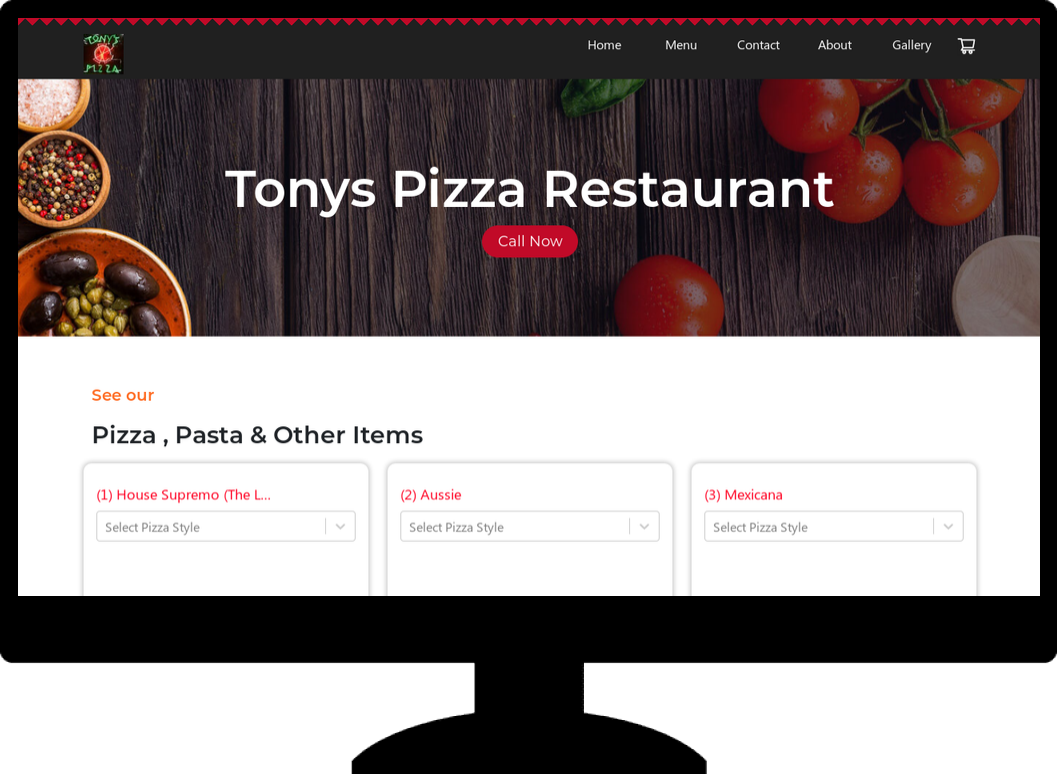
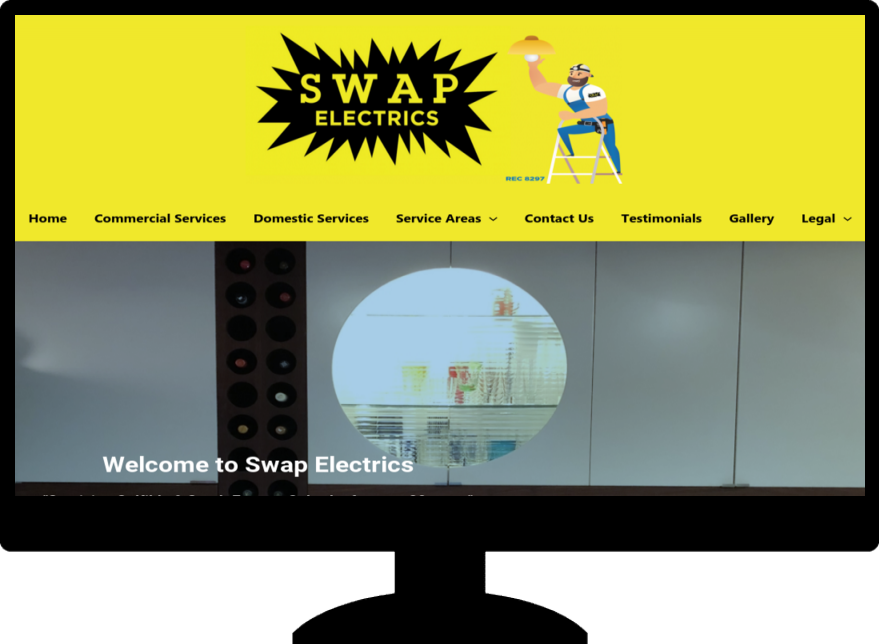
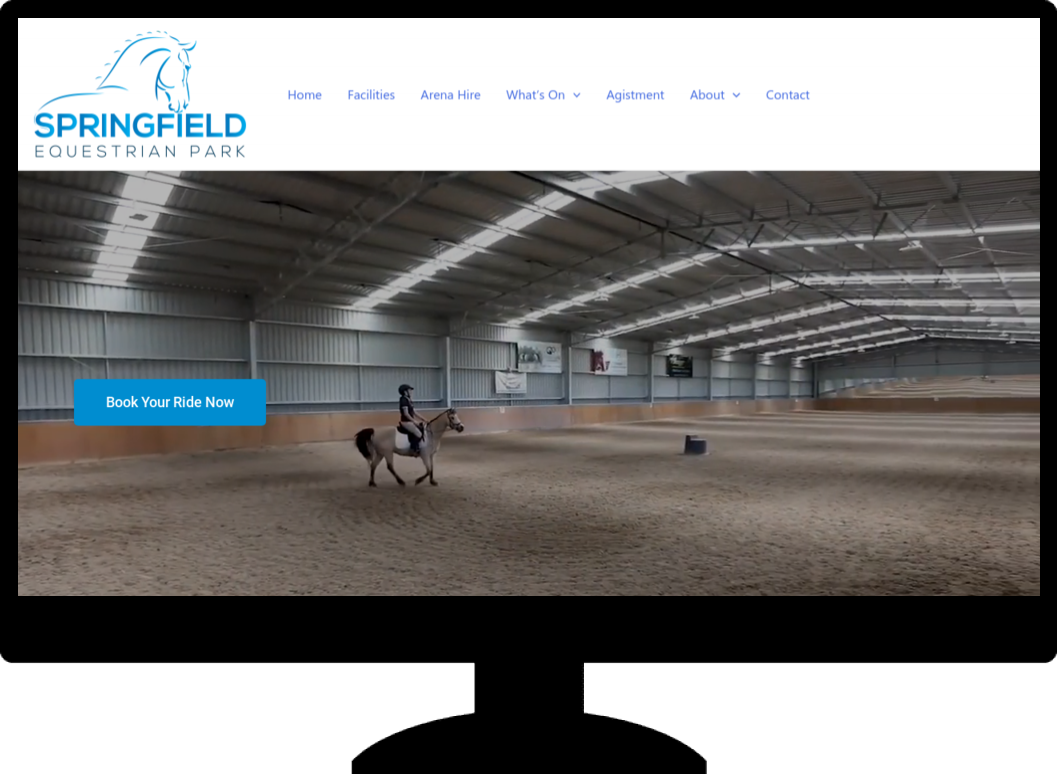
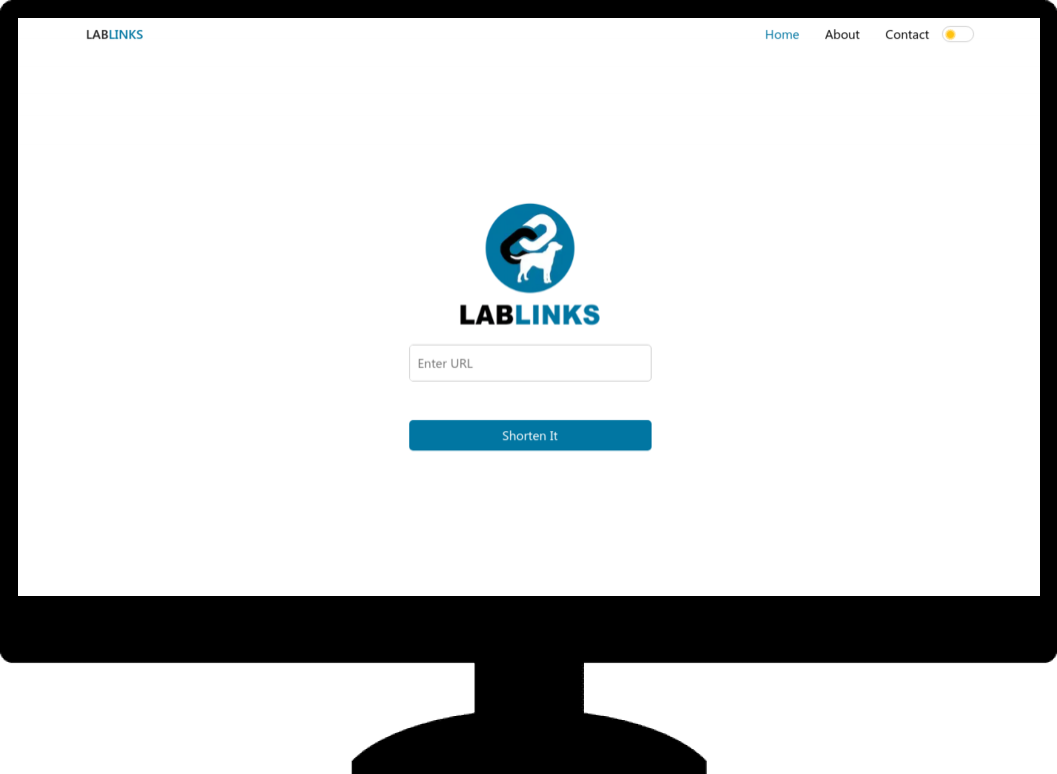
A snapshot of some of our work

What our clients are saying

Justine Brummans
Alessio is both incredibly knowledgeable and personable! He gave me great advice that was catered to me and my situation. Thank you Alessio! Super helpful!

Springfield Equestrian Park
Alessio is amazing! I can not speak highly enough of how helpful and knowledgeable he is, my website he created far exceeded my expectations, he is so accomodating and I can only wish him every success with his business. I rate AGR technology 10 out of 10.
Legacy Energy
We used AGR Technology and dealt with Alessio to design and build our website as well as host our emails. Alessio was a pleasure to deal with and had plenty of ideas that we could implement into our site. He has a great attention to detail, he is also very polite in understanding our goals and what we wanted to achieve with our website.
Thanks mate,
Alex & Rob
Excellent Service
Alessio developed our website for our business and has done a wonderful job. He is very personable and knowledgeable. We have enjoyed working with him. We will be referring others to him and highly recommend him to those who need Tech advice.
MRC Performance
I have been in business for over 10 Years and recently moved to AGR Technology for all our IT needs. They are able to fix nearly anything remotely and always very helpful in recommending appropriate hardware upgrades that do the job as required but not costing more than needed.

Alessio provided an excellent service. He was very dedicated in his method of finding solutions to problems. He continued to try different avenues until he found the reason as to why a particular application was not working. He was very knowledgeable in his understanding of the internet and of applications and how they work, and he was able to apply this knowledge in understanding how to resolve the obstacles that continued to appear. He is understanding towards his client's needs and goals and he is willing to work with his client in achieving those goals. He is a very polite and well mannered person and very calm and gentle in his approach. I would highly recommend Alessio's services to anyone.

Palmira Rigoli
Great work ethics Alessio! We at Totally Gluten Free Products are very happy to have you on board as our IT and SEO master. Very reliable, trustworthy and knowledgeable in the field.
YouTube Comment

Nat's Custom Designs
Alessio from AGR Technology has recently helped me create a website for my business.
Throughout the whole process from start to finish Alessio made the process easy for me, by calling me and explaining each step of the way. I'm not very computer savvy, but with Alessio taking the time to explain in detail everything I needed to know from putting inventory in to having it shipped. He even remotely joined my computer to help guide me through everything.
He's very knowledgeable and is experienced in everything I needed and if there was anything else I needed to know that wasn't something he was familiar with, he researched it.
I would HIGHLY recommend Alessio to anyone. He has not only helped me for now but I know that if I ever needed help with anything else he would definitely go above and beyond to help. Thank you so much for everything you have done. It's been a long process but well worth it 🙂
Byron Macumber
AGR Technology is amazing. not only do they stick with you through out the process, they also accommodate to your wants and needs. They are efficient in their work and they have high integrity. Their capabilities are shown through their website design, and appropriate knowledge of utilities regarding software. over the many years of working with them they have been fantastic. I would recommend to everyone
Very helpful
Alessio was thorough, diligent and kept me updated at all time points. I was very impressed with his performance, passion and dedication. I will continue to use his services.
Wantrup & Associates
Alessio of AGR Technology is an IT guy we rely on whenever we need IT help. His professionalism impressed us right at the first time. He solved many of our IT problems in no time. Excellent communication and speedy response.
We highly recommend this company
From a happy customer
Valeria Bianco
I received AGR contact information from a previous client, who had found their service excellent. So I contacted AGR with some expectations, and I can say they exceeded them. Professional, honest, punctual, reliable, their service is faultless. We can't recommend them highly enough.
Very fast, value for money and a comprehensive service
AGR is professional, organised and very skilled at what they do. They take the initiative, looking after all the details that you would not have thought of to enhance your website presence, marketing funnel and automated appointment bookings. Big bonus - pricings are at a fraction of the cost of competitors.
Customer testimonial
Alessio from AGR Technology is wonderful at gently guiding the less technically savvy users to solve problems. Back up service excellent. Highly recommended
SEO for website
The team is very cooperative and delivers clean and very efficient work.

Raimond Volpe
Nothing but good things to say about Alessio. He has been great service and great at communicating with me by both phone and email. Very good knowledge and problem-solving ability with our web development. I would thoroughly recommend Alessio and AGR Technology to anyone wanting online marketing or web development
Website design
Big thank you to Alessio at AGR Technology for a smooth and easy website development process. Nothing was to difficult to accomplish, I can highly recommend his first class service.
Why work with AGR Technology for your local website needs?







Why Therapists and Psychologists Need a Purpose-Built Website

Mental health practices operate differently from other businesses. The people visiting your website are often in a vulnerable state, anxious, uncertain, maybe even skeptical about reaching out. A generic website built on a cookie-cutter template doesn’t account for any of that.
A purpose-built website for therapists and psychologists addresses specific needs:
- Emotional reassurance, The design, imagery, and copy need to feel safe and welcoming, not clinical or corporate.
- Clear pathways to action, Whether it’s booking a session, calling your office, or filling out an intake form, visitors need to find what they’re looking for within seconds.
- Professional credibility, Your qualifications, therapeutic approach, and areas of specialization should be front and center.
- Privacy and compliance, Mental health websites must meet strict standards around data handling and patient confidentiality.
A DIY website builder might save money upfront, but it won’t account for these nuances. And when your website fails to connect with someone who needs help, that’s a missed opportunity, for both you and your potential client.
We’ve worked with healthcare professionals who came to us after struggling with exactly this. Their old sites looked fine on the surface but weren’t converting visitors. The fix wasn’t cosmetic. It was structural.
Key Features of an Effective Therapy Practice Website

Client-Centred UX and Calming Design
User experience (UX) for a therapy website is fundamentally different from, say, an e-commerce store. You’re not pushing a sale, you’re inviting someone to take a difficult first step.
That means:
- Calming colour palettes, Soft, muted tones that reduce visual stress. Think earthy greens, warm neutrals, and gentle blues rather than harsh contrasts.
- Clean layouts with plenty of white space, Cluttered pages create cognitive overload. Simplicity signals professionalism and calm.
- Warm, authentic imagery, Stock photos of people shaking hands in boardrooms won’t cut it. Imagery should feel genuine and relatable.
- Intuitive navigation, Services, about pages, booking, and contact information should be reachable in one or two clicks from any page.
We design every therapy website with the end user in mind, someone who may be visiting during a moment of real need.
Online Booking and Patient Intake Integration
If a potential client has to pick up the phone or send an email to book, you’ll lose a percentage of them. Full stop.
Modern therapy practice websites need seamless online booking integration. We build sites that connect directly with popular scheduling tools and patient management systems, so clients can:
- View available appointment times
- Select their preferred therapist (for group practices)
- Complete intake forms digitally before their first session
- Receive automated confirmations and reminders
This isn’t just convenient for clients, it reduces your admin workload significantly.
Compliance and Privacy Considerations
Mental health websites handle sensitive information. In Australia, that means compliance with the Australian Privacy Principles (APPs) under the Privacy Act 1988, along with any relevant state or territory health records legislation.
We ensure every website we build includes:
- SSL encryption across the entire site
- Secure contact and intake forms
- Clear, accessible privacy policies
- GDPR-compliant cookie consent where applicable
- Secure hosting with regular backups
Compliance isn’t optional. It’s foundational.
How Professional Web Design Builds Trust and Converts Visitors
Trust is everything in mental health care. And online, trust starts with design.
Research from Stanford’s Web Credibility Project found that 75% of users judge a business’s credibility based on its website design. For therapists and psychologists, that number arguably matters even more, people are deciding whether to share their most personal struggles with you.
Here’s how professional website design directly impacts conversion:
- Consistent branding reinforces legitimacy. If your logo, colors, and tone are cohesive across every page, visitors feel they’re dealing with an established, reliable practice.
- Testimonials and credentials placed strategically (not buried in a footer) give immediate social proof.
- Clear calls to action, “Book a Session,” “Get in Touch,” “Take the First Step”, guide visitors without being pushy.
- Fast load times and no broken elements, Nothing destroys trust faster than a site that feels neglected.
We’ve seen practices double their inquiry rates simply by redesigning their website with these principles. Not through paid ads or SEO tricks, just by making the site work harder for the people landing on it.
If your current website isn’t generating consistent inquiries, the design is likely the bottleneck. Get in touch with AGR Technology and we’ll audit your site for free.
Mobile Optimization and Speed for Healthcare Websites
Over 60% of web traffic in Australia comes from mobile devices. For therapy and psychology websites, that figure can be even higher, people searching for help often do so from their phone, sometimes late at night or during a difficult moment.
If your website isn’t fully responsive and lightning-fast on mobile, you’re turning people away.
Our approach to mobile optimization includes:
- Responsive design that adapts fluidly across all screen sizes, phones, tablets, and desktops
- Compressed images and optimized code to ensure pages load in under 2 seconds
- Tap-friendly buttons and forms, no pinching, zooming, or frustration
- Click-to-call functionality so mobile users can reach your practice instantly
- Core Web Vitals compliance, Google’s performance metrics directly affect your search rankings
Speed isn’t just a user experience issue. It’s an SEO issue. Google prioritizes fast, mobile-friendly sites in search results. If a competitor’s site loads faster than yours, they’ll likely rank higher, even if your content is better.
We build every therapy website mobile-first, because that’s how most of your clients will find you.
What to Look for in a Web Design Partner for Your Practice
Not every web designer understands the mental health space. Here’s what to look for when choosing a partner:
- Healthcare experience, Have they built websites for therapists, psychologists, or allied health professionals before? Ask for examples.
- SEO knowledge, A beautiful website that no one can find is a waste of money. Your web design partner should understand local SEO, keyword strategy, and on-page optimization.
- Ongoing support, Websites aren’t set-and-forget. You need a partner who offers maintenance, updates, and technical support after launch.
- Full-service capability, Can they handle hosting, domain management, content creation, and digital marketing? Working with a single provider simplifies everything.
- Transparent pricing, No hidden fees. No surprise invoices. Clear scope, clear cost.
At AGR Technology, we tick every one of these boxes. We’re an Australian digital partner that combines web design with SEO, content strategy, and custom technology solutions, all under one roof. That means your website isn’t just designed well. It’s built to perform.
The Web Design Process From Strategy to Launch
We don’t start with a template. We start with a conversation.
Here’s what our web design process looks like for therapy and psychology practices:
- Discovery and Strategy, We learn about your practice, your ideal clients, your services, and your goals. This shapes every design and content decision that follows.
- Sitemap and Wireframing, We map out the structure of your site, ensuring logical navigation and clear user pathways before any visual design begins.
- Design and Content, We create a custom design that reflects your brand and therapeutic approach. If you need help with copywriting, we handle that too.
- Development and Integration, We build your site on a fast, secure platform and integrate booking systems, intake forms, analytics, and anything else your practice needs.
- Testing and Quality Assurance, Every page is tested across devices and browsers. We check speed, accessibility, forms, and functionality.
- Launch and Handover, Your site goes live. We provide training so you can make basic updates yourself, and our team stays available for ongoing support.
Most projects take between 4–8 weeks from kickoff to launch, depending on complexity.
The result? A professional, high-performing website that represents your practice accurately and helps clients find you when they need you most.
Conclusion
Your website is often the first point of contact between you and someone who’s ready to seek help. It should feel safe, professional, and easy to use. It should reflect the care you put into your practice.
If your current website isn’t doing that, or if you’re starting from scratch, we can help.
AGR Technology builds website design solutions for therapists and psychologists that are secure, fast, mobile-friendly, and designed to convert visitors into clients. No templates. No guesswork. Just a website that works as hard as you do.
Ready to get started? Contact AGR Technology today for a free consultation and let’s build something your clients will trust.
Frequently Asked Questions
Why do therapists and psychologists need a purpose-built website?
Therapists and psychologists serve clients who are often anxious or vulnerable when searching for help. A purpose-built website addresses this with calming design, clear calls to action, professional credibility, and privacy compliance — elements generic templates typically lack. This builds trust from the first click and turns visitors into booked clients.
What features should a therapy practice website include?
An effective website design for therapists should include calming color palettes, intuitive navigation, online booking and intake form integration, mobile optimization, SSL encryption, and strategically placed testimonials. These features create a safe, professional experience that guides potential clients toward scheduling a session with minimal friction.
How does professional web design help therapists convert more clients?
Research shows 75% of users judge credibility based on website design. For therapists and psychologists, consistent branding, clear calls to action, fast load times, and visible credentials build immediate trust. Practices that invest in professional website design services often see significant increases in enquiry rates without relying on paid advertising.
How long does it take to design a website for a therapy practice?
A custom website design project for therapists and psychologists typically takes 4–8 weeks from initial discovery to launch. The timeline depends on complexity, content needs, and integrations like booking systems or patient intake forms. A structured process covering strategy, wireframing, design, development, and testing ensures a high-quality result.
What should I look for in a web design company for my psychology practice?
Look for healthcare experience, SEO knowledge, ongoing support, full-service capabilities including hosting and content creation, and transparent pricing. A web design partner who understands the mental health space will prioritize compliance, patient-centered UX, and local search visibility — not just aesthetics.
Is mobile optimization important for therapist websites?
Absolutely. Over 60% of web traffic in Australia comes from mobile devices, and people seeking therapy often search from their phones during difficult moments. Website design services for therapists must include responsive layouts, fast load speeds under two seconds, tap-friendly elements, and click-to-call functionality to avoid losing potential clients.
Related resources:
Allied Health Website Design Services
Digital Marketing Services For Hypnotherapists
Physical Therapy Digital Marketing Services
Drug Rehab Marketing & Addiction Treatment SEO

Alessio Rigoli is the founder of AGR Technology and got his start working in the IT space originally in Education and then in the private sector helping businesses in various industries. Alessio maintains the blog and is interested in a number of different topics emerging and current such as Digital marketing, Software development, Cryptocurrency/Blockchain, Cyber security, Linux and more.
Alessio Rigoli, AGR Technology