![logo-new-23[1]](https://agrtech.com.au/wp-content/uploads/elementor/thumbs/logo-new-231-qad2sqbr9f0wlvza81xod18hkirbk9apc0elfhpco4.png "logo-new-23[1]")

Your dream clients are searching for a wedding planner right now. The question is: will they find you?
In an industry built on aesthetics and trust, your website is often the first impression couples have of your business. A cluttered, outdated, or hard-to-navigate site can send potential clients straight to your competitors, no matter how talented you are at creating unforgettable celebrations.
We’ve worked with wedding planners across Australia who understand this reality. They know that a professional website isn’t just a digital business card: it’s a 24/7 sales tool that showcases your style, builds credibility, and converts browsers into bookings.
This guide covers everything you need to know about website design for wedding planners, from essential features and design best practices to SEO strategies and platform selection. Whether you’re launching your first site or refreshing an existing one, you’ll find practical insights to help you stand out in a competitive market.
Get into contact with us
Helping drive results for our clients of all sizes













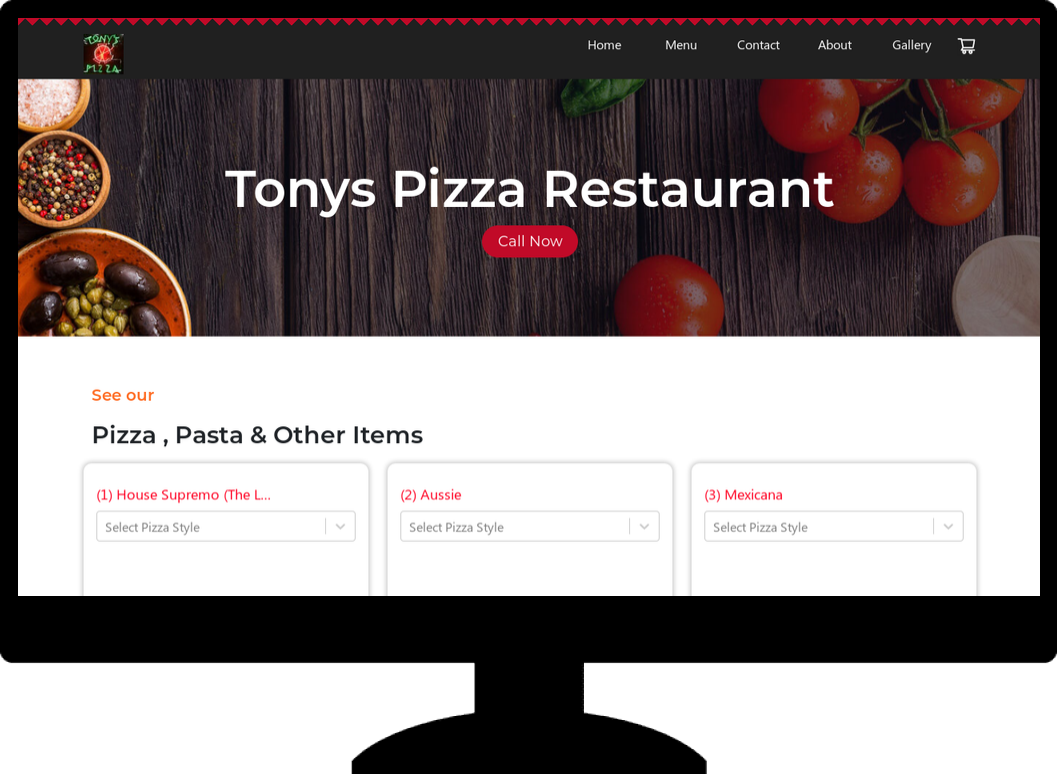
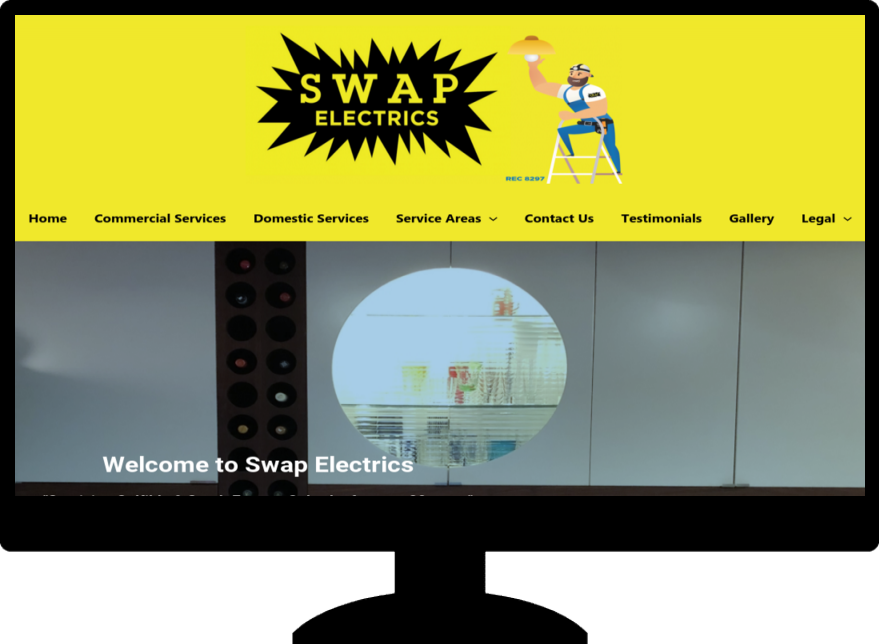
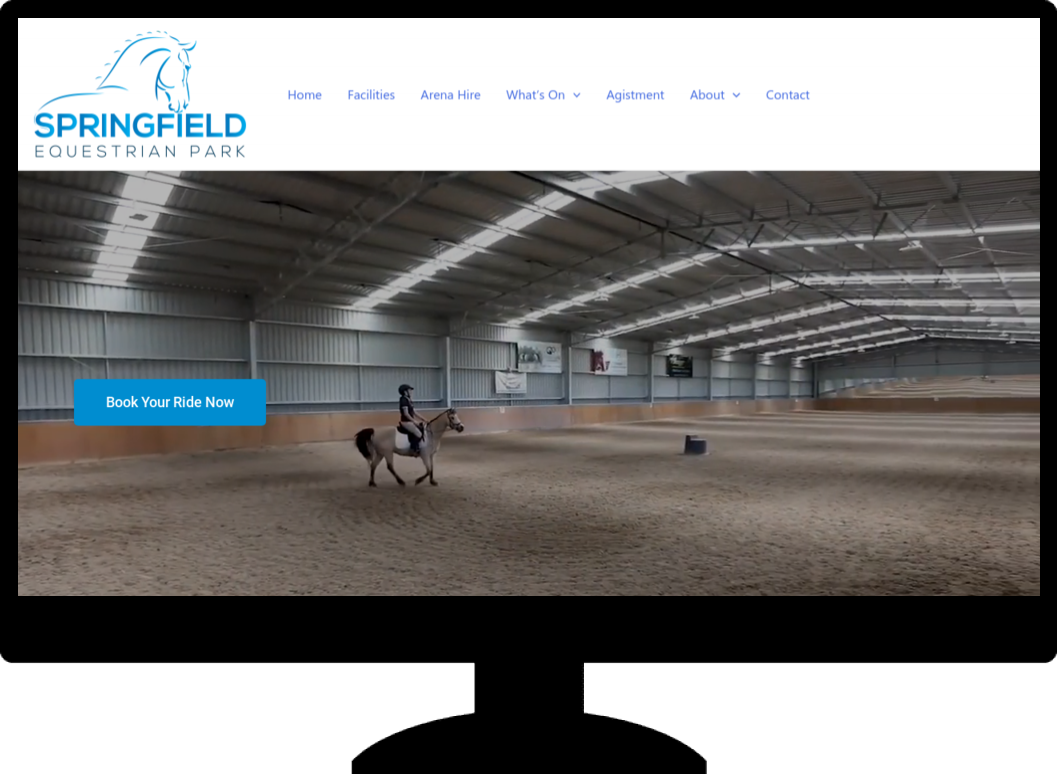
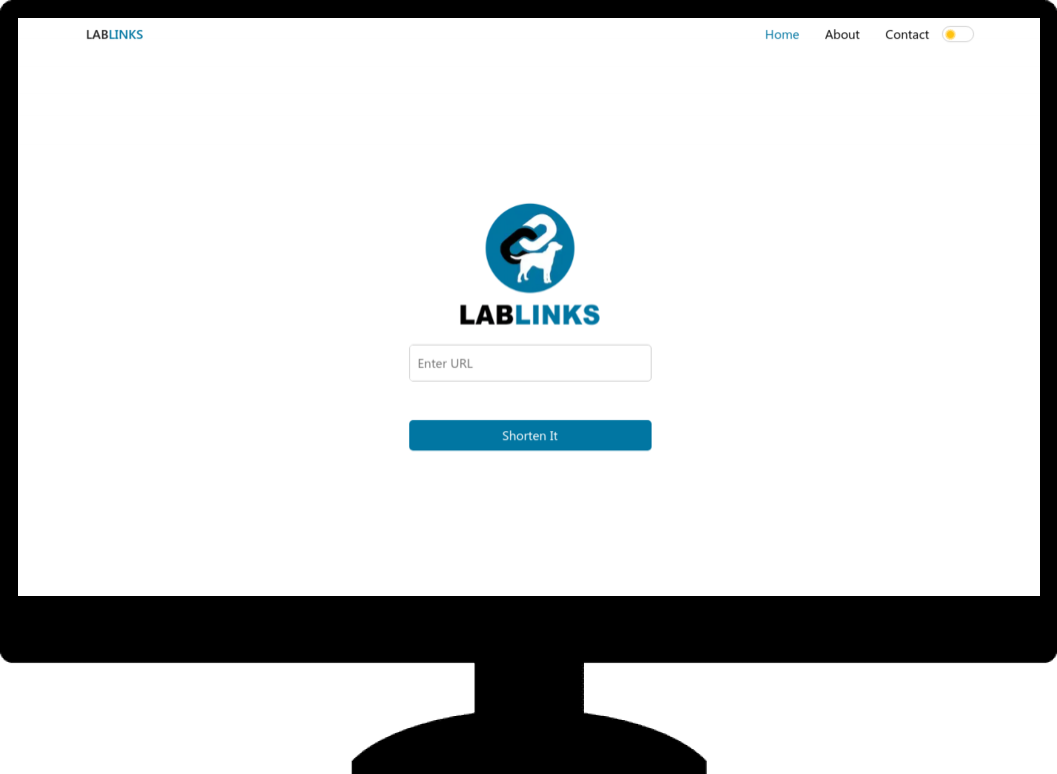
A snapshot of some of our work

What our clients are saying

Justine Brummans
Alessio is both incredibly knowledgeable and personable! He gave me great advice that was catered to me and my situation. Thank you Alessio! Super helpful!

Springfield Equestrian Park
Alessio is amazing! I can not speak highly enough of how helpful and knowledgeable he is, my website he created far exceeded my expectations, he is so accomodating and I can only wish him every success with his business. I rate AGR technology 10 out of 10.
Legacy Energy
We used AGR Technology and dealt with Alessio to design and build our website as well as host our emails. Alessio was a pleasure to deal with and had plenty of ideas that we could implement into our site. He has a great attention to detail, he is also very polite in understanding our goals and what we wanted to achieve with our website.
Thanks mate,
Alex & Rob
Excellent Service
Alessio developed our website for our business and has done a wonderful job. He is very personable and knowledgeable. We have enjoyed working with him. We will be referring others to him and highly recommend him to those who need Tech advice.
MRC Performance
I have been in business for over 10 Years and recently moved to AGR Technology for all our IT needs. They are able to fix nearly anything remotely and always very helpful in recommending appropriate hardware upgrades that do the job as required but not costing more than needed.

Alessio provided an excellent service. He was very dedicated in his method of finding solutions to problems. He continued to try different avenues until he found the reason as to why a particular application was not working. He was very knowledgeable in his understanding of the internet and of applications and how they work, and he was able to apply this knowledge in understanding how to resolve the obstacles that continued to appear. He is understanding towards his client's needs and goals and he is willing to work with his client in achieving those goals. He is a very polite and well mannered person and very calm and gentle in his approach. I would highly recommend Alessio's services to anyone.

Palmira Rigoli
Great work ethics Alessio! We at Totally Gluten Free Products are very happy to have you on board as our IT and SEO master. Very reliable, trustworthy and knowledgeable in the field.
YouTube Comment

Nat's Custom Designs
Alessio from AGR Technology has recently helped me create a website for my business.
Throughout the whole process from start to finish Alessio made the process easy for me, by calling me and explaining each step of the way. I'm not very computer savvy, but with Alessio taking the time to explain in detail everything I needed to know from putting inventory in to having it shipped. He even remotely joined my computer to help guide me through everything.
He's very knowledgeable and is experienced in everything I needed and if there was anything else I needed to know that wasn't something he was familiar with, he researched it.
I would HIGHLY recommend Alessio to anyone. He has not only helped me for now but I know that if I ever needed help with anything else he would definitely go above and beyond to help. Thank you so much for everything you have done. It's been a long process but well worth it 🙂
Byron Macumber
AGR Technology is amazing. not only do they stick with you through out the process, they also accommodate to your wants and needs. They are efficient in their work and they have high integrity. Their capabilities are shown through their website design, and appropriate knowledge of utilities regarding software. over the many years of working with them they have been fantastic. I would recommend to everyone
Very helpful
Alessio was thorough, diligent and kept me updated at all time points. I was very impressed with his performance, passion and dedication. I will continue to use his services.
Wantrup & Associates
Alessio of AGR Technology is an IT guy we rely on whenever we need IT help. His professionalism impressed us right at the first time. He solved many of our IT problems in no time. Excellent communication and speedy response.
We highly recommend this company
From a happy customer
Valeria Bianco
I received AGR contact information from a previous client, who had found their service excellent. So I contacted AGR with some expectations, and I can say they exceeded them. Professional, honest, punctual, reliable, their service is faultless. We can't recommend them highly enough.
Very fast, value for money and a comprehensive service
AGR is professional, organised and very skilled at what they do. They take the initiative, looking after all the details that you would not have thought of to enhance your website presence, marketing funnel and automated appointment bookings. Big bonus - pricings are at a fraction of the cost of competitors.
Customer testimonial
Alessio from AGR Technology is wonderful at gently guiding the less technically savvy users to solve problems. Back up service excellent. Highly recommended
SEO for website
The team is very cooperative and delivers clean and very efficient work.

Raimond Volpe
Nothing but good things to say about Alessio. He has been great service and great at communicating with me by both phone and email. Very good knowledge and problem-solving ability with our web development. I would thoroughly recommend Alessio and AGR Technology to anyone wanting online marketing or web development
Website design
Big thank you to Alessio at AGR Technology for a smooth and easy website development process. Nothing was to difficult to accomplish, I can highly recommend his first class service.
Why work with AGR Technology for your local website needs?





Why a Professional Website Matters for Wedding Planners
Couples planning their wedding typically research 5-10 vendors before making contact. Your website is where they decide if you’re worth a conversation.
Here’s what a professional website does for your business:
- Establishes credibility instantly. A polished, well-designed site signals that you take your business seriously. If your website looks amateur, couples may assume your services are too.
- Showcases your unique style. Wedding planning is personal. Your site should communicate your aesthetic, approach, and personality before you ever speak to a client.
- Works while you sleep. Unlike social media posts that disappear in algorithms, your website is always accessible, answering questions, displaying your portfolio, and capturing enquiries.
- Gives you control. Social platforms change their rules constantly. Your website is real estate you own, where you set the terms.
We’ve seen wedding planners transform their booking rates simply by upgrading from a DIY template to a professionally designed site. It’s not vanity, it’s business strategy.
The wedding industry is visual and emotional. Couples aren’t just hiring a service: they’re trusting someone with one of the most important days of their lives. Your website needs to reflect that level of care and attention to detail.
Essential Elements Every Wedding Planner Website Needs

A beautiful website means nothing if it doesn’t function properly. Here are the non-negotiables.
Crafting a Clear Brand Message
Within seconds of landing on your homepage, visitors should understand:
- Who you are
- What you offer
- Who you serve
- Why you’re different
Avoid generic taglines like “Making your dream wedding come true.” Instead, be specific. Do you specialise in destination weddings? Intimate elopements? Luxury celebrations? Sustainable events?
Your brand message should thread through every page, from your About section to your service descriptions. Consistency builds recognition and trust.
Showcasing Your Portfolio Effectively
Your portfolio is your most powerful selling tool. But throwing up a gallery of random images won’t cut it.
Best practices for wedding planner portfolios:
- Curate ruthlessly. Show only your best work. Quality beats quantity.
- Tell the story. Include brief descriptions of each wedding, the couple’s vision, challenges you solved, unique elements you created.
- Organise thoughtfully. Consider categories by venue type, style, or location to help couples find relevant examples.
- Update regularly. Feature your most recent work prominently. Outdated portfolios suggest an inactive business.
High-quality imagery is essential. If your photos don’t do justice to your work, it may be worth investing in professional photography of styled shoots.
Building Trust With Client Testimonials
Testimonials reduce risk in the buyer’s mind. They’re proof that you deliver on your promises.
Effective testimonial strategies:
- Include the couple’s names and wedding details (with permission) for authenticity
- Feature specific outcomes: “Sarah kept us on budget and found our dream florist”
- Use video testimonials where possible, they’re more engaging and harder to fake
- Scatter testimonials throughout your site, not just on a dedicated page
Don’t have testimonials yet? Ask past clients. Most are happy to help if you make it easy, send them a few prompting questions rather than asking them to write from scratch.
Design Best Practices for Wedding Planner Websites

Now let’s talk aesthetics and functionality.
Mobile-Responsive and User-Friendly Layouts
Over 60% of web traffic comes from mobile devices. If your site doesn’t work seamlessly on phones, you’re losing clients.
Mobile responsiveness means:
- Text that’s readable without zooming
- Buttons large enough to tap easily
- Images that resize appropriately
- Menus that function smoothly on smaller screens
Beyond mobile, focus on intuitive navigation. Visitors should find what they need within three clicks. Keep your menu simple, Home, About, Services, Portfolio, Contact. Anything more risks confusion.
Page speed matters too. If your site takes longer than three seconds to load, many visitors will leave. Compress images, minimise plugins, and choose reliable hosting.
Choosing Colors and Aesthetics That Attract Clients
Your colour palette and visual style should reflect your brand, and appeal to your ideal clients.
Some guidelines:
- Elegant and timeless often works better than trendy. You don’t want to redesign every year.
- White space is your friend. It makes content easier to read and photos stand out.
- Limit your colour palette. Two to three main colours plus neutrals creates cohesion.
- Typography matters. Choose fonts that are both beautiful and legible. Avoid overly decorative scripts for body text.
Consider who you want to attract. A wedding planner targeting luxury clients might choose a sophisticated palette of soft neutrals and gold accents. Someone specialising in bohemian outdoor weddings might go for earthy tones and organic textures.
Whatever you choose, maintain consistency across all pages. A cohesive visual identity reinforces professionalism.
Optimizing Your Website for Search Engines and Conversions
A stunning website is useless if no one finds it. SEO (search engine optimisation) helps couples discover you when they’re searching.
Key SEO strategies for wedding planners:
- Target location-based keywords. “Wedding planner Melbourne” or “Sydney wedding coordinator” captures local search intent.
- Create valuable content. A blog with wedding planning tips, venue guides, or real wedding features can attract organic traffic and showcase expertise.
- Optimise page titles and meta descriptions. These appear in search results, make them compelling and keyword-relevant.
- Use alt text on images. Describe your portfolio photos so search engines understand what they show.
- Build quality backlinks. Get listed on wedding directories, featured in publications, and linked from venue partner sites.
But traffic alone doesn’t pay the bills. Your site also needs to convert visitors into enquiries.
Conversion essentials:
- Clear calls to action. Every page should guide visitors toward the next step, usually contacting you.
- Easy-to-find contact information. Don’t make people hunt for your email or phone number.
- Simple enquiry forms. Ask for essential information only. Long forms discourage submissions.
- Strategic placement of CTAs. Include contact prompts throughout your site, not just on the Contact page.
At AGR Technology, we design wedding planner websites with both SEO and conversions in mind, because a pretty site that doesn’t generate leads isn’t doing its job.
Selecting the Right Website Platform
Choosing the right platform depends on your budget, technical comfort, and growth plans.
Popular options for wedding planners:
- WordPress – Highly customisable with thousands of themes and plugins. Requires more technical knowledge but offers the most flexibility. Great for SEO.
- Squarespace – Known for beautiful templates and ease of use. Good for beginners who want a polished look without coding.
- Wix – User-friendly drag-and-drop builder. Suitable for simple sites but can be limiting as your business grows.
- Showit – Popular among creatives for its design flexibility. Integrates with WordPress for blogging.
Consider these factors:
- Ease of updates. Can you easily add new portfolio items and blog posts yourself?
- SEO capabilities. Does the platform support proper optimisation?
- Scalability. Will it grow with your business?
- Support. Is help available when things go wrong?
Many wedding planners start with a DIY solution, then outgrow it as their business expands. If you’re ready for a custom website that truly represents your brand and drives results, our team at AGR Technology specialises in creating bespoke websites for wedding industry professionals. Get in touch to discuss your project.
Conclusion
Your website is more than an online presence, it’s your most important marketing asset. In an industry where aesthetics and trust determine buying decisions, a professional, well-designed site can be the difference between a fully booked calendar and crickets.
To recap the essentials:
- Invest in professional design that reflects your brand
- Include clear messaging, a curated portfolio, and authentic testimonials
- Prioritise mobile responsiveness and user experience
- Optimise for search engines and conversions
- Choose a platform that supports your growth
Ready to elevate your online presence? AGR Technology helps wedding planners build websites that attract dream clients and convert browsers into bookings. Contact us today to start your project.
Frequently Asked Questions
What are the essential features of website design for wedding planners?
Essential features include a clear brand message, a curated portfolio showcasing your best work, authentic client testimonials, mobile-responsive design, intuitive navigation, and strong calls to action. These elements work together to build credibility, showcase your style, and convert visitors into bookings.
How can a wedding planner website improve search engine rankings?
Optimize your wedding planner website by targeting location-based keywords like ‘wedding planner Melbourne,’ creating valuable blog content, writing compelling page titles and meta descriptions, using alt text on portfolio images, and building quality backlinks from wedding directories and venue partners.
Why is mobile responsiveness important for wedding planner websites?
Over 60% of web traffic comes from mobile devices. A mobile-responsive website ensures text is readable, buttons are easy to tap, and images resize properly on smaller screens. Sites that load slowly or display poorly on phones lose potential clients to competitors.
What is the best website platform for wedding planners?
Popular platforms include WordPress for maximum flexibility and SEO, Squarespace for beautiful templates and ease of use, Wix for simple drag-and-drop building, and Showit for creative design flexibility. Choose based on your technical comfort, budget, and scalability needs.
How do I showcase my wedding planning portfolio effectively online?
Curate ruthlessly by showing only your best work, tell each wedding’s story with brief descriptions, organize by venue type or style, and update regularly with recent projects. High-quality professional photography is essential to accurately represent your work and attract ideal clients.
Related content:
Website Design for Wedding Photographers
Website Design & Development Melbourne
Website Design & Development Sydney
Website Design & Development Brisbane
Website Design & Development Shepparton

Alessio Rigoli is the founder of AGR Technology and got his start working in the IT space originally in Education and then in the private sector helping businesses in various industries. Alessio maintains the blog and is interested in a number of different topics emerging and current such as Digital marketing, Software development, Cryptocurrency/Blockchain, Cyber security, Linux and more.
Alessio Rigoli, AGR Technology