![logo-new-23[1]](https://agrtech.com.au/wp-content/uploads/elementor/thumbs/logo-new-231-qad2sqbr9f0wlvza81xod18hkirbk9apc0elfhpco4.png "logo-new-23[1]")
Got a finished design stuck in a static file? We turn your PSD, Figma, or Sketch designs into fast, editable, and secure WordPress sites, without losing a pixel. As a specialist web development team at AGR Technology, we build custom WordPress themes that look exactly like your design, load quickly, and are simple for your team to update.
Need a reliable, SEO‑ready build with clean code and an effortless editor experience? You’re in the right place. Book a quick call or request a fast quote, and we’ll map out the best path from design to deployment.
Get into contact with us
Helping drive results for our clients of all sizes


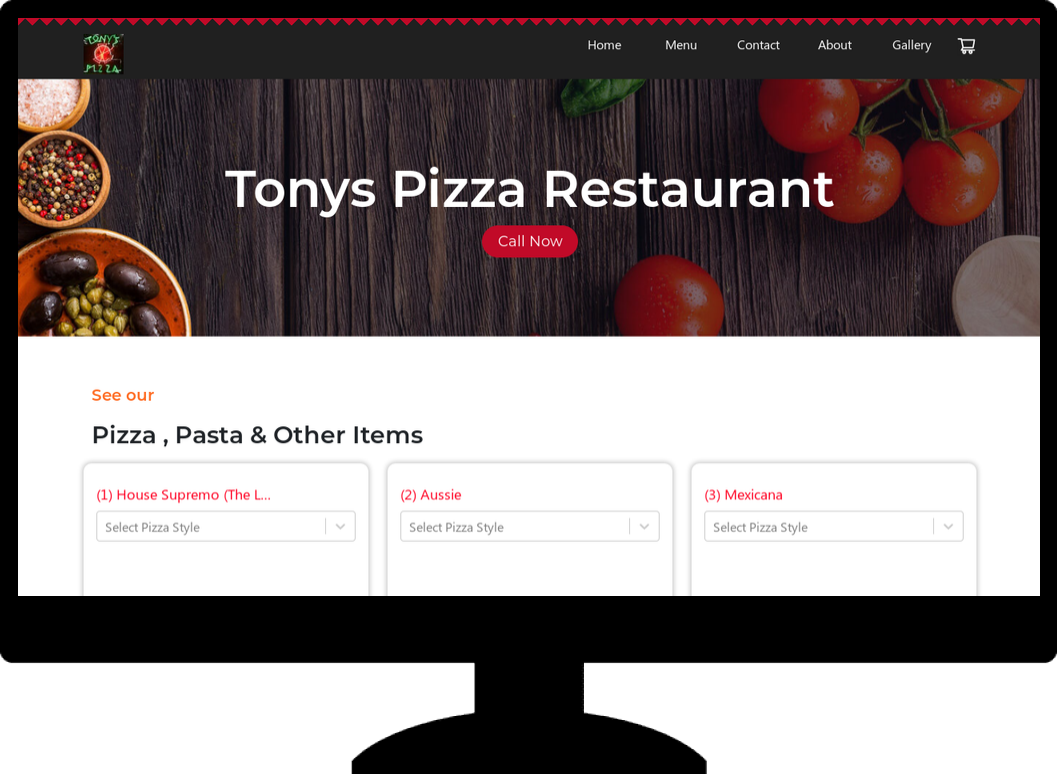
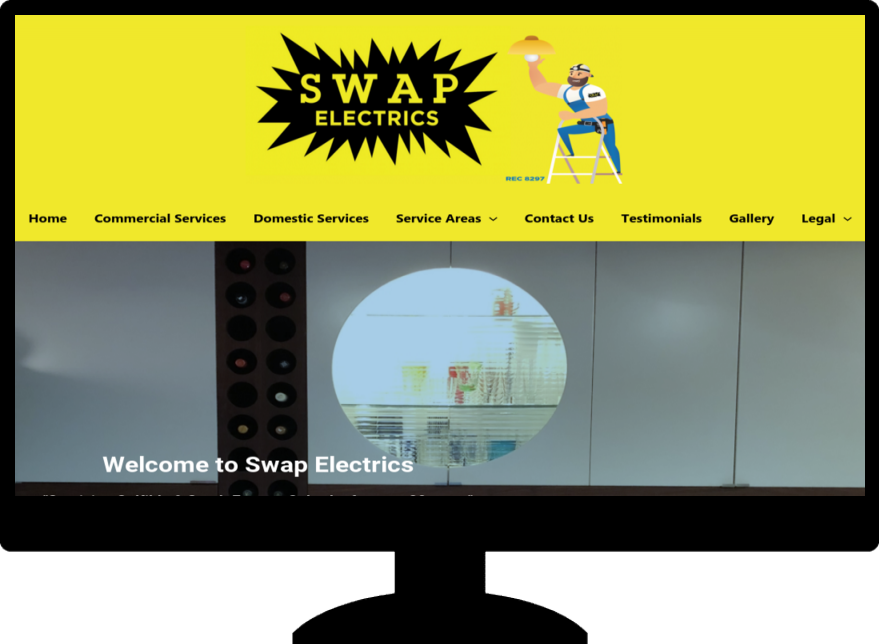
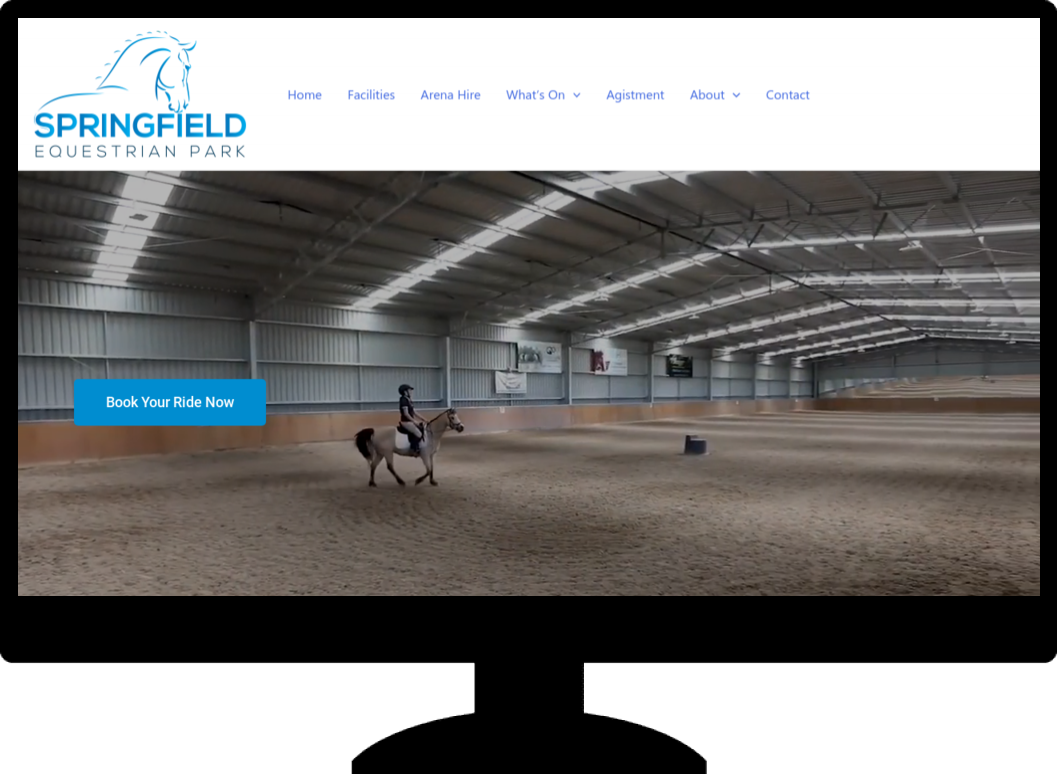
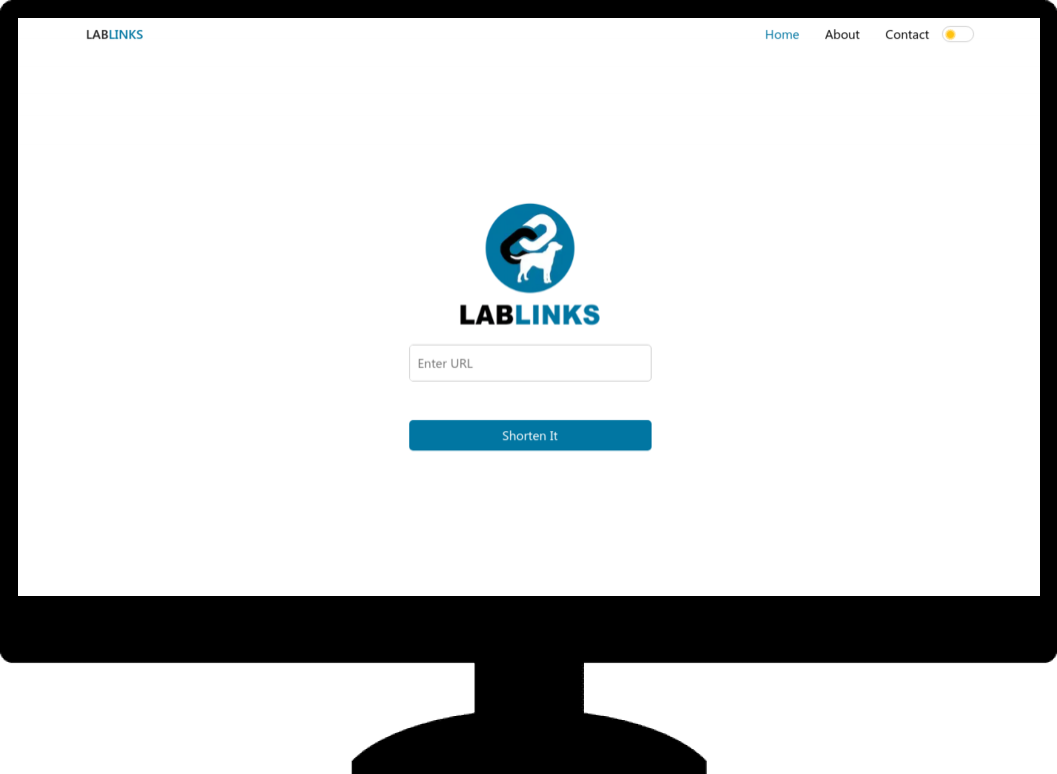
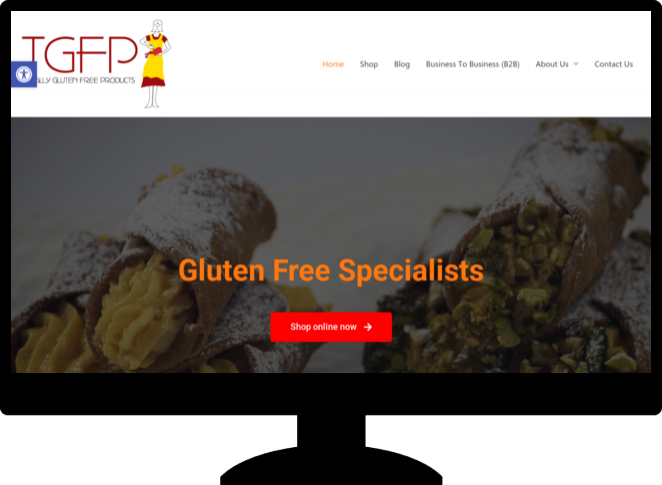
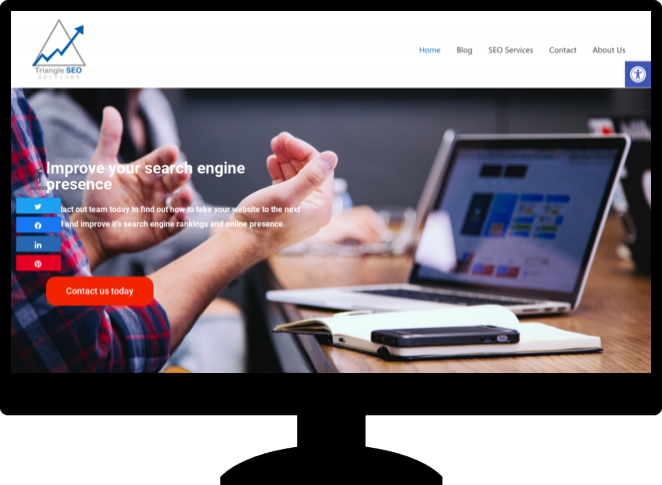
A snapshot of some of our work
What our clients are saying

Justine Brummans
Alessio is both incredibly knowledgeable and personable! He gave me great advice that was catered to me and my situation. Thank you Alessio! Super helpful!

Springfield Equestrian Park
Alessio is amazing! I can not speak highly enough of how helpful and knowledgeable he is, my website he created far exceeded my expectations, he is so accomodating and I can only wish him every success with his business. I rate AGR technology 10 out of 10.
Legacy Energy
We used AGR Technology and dealt with Alessio to design and build our website as well as host our emails. Alessio was a pleasure to deal with and had plenty of ideas that we could implement into our site. He has a great attention to detail, he is also very polite in understanding our goals and what we wanted to achieve with our website.
Thanks mate,
Alex & Rob
Excellent Service
Alessio developed our website for our business and has done a wonderful job. He is very personable and knowledgeable. We have enjoyed working with him. We will be referring others to him and highly recommend him to those who need Tech advice.
MRC Performance
I have been in business for over 10 Years and recently moved to AGR Technology for all our IT needs. They are able to fix nearly anything remotely and always very helpful in recommending appropriate hardware upgrades that do the job as required but not costing more than needed.

Alessio provided an excellent service. He was very dedicated in his method of finding solutions to problems. He continued to try different avenues until he found the reason as to why a particular application was not working. He was very knowledgeable in his understanding of the internet and of applications and how they work, and he was able to apply this knowledge in understanding how to resolve the obstacles that continued to appear. He is understanding towards his client's needs and goals and he is willing to work with his client in achieving those goals. He is a very polite and well mannered person and very calm and gentle in his approach. I would highly recommend Alessio's services to anyone.

Palmira Rigoli
Great work ethics Alessio! We at Totally Gluten Free Products are very happy to have you on board as our IT and SEO master. Very reliable, trustworthy and knowledgeable in the field.
YouTube Comment

Nat's Custom Designs
Alessio from AGR Technology has recently helped me create a website for my business.
Throughout the whole process from start to finish Alessio made the process easy for me, by calling me and explaining each step of the way. I'm not very computer savvy, but with Alessio taking the time to explain in detail everything I needed to know from putting inventory in to having it shipped. He even remotely joined my computer to help guide me through everything.
He's very knowledgeable and is experienced in everything I needed and if there was anything else I needed to know that wasn't something he was familiar with, he researched it.
I would HIGHLY recommend Alessio to anyone. He has not only helped me for now but I know that if I ever needed help with anything else he would definitely go above and beyond to help. Thank you so much for everything you have done. It's been a long process but well worth it 🙂
Byron Macumber
AGR Technology is amazing. not only do they stick with you through out the process, they also accommodate to your wants and needs. They are efficient in their work and they have high integrity. Their capabilities are shown through their website design, and appropriate knowledge of utilities regarding software. over the many years of working with them they have been fantastic. I would recommend to everyone
Very helpful
Alessio was thorough, diligent and kept me updated at all time points. I was very impressed with his performance, passion and dedication. I will continue to use his services.
Wantrup & Associates
Alessio of AGR Technology is an IT guy we rely on whenever we need IT help. His professionalism impressed us right at the first time. He solved many of our IT problems in no time. Excellent communication and speedy response.
We highly recommend this company
From a happy customer
Valeria Bianco
I received AGR contact information from a previous client, who had found their service excellent. So I contacted AGR with some expectations, and I can say they exceeded them. Professional, honest, punctual, reliable, their service is faultless. We can't recommend them highly enough.
Very fast, value for money and a comprehensive service
AGR is professional, organised and very skilled at what they do. They take the initiative, looking after all the details that you would not have thought of to enhance your website presence, marketing funnel and automated appointment bookings. Big bonus - pricings are at a fraction of the cost of competitors.
Customer testimonial
Alessio from AGR Technology is wonderful at gently guiding the less technically savvy users to solve problems. Back up service excellent. Highly recommended
SEO for website
The team is very cooperative and delivers clean and very efficient work.

Raimond Volpe
Nothing but good things to say about Alessio. He has been great service and great at communicating with me by both phone and email. Very good knowledge and problem-solving ability with our web development. I would thoroughly recommend Alessio and AGR Technology to anyone wanting online marketing or web development
Website design
Big thank you to Alessio at AGR Technology for a smooth and easy website development process. Nothing was to difficult to accomplish, I can highly recommend his first class service.
Why work with AGR Technology for your local website needs?


What PSD to WordPress Conversion Involves

From Static Design to Dynamic Theme
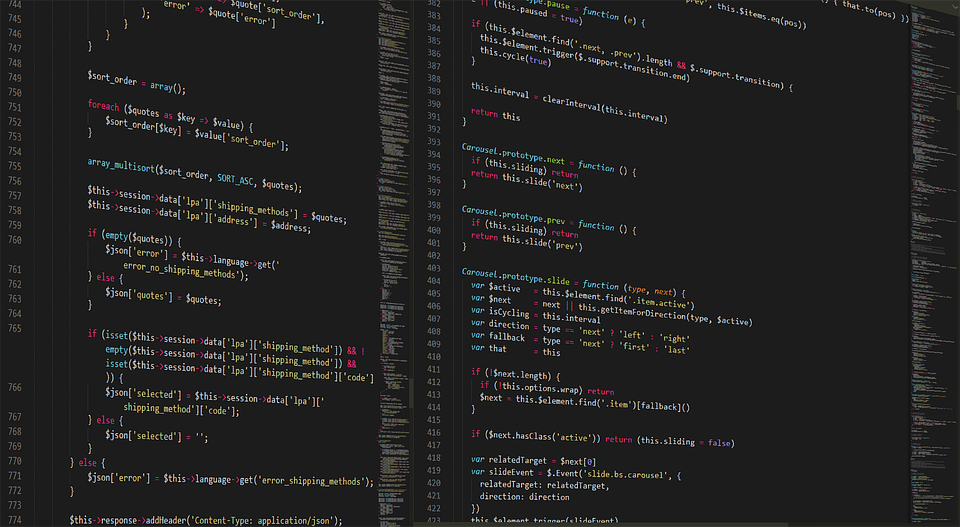
We take your static design (PSD or similar) and translate it into a custom WordPress theme. That means:
- Semantic HTML, clean CSS, and modern JavaScript for the front end.
- WordPress theme development with template hierarchy, custom post types, and taxonomies where needed.
- Responsive behavior across breakpoints and devices.
- Editor-friendly blocks and fields so you can update content without touching code.
The result: a site that looks right, loads fast, and is easy to manage.
When PSD, Figma, Or Sketch Files Are Used
We work with PSD, Figma, Sketch, and Adobe XD. Send layered source files with design specs (type styles, spacing, colors, and component states). If you have a design system or a style guide, we’ll align the theme to it. No source files? We can help extract assets and define a spec that reduces rework and surprises.
Common add-ons we support:
- Global style controls and theme.json
- WooCommerce templates and checkout flows
- Multilingual setup (WPML/Polylang)
- Form integrations and CRM handoffs
Benefits Of Converting To WordPress
Pixel-Perfect Fidelity And Responsive Layouts
Your brand depends on visual accuracy. We convert every layout, state, and interaction with care, navigation, modals, sliders, and forms included. We carry out fluid grids, flexible media, and CSS clamp() to maintain proportions from mobile to desktop. If your design includes complex components, we’ll advise on the most stable way to build them for the web.
SEO, Performance, And Accessibility
A proper build goes beyond the look:
- Technical SEO: logical headings, metadata, structured data where applicable, clean URLs.
- Performance: image optimization (WebP/AVIF), lazy loading, critical CSS, and lean scripts to support Core Web Vitals.
- Accessibility: WCAG-informed patterns (contrast, focus states, ARIA where needed) so everyone can use your site.
Editor Experience: Gutenberg And Custom Fields
We design the backend around your content team:
- Gutenberg blocks for flexible page building.
- Advanced Custom Fields (ACF) for tightly controlled layouts.
- Reusable patterns and lock-down options to protect brand consistency.
Prefer a hybrid approach? We’ll combine blocks and fields to balance flexibility with guardrails. Training and handover are included so you’re confident updating content on day one.
The Conversion Process, Step By Step
Design Audit And Specification
We start with a quick audit of your files to confirm scope and spot risks early. Together we define:
- Breakpoints and responsive rules
- Interaction states, animations, and microcopy
- Content models (posts, pages, CPTs) and taxonomies
- Third‑party integrations, forms, and tracking
You’ll receive a clear implementation plan and timeline before we write a line of code.
Front-End Build: Semantic HTML, CSS, And JS
We code accessible, maintainable interfaces:
- Semantic HTML5 with proper landmarks
- Modern CSS (Grid/Flexbox), custom properties, and progressive enhancement
- Vanilla JS or lightweight libraries when needed
- Cross‑browser and device testing as we go
Theme Development: PHP And Template Hierarchy
We convert the front end into a custom theme that matches WordPress best practices:
- Template hierarchy, partials, and get_template_part()
- theme.json for global styles and presets
- Custom post types and taxonomies if your content model needs them
- Menus, widgets, and customiser/theme settings as appropriate
Editor Experience: Gutenberg Blocks Or ACF
We build blocks/patterns for flexible content and ACF field groups for structured areas (hero, testimonials, FAQs, resource cards). The goal: fewer one‑off templates and more reusable building blocks. We’ll also set sensible permissions to keep layouts tidy.
Quality Assurance, Deployment, And Handover
Before launch we run:
- Functional testing across devices and browsers
- Lighthouse and WebPageTest checks for Core Web Vitals
- Accessibility checks (keyboard nav, colour contrast, labels)
- Staging review, DNS/hosting coordination, and rollback plan
You get documentation, training, and a post‑launch warranty window. Need ongoing care? We offer maintenance and performance monitoring plans.
Ready to get started? Request a quote from AGR Technology and we’ll scope your build within one business day.
Technical Considerations And Best Practices
Responsive Strategy And Image Optimization
We set breakpoints based on your design and real device ranges. For images we use:
- Modern formats (WebP/AVIF) with fallbacks
- Responsive srcset/sizes and lazy loading
- SVG for icons and vector art
This keeps pages crisp and light.
Performance Budgets And Core Web Vitals
We agree on a performance budget up‑front, target LCP, CLS, and TBT, and keep scripts lean. Where possible we:
- Defer or conditionally load JS
- Inline critical CSS and preload key assets
- Use caching and a CDN
- Avoid heavy page builders that bloat output
Accessibility (WCAG) And Coding Standards
We follow WordPress coding standards and align with WCAG guidance:
- Proper labels, roles, and focus management
- Logical heading orders and list semantics
- Sufficient colour contrast and visible focus states
These practices improve usability and often SEO as well.
How To Choose A Conversion Partner
Portfolio, Code Samples, And References
Ask to see code, not just screenshots. Look for:
- Semantic markup and small bundle sizes
- Reusable components and clear naming
- Accessible patterns and testing notes
We’re happy to share references and sample repos under NDA.
Process, Communication, And Tooling
Clarity beats guesswork. We provide:
- A single project lead and weekly updates
- Staging environments and tracked QA
- Documented decisions in your preferred tools (Jira, Asana, Trello)
Scoping, Timeline, And Revision Policy
Insist on a written scope with acceptance criteria, a realistic timeline, and a clear revision policy. We outline what’s included (templates, blocks, integrations) and what triggers a change request so you stay in control of time and budget.
Want us to review your files and propose options? Book a quick consult with AGR Technology.
Pricing Models And What Affects Cost
Fixed-Bid Vs Hourly Engagements
- Fixed‑bid works well when designs and requirements are final. You get a set scope, price, and schedule.
- Hourly/retainer fits evolving designs or ongoing enhancements. You get flexibility with a capped weekly/monthly budget.
We’ll recommend the model that best suits your timeline and certainty level.
Complexity Drivers And Hidden Costs
Factors that influence cost:
- Number of unique templates and breakpoints
- Custom animations, sliders, or complex forms
- WooCommerce or multilingual setups
- API integrations and single sign‑on
- Content migration and redirection mapping
We flag likely risks (licensing, third‑party limits, hosting constraints) early to avoid surprises. For a precise estimate, send your files and a brief, AGR Technology will turn around a detailed quote fast.
Conclusion
A good PSD to WordPress conversion is more than slicing and coding. It’s faithful design execution, clean architecture, strong performance, and an editor experience your team actually enjoys.
If you want a pixel‑perfect, SEO‑ready, and maintainable build, without the bloat, let’s talk. Contact AGR Technology to review your design, confirm scope, and receive a clear proposal. No pressure, just straight answers and dependable delivery.
Frequently Asked Questions
What does a PSD to WordPress Conversion Service include?
A PSD to WordPress Conversion Service turns your static design into a custom theme using semantic HTML, clean CSS/JS, and WordPress best practices. Expect responsive layouts, Gutenberg blocks and/or ACF, technical SEO, performance optimizations (WebP, lazy loading, critical CSS), WCAG-informed accessibility, thorough QA, deployment support, documentation, and training.
Do you only work with PSD, or can you convert Figma and Sketch to WordPress?
We convert PSD, Figma, Sketch, and Adobe XD to WordPress. Send layered source files with typography, spacing, colors, and component states. If you have a design system, we’ll align to it. No complete spec? We can help extract assets, define breakpoints, and document behaviors to reduce rework and surprises.
Will my PSD to WordPress conversion be SEO-ready, fast, and accessible?
Yes. Builds include technical SEO (logical headings, metadata, clean URLs, structured data where applicable), performance tuning for Core Web Vitals (WebP/AVIF, lazy loading, lean scripts, caching/CDN), and accessibility patterns aligned to WCAG (contrast, focus states, ARIA). We validate with Lighthouse/WebPageTest and cross-device testing before launch.
What’s the best way to prepare design files for a smooth PSD to WordPress handoff?
Organize layers and name consistently, include text styles, spacing tokens, and component variants (hover, active, error). Provide responsive breakpoints, interaction notes, and real content samples. Supply exportable assets (logo SVGs, icons) and image usage rights. A clickable prototype plus accessibility guidance accelerates development and reduces revisions.
Related content:
PSD to Responsive HTML Conversion
Membership WordPress Website Development Service
Custom WordPress Plugin Development
Alessio Rigoli is the founder of AGR Technology and got his start working in the IT space originally in Education and then in the private sector helping businesses in various industries. Alessio maintains the blog and is interested in a number of different topics emerging and current such as Digital marketing, Software development, Cryptocurrency/Blockchain, Cyber security, Linux and more.
Alessio Rigoli, AGR Technology