![logo-new-23[1]](https://agrtech.com.au/wp-content/uploads/elementor/thumbs/logo-new-231-qad2sqbr9f0wlvza81xod18hkirbk9apc0elfhpco4.png "logo-new-23[1]")

The herbal products industry is booming. More Australians are turning to natural remedies, organic supplements, and plant-based wellness solutions than ever before. But here’s the thing: having quality products isn’t enough. Your eCommerce website needs to do the heavy lifting, building trust, educating shoppers, and converting browsers into loyal customers.
At AGR Technology, we’ve seen firsthand how the right website design can transform a herbal products business. Whether you’re selling tinctures, essential oils, teas, or nutritional supplements, your site must speak to a discerning audience that values transparency, authenticity, and results. They’re not just buying products: they’re investing in their health and wellbeing.
This guide walks you through the essential elements of eCommerce website design tailored specifically for herbal products. From visual aesthetics to compliance considerations, we’ll show you how to create a site that reflects your brand’s values, educates your audience, and drives real sales.
Get into contact with us
Helping drive results for our clients of all sizes












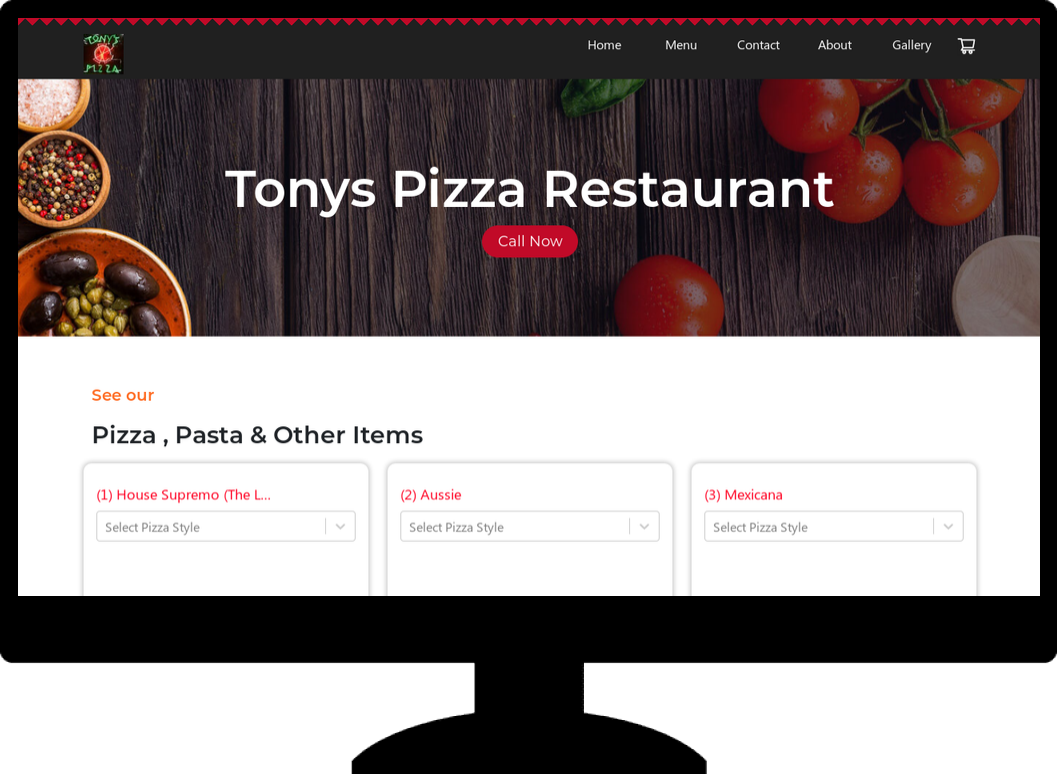
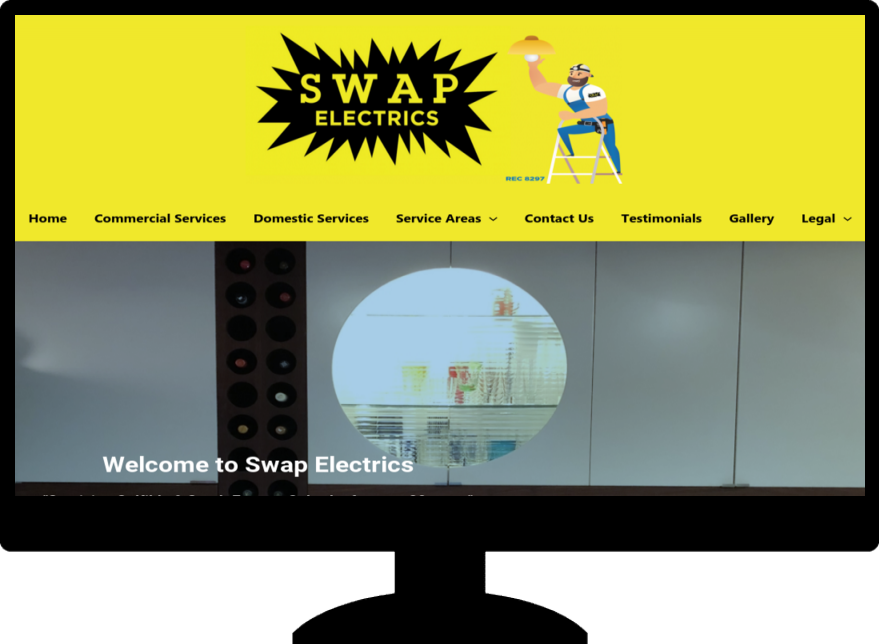
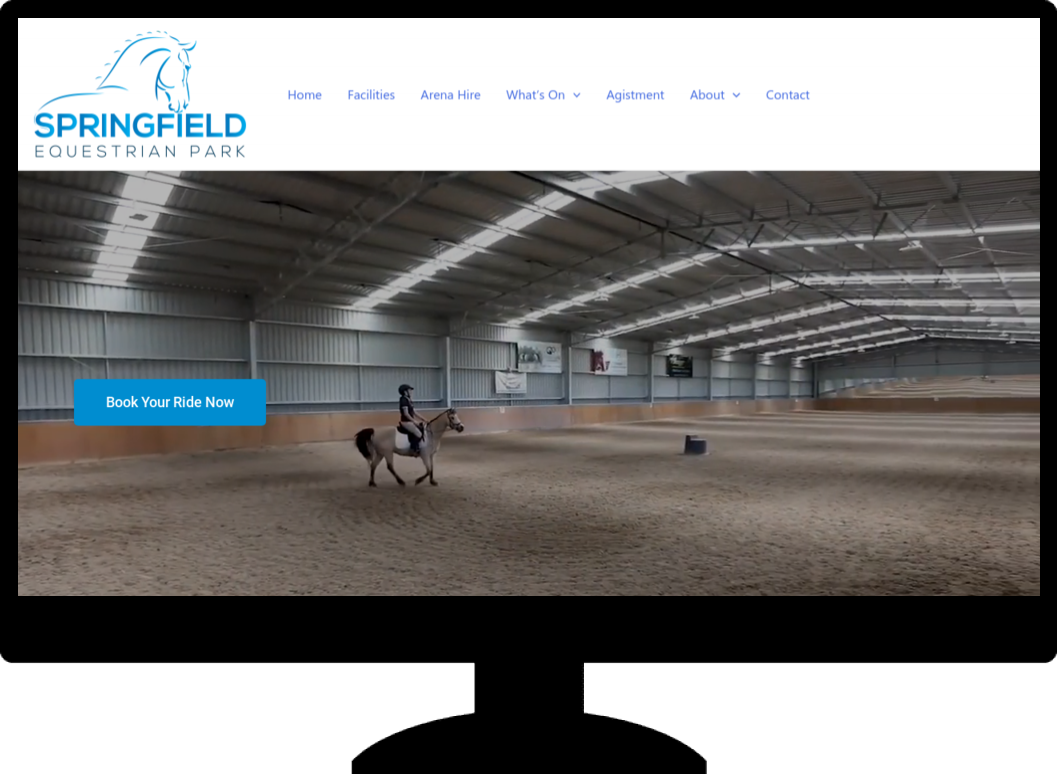
A snapshot of some of our work

What our clients are saying

Justine Brummans
Alessio is both incredibly knowledgeable and personable! He gave me great advice that was catered to me and my situation. Thank you Alessio! Super helpful!

Springfield Equestrian Park
Alessio is amazing! I can not speak highly enough of how helpful and knowledgeable he is, my website he created far exceeded my expectations, he is so accomodating and I can only wish him every success with his business. I rate AGR technology 10 out of 10.
Legacy Energy
We used AGR Technology and dealt with Alessio to design and build our website as well as host our emails. Alessio was a pleasure to deal with and had plenty of ideas that we could implement into our site. He has a great attention to detail, he is also very polite in understanding our goals and what we wanted to achieve with our website.
Thanks mate,
Alex & Rob
Excellent Service
Alessio developed our website for our business and has done a wonderful job. He is very personable and knowledgeable. We have enjoyed working with him. We will be referring others to him and highly recommend him to those who need Tech advice.
MRC Performance
I have been in business for over 10 Years and recently moved to AGR Technology for all our IT needs. They are able to fix nearly anything remotely and always very helpful in recommending appropriate hardware upgrades that do the job as required but not costing more than needed.

Alessio provided an excellent service. He was very dedicated in his method of finding solutions to problems. He continued to try different avenues until he found the reason as to why a particular application was not working. He was very knowledgeable in his understanding of the internet and of applications and how they work, and he was able to apply this knowledge in understanding how to resolve the obstacles that continued to appear. He is understanding towards his client's needs and goals and he is willing to work with his client in achieving those goals. He is a very polite and well mannered person and very calm and gentle in his approach. I would highly recommend Alessio's services to anyone.

Palmira Rigoli
Great work ethics Alessio! We at Totally Gluten Free Products are very happy to have you on board as our IT and SEO master. Very reliable, trustworthy and knowledgeable in the field.
YouTube Comment

Nat's Custom Designs
Alessio from AGR Technology has recently helped me create a website for my business.
Throughout the whole process from start to finish Alessio made the process easy for me, by calling me and explaining each step of the way. I'm not very computer savvy, but with Alessio taking the time to explain in detail everything I needed to know from putting inventory in to having it shipped. He even remotely joined my computer to help guide me through everything.
He's very knowledgeable and is experienced in everything I needed and if there was anything else I needed to know that wasn't something he was familiar with, he researched it.
I would HIGHLY recommend Alessio to anyone. He has not only helped me for now but I know that if I ever needed help with anything else he would definitely go above and beyond to help. Thank you so much for everything you have done. It's been a long process but well worth it 🙂
Byron Macumber
AGR Technology is amazing. not only do they stick with you through out the process, they also accommodate to your wants and needs. They are efficient in their work and they have high integrity. Their capabilities are shown through their website design, and appropriate knowledge of utilities regarding software. over the many years of working with them they have been fantastic. I would recommend to everyone
Very helpful
Alessio was thorough, diligent and kept me updated at all time points. I was very impressed with his performance, passion and dedication. I will continue to use his services.
Wantrup & Associates
Alessio of AGR Technology is an IT guy we rely on whenever we need IT help. His professionalism impressed us right at the first time. He solved many of our IT problems in no time. Excellent communication and speedy response.
We highly recommend this company
From a happy customer
Valeria Bianco
I received AGR contact information from a previous client, who had found their service excellent. So I contacted AGR with some expectations, and I can say they exceeded them. Professional, honest, punctual, reliable, their service is faultless. We can't recommend them highly enough.
Very fast, value for money and a comprehensive service
AGR is professional, organised and very skilled at what they do. They take the initiative, looking after all the details that you would not have thought of to enhance your website presence, marketing funnel and automated appointment bookings. Big bonus - pricings are at a fraction of the cost of competitors.
Customer testimonial
Alessio from AGR Technology is wonderful at gently guiding the less technically savvy users to solve problems. Back up service excellent. Highly recommended
SEO for website
The team is very cooperative and delivers clean and very efficient work.

Raimond Volpe
Nothing but good things to say about Alessio. He has been great service and great at communicating with me by both phone and email. Very good knowledge and problem-solving ability with our web development. I would thoroughly recommend Alessio and AGR Technology to anyone wanting online marketing or web development
Website design
Big thank you to Alessio at AGR Technology for a smooth and easy website development process. Nothing was to difficult to accomplish, I can highly recommend his first class service.
Why work with AGR Technology for your local website needs?







Understanding the Herbal Products Market and Your Audience

Before we talk design, let’s talk people. Your customers aren’t impulse shoppers. They research ingredients, read labels, and compare products. They’re health-conscious, often environmentally aware, and sceptical of marketing fluff.
This audience expects more from your website than flashy graphics. They want information, clear, honest, and accessible. They need to know what’s in your products, where ingredients are sourced, and how those ingredients benefit them.
We’ve found that successful eCommerce sites segment their audience effectively. Are you targeting wellness enthusiasts exploring natural alternatives? Parents seeking safe, chemical-free options for their families? Or practitioners and retailers buying in bulk? Each group has different priorities and pain points.
Your website design should reflect this understanding. Navigation, content, and calls to action must align with how your specific audience searches for and evaluates herbal products. When you know your customers deeply, your design decisions become intuitive rather than guesswork.
At AGR Technology, we help herbal product businesses map their customer journey and design experiences that resonate. Because understanding your audience isn’t just good practice, it’s the foundation of conversion.
Essential Design Elements for Herbal Product Websites

Design isn’t decoration. For herbal products, your visual identity communicates quality, purity, and professionalism before a single word is read.
Natural and Organic Visual Aesthetics
Your design should mirror the products you sell. Think earthy tones, greens, browns, soft creams, that evoke nature and wellness. But don’t fall into the trap of looking dated or amateurish. Modern herbal brands balance organic aesthetics with clean, contemporary layouts.
White space is your friend. It creates breathing room, highlights key information, and prevents your site from feeling cluttered. Fonts should be legible and professional, script fonts might feel ‘natural,’ but they’re often hard to read on mobile devices.
We recommend incorporating natural textures and imagery: botanical illustrations, wood grains, or soft gradients that suggest dawn or dusk. These elements should enhance, not overwhelm. Your products are the hero, not the background.
High-Quality Product Photography and Imagery
Let’s be honest: poor product photos kill conversions. For herbal products, customers can’t smell the lavender or feel the texture of your herbal salve. Photography bridges that gap.
Invest in professional images that show products from multiple angles, in context, and with clear labelling. Lifestyle shots, someone adding tincture to tea, applying herbal cream, or holding a beautifully packaged product, help customers visualise using your products in their daily routines.
Consistency matters. All product photos should share the same lighting, background style, and quality. This creates a cohesive brand experience that feels intentional and trustworthy.
At AGR Technology, we often guide clients through creating or sourcing imagery that not only looks beautiful but also loads quickly and displays perfectly across all devices. Because great design means nothing if it takes ten seconds to load.
Building Trust Through Transparency and Credibility

Trust is currency in the herbal products space. Your customers are putting these products in or on their bodies. They need reassurance that you’re legitimate, knowledgeable, and accountable.
Start with visible trust signals throughout your site. Display certifications prominently, organic certifications, TGA compliance, third-party testing results. If your products are vegan, cruelty-free, or sustainably sourced, say so clearly and back it up with specifics.
An ‘About Us’ page isn’t optional: it’s essential. Share your story: why you started the business, your values, and your expertise in herbal products. If you have qualified herbalists, naturopaths, or industry experts on your team, introduce them. Put faces to the brand.
Transparency extends to your product information. List full ingredient panels, sourcing details, and manufacturing processes. If you test for heavy metals or pesticides, publish those results. This level of openness differentiates you from competitors who hide behind vague claims.
Don’t forget practical trust builders: clear contact information, responsive customer service options, straightforward return policies, and secure payment gateways with visible security badges.
We help our clients at AGR Technology carry out these trust elements seamlessly into their design. Because in eCommerce, credibility isn’t built through claims, it’s demonstrated through consistent, transparent communication.
Product Pages That Educate and Convert
Your product pages are your sales team. For herbal products, they need to do double duty: educate and convert. Customers often arrive with questions, and your pages must answer them convincingly.
Detailed Ingredient Lists and Benefits
Never bury your ingredient list. Display it clearly and prominently. For each ingredient, consider explaining its purpose and benefits. A simple hover tooltip or expandable section works well.
For example, if your tea contains passionflower, don’t just list it, note that it’s traditionally used to support relaxation and healthy sleep patterns. This educates while building value.
Include usage instructions, suggested dosages, and any precautions. The more informed your customer feels, the more confident they are to buy.
Structure matters. Use tabs or accordions to organize information without overwhelming the page: Overview, Ingredients, How to Use, FAQs, Reviews. This keeps pages scannable while providing depth for those who want it.
Customer Reviews and Social Proof
Reviews are gold. Genuine customer feedback provides the validation that your marketing copy can’t. For herbal products, reviews often address effectiveness, taste, packaging, and customer service, all crucial decision factors.
Display star ratings prominently and feature both positive reviews and constructive feedback (yes, even less-than-perfect reviews increase credibility). Enable photos in reviews so customers can share their experience visually.
Integrate user-generated content elsewhere too: testimonials on the homepage, Instagram feeds showcasing real customers, or case studies for specific conditions or wellness goals.
At AGR Technology, we carry out review systems that are easy for customers to use and visually integrated into your design. Because social proof isn’t just nice to have, it’s essential for conversion.
Optimizing User Experience and Navigation
A beautiful website that’s hard to navigate is like a locked shop with a gorgeous storefront. User experience (UX) determines whether visitors find what they need or leave frustrated.
Start with intuitive navigation. Herbal product categories should be logical and specific: Shop by Concern (Sleep, Digestion, Immunity), by Product Type (Tinctures, Teas, Capsules), or by Ingredient (Turmeric, Ashwagandha, Echinacea). Avoid forcing customers to hunt.
Search functionality is critical. Many shoppers know exactly what they want, ‘valerian root tincture’ or ‘organic chamomile tea.’ Your search should be visible, fast, and capable of handling variations in spelling or product names.
Page speed directly impacts both user experience and SEO rankings. Compress images, minimize plugins, and choose quality hosting. We’ve seen bounce rates drop dramatically when load times improve by just a second or two.
Simplify the checkout process. Every extra step is an opportunity for cart abandonment. Offer guest checkout, multiple payment options (including digital wallets), and clear shipping information upfront.
Accessibility matters too. Ensure your site works for users with disabilities: proper contrast ratios, alt text for images, keyboard navigation support. This isn’t just ethical, it expands your potential customer base.
AGR Technology specializes in creating frictionless user experiences tailored to herbal eCommerce. We audit, test, and refine until your site works as beautifully as it looks.
Mobile Responsiveness for On-the-Go Shoppers
Over 60% of eCommerce traffic comes from mobile devices. If your herbal products website isn’t fully optimized for mobile, you’re leaving money on the table.
Mobile responsiveness means more than shrinking your desktop site. It requires rethinking layout, navigation, and interaction for smaller screens and touch interfaces.
Buttons and links must be large enough to tap accurately. Product images should zoom smoothly. Forms should minimize typing with auto-fill and dropdown options. Navigation menus need to be simple, avoid complex mega-menus that don’t translate well to mobile.
Page speed becomes even more critical on mobile, where users might be on slower connections. Lazy loading (images load as users scroll) and mobile-optimized images help maintain performance.
Test your mobile checkout flow ruthlessly. Is it easy to review cart contents? Can customers edit quantities or remove items without frustration? Does the payment process work smoothly on various devices and browsers?
Consider mobile-specific features: click-to-call buttons for customer service, location-based store finders if you have physical retail presence, or app-like experiences through progressive web apps (PWAs).
At AGR Technology, we design mobile-first for herbal product eCommerce. Because your customers research products on their lunch break, compare options while commuting, and make purchases from their couch. Your site needs to work flawlessly wherever they are.
Compliance and Legal Considerations for Herbal Ecommerce
Selling herbal products online isn’t just about design and marketing, it’s about compliance. In Australia, therapeutic goods are regulated by the TGA (Therapeutic Goods Administration), and violations can result in fines or forced closure.
Understand how your products are classified. Are they listed medicines (AUST L), registered medicines (AUST R), or foods? Each category has different labelling, advertising, and claims requirements.
Your website copy must comply with advertising regulations. Avoid making therapeutic claims unless your products are appropriately registered and you can substantiate those claims. Phrases like ‘treats,’ ‘cures,’ or ‘prevents’ trigger regulatory scrutiny.
Display required information clearly: product warnings, contraindications, batch numbers, expiry dates, and country of origin. Privacy policies, terms and conditions, and refund policies aren’t optional, they’re legal requirements that also build customer trust.
If you ship internationally, understand import regulations for destination countries. Some herbal ingredients are restricted or banned in certain markets.
Consider professional indemnity insurance and product liability coverage. Display your Australian Business Number (ABN) and contact information prominently.
At AGR Technology, we stay current with eCommerce compliance requirements and can guide you through the technical and content considerations. We’ll help ensure your website meets legal standards while maintaining the persuasive, customer-focused design your business needs.
Conclusion
Designing an eCommerce website for herbal products requires more than technical skill, it demands an understanding of your unique audience, their concerns, and the trust barriers you must overcome.
The most successful herbal eCommerce sites balance beautiful, nature-inspired design with robust functionality, transparent information, and seamless user experiences across all devices. They educate while they sell. They build credibility through specifics, not hype. And they make compliance and accessibility priorities, not afterthoughts.
Your website is often the first, and sometimes only, interaction potential customers have with your brand. It needs to work hard: answering questions, building confidence, and making purchase decisions effortless.
At AGR Technology, we specialize in building eCommerce solutions tailored to businesses. We understand the regulatory landscape, the customer mindset, and the design elements that convert browsers into buyers.
Ready to create an eCommerce website that truly represents your herbal products brand and drives sustainable growth? Get in touch with us at AGR Technology. Let’s build something that works as naturally and effectively as the products you sell.
Frequently Asked Questions
What design elements are essential for an eCommerce website selling herbal products?
Essential design elements include natural organic aesthetics with earthy tones, high-quality product photography from multiple angles, clear ingredient lists with benefits, customer reviews, intuitive navigation by concern or product type, and visible trust signals like certifications and TGA compliance information.
How can I build trust with customers on my herbal products website?
Build trust by displaying certifications prominently, providing full ingredient transparency with sourcing details, sharing third-party testing results, creating a detailed About Us page with team expertise, showcasing genuine customer reviews, and ensuring clear contact information and secure payment gateways are visible.
Why is mobile responsiveness important for herbal eCommerce websites?
Over 60% of eCommerce traffic comes from mobile devices. Mobile responsiveness ensures your site works flawlessly on smaller screens with touch-friendly buttons, fast load times, smooth image zooming, and simplified checkout flows, capturing customers who shop on-the-go.
What are the TGA compliance requirements for selling herbal products online in Australia?
TGA compliance requires proper product classification (AUST L or AUST R), avoiding unsubstantiated therapeutic claims like ‘treats’ or ‘cures,’ displaying required warnings and contraindications, showing batch numbers and expiry dates, and ensuring all advertising meets regulatory standards to avoid penalties.
How should product pages be structured for herbal supplements?
Product pages should educate and convert by featuring detailed ingredient lists with individual benefits, clear usage instructions and dosages, organized tabs for Overview, Ingredients, How to Use, and FAQs, plus prominent customer reviews with star ratings and photos for social proof.
What payment options should I offer on a natural health eCommerce site?
Offer multiple payment options including major credit cards, digital wallets like Apple Pay and Google Pay, and consider buy-now-pay-later services. Provide guest checkout to reduce friction, and display security badges prominently to reassure health-conscious customers about transaction safety.
Related resources:
Product Sourcing & Procurement Services For eCommerce Brands
Enterprise eCommerce Development
eCommerce Marketplace Development
Healthcare & Medical Clinic Backlinks

Alessio Rigoli is the founder of AGR Technology and got his start working in the IT space originally in Education and then in the private sector helping businesses in various industries. Alessio maintains the blog and is interested in a number of different topics emerging and current such as Digital marketing, Software development, Cryptocurrency/Blockchain, Cyber security, Linux and more.
Alessio Rigoli, AGR Technology