![logo-new-23[1]](https://agrtech.com.au/wp-content/uploads/elementor/thumbs/logo-new-231-qad2sqbr9f0wlvza81xod18hkirbk9apc0elfhpco4.png "logo-new-23[1]")
A generic website rarely works for an allied health business. Patients want clear information, easy booking options, and confidence that they’re dealing with a credible provider. And if your clinic is growing, your website also needs to support referrals, staff profiles, multiple locations, and day-to-day operations without becoming a headache to manage.
At AGR Technology, we design and develop allied health websites that are built for real business outcomes, not just looks. That means better patient experience, stronger local search visibility, and a site that supports enquiries, referrals, and bookings. Below, we explain what matters most in allied health website design services, what the process usually involves, and how to choose a web partner that understands both digital strategy and healthcare-focused user needs.
Get into contact with us
Helping drive results for our clients of all sizes












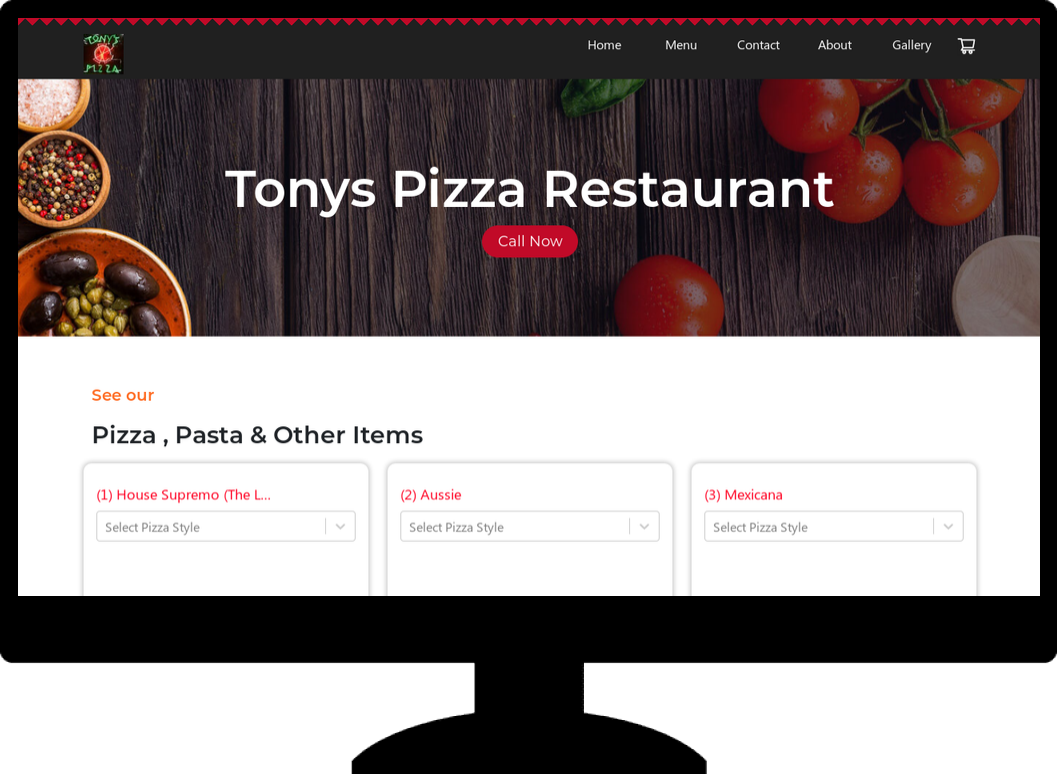
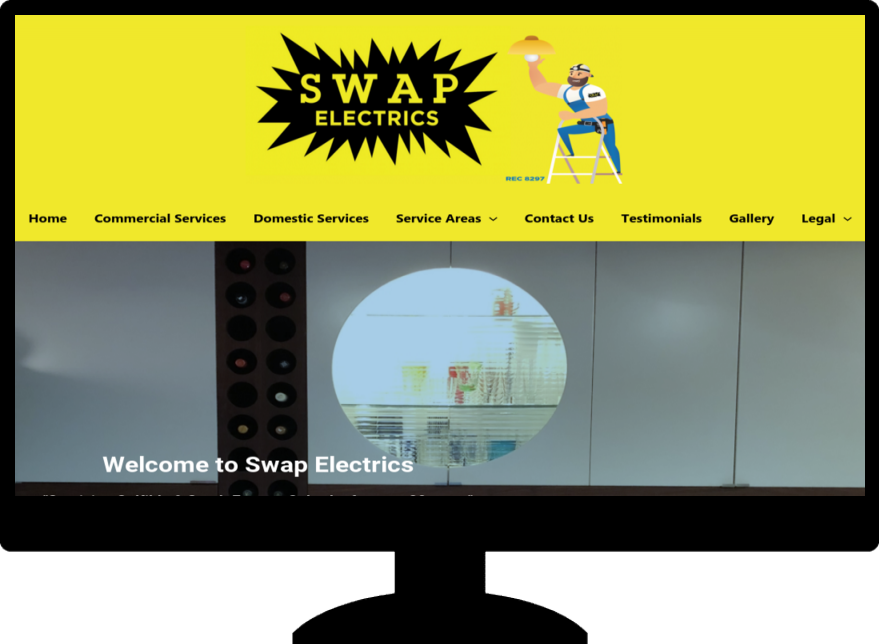
A snapshot of some of our work
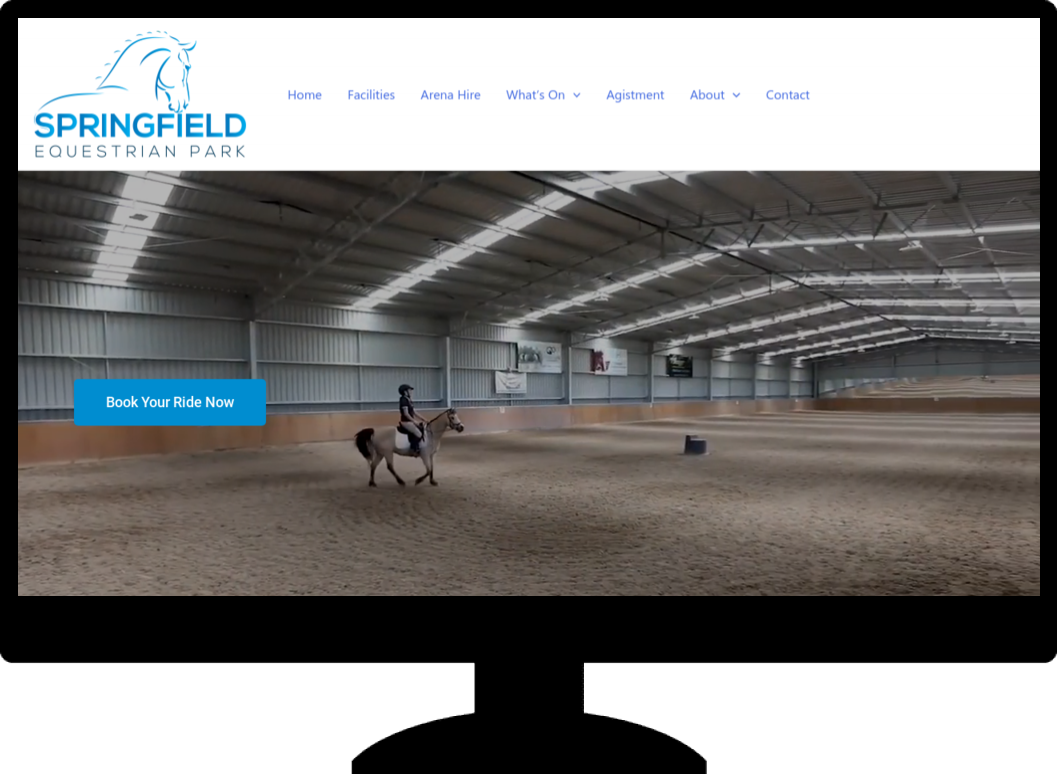
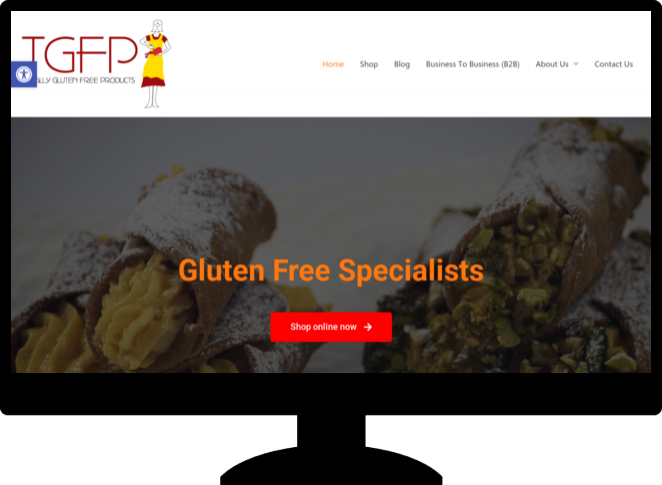
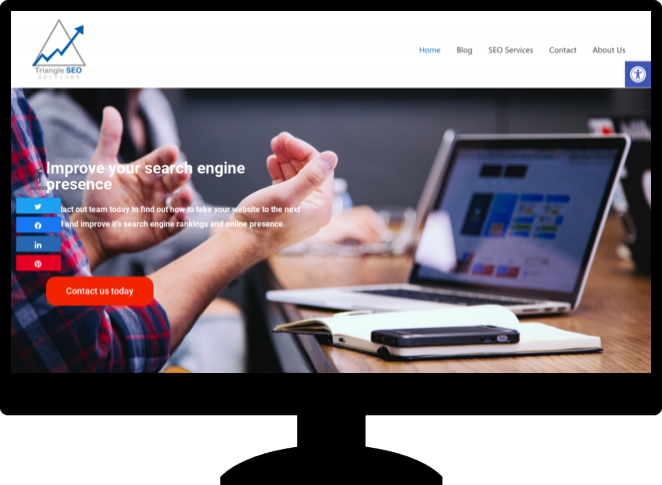
What our clients are saying

Justine Brummans
Alessio is both incredibly knowledgeable and personable! He gave me great advice that was catered to me and my situation. Thank you Alessio! Super helpful!

Springfield Equestrian Park
Alessio is amazing! I can not speak highly enough of how helpful and knowledgeable he is, my website he created far exceeded my expectations, he is so accomodating and I can only wish him every success with his business. I rate AGR technology 10 out of 10.
Legacy Energy
We used AGR Technology and dealt with Alessio to design and build our website as well as host our emails. Alessio was a pleasure to deal with and had plenty of ideas that we could implement into our site. He has a great attention to detail, he is also very polite in understanding our goals and what we wanted to achieve with our website.
Thanks mate,
Alex & Rob
Excellent Service
Alessio developed our website for our business and has done a wonderful job. He is very personable and knowledgeable. We have enjoyed working with him. We will be referring others to him and highly recommend him to those who need Tech advice.
MRC Performance
I have been in business for over 10 Years and recently moved to AGR Technology for all our IT needs. They are able to fix nearly anything remotely and always very helpful in recommending appropriate hardware upgrades that do the job as required but not costing more than needed.

Alessio provided an excellent service. He was very dedicated in his method of finding solutions to problems. He continued to try different avenues until he found the reason as to why a particular application was not working. He was very knowledgeable in his understanding of the internet and of applications and how they work, and he was able to apply this knowledge in understanding how to resolve the obstacles that continued to appear. He is understanding towards his client's needs and goals and he is willing to work with his client in achieving those goals. He is a very polite and well mannered person and very calm and gentle in his approach. I would highly recommend Alessio's services to anyone.

Palmira Rigoli
Great work ethics Alessio! We at Totally Gluten Free Products are very happy to have you on board as our IT and SEO master. Very reliable, trustworthy and knowledgeable in the field.
YouTube Comment

Nat's Custom Designs
Alessio from AGR Technology has recently helped me create a website for my business.
Throughout the whole process from start to finish Alessio made the process easy for me, by calling me and explaining each step of the way. I'm not very computer savvy, but with Alessio taking the time to explain in detail everything I needed to know from putting inventory in to having it shipped. He even remotely joined my computer to help guide me through everything.
He's very knowledgeable and is experienced in everything I needed and if there was anything else I needed to know that wasn't something he was familiar with, he researched it.
I would HIGHLY recommend Alessio to anyone. He has not only helped me for now but I know that if I ever needed help with anything else he would definitely go above and beyond to help. Thank you so much for everything you have done. It's been a long process but well worth it 🙂
Byron Macumber
AGR Technology is amazing. not only do they stick with you through out the process, they also accommodate to your wants and needs. They are efficient in their work and they have high integrity. Their capabilities are shown through their website design, and appropriate knowledge of utilities regarding software. over the many years of working with them they have been fantastic. I would recommend to everyone
Very helpful
Alessio was thorough, diligent and kept me updated at all time points. I was very impressed with his performance, passion and dedication. I will continue to use his services.
Wantrup & Associates
Alessio of AGR Technology is an IT guy we rely on whenever we need IT help. His professionalism impressed us right at the first time. He solved many of our IT problems in no time. Excellent communication and speedy response.
We highly recommend this company
From a happy customer
Valeria Bianco
I received AGR contact information from a previous client, who had found their service excellent. So I contacted AGR with some expectations, and I can say they exceeded them. Professional, honest, punctual, reliable, their service is faultless. We can't recommend them highly enough.
Very fast, value for money and a comprehensive service
AGR is professional, organised and very skilled at what they do. They take the initiative, looking after all the details that you would not have thought of to enhance your website presence, marketing funnel and automated appointment bookings. Big bonus - pricings are at a fraction of the cost of competitors.
Customer testimonial
Alessio from AGR Technology is wonderful at gently guiding the less technically savvy users to solve problems. Back up service excellent. Highly recommended
SEO for website
The team is very cooperative and delivers clean and very efficient work.

Raimond Volpe
Nothing but good things to say about Alessio. He has been great service and great at communicating with me by both phone and email. Very good knowledge and problem-solving ability with our web development. I would thoroughly recommend Alessio and AGR Technology to anyone wanting online marketing or web development
Website design
Big thank you to Alessio at AGR Technology for a smooth and easy website development process. Nothing was to difficult to accomplish, I can highly recommend his first class service.
Why work with AGR Technology for your local website needs?






Why Allied Health Providers Need A Purpose-Built Website

Allied health providers operate differently from many other service businesses. Patients often compare practitioners carefully, referral pathways matter, and trust is a big factor in whether someone books or keeps looking. That’s why a purpose-built website is not a nice-to-have. It’s a core business asset.
Whether you run a physio clinic, occupational therapy practice, speech pathology service, psychology clinic, podiatry business, or a multi-location allied health group, your website should help people understand what you do and take action quickly.
Support Patient Trust And Credibility
For most people, your website is their first impression of your clinic. If the site feels dated, confusing, or thin on information, it can create doubt straight away.
A well-designed allied health website helps build confidence by showing:
- Who your practitioners are
- What services you provide
- Who you help
- Where you’re located
- How to book or make an enquiry
- What patients can expect next
Clear practitioner bios, service explanations, FAQs, and a professional visual identity all help reduce uncertainty. In healthcare-adjacent industries, that matters a lot. People are often booking because they’re in pain, worried about a family member, or trying to solve an ongoing issue. A credible website can make that decision easier.
Improve Enquiries, Referrals, And Bookings
A purpose-built site should do more than sit online looking polished. It should support conversions.
For allied health businesses, that often means making it easier for:
- New patients to book appointments
- Referring practitioners to understand your services
- NDIS participants or carers to submit enquiries
- Existing patients to find forms, locations, or contact details
We focus on user journeys that remove friction. Sometimes that’s as simple as placing booking buttons in the right spots. Other times it means structuring service pages around specific treatment types, conditions, age groups, or funding pathways.
Meet The Operational Needs Of Growing Clinics
As a clinic grows, the website usually needs to do more. You may have multiple practitioners, multiple suburbs, different service categories, and changing availability. A basic brochure site can start to break pretty quickly under that pressure.
Purpose-built allied health web design supports operational needs such as:
- Location-specific landing pages
- Team profile management
- Online intake forms
- Integration with booking or practice management systems
- Recruitment or careers pages
- Scalable content for new services and expansion
That gives your business a better foundation for growth while keeping the user experience clean and simple.
Core Features Of Effective Allied Health Website Design Services
The best allied health website design services combine strategy, usability, technical performance, and search visibility. Design matters, of course. But it needs to support how patients actually browse, compare, and book.
Clear Service Pages And Practitioner Profiles
Patients often arrive with very specific questions. They may be searching for “paediatric speech therapy,” “sports physio near me,” or “occupational therapist for adults.” If your website buries this information, you lose attention fast.
Effective service pages should clearly explain:
- What the service is
- Who it is for
- Common conditions or goals addressed
- What an appointment may involve
- Referral or funding information where relevant
- Next steps for booking
Practitioner profiles are just as important. People want to know who they’ll be seeing. A strong profile should include qualifications, clinical interests, experience, and a short human introduction that makes the practitioner feel approachable.
Mobile-Responsive Design And Fast Load Times
A large share of healthcare-related browsing happens on mobile devices. If your site is slow, awkward on smaller screens, or difficult to navigate, users often leave before they even read the page.
Mobile-responsive web design helps ensure that:
- Menus are easy to use on phones
- Buttons are easy to tap
- Contact details are visible
- Forms are simple to complete
- Pages load quickly across devices
Speed matters for both users and SEO. Google has long used page experience and performance-related signals as part of broader search quality evaluation, and slow websites tend to convert worse anyway. In plain terms, a faster site usually creates a better first impression.
Online Booking, Forms, And System Integrations
Convenience matters. If a patient decides to book, they shouldn’t need to jump through hoops.
Depending on the clinic, useful functionality may include:
- Online appointment booking
- Enquiry forms for different services
- Referral submission forms
- Downloadable patient forms
- CRM integration
- Practice management software integration
- Call tracking or lead routing
At AGR Technology, we look at the wider digital ecosystem too. For some businesses, the website is just one part of a broader setup that may also include SEO, Google Ads, automation, and custom software workflows.
Accessibility, Privacy, And Healthcare Compliance Considerations
Allied health websites should be inclusive and careful with user data. While specific compliance needs vary by service type and region, there are some common considerations that should never be ignored.
These include:
- Accessible navigation and readable page layouts
- Clear privacy policy and consent messaging
- Secure forms and SSL encryption
- Careful handling of health-related enquiry information
- Compliant use of testimonials and marketing claims where applicable
Accessibility is also good business. A site that is easier to read, navigate, and use benefits everyone, not just a narrow group of visitors.
SEO And Local Visibility For Allied Health Websites
A strong website is far more valuable when people can actually find it. For allied health providers, local SEO is usually one of the biggest drivers of qualified traffic because patients often search by suburb, service type, and urgency.
Local Search Optimisation For Suburbs And Service Areas
Most clinics serve defined geographic areas. That means your site should reflect where you work, not just what you do.
Local search optimisation often includes:
- Location pages for clinics or service areas
- Suburb-focused metadata and page copy
- Optimised Google Business Profile support
- Consistent business name, address, and phone details
This helps search engines understand the relevance of your business for nearby searches. It also helps users confirm quickly that you’re in the right area.
Content Structure That Matches Patient Search Intent
Many healthcare websites miss the mark because they write from the clinic’s perspective only. Patients, on the other hand, usually search based on symptoms, goals, location, or practitioner type.
That’s why content structure matters.
A better allied health SEO approach aligns pages to real search intent, such as:
- Service-specific searches
- Condition-related searches
- Age-group needs
- Funding or referral questions
- Local “near me” intent
When pages are mapped properly, users land on content that feels relevant immediately. That tends to improve engagement and enquiry rates, not just rankings.
Technical Foundations That Support Long-Term Growth
SEO is not only about keywords. Your website also needs sound technical foundations so it can grow over time without running into avoidable issues.
That includes things like:
- Clean site architecture
- Crawlable internal linking
- Indexation control
- Fast performance
- Image optimisation
- Structured metadata
- Secure hosting and maintenance
At AGR Technology, we treat web design and SEO as connected disciplines. A visually strong site with weak technical SEO often underperforms. And an SEO-focused site with poor design can struggle to convert. You need both working together.
Choosing The Right Allied Health Website Design Partner
Not every web agency understands the needs of allied health businesses. Some deliver attractive websites that miss operational realities. Others focus too heavily on templates and leave little room for growth.
Choosing the right partner comes down to strategy, fit, and long-term value.
Industry Experience And Strategic Discovery
A good website project should begin with discovery, not guesswork.
Your web partner should want to understand:
- Your services and target audiences
- Your referral pathways
- Your booking process
- Your locations and expansion plans
- Your current marketing performance
- What success actually looks like for your business
This upfront planning shapes the sitemap, content, design direction, and conversion strategy. Without it, websites often end up looking fine but performing poorly.
Custom Design Vs Template-Based Approaches
Templates can work for very early-stage businesses with limited needs. But for many allied health providers, they create constraints around branding, SEO, content flexibility, and integrations.
Custom website design allows for:
- a stronger brand experience
- better layout decisions based on real user needs
- flexibility for service expansion
- more tailored conversion pathways
- improved scalability over time
That doesn’t mean every project needs to be overly complex. It means the solution should fit your business properly, not force your business into a rigid layout.
Ongoing Support, Updates, And Scalability
Websites are not set-and-forget assets. Plugins need updates. Content changes. New services launch. Search performance shifts. And clinics grow.
A reliable website design partner should be able to support you after launch with:
- Maintenance and security updates
- Content improvements
- SEO support
- Analytics and conversion tracking
- Landing page creation
- Performance reviews
This is where working with a broader digital partner can help. Because AGR Technology also supports SEO, software, automation, and digital growth initiatives, we can help clients think beyond the initial build and plan for what comes next.
What The Website Design Process Typically Involves
If you’re planning a new website, one of the most common questions is simple: what does the process actually look like?
While each project varies, a structured process usually leads to better outcomes and fewer surprises.
Planning, Sitemap, And Content Preparation
This stage sets the foundation. We usually begin by reviewing your business goals, existing website performance, service structure, and competitor landscape.
Typical outputs at this stage include:
- Project discovery and requirements gathering
- Sitemap planning
- User journey mapping
- Content planning
- SEO page targeting
- Functionality requirements
Content preparation is especially important for allied health businesses. Service pages, practitioner profiles, FAQs, and location content all need careful thought if you want the site to convert well and rank locally.
Design, Development, Testing, And Launch
Once planning is approved, the project moves into design and development.
This generally includes:
- Wireframes or layout planning
- Visual design aligned with your brand
- Responsive website development
- Booking and form setup
- Analytics and tracking configuration
- Device and browser testing
- Pre-launch quality assurance
A proper testing phase matters more than many businesses realise. Broken forms, layout issues, or slow-loading pages can affect lead flow from day one.
Post-Launch Optimisation And Performance Tracking
Launch day is important, but it’s not the finish line.
After launch, we typically recommend ongoing review of:
- Traffic sources
- Booking or enquiry conversions
- Landing page performance
- Keyword visibility
- User behaviour on key pages
- Technical health
This allows you to improve what’s already live rather than guessing. Sometimes a small change to page layout, CTA placement, or service page copy can lift results noticeably.
How To Measure Website Success For Allied Health Businesses
A website should support business outcomes, not just look modern. That means success needs to be measured in ways that connect to patient acquisition, operational efficiency, and visibility.
Lead Quality, Conversion Rates, And Booking Volume
Traffic on its own is not enough. A smaller number of relevant visitors can be more valuable than large volumes of untargeted traffic.
Some of the most useful performance indicators include:
- Number of qualified enquiries
- Online booking volume
- Phone call conversions
- Referral form submissions
- Conversion rate by landing page
- Cost per lead if paid campaigns are involved
Good measurement helps answer practical questions. Are the right patients finding you? Are they taking action? Are some services outperforming others?
Search Visibility And User Engagement Metrics
It’s also worth tracking how visible and usable the site is over time.
Useful metrics include:
- Rankings for local and service keywords
- Google Business Profile interactions
- Organic traffic to service and location pages
- Bounce or engagement trends
- Time on page
- Navigation paths to bookings or enquiries
When reviewed together, these metrics show whether your allied health website is attracting the right audience and guiding them toward action.
If your current website is underperforming, we can help assess where the gaps are and build a clearer roadmap forward.
Conclusion
A strong allied health website should do three things well: build trust, make it easy for patients and referrers to act, and support long-term growth. If your current site is hard to manage, not generating enough bookings, or struggling to appear in local search, it may be time for a more strategic approach.
At AGR Technology, we can create allied health website design solutions that combine custom web design, technical SEO, conversion-focused structure, and scalable digital strategy. If you’re ready to improve your clinic’s online presence, contact our team to discuss your website project and next steps.
Frequently Asked Questions
What are allied health website design services, and why do they matter for clinics?
Allied health website design services focus on building websites that help clinics earn trust, improve bookings, and support local visibility. Unlike generic sites, they are structured around patient needs, practitioner credibility, referrals, and operational requirements such as multiple locations, service pages, and online forms.
What features should an effective allied health website include?
A strong allied health website should include clear service pages, practitioner profiles, mobile-responsive design, fast load times, visible contact details, online booking, enquiry or referral forms, and secure hosting. It should also support accessibility, privacy requirements, and integrations with booking or practice management systems where needed.
How does allied health website design help with local SEO?
Allied health website design supports local SEO by creating suburb or location pages, aligning content with patient search intent, and improving technical foundations like site structure, metadata, speed, and internal linking. This helps clinics appear for local searches such as service-plus-location terms and nearby “near me” queries.
Should an allied health clinic choose custom website design or a template?
Template websites can work for very small or early-stage clinics, but custom allied health website design is usually better for growing businesses. It offers more flexibility for branding, service expansion, practitioner pages, SEO, and system integrations, while creating a user journey tailored to how patients and referrers actually interact.
How long does an allied health website project usually take?
The timeline for an allied health website depends on the project scope, number of pages, content readiness, and required integrations. Most projects move through discovery, sitemap planning, content preparation, design, development, testing, and launch. More complex clinics with multiple locations or custom functionality usually require a longer timeline.
How can I measure whether my allied health website is performing well?
The best way to measure performance is to track qualified enquiries, online bookings, phone calls, referral submissions, and conversion rates, not just traffic. You should also monitor keyword visibility, organic visits to service and location pages, user engagement, and how easily visitors move from landing pages to booking or contact actions.
Related content:
Software Development Services For Medical Companies
Reputation Management for Medical Practices
Physical Therapy Digital Marketing Services
Healthcare & Medical Clinic Backlinks
Cyber Security Services For Healthcare Companies
Alessio Rigoli is the founder of AGR Technology and got his start working in the IT space originally in Education and then in the private sector helping businesses in various industries. Alessio maintains the blog and is interested in a number of different topics emerging and current such as Digital marketing, Software development, Cryptocurrency/Blockchain, Cyber security, Linux and more.
Alessio Rigoli, AGR Technology