![logo-new-23[1]](https://agrtech.com.au/wp-content/uploads/elementor/thumbs/logo-new-231-qad2sqbr9f0wlvza81xod18hkirbk9apc0elfhpco4.png "logo-new-23[1]")

Sourcing the wrong supplier, missing a customs requirement, or entering a new export market without the right groundwork can cost a business far more than just time. For Australian businesses navigating cross-border trade, the gap between a profitable supply chain and a costly one often comes down to the quality of the advisory support behind it.
AGR Technology provides structured sourcing, procurement, and import/export advisory services to Australian businesses across a broad range of industries and product categories. Whether you’re looking to bring goods into Australia from overseas manufacturers, or you’re ready to take Australian-made products into international markets, we offer a strategic, risk-aware approach to cross-border commerce.
This page outlines exactly how we work, what the import and export process looks like in practice, and what to look for when choosing the right partner for your trade operations.
Need help sourcing and importing machinery, equipment or other goods? Contact us to find out how we can help
Reviews from our clients

Justine Brummans
Alessio is both incredibly knowledgeable and personable! He gave me great advice that was catered to me and my situation. Thank you Alessio! Super helpful!

Springfield Equestrian Park
Alessio is amazing! I can not speak highly enough of how helpful and knowledgeable he is, my website he created far exceeded my expectations, he is so accomodating and I can only wish him every success with his business. I rate AGR technology 10 out of 10.
Legacy Energy
We used AGR Technology and dealt with Alessio to design and build our website as well as host our emails. Alessio was a pleasure to deal with and had plenty of ideas that we could implement into our site. He has a great attention to detail, he is also very polite in understanding our goals and what we wanted to achieve with our website.
Thanks mate,
Alex & Rob

Alessio provided an excellent service. He was very dedicated in his method of finding solutions to problems. He continued to try different avenues until he found the reason as to why a particular application was not working. He was very knowledgeable in his understanding of the internet and of applications and how they work, and he was able to apply this knowledge in understanding how to resolve the obstacles that continued to appear. He is understanding towards his client's needs and goals and he is willing to work with his client in achieving those goals. He is a very polite and well mannered person and very calm and gentle in his approach. I would highly recommend Alessio's services to anyone.

Nat's Custom Designs
Alessio from AGR Technology has recently helped me create a website for my business.
Throughout the whole process from start to finish Alessio made the process easy for me, by calling me and explaining each step of the way. I'm not very computer savvy, but with Alessio taking the time to explain in detail everything I needed to know from putting inventory in to having it shipped. He even remotely joined my computer to help guide me through everything.
He's very knowledgeable and is experienced in everything I needed and if there was anything else I needed to know that wasn't something he was familiar with, he researched it.
I would HIGHLY recommend Alessio to anyone. He has not only helped me for now but I know that if I ever needed help with anything else he would definitely go above and beyond to help. Thank you so much for everything you have done. It's been a long process but well worth it 🙂
Excellent Service
Alessio developed our website for our business and has done a wonderful job. He is very personable and knowledgeable. We have enjoyed working with him. We will be referring others to him and highly recommend him to those who need Tech advice.

Palmira Rigoli
Great work ethics Alessio! We at Totally Gluten Free Products are very happy to have you on board as our IT and SEO master. Very reliable, trustworthy and knowledgeable in the field.
Valeria Bianco
I received AGR contact information from a previous client, who had found their service excellent. So I contacted AGR with some expectations, and I can say they exceeded them. Professional, honest, punctual, reliable, their service is faultless. We can't recommend them highly enough.
MRC Performance
I have been in business for over 10 Years and recently moved to AGR Technology for all our IT needs. They are able to fix nearly anything remotely and always very helpful in recommending appropriate hardware upgrades that do the job as required but not costing more than needed.
Very fast, value for money and a comprehensive service
AGR is professional, organised and very skilled at what they do. They take the initiative, looking after all the details that you would not have thought of to enhance your website presence, marketing funnel and automated appointment bookings. Big bonus - pricings are at a fraction of the cost of competitors.
Very helpful
Alessio was thorough, diligent and kept me updated at all time points. I was very impressed with his performance, passion and dedication. I will continue to use his services.
Wantrup & Associates
Alessio of AGR Technology is an IT guy we rely on whenever we need IT help. His professionalism impressed us right at the first time. He solved many of our IT problems in no time. Excellent communication and speedy response.
We highly recommend this company
From a happy customer
SEO for website
The team is very cooperative and delivers clean and very efficient work.

Raimond Volpe
Nothing but good things to say about Alessio. He has been great service and great at communicating with me by both phone and email. Very good knowledge and problem-solving ability with our web development. I would thoroughly recommend Alessio and AGR Technology to anyone wanting online marketing or web development
Website design
Big thank you to Alessio at AGR Technology for a smooth and easy website development process. Nothing was to difficult to accomplish, I can highly recommend his first class service.
Byron Macumber
AGR Technology is amazing. not only do they stick with you through out the process, they also accommodate to your wants and needs. They are efficient in their work and they have high integrity. Their capabilities are shown through their website design, and appropriate knowledge of utilities regarding software. over the many years of working with them they have been fantastic. I would recommend to everyone
YouTube Comment
Customer testimonial
Alessio from AGR Technology is wonderful at gently guiding the less technically savvy users to solve problems. Back up service excellent. Highly recommended
Supporting businesses of all sizes to get ahead with digital solutions











What an Australian Sourcing Company Actually Does for Your Business
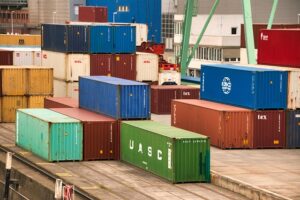
A lot of businesses assume sourcing is simply a matter of finding a supplier and placing an order. In reality, the sourcing function, when done properly, involves product research, market intelligence, supplier vetting, negotiation, compliance checks, and ongoing order oversight. It’s a commercial discipline, not just a procurement task.
As an Australian sourcing company, AGR Technology helps businesses identify the right suppliers, manage the complexity of international procurement, and reduce the risks that come with cross-border sourcing. We work across a wide range of product categories, including industrial machinery and manufacturing equipment, B2B wholesale goods, eCommerce private-label products, food and agricultural goods, luxury items, and high-value specialty goods including gold and silver.
Product Research and Supplier Identification
Finding a supplier isn’t the hard part. Finding the right supplier, one that meets your quality standards, can fulfill at your required volumes, operates ethically, and is financially stable enough to be a reliable long-term partner, that’s where most businesses struggle.
We conduct structured supplier identification across key sourcing markets, including China, Southeast Asia, India, Malaysia, the Middle East, and Europe. This involves mapping the manufacturer landscape for your product category, shortlisting viable candidates based on your commercial criteria, and conducting preliminary verification before you invest time or capital into negotiations.
For clients sourcing industrial machinery, specialised B2B equipment, or high-value items such as luxury goods or precious metals, this vetting phase is particularly critical. The cost of engaging the wrong supplier in these categories isn’t just a bad batch of product, it can mean significant financial exposure, compliance failures, or reputational damage.
Quality Control and Compliance Checks
Once a supplier is identified and shortlisted, the next challenge is ensuring that what gets produced is actually what was agreed upon. Quality control in international sourcing requires clear specifications, documented standards, and either on-the-ground inspection capacity or verified third-party inspection services.
We help clients establish quality benchmarks, coordinate pre-shipment inspections, and identify quality assurance processes appropriate to their product type. For regulated product categories, including food, agricultural goods, machinery with safety standards, and precious metals, we also advise on the relevant Australian compliance requirements that must be met before goods arrive at the border.
This is especially relevant for businesses sourcing food products such as frozen meats, packaged goods, fresh produce, or raw agricultural commodities, where biosecurity and food safety standards are non-negotiable.
Procurement and Order Management
Beyond identifying and verifying a supplier, there’s the practical layer of procurement: negotiating terms, structuring purchase orders, managing payment risk, coordinating production timelines, and overseeing the logistics chain from factory to freight.
We support clients through commercial negotiation, help structure contracts that protect the buyer’s position, and provide coordination support throughout the order and production cycle. This is particularly valuable for businesses that don’t have an internal procurement team or are entering a new sourcing market for the first time.
Importing to Australia: How the Process Works
Importing goods into Australia is a regulated process. It involves customs clearance, import duties, biosecurity controls, documentation requirements, and, depending on the product category, permits and licences. Businesses that underestimate this complexity often encounter delays, unexpected costs, or shipments held at the border.
We provide import advisory support to Australian businesses across all stages of the import process, from pre-shipment planning through to final delivery. Our role is to help clients understand what’s required, prepare appropriately, and avoid the costly mistakes that come from navigating customs and compliance without the right guidance.
Working With the Australian Border Force
All goods imported into Australia must be cleared through the Australian Border Force (ABF). The ABF enforces customs legislation, screens imports for biosecurity risks, and ensures that incoming goods comply with Australian standards and regulations.
For importers, this means submitting accurate customs declarations, having documentation in order, and ensuring that goods meet any applicable product standards. Errors in declarations, missing permits, or non-compliant goods can result in shipments being held, re-exported, or destroyed, all at the importer’s cost.
We help clients understand their obligations under Australian customs law, prepare correctly for ABF requirements, and work with licensed customs brokers where formal clearance support is needed. Our advisory role is to ensure you’re not caught off guard by a requirement you didn’t know existed.
Import Duties, Taxes, and Permits
The landed cost of imported goods includes more than just the supplier price and freight. Customs duty, goods and services tax (GST), and in some cases, additional levies or anti-dumping measures can meaningfully affect the economics of an import.
Duty rates vary by product category and country of origin. Australia has free trade agreements (FTAs) with a number of key trading partners, including China, Japan, South Korea, the United States, India, and the ASEAN bloc, which can significantly reduce or eliminate applicable duties. Understanding which FTAs apply, and how to claim preferential rates correctly, is an area where many importers leave money on the table.
Certain product categories also require import permits or licences before goods can legally enter Australia. This applies across areas including food, agricultural products, chemicals, therapeutic goods, and some categories of machinery and equipment.
We advise clients on applicable duty rates, GST implications, FTA eligibility, and any permits or licences required for their specific product category.
Documentation Requirements for Importing Goods
Successful customs clearance depends heavily on documentation. Common requirements include a commercial invoice, packing list, bill of lading or airway bill, certificate of origin, and, depending on the product, certificates of conformity, phytosanitary certificates, health certificates, or other regulatory documentation.
Missing or incorrect documentation is one of the most common causes of import delays. For time-sensitive goods such as fresh produce, frozen food, or perishable agricultural products, a documentation error can result in spoilage and total loss.
We work with clients to identify the exact documentation required for their product category and country of origin, and we help coordinate the preparation of that documentation with overseas suppliers before goods are shipped.
Exporting From Australia: Reaching International Markets
Australia produces goods that are genuinely sought after in international markets, from premium food and agricultural commodities to industrial equipment, manufactured products, and high-value specialty goods. But identifying the right markets, finding the right distribution partners, and navigating the compliance requirements of overseas jurisdictions requires more than a good product.
As part of our export advisory services, we help Australian businesses develop and execute market entry strategies, source international distributors, navigate export compliance, and build the commercial foundations needed to operate successfully in new markets. We have experience supporting export activity across Asia, the Middle East, Europe, and Latin America.
Key Export Documentation and Compliance
Exporting from Australia involves its own set of documentation and compliance obligations, both on the Australian side and in the destination country. Common Australian export requirements include export declarations through the Australian Border Force, certificates of origin, and product-specific certifications such as phytosanitary certificates for agricultural goods or health certificates for food exports.
Destination country requirements add another layer of complexity. Importers in many markets, including China, the UAE, Saudi Arabia, the European Union, and countries across Latin America, have specific labelling, testing, registration, or certification requirements that must be met before goods can legally enter and be sold.
We help clients map the compliance requirements for their target export markets, identify what certifications or registrations are needed, and coordinate the documentation process to ensure exports proceed without avoidable delays or rejections at the destination port.
Choosing the Right Freight Method for Exports
The choice of freight method for exports, sea freight, air freight, or a combination, depends on the nature of the goods, the urgency of delivery, the destination, and the cost economics. For high-volume, lower-value goods, sea freight is typically the most cost-effective option. For time-sensitive, high-value, or perishable goods, air freight may be necessary even though the higher cost.
We advise clients on freight method selection, Incoterms arrangements, and the logistical considerations relevant to their specific product and destination. This includes guidance on packaging and labelling requirements for the target market, which can affect whether goods pass through overseas customs cleanly or get held for inspection.
How a Trusted Australian Import Company Reduces Risk
Importing goods involves financial risk, compliance risk, quality risk, and supply chain risk. The businesses that manage these risks well tend to be the ones with structured advisory support and clear processes, not just good intentions and a low-cost supplier.
As an Australian import company, AGR Technology’s role is to help clients understand where the risks in their specific import operation lie, and to put the right frameworks in place to manage them before problems occur.
Navigating Supply Chain Disruptions
Supply chain disruptions, whether caused by geopolitical tensions, port congestion, production delays, natural events, or shifts in freight capacity, are an operational reality for any business relying on international supply. The question isn’t whether disruptions will happen, but how well-prepared a business is to manage them when they do.
We help clients build resilience into their sourcing strategy by advising on supplier diversification, alternative sourcing markets, buffer stock strategies, and contractual protections that reduce exposure when disruptions occur. For businesses relying heavily on a single supplier or a single origin country, this kind of strategic review can be particularly valuable.
For categories such as industrial machinery, mining equipment, or construction plant sourced from international manufacturers, lead times are often long and substitution is difficult. Having a clear contingency framework matters more, not less, for high-value capital procurement.
Protecting Your Goods in Transit
Goods in transit face real risks, damage, theft, spoilage, and loss. Marine cargo insurance is a standard mechanism for transferring transit risk, but the adequacy of coverage depends on the policy terms, the declared value of goods, and the nature of the cargo.
We advise clients on the transit risk profile of their goods, what to look for in cargo insurance coverage, and how Incoterms arrangements affect who bears risk at each stage of the shipping journey. For high-value goods including luxury items, precious metals, or specialised equipment, this advisory function is an important part of a sound import strategy.
How a Trusted Australian Export Company Opens New Revenue Channels
For Australian businesses with exportable products, international markets represent genuine commercial opportunity. But entering a new market without the right preparation, distributor relationships, compliance mapping, cultural and commercial context, is a reliable way to spend money without generating returns.
As an Australian export company working alongside businesses of varying size and sector, we take a structured approach to market entry and distributor development that reduces wasted effort and improves the odds of sustainable market penetration.
Identifying High-Potential International Markets
Not every international market will be the right fit for every product. The right target markets depend on the product category, regulatory environment, competitive landscape, consumer or buyer behaviour, and the commercial capacity of available distribution partners.
We help clients conduct structured market assessments across key international regions, including East and Southeast Asia, the Middle East, the European Union, and Latin America, to identify where genuine demand exists, where the regulatory pathway is manageable, and where distribution relationships can be realistically built. This prevents businesses from spreading limited resources across too many markets at once, or pursuing markets where the structural barriers outweigh the opportunity.
For food and agricultural exporters, for example, markets such as China, Japan, South Korea, the UAE, and Saudi Arabia offer significant appetite for Australian-origin products, but each has distinct import registration, labelling, and certification requirements that must be navigated carefully.
Customs Clearance and Overseas Compliance Support
Getting goods through the customs process at the destination country is where many export strategies stall. Tariff classifications, import duties, local product registration requirements, labelling regulations, and documentation standards all vary by country and product category.
We provide export compliance advisory support to help clients understand what’s required in their target markets, prepare the necessary documentation, and avoid the shipment rejections and penalties that come from non-compliance. For markets with strict import controls, such as certain food categories entering China or regulated goods entering the EU, this advisory function is essential, not optional.
What to Look for When Choosing an Australian Import or Export Partner
Choosing the right import or export partner is a commercial decision with long-term consequences. The wrong choice can mean missed compliance obligations, poor supplier relationships, delayed shipments, and deals that don’t survive contact with real-world trade conditions.
Here’s what to look for when evaluating an Australian sourcing company or trade advisory partner:
Commercial and strategic advisory capability. The best partners don’t just arrange logistics, they think commercially. Look for a partner who can assess your sourcing strategy, identify risks before they become problems, and give you structured advice grounded in real trade experience.
Knowledge of Australian regulatory requirements. Import and export compliance in Australia is specific. Your partner should have a clear working understanding of Australian Border Force requirements, biosecurity obligations, applicable duty and tax frameworks, and the documentation standards required for your product category.
International market knowledge. For exporters, a partner with genuine knowledge of destination market requirements, not just surface-level familiarity, is essential. This includes understanding tariff structures, local product registration requirements, distribution channel dynamics, and cultural commercial norms.
Supplier verification capability. For importing businesses, the ability to properly vet and verify overseas suppliers is critical. This means going beyond a website and a sample product to assess financial stability, production capacity, compliance history, and commercial reliability.
A risk-aware methodology. Trade involves risk. A good advisory partner should be able to articulate where the risks in your specific operation lie and what frameworks are in place to manage them, not just tell you what you want to hear.
Relevant product category experience. Experience in your specific product category matters. The considerations for importing industrial machinery are very different from those for food imports, luxury goods, or precious metals. Look for demonstrated experience in your relevant category.
AGR Technology brings together these capabilities across a broad range of product categories and trade corridors, providing Australian businesses with a commercially focused, risk-aware approach to sourcing, procurement, and cross-border trade.
Conclusion
Cross-border trade offers genuine commercial opportunity for Australian businesses, whether that’s accessing better-quality or more cost-effective suppliers internationally, or taking Australian products into markets with strong demand. But the opportunity is real only when the operational and regulatory groundwork is sound.
AGR Technology works with Australian businesses as a structured sourcing, procurement, and import/export advisory partner. We’re suited to a broad range of clients, including:
- eCommerce brands sourcing private-label products from overseas manufacturers
- Manufacturers and product companies looking to export into Asia, the Middle East, Europe, or Latin America
- Individuals and businesses seeking to procure luxury goods such as watches, vehicles, and apparel from international markets
- Operations managers, procurement directors, or founders of mid-sized Australian manufacturing, construction, mining, or agricultural businesses needing specialised machinery
- Owners or export managers of Australian food production or distribution companies
- Founders or commercial directors of manufacturing businesses producing machinery, fabricated products, or specialised B2B goods for international markets
- High-net-worth individuals, family offices, or international investors seeking to source gold or silver from Australia
- Owners of wholesale distribution businesses importing goods into Australia for resale
If your business is ready to engage a serious, commercially focused Australian import company, export advisory firm, or sourcing partner, contact AGR Technology to discuss your requirements. We work with businesses at all stages, from initial market assessment through to active trade operations, and we’re focused on outcomes that make commercial sense.
Frequently Asked Questions
What does an Australian sourcing company do for businesses importing goods?
An Australian sourcing company handles supplier identification, vetting, quality control, compliance checks, and procurement management. Rather than simply finding a supplier, they assess financial stability, production capacity, and regulatory compliance — reducing the risk of costly mistakes in cross-border sourcing across markets like China, Southeast Asia, India, and Europe.
How do Australian import and export businesses navigate customs compliance?
Australian importers and exporters must meet Australian Border Force requirements, including accurate customs declarations, correct documentation, and product-specific permits. Working with a trade advisory partner ensures duty rates, GST obligations, free trade agreement eligibility, and biosecurity requirements are addressed before goods reach the border — avoiding costly delays or rejected shipments.
What documents are required to import goods into Australia?
Standard import documentation includes a commercial invoice, packing list, bill of lading or airway bill, and certificate of origin. Depending on the product category, additional documents such as phytosanitary certificates, health certificates, or certificates of conformity may be required. Missing or incorrect paperwork is one of the leading causes of customs delays in Australia.
Can Australian businesses reduce import duties using free trade agreements?
Yes. Australia has free trade agreements (FTAs) with major partners including China, Japan, South Korea, the US, India, and ASEAN nations, which can significantly reduce or eliminate customs duties. Many importers miss out on these savings by not correctly identifying FTA eligibility or failing to claim preferential rates — a common area where advisory support adds direct financial value.
What should Australian exporters consider when entering international markets?
Successful market entry requires assessing demand, regulatory pathways, distribution channel availability, and destination-country compliance requirements — including labelling, product registration, and certification standards. Markets like China, the UAE, and the EU each have distinct import rules. Spreading resources across too many markets simultaneously without proper assessment is a common and costly mistake.
How do businesses protect high-value goods during international shipping?
Marine cargo insurance is the standard mechanism for managing transit risk, covering damage, theft, loss, and spoilage. However, policy adequacy depends on declared cargo value, terms, and Incoterms arrangements that determine when risk transfers between buyer and seller. For high-value imports like precious metals, luxury goods, or specialised equipment, reviewing transit risk coverage is especially critical.

Alessio Rigoli is the founder of AGR Technology and got his start working in the IT space originally in Education and then in the private sector helping businesses in various industries. Alessio maintains the blog and is interested in a number of different topics emerging and current such as Digital marketing, Software development, Cryptocurrency/Blockchain, Cyber security, Linux and more.
Alessio Rigoli, AGR Technology