![logo-new-23[1]](https://agrtech.com.au/wp-content/uploads/elementor/thumbs/logo-new-231-qad2sqbr9f0wlvza81xod18hkirbk9apc0elfhpco4.png "logo-new-23[1]")

If you run an insurance business, you already know the hard part isn’t just getting traffic. It’s getting the right prospects, people actively looking for coverage, in your service area, and ready to speak with an agent. That’s where strong insurance lead generation services make a real difference.
At AGR Technology, we help businesses build digital systems that don’t rely on guesswork. For insurance providers, brokers, and agencies, that means creating a lead pipeline that’s measurable, scalable, and aligned with actual revenue goals, not vanity metrics. On this page, we’ll break down what an insurance lead generation agency should actually deliver, which channels tend to work best, how to judge lead quality, and what to look for before signing any contract.
Start Your Strategic Growth Partnership
Apply Now
What our clients are saying

Justine Brummans
Alessio is both incredibly knowledgeable and personable! He gave me great advice that was catered to me and my situation. Thank you Alessio! Super helpful!

Springfield Equestrian Park
Alessio is amazing! I can not speak highly enough of how helpful and knowledgeable he is, my website he created far exceeded my expectations, he is so accomodating and I can only wish him every success with his business. I rate AGR technology 10 out of 10.
Legacy Energy
We used AGR Technology and dealt with Alessio to design and build our website as well as host our emails. Alessio was a pleasure to deal with and had plenty of ideas that we could implement into our site. He has a great attention to detail, he is also very polite in understanding our goals and what we wanted to achieve with our website.
Thanks mate,
Alex & Rob
Excellent Service
Alessio developed our website for our business and has done a wonderful job. He is very personable and knowledgeable. We have enjoyed working with him. We will be referring others to him and highly recommend him to those who need Tech advice.
MRC Performance
I have been in business for over 10 Years and recently moved to AGR Technology for all our IT needs. They are able to fix nearly anything remotely and always very helpful in recommending appropriate hardware upgrades that do the job as required but not costing more than needed.

Alessio provided an excellent service. He was very dedicated in his method of finding solutions to problems. He continued to try different avenues until he found the reason as to why a particular application was not working. He was very knowledgeable in his understanding of the internet and of applications and how they work, and he was able to apply this knowledge in understanding how to resolve the obstacles that continued to appear. He is understanding towards his client's needs and goals and he is willing to work with his client in achieving those goals. He is a very polite and well mannered person and very calm and gentle in his approach. I would highly recommend Alessio's services to anyone.

Palmira Rigoli
Great work ethics Alessio! We at Totally Gluten Free Products are very happy to have you on board as our IT and SEO master. Very reliable, trustworthy and knowledgeable in the field.
YouTube Comment
Nat's Custom Designs
Alessio from AGR Technology has recently helped me create a website for my business.
Throughout the whole process from start to finish Alessio made the process easy for me, by calling me and explaining each step of the way. I'm not very computer savvy, but with Alessio taking the time to explain in detail everything I needed to know from putting inventory in to having it shipped. He even remotely joined my computer to help guide me through everything.
He's very knowledgeable and is experienced in everything I needed and if there was anything else I needed to know that wasn't something he was familiar with, he researched it.
I would HIGHLY recommend Alessio to anyone. He has not only helped me for now but I know that if I ever needed help with anything else he would definitely go above and beyond to help. Thank you so much for everything you have done. It's been a long process but well worth it 🙂
Byron Macumber
AGR Technology is amazing. not only do they stick with you through out the process, they also accommodate to your wants and needs. They are efficient in their work and they have high integrity. Their capabilities are shown through their website design, and appropriate knowledge of utilities regarding software. over the many years of working with them they have been fantastic. I would recommend to everyone
Very helpful
Alessio was thorough, diligent and kept me updated at all time points. I was very impressed with his performance, passion and dedication. I will continue to use his services.
Wantrup & Associates
Alessio of AGR Technology is an IT guy we rely on whenever we need IT help. His professionalism impressed us right at the first time. He solved many of our IT problems in no time. Excellent communication and speedy response.
We highly recommend this company
From a happy customer
Valeria Bianco
I received AGR contact information from a previous client, who had found their service excellent. So I contacted AGR with some expectations, and I can say they exceeded them. Professional, honest, punctual, reliable, their service is faultless. We can't recommend them highly enough.
Very fast, value for money and a comprehensive service
AGR is professional, organised and very skilled at what they do. They take the initiative, looking after all the details that you would not have thought of to enhance your website presence, marketing funnel and automated appointment bookings. Big bonus - pricings are at a fraction of the cost of competitors.
Customer testimonial
Alessio from AGR Technology is wonderful at gently guiding the less technically savvy users to solve problems. Back up service excellent. Highly recommended
SEO for website
The team is very cooperative and delivers clean and very efficient work.

Raimond Volpe
Nothing but good things to say about Alessio. He has been great service and great at communicating with me by both phone and email. Very good knowledge and problem-solving ability with our web development. I would thoroughly recommend Alessio and AGR Technology to anyone wanting online marketing or web development
Website design
Big thank you to Alessio at AGR Technology for a smooth and easy website development process. Nothing was to difficult to accomplish, I can highly recommend his first class service.
Supporting businesses of all sizes to get ahead with digital solutions








What Insurance Lead Generation Services Include

Good insurance lead generation services go beyond sending over a list of names and phone numbers.
A reliable provider should help create a system that attracts potential policyholders, qualifies them, moves them to the right sales path, and tracks what turns into revenue. That’s the difference between buying leads and building a dependable acquisition engine.
In practical terms, insurance lead generation often includes:
- Search engine optimization for organic lead capture
- Google Ads and paid social campaigns
- Landing page design and conversion optimization
- Local search visibility and map listing improvements
- CRM integration and lead routing
- Email follow-up and remarketing
- Call tracking, form tracking, and reporting dashboards
- Ongoing campaign refinement based on performance data
If an insurance lead generation agency only talks about lead volume, that’s not enough. Volume without quality tends to create more work for your team while driving up acquisition costs.
Core Channels Used To Generate Insurance Leads
Most successful insurance campaigns use a mix of channels, because buyers don’t all behave the same way.
Some prospects search for terms like “auto insurance near me” or “business liability insurance quote.” Others click a Facebook ad after seeing a policy comparison offer. Others may visit your site, leave, and come back later through retargeting or email.
The most common channels include:
- SEO: Helps capture high-intent searches over time
- Google Ads: Useful for immediate visibility on bottom-funnel keywords
- Local SEO: Important for agencies serving specific suburbs, cities, or regions
- Social media ads: Often effective for awareness, lead forms, and remarketing
- Landing pages: Focused pages built around one product or policy type
- Email automation: Keeps prospects engaged after the first inquiry
- Retargeting: Brings back visitors who didn’t convert the first time
The right channel mix depends on what you sell. Personal insurance products like car, home, or life insurance often need a different strategy from commercial insurance, workers’ compensation, or niche risk products.
Lead Qualification, Routing, And Nurturing Support
Generating a lead is only the first step. What happens next matters just as much.
A strong agency should help define what counts as a qualified lead. That may include:
- Location
n- Policy type
- Business size or household profile
- Renewal timing
- Budget or premium range
- Whether the person requested a quote, callback, or consultation
Once leads come in, they should be routed quickly to the right person or team. Speed matters. Research from multiple sales studies has consistently shown that responding fast improves contact and conversion rates. In insurance, where shoppers often compare several providers at once, delays can cost you the sale.
Lead nurturing support can include:
- Automated email sequences
- SMS follow-up workflows
- Quote request reminders
- Appointment scheduling flows
- Re-engagement campaigns for unconverted leads
At AGR Technology, we typically look at the full pipeline, not just front-end lead capture. That helps our clients avoid common gaps where good prospects come in but slip through due to poor follow-up or disconnected systems.
How An Insurance Lead Generation Agency Builds A Predictable Pipeline
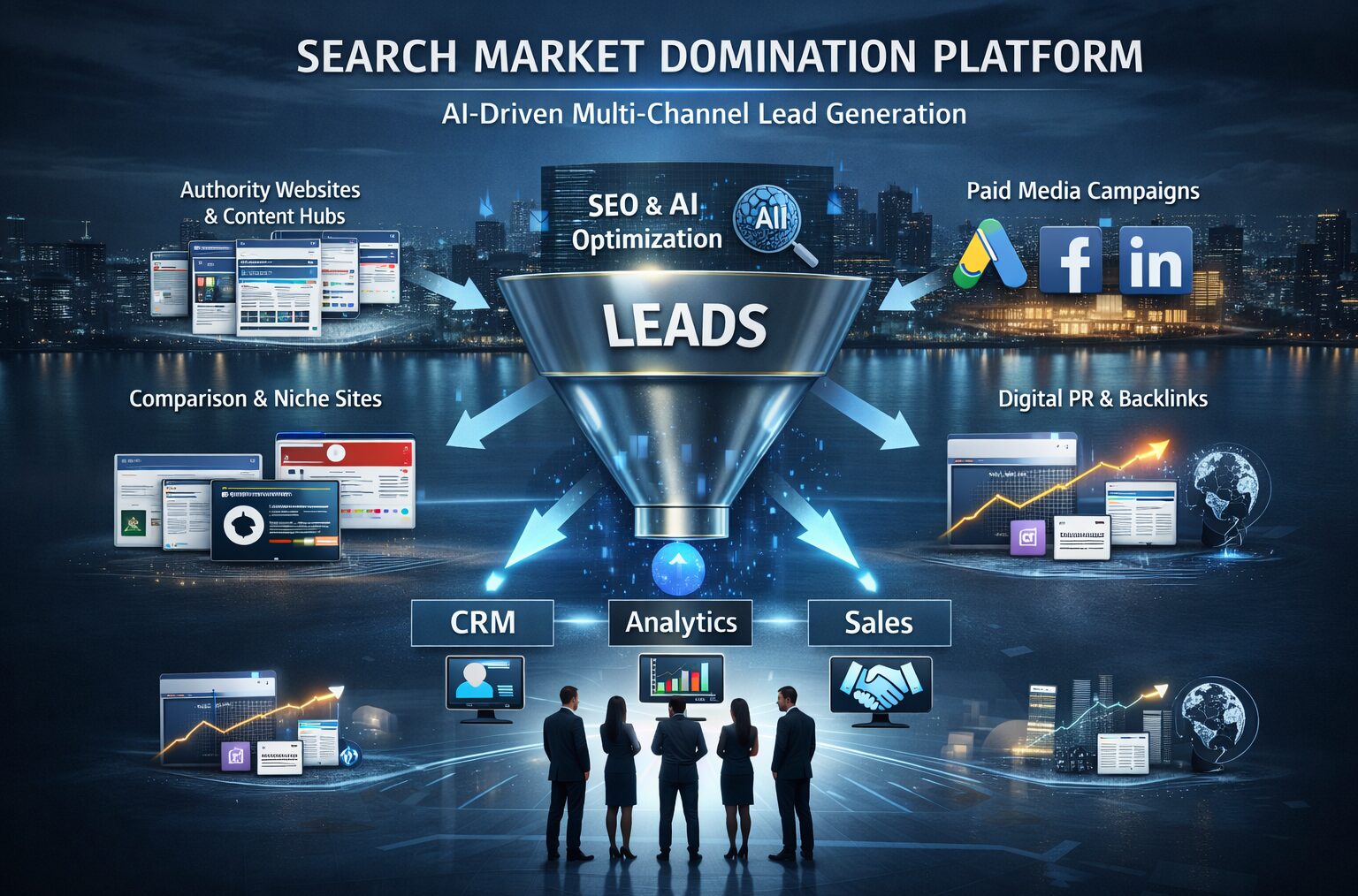
A predictable pipeline doesn’t come from luck. It comes from having a repeatable process backed by data.
An experienced insurance lead generation agency should be able to show how traffic becomes leads, how leads become opportunities, and how opportunities become customers. If that path isn’t clear, scaling becomes expensive very quickly.
Audience Targeting And Policy-Specific Campaign Planning
Insurance marketing works better when campaigns are built around actual buyer intent, not broad assumptions.
For example, someone looking for landlord insurance has very different concerns from someone searching for family health coverage or cyber insurance for a small business. Messaging, targeting, landing pages, and calls to action should reflect that.
A sound campaign plan usually includes:
- Defined target audiences by product line
- Geographic targeting by licensed service area
- Separate campaigns for branded and non-branded searches
- Dedicated landing pages for each policy category
- Tailored offers such as quote requests, consultations, or policy reviews
- Clear tracking for calls, forms, and booked appointments
This policy-specific approach usually improves conversion rates because the experience feels relevant from the first click.
CRM, Automation, And Sales Process Integration
Lead generation is only as effective as the systems behind it.
If leads land in a cluttered inbox, sit unassigned, or never enter your CRM properly, campaign performance will look worse than it really is. That’s why integration matters.
A capable agency should help connect marketing activity with your sales workflow through:
- CRM setup or refinement
- Lead tagging by source, campaign, and policy interest
- Automated assignment rules
- Pipeline stage tracking
- Follow-up reminders for agents or advisors
- Conversion reporting tied to real outcomes
This is where AGR Technology’s broader digital capability becomes useful. Because we work across marketing, automation, and custom technology solutions, we can support more than just campaign launch. We can help improve the systems around it, whether that means cleaner lead routing, better dashboard visibility, or automation that reduces manual admin.
When those pieces are aligned, forecasting gets easier. You can see which channels produce qualified leads, which policy lines convert best, and where to invest next.
The Most Effective Channels For Insurance Lead Generation
Not every marketing channel deserves equal budget. The best-performing mix usually depends on your product, market, competition, and sales cycle. Still, some channels consistently stand out in insurance lead generation.
SEO And Local Search For High-Intent Prospects
SEO is one of the strongest long-term channels for insurance businesses because it captures people already looking for help.
Searches like:
- auto insurance quote near me
- small business insurance broker
- life insurance advisor in [city]
- public liability insurance for contractors
…often signal strong intent.
Local search matters even more if you serve specific regions. A well-optimized Google Business Profile, location pages, local citations, and service-area content can help you appear in map results and local organic listings.
SEO also tends to compound over time. Paid ads stop the moment budget stops. Organic visibility, while slower to build, can keep generating leads month after month.
Paid Search, Social Ads, And Landing Pages
Paid search is ideal when you want faster lead flow. Google Ads lets you target bottom-funnel terms and direct users to landing pages built around specific products.
This works well for:
- urgent quote requests
- seasonal campaigns
- high-margin policies
- new market expansion
- remarketing to previous site visitors
Social ads can also support lead generation, especially for awareness-stage audiences or products that benefit from education. But social traffic usually needs sharper creative and stronger nurturing because intent can be lower than search.
Landing pages are the piece many businesses underestimate. Sending ad traffic to a generic homepage often hurts conversion rates. A focused landing page should include:
- A clear headline tied to the ad or keyword
- A short form or click-to-call option
- Trust signals such as reviews, accreditations, or years in business
- Clear policy benefits
- A simple next step
Even small improvements here can lower cost per lead.
Content Marketing, Email, And Retargeting
Not every prospect converts on the first visit. That’s normal.
Content marketing helps educate people who are still comparing options. Useful content can include:
- policy comparison guides
- checklists for business owners
- FAQs about claims, coverage, and exclusions
- location-based insurance resources
- renewal tips and risk management advice
Email helps continue the conversation after a lead comes in. Retargeting helps you stay visible to visitors who left without converting. Together, these channels can improve lead-to-customer conversion, especially in categories where trust and timing matter.
And that’s often the case in insurance. People rarely want more noise. They want clarity, confidence, and a reason to contact the right provider.
How To Evaluate Lead Quality And Campaign Performance
A campaign can look busy and still underperform. Clicks, impressions, and raw lead counts don’t tell the full story.
What matters is whether your insurance lead generation services are producing leads that your team can actually close at a profitable cost.
Key Metrics Such As CPL, CAC, Conversion Rate, And ROI
Here are the core metrics we recommend tracking:
- Cost per lead (CPL): How much you pay, on average, for each inquiry
- Customer acquisition cost (CAC): What it costs to turn a lead into a paying customer
- Conversion rate: The percentage of visitors or leads who take the next step
- Return on investment (ROI): Revenue generated compared with campaign spend
- Lead-to-quote rate: How many leads become serious quote opportunities
- Quote-to-sale rate: How many quotes convert into policies
- Speed-to-lead: How quickly your team responds after inquiry submission
CPL alone can be misleading. A cheaper lead source is not better if those leads never answer calls, don’t meet underwriting criteria, or have no serious buying intent.
Signs A Lead Source Is Wasting Budget
There are a few common warning signs:
- Leads provide inaccurate contact details
- Prospects say they never asked to be contacted
- The same lead appears across multiple buyers
- Conversion from lead to quote is consistently weak
- High click volume produces very few qualified inquiries
- Bounce rates on landing pages are unusually high
- Call recordings show poor fit or low intent
Shared leads can be especially frustrating. By the time your team calls, the prospect may already have spoken to three or four competitors. That doesn’t make shared leads unusable in every case, but it does mean they need to be priced and managed carefully.
A good insurance lead generation agency should be transparent about source quality, attribution, and what’s being optimized over time.
How To Choose The Right Insurance Lead Generation Agency
Choosing the right partner can save a lot of wasted budget and a fair bit of frustration.
The best agencies don’t just promise leads. They ask smart questions about your goals, policy mix, service areas, conversion process, and capacity to handle inquiries. That usually signals a more serious strategy.
Questions To Ask Before Signing A Contract
Before you commit, ask things like:
- How do you define a qualified lead?
- Which channels do you recommend for our insurance products, and why?
- Will campaigns be built specifically for our service areas and policy types?
- How do you track calls, forms, and closed sales?
- Can you integrate with our CRM or existing systems?
- Who owns the campaign assets and data?
- How often will we receive reporting and strategy updates?
- Are leads exclusive or shared?
- What happens if lead quality drops?
The answers should be clear, specific, and realistic. Vague promises usually lead to vague results.
If you’re looking for a partner that can combine marketing execution with technical integration, AGR Technology offers both. That matters when lead generation is tied to larger digital transformation goals, internal workflow improvements, or custom automation needs.
Red Flags To Watch For In Shared Or Low-Intent Leads
Be careful if an agency:
- Guarantees lead volume without discussing quality controls
- Won’t explain where leads come from
- Avoids questions about attribution or CRM tracking
- Pushes long lock-in contracts too early
- Delivers leads with very little intent data
- Uses broad, irrelevant targeting to inflate numbers
- Can’t show how campaigns are improved over time
Another red flag is when reporting stops at clicks and impressions. Those metrics have a place, but they’re not enough for commercial decision-making. You should be able to connect spend to pipeline and, ideally, pipeline to revenue.
Common Mistakes Insurance Businesses Make With Lead Generation
We see a few patterns come up again and again.
One is treating all leads the same. Someone requesting a commercial fleet insurance quote is not the same as someone casually browsing home insurance options. Different intent levels need different follow-up.
Another mistake is relying on one source only. If your pipeline depends entirely on paid leads from a third party, you have very little control over quality, cost, or long-term growth.
Other common issues include:
- Sending traffic to generic website pages
- Slow response times from sales teams
- No clear lead qualification criteria
- Weak CRM hygiene and poor data visibility
- Underinvesting in local SEO and organic search
- Not testing offers, messaging, or landing page layouts
- Focusing on lead volume instead of closed-policy outcomes
And sometimes the issue is simpler than it sounds: the marketing and sales process were never designed to work together. A better campaign won’t fully solve that on its own. The system has to connect.
Conclusion
Insurance lead generation services should do more than fill a spreadsheet with contacts. They should help you attract the right prospects, route them properly, follow up consistently, and measure what actually turns into business.
That’s what a capable insurance lead generation agency is there to build: a pipeline you can understand, improve, and scale.
At AGR Technology, we work with businesses that want more than surface-level marketing. We help connect visibility, lead generation, and digital systems so growth is easier to manage over time.
If you’re reviewing your current lead sources or want a more reliable insurance acquisition strategy, contact AGR Technology to discuss your goals. We’ll help you assess what’s working, what’s wasting budget, and where the best growth opportunities are.
Frequently Asked Questions About Insurance Lead Generation Services
What do insurance lead generation services typically include?
Insurance lead generation services usually include SEO, Google Ads, paid social campaigns, landing page optimization, local search improvements, CRM integration, lead routing, email follow-up, retargeting, and performance reporting. The goal is to build a measurable system that attracts qualified prospects and turns them into revenue, not just generate raw lead volume.
How does an insurance lead generation agency build a predictable pipeline?
A strong lead generation agency creates a repeatable process that connects traffic, leads, quotes, and closed policies. This often includes audience targeting by policy type, geographic targeting, dedicated landing pages, CRM integration, automation, and conversion tracking so agencies can forecast performance and scale with more confidence.
Which channels work best for insurance lead generation services?
The best channel mix depends on your products and market, but top-performing options often include SEO, local SEO, Google Ads, social media ads, landing pages, email automation, and retargeting. Search channels usually capture higher-intent prospects, while email and retargeting help convert people who are not ready to buy on the first visit.
How can I tell if insurance leads are actually high quality?
High-quality leads usually match your service area, policy type, timing, and budget criteria, and they respond to follow-up. Useful metrics include cost per lead, customer acquisition cost, lead-to-quote rate, quote-to-sale rate, and speed-to-lead. If leads are inaccurate, shared too widely, or rarely convert, quality is likely poor.
Are exclusive insurance leads better than shared leads?
Exclusive insurance leads are often easier to convert because the prospect is not being contacted by multiple competitors at the same time. Shared leads can still work, but they usually require faster follow-up and careful cost control. The better option depends on lead intent, pricing, and how quickly your team responds.
How quickly should insurance agencies respond to new leads?
Insurance agencies should respond as fast as possible, ideally within minutes rather than hours. Quick follow-up improves contact rates and can increase conversions because many shoppers compare several providers at once. Fast response times, combined with automated reminders or SMS and email workflows, help prevent strong prospects from slipping away.
Other solutions:
Branded & Sponsored Content Agency
Fintech Lead Generation Services
Enterprise Search Market Domination

Alessio Rigoli is the founder of AGR Technology and got his start working in the IT space originally in Education and then in the private sector helping businesses in various industries. Alessio maintains the blog and is interested in a number of different topics emerging and current such as Digital marketing, Software development, Cryptocurrency/Blockchain, Cyber security, Linux and more.
Alessio Rigoli, AGR Technology