![logo-new-23[1]](https://agrtech.com.au/wp-content/uploads/elementor/thumbs/logo-new-231-qad2sqbr9f0wlvza81xod18hkirbk9apc0elfhpco4.png "logo-new-23[1]")

Branding is often treated like a logo project. In reality, it shapes how people recognize your business, remember it, and decide whether to trust it. For small businesses, that matters even more. You usually don’t have the luxury of wasting budget on mixed messages, inconsistent visuals, or a website that says one thing while your sales team says another.
At AGR Technology, we work with businesses that want stronger visibility, better customer engagement, and systems that support long-term growth. And one thing shows up again and again: the businesses that grow steadily tend to have a clear brand foundation, a consistent presence, and a customer experience that matches their promises.
This page covers essential branding tips for small businesses that want to sharpen their market position and turn branding into something practical, not vague. If you’re looking to improve your identity, online presence, and overall brand consistency, this is a solid place to start.
Get into contact with us
Helping drive results for our clients of all sizes










A snapshot of some of our work
What our clients are saying

Justine Brummans
Alessio is both incredibly knowledgeable and personable! He gave me great advice that was catered to me and my situation. Thank you Alessio! Super helpful!

Springfield Equestrian Park
Alessio is amazing! I can not speak highly enough of how helpful and knowledgeable he is, my website he created far exceeded my expectations, he is so accomodating and I can only wish him every success with his business. I rate AGR technology 10 out of 10.
Legacy Energy
We used AGR Technology and dealt with Alessio to design and build our website as well as host our emails. Alessio was a pleasure to deal with and had plenty of ideas that we could implement into our site. He has a great attention to detail, he is also very polite in understanding our goals and what we wanted to achieve with our website.
Thanks mate,
Alex & Rob
Excellent Service
Alessio developed our website for our business and has done a wonderful job. He is very personable and knowledgeable. We have enjoyed working with him. We will be referring others to him and highly recommend him to those who need Tech advice.
MRC Performance
I have been in business for over 10 Years and recently moved to AGR Technology for all our IT needs. They are able to fix nearly anything remotely and always very helpful in recommending appropriate hardware upgrades that do the job as required but not costing more than needed.

Alessio provided an excellent service. He was very dedicated in his method of finding solutions to problems. He continued to try different avenues until he found the reason as to why a particular application was not working. He was very knowledgeable in his understanding of the internet and of applications and how they work, and he was able to apply this knowledge in understanding how to resolve the obstacles that continued to appear. He is understanding towards his client's needs and goals and he is willing to work with his client in achieving those goals. He is a very polite and well mannered person and very calm and gentle in his approach. I would highly recommend Alessio's services to anyone.

Palmira Rigoli
Great work ethics Alessio! We at Totally Gluten Free Products are very happy to have you on board as our IT and SEO master. Very reliable, trustworthy and knowledgeable in the field.
YouTube Comment

Nat's Custom Designs
Alessio from AGR Technology has recently helped me create a website for my business.
Throughout the whole process from start to finish Alessio made the process easy for me, by calling me and explaining each step of the way. I'm not very computer savvy, but with Alessio taking the time to explain in detail everything I needed to know from putting inventory in to having it shipped. He even remotely joined my computer to help guide me through everything.
He's very knowledgeable and is experienced in everything I needed and if there was anything else I needed to know that wasn't something he was familiar with, he researched it.
I would HIGHLY recommend Alessio to anyone. He has not only helped me for now but I know that if I ever needed help with anything else he would definitely go above and beyond to help. Thank you so much for everything you have done. It's been a long process but well worth it 🙂
Byron Macumber
AGR Technology is amazing. not only do they stick with you through out the process, they also accommodate to your wants and needs. They are efficient in their work and they have high integrity. Their capabilities are shown through their website design, and appropriate knowledge of utilities regarding software. over the many years of working with them they have been fantastic. I would recommend to everyone
Very helpful
Alessio was thorough, diligent and kept me updated at all time points. I was very impressed with his performance, passion and dedication. I will continue to use his services.
Wantrup & Associates
Alessio of AGR Technology is an IT guy we rely on whenever we need IT help. His professionalism impressed us right at the first time. He solved many of our IT problems in no time. Excellent communication and speedy response.
We highly recommend this company
From a happy customer
Valeria Bianco
I received AGR contact information from a previous client, who had found their service excellent. So I contacted AGR with some expectations, and I can say they exceeded them. Professional, honest, punctual, reliable, their service is faultless. We can't recommend them highly enough.
Very fast, value for money and a comprehensive service
AGR is professional, organised and very skilled at what they do. They take the initiative, looking after all the details that you would not have thought of to enhance your website presence, marketing funnel and automated appointment bookings. Big bonus - pricings are at a fraction of the cost of competitors.
Customer testimonial
Alessio from AGR Technology is wonderful at gently guiding the less technically savvy users to solve problems. Back up service excellent. Highly recommended
SEO for website
The team is very cooperative and delivers clean and very efficient work.

Raimond Volpe
Nothing but good things to say about Alessio. He has been great service and great at communicating with me by both phone and email. Very good knowledge and problem-solving ability with our web development. I would thoroughly recommend Alessio and AGR Technology to anyone wanting online marketing or web development
Website design
Big thank you to Alessio at AGR Technology for a smooth and easy website development process. Nothing was to difficult to accomplish, I can highly recommend his first class service.
Why work with AGR Technology for your local website needs?




Build A Clear Brand Foundation
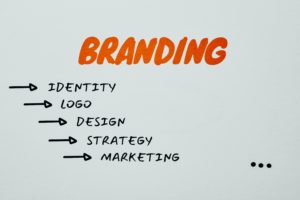
A strong brand starts before design, ads, or social media. It begins with clarity. If your business can’t clearly explain who you help, what you stand for, and why clients should choose you, the rest of your branding will always feel patchy.
For small businesses, this step helps reduce wasted marketing spend and makes every decision easier, from website copy to sales messaging.
Define Your Mission, Values, And Positioning
Your mission explains why your business exists beyond making revenue. Your values show how you operate. Your positioning defines where you sit in the market compared with alternatives.
We recommend keeping this simple and usable.
Ask:
- What problem do we solve?
- Who do we solve it for?
- What makes our approach different?
- What do we want customers to consistently associate with us?
For example, a business might position itself around speed, premium service, local expertise, technical depth, or ongoing support. The key is choosing a position you can genuinely deliver on.
A few practical branding tips for small businesses here:
- Write a short brand statement your team can actually remember
- Define 3 to 5 core values that reflect real behavior, not aspirational fluff
- Document your unique selling points clearly
- Make sure your positioning matches your pricing, service quality, and customer expectations
If your brand says “premium” but your website feels dated and your communication is inconsistent, customers notice. Fast.
Identify Your Ideal Audience
Not every customer is your customer. One of the most common branding mistakes small businesses make is trying to appeal to everyone.
A clearer audience leads to clearer branding.
Think about:
- Industry or niche
- Business size
- Common pain points
- Buying motivations
- Questions they ask before choosing a provider
- What builds trust for them
For instance, a local service business may need branding that feels approachable and community-based. A B2B technology provider may need branding that feels credible, secure, and commercially sharp.
When we help businesses refine their digital strategy, audience clarity usually improves:
- Website messaging
- SEO targeting
- Content topics
- Conversion rates
- Lead quality
If you’re unsure who your audience really is, review your best existing clients. Look for patterns in what they value, why they chose you, and what kept them with you. That often tells you more than guesswork ever will.
Create A Consistent Visual And Verbal Identity
Once your foundation is clear, your brand needs to look and sound consistent wherever people encounter it. Recognition is built through repetition. Not repetitive wording, but repeated signals.
That includes your logo, colours, typography, tone of voice, imagery, and messaging style.
Choose Brand Elements That Reflect Your Business
Your visual identity should match the kind of business you are and the customers you want to attract.
That means choosing brand elements with purpose:
- Logo: clean, readable, and usable across digital and print formats
- Color palette: aligned with your industry, tone, and audience expectations
- Typography: legible and consistent across your website, documents, and marketing assets
- Imagery style: professional, relevant, and reflective of your brand personality
Good branding doesn’t need to be over-complicated. It needs to be coherent.
If you’re a professional services firm, playful visual choices may undermine trust. If you run a creative or lifestyle brand, overly corporate visuals can feel flat. The right direction depends on market context, not trends alone.
And verbal identity matters just as much. The words you use shape perception.
Decide whether your brand voice is:
- Formal or conversational
- Technical or plain-English
- Bold or understated
- Warm or direct
Then use that voice consistently.
Keep Your Messaging Consistent Across Channels
Customers might find you through Google search, your website, LinkedIn, an email signature, or a referral. If each touchpoint feels like a different business, trust drops.
Consistency helps small businesses look established, even in competitive markets.
Make sure the following align:
- Website headlines and service descriptions
- Social media bios and captions
- Sales proposals and capability statements
- Email communication
- Brochures, presentations, and ads
A simple brand guide can help. It doesn’t need to be a 60-page document. Even a short internal guide covering logo use, colors, tone of voice, service descriptions, and key phrases can make a real difference.
This is especially important when multiple people are creating content or speaking to clients.
If your business needs support aligning its brand across web design, SEO, content, and digital systems, AGR Technology can help bring those moving parts together so the customer experience feels unified rather than stitched together.
Develop A Strong Online Presence
Today, your brand lives online whether you actively manage it or not. Prospects will check your website, search your business name, read reviews, and compare your digital presence with competitors before making contact.
That means your online branding needs to do more than look nice. It needs to build confidence quickly.
Align Your Website, Social Media, And Local Profiles
Your website is often the center of your brand online. It should clearly communicate:
- Who you are
- What you do
- Who you work with
- Why clients should trust you
- What action to take next
Beyond your website, consistency should extend to your other channels:
- Google Business Profile
- LinkedIn company page
- Facebook or Instagram where relevant
- online directories
- review platforms
Check that your branding is aligned across each one:
- Same business name and contact details
- Same logo and visual style
- Consistent service descriptions
- Updated links and business information
This helps both users and search engines. Strong local signals and consistent brand details support online visibility, especially for service-based businesses targeting local or regional markets.
Use Content To Build Trust And Recognition
Content helps people understand your expertise before they ever speak with you. It also reinforces your brand over time.
For small businesses, useful content can include:
- Service pages
- Case studies
- FAQs
- Email newsletters
- Blog articles
- Guides and downloadable resources
The goal isn’t to publish for the sake of it. It’s to answer real questions, reduce uncertainty, and show that you know your space.
For example, if you offer specialized services, educational content can explain your process, timelines, inclusions, and common mistakes buyers should avoid. That kind of clarity builds trust.
According to Google’s long-standing guidance around helpful content and people-first content, businesses should focus on content created primarily for users rather than search engines alone. That’s a good branding principle too. Useful content tends to strengthen both trust and search performance over time.
If your team doesn’t have the internal capacity to manage web content, search visibility, and brand consistency together, working with a digital partner can make the process far more efficient.
Focus On Customer Experience As Part Of Your Brand
Branding isn’t just what people see. It’s what they experience.
A polished visual identity won’t help much if phone calls go unanswered, on-boarding feels messy, or service delivery is inconsistent. Customers build their opinion of your brand through every interaction, often in the small moments.
Turn Every Touchpoint Into A Brand Moment
Every stage of the customer journey sends a message about your business.
That includes:
- First enquiry response times
- Proposal clarity
- Website usability
- On-boarding process
- Follow-up communication
- Support after the sale
If your brand promises professionalism, your process should feel organized. If your brand promises simplicity, your forms, emails, and service steps should be easy to follow.
This is where many businesses unintentionally weaken their brand. They invest in outward marketing but neglect internal systems.
We often see better brand outcomes when businesses improve the operational side as well, using better workflows, CRM processes, automation, or custom systems to deliver a smoother customer experience. A stronger brand is often built as much in operations as in marketing.
Encourage Reviews, Referrals, And Repeat Business
Trust grows when other people validate your business.
Reviews, referrals, and repeat customers all strengthen your brand because they show that your promises hold up in the real world.
You can encourage this by:
- asking for reviews at the right time
- making the review process easy
- following up after successful projects
- rewarding loyalty where appropriate
- staying in touch with past clients
Social proof matters. Research from BrightLocal has consistently shown that reviews play a major role in how consumers evaluate local businesses. Even in B2B settings, testimonials and case studies can shorten the trust-building process.
A simple but effective question is: would a satisfied customer find it easy to recommend us today? If the answer is no, there’s usually a systems or communication issue worth fixing.
Measure, Refine, And Strengthen Your Brand Over Time
Good branding is not a one-off task. Markets shift, customer expectations change, and businesses evolve. The goal is to improve your brand without constantly reinventing it.
Track What Resonates With Your Audience
You don’t need to guess whether your branding is working. Look at the signals.
Useful indicators include:
- Website engagement and conversion rates
- Branded search volume
- Inquiry quality
- Customer feedback
- Review themes
- Repeat purchase rates
- Social engagement on key messages
Pay attention to what customers say in sales calls and on-boarding as well. The exact words they use often reveal what they value most about your brand.
If prospects consistently mention reliability, responsiveness, or technical expertise, those may be brand strengths worth leaning into more deliberately.
Adjust Without Losing Brand Consistency
Refining your brand doesn’t always mean rebranding.
Often, the best changes are smaller and more strategic:
- Tightening your core message
- Updating outdated visuals
- Improving website copy
- Refining your service positioning
- Clarifying who you serve best
The trick is to keep the underlying identity intact while improving how clearly it is expressed.
That balance matters. Frequent, dramatic brand changes can confuse customers and dilute recognition.
A practical approach is to review your brand every 6 to 12 months and ask:
- Does our branding still reflect our offer?
- Are we attracting the right clients?
- Is our online presence consistent?
- Where are prospects getting confused?
- What do our best customers value most?
At AGR Technology, we help businesses connect branding with the digital channels and systems that shape real customer outcomes. That can include website improvements, search strategy, marketing support, software development, and automation that makes the brand experience stronger at every stage.
Conclusion
Strong branding helps small businesses look credible, communicate clearly, and compete more effectively. The essentials are usually straightforward: know who you are, know who you serve, stay consistent, show up properly online, and back your message with a solid customer experience.
If your brand currently feels unclear, inconsistent, or disconnected across your website, marketing, and operations, it may be time to fix the gaps rather than keep patching around them.
AGR Technology works with businesses across Australia on digital strategy, branding support, SEO, web solutions, and custom technology services that help turn brand intent into real-world performance. If you’d like a clearer and more consistent digital presence, contact AGR Technology to start the conversation.
Frequently Asked Questions About Branding Tips for Small Businesses
What are the most essential branding tips for small businesses?
The most important branding tips for small businesses are to define your mission, values, audience, and market position first. Then create a consistent visual identity, use a clear brand voice, align messaging across channels, and support it all with a reliable customer experience that matches your promises.
Why is branding important for small businesses beyond having a logo?
Branding shapes how people recognize, remember, and trust your business. For small businesses, strong branding reduces mixed messages, improves credibility, and helps marketing work harder. It also connects your website, sales communication, and service delivery so customers experience one clear, consistent brand.
How can small businesses build a consistent brand across their website and social media?
Start with a simple brand guide covering logo use, colors, tone of voice, service descriptions, and key phrases. Then apply those standards to your website, social profiles, email communication, and local listings. Consistent branding helps small businesses look more established and makes trust easier to build.
What should a small business include in its brand foundation?
A strong brand foundation should include your mission, core values, ideal audience, unique selling points, and market positioning. You should also be clear on what problem you solve, who you solve it for, and what customers should consistently associate with your business over time.
Can branding tips for small businesses improve SEO and online visibility?
Yes. Branding tips for small businesses can support SEO by improving message clarity, aligning website content with audience needs, and keeping business details consistent across online profiles. A strong brand also encourages reviews, branded searches, and better engagement signals, which can strengthen online visibility over time.
How often should a small business review its branding strategy?
A small business should review its branding every 6 to 12 months. This helps you check whether your messaging still reflects your services, attracts the right customers, and stays consistent across channels. Regular reviews let you refine your brand without confusing customers through constant major changes.
Related content:
Marketing and Branding on the Internet
Logo & Graphic Design | Australia & Abroad
Thought Leadership Content: How to Build Authority and Trust That Drives Real Business Growth
Online Reputation Management & Branding Services For Actors
Personal Reputation Management
Branded & Sponsored Content Agency

Alessio Rigoli is the founder of AGR Technology and got his start working in the IT space originally in Education and then in the private sector helping businesses in various industries. Alessio maintains the blog and is interested in a number of different topics emerging and current such as Digital marketing, Software development, Cryptocurrency/Blockchain, Cyber security, Linux and more.
Alessio Rigoli, AGR Technology