![logo-new-23[1]](https://agrtech.com.au/wp-content/uploads/elementor/thumbs/logo-new-231-qad2sqbr9f0wlvza81xod18hkirbk9apc0elfhpco4.png "logo-new-23[1]")

If your phone system feels expensive, rigid, or stuck in the past, you’re not alone. Many businesses are moving away from legacy landlines because they need better flexibility, clearer visibility, and tools that actually support how modern teams work.
Business VoIP services give companies a more adaptable way to manage calls, support remote staff, and scale communications without the headaches that come with older phone systems. On this page, we’ll explain what business VoIP services are, why they matter, what features to look for, and how to choose the right setup for your business. If you’re comparing providers or planning an upgrade, this will help you make a more well-informed choice.
Get in touch to discuss your business needs
Reviews from our happy clients

Justine Brummans
Alessio is both incredibly knowledgeable and personable! He gave me great advice that was catered to me and my situation. Thank you Alessio! Super helpful!

Springfield Equestrian Park
Alessio is amazing! I can not speak highly enough of how helpful and knowledgeable he is, my website he created far exceeded my expectations, he is so accomodating and I can only wish him every success with his business. I rate AGR technology 10 out of 10.
Legacy Energy
We used AGR Technology and dealt with Alessio to design and build our website as well as host our emails. Alessio was a pleasure to deal with and had plenty of ideas that we could implement into our site. He has a great attention to detail, he is also very polite in understanding our goals and what we wanted to achieve with our website.
Thanks mate,
Alex & Rob
Excellent Service
Alessio developed our website for our business and has done a wonderful job. He is very personable and knowledgeable. We have enjoyed working with him. We will be referring others to him and highly recommend him to those who need Tech advice.
MRC Performance
I have been in business for over 10 Years and recently moved to AGR Technology for all our IT needs. They are able to fix nearly anything remotely and always very helpful in recommending appropriate hardware upgrades that do the job as required but not costing more than needed.

Alessio provided an excellent service. He was very dedicated in his method of finding solutions to problems. He continued to try different avenues until he found the reason as to why a particular application was not working. He was very knowledgeable in his understanding of the internet and of applications and how they work, and he was able to apply this knowledge in understanding how to resolve the obstacles that continued to appear. He is understanding towards his client's needs and goals and he is willing to work with his client in achieving those goals. He is a very polite and well mannered person and very calm and gentle in his approach. I would highly recommend Alessio's services to anyone.

Palmira Rigoli
Great work ethics Alessio! We at Totally Gluten Free Products are very happy to have you on board as our IT and SEO master. Very reliable, trustworthy and knowledgeable in the field.
YouTube Comment

Nat's Custom Designs
Alessio from AGR Technology has recently helped me create a website for my business.
Throughout the whole process from start to finish Alessio made the process easy for me, by calling me and explaining each step of the way. I'm not very computer savvy, but with Alessio taking the time to explain in detail everything I needed to know from putting inventory in to having it shipped. He even remotely joined my computer to help guide me through everything.
He's very knowledgeable and is experienced in everything I needed and if there was anything else I needed to know that wasn't something he was familiar with, he researched it.
I would HIGHLY recommend Alessio to anyone. He has not only helped me for now but I know that if I ever needed help with anything else he would definitely go above and beyond to help. Thank you so much for everything you have done. It's been a long process but well worth it 🙂
Byron Macumber
AGR Technology is amazing. not only do they stick with you through out the process, they also accommodate to your wants and needs. They are efficient in their work and they have high integrity. Their capabilities are shown through their website design, and appropriate knowledge of utilities regarding software. over the many years of working with them they have been fantastic. I would recommend to everyone
Very helpful
Alessio was thorough, diligent and kept me updated at all time points. I was very impressed with his performance, passion and dedication. I will continue to use his services.
Wantrup & Associates
Alessio of AGR Technology is an IT guy we rely on whenever we need IT help. His professionalism impressed us right at the first time. He solved many of our IT problems in no time. Excellent communication and speedy response.
We highly recommend this company
From a happy customer
Valeria Bianco
I received AGR contact information from a previous client, who had found their service excellent. So I contacted AGR with some expectations, and I can say they exceeded them. Professional, honest, punctual, reliable, their service is faultless. We can't recommend them highly enough.
Very fast, value for money and a comprehensive service
AGR is professional, organised and very skilled at what they do. They take the initiative, looking after all the details that you would not have thought of to enhance your website presence, marketing funnel and automated appointment bookings. Big bonus - pricings are at a fraction of the cost of competitors.
Customer testimonial
Alessio from AGR Technology is wonderful at gently guiding the less technically savvy users to solve problems. Back up service excellent. Highly recommended
SEO for website
The team is very cooperative and delivers clean and very efficient work.

Raimond Volpe
Nothing but good things to say about Alessio. He has been great service and great at communicating with me by both phone and email. Very good knowledge and problem-solving ability with our web development. I would thoroughly recommend Alessio and AGR Technology to anyone wanting online marketing or web development
Website design
Big thank you to Alessio at AGR Technology for a smooth and easy website development process. Nothing was to difficult to accomplish, I can highly recommend his first class service.
Some of the businesses we have helped













What Business VoIP Services Are
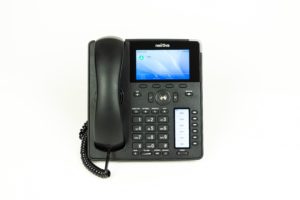
Business VoIP services let us make and receive phone calls over the internet rather than through traditional copper phone lines. VoIP stands for Voice over Internet Protocol. In simple terms, it converts voice into digital data and sends it through an internet connection.
For businesses, that means a phone system can become far more than just a desk handset. It can include mobile calling, call routing, team messaging, video meetings, CRM integration, reporting, and cloud-based management from one platform.
For many organisations, this shift is less about chasing trends and more about fixing practical problems:
- high line rental and call costs
- limited flexibility for hybrid teams
- outdated hardware
- poor visibility over call performance
- difficulty scaling across teams or locations
At AGR Technology, we work with businesses that want their communications to support wider digital transformation, not hold it back.
How VoIP Differs From Traditional Phone Systems
Traditional phone systems usually rely on physical infrastructure on-site or through legacy carrier lines. They often require dedicated hardware, technician visits for changes, and higher costs when adding users or locations.
Business VoIP services work differently. Because they’re internet-based and often cloud-hosted, they’re easier to manage and usually more flexible.
Here’s the practical difference:
- Traditional systems: fixed lines, on-premise equipment, limited mobility
- VoIP systems: internet-based calling, cloud management, easier scaling
- Traditional systems: slower to update or expand
- VoIP systems: faster deployment and easier feature upgrades
And yes, call quality can be excellent with the right network setup. In many cases, it’s better than what businesses are used to from older systems.
Core Components Of A Business VoIP Setup
A business VoIP system can be simple or more advanced depending on needs, but the main components usually include:
- A VoIP provider that delivers the service
- A stable internet connection with enough bandwidth and quality of service
- Handsets, softphones, or mobile apps for making and receiving calls
- A cloud PBX or hosted phone platform to manage users, numbers, call flows, and features
- Network hardware such as routers or switches configured to support voice traffic
Some businesses keep physical desk phones. Others move to app-based calling on laptops and mobiles. Most use a mix.
The right setup depends on how your team works, where they work, and how important call handling is to sales, support, or operations.
Why Businesses Are Switching To VoIP
The shift to VoIP isn’t just about lowering costs, although that’s often part of it. Businesses are switching because they want communications that match the way teams now operate: across offices, homes, mobile devices, and multiple customer channels.
Cost Savings, Flexibility, And Scalability
One of the biggest reasons businesses adopt business VoIP services is cost efficiency.
Compared with traditional systems, VoIP can reduce:
- upfront hardware spend
- maintenance costs
- line rental fees
- charges for long-distance or multi-site calling
But cost is only one side of the equation.
VoIP also gives us more flexibility. Adding a new user, redirecting calls, setting up an after-hours menu, or opening another location is typically much easier than with older telephony systems.
That matters for growing businesses. If your team expands from 5 users to 25, or 50 to 200, you want a communications platform that can scale without a complete rebuild.
Remote Work, Mobility, And Business Continuity
Hybrid work changed what businesses expect from phone systems. Staff need to answer calls from wherever they’re working without giving customers a fragmented experience.
VoIP supports that by allowing calls to be handled through:
- desk phones
- desktop apps
- mobile apps
- browser-based interfaces
So your sales team can answer client calls on the road, your support staff can work from home, and your management team can stay reachable without relying on personal numbers.
VoIP also helps with business continuity. If one office loses access, calls can often be redirected quickly to another location, another device, or a remote team member. That kind of resilience matters during outages, weather events, relocations, or sudden operational changes.
In short, businesses are switching because VoIP is usually more aligned with how business is actually done now.
Key Features To Look For In Business VoIP Services
Not all business VoIP services are the same. Some are little more than internet calling. Others are full unified communications platforms with advanced automation, reporting, and integrations.
The best choice depends on your workflows, customer expectations, and internal systems.
Call Routing, Auto Attendants, And Voicemail
At a minimum, most businesses should look for core call management features that improve responsiveness and professionalism.
Important features include:
- Call routing: send calls to the right person or team based on time, department, or availability
- Auto attendants: greet callers and present menu options without needing a live receptionist for every call
- Voicemail to email: make missed messages easier to access and act on
- Call forwarding: route calls to mobiles, remote staff, or backup contacts
- Call queues and ring groups: useful for support, reception, and sales teams
These features don’t just make life easier internally. They also improve the caller experience. Customers want quick answers and clear pathways, not endless transfers.
Integrations, Analytics, And AI-Powered Tools
This is where many businesses start seeing bigger operational value.
Modern business phone systems can often integrate with:
- CRM platforms
- Help desk software
- Microsoft 365 or Google Workspace
- Collaboration tools like Microsoft Teams
- Custom software or workflow tools
Integrations can reduce manual admin and give teams more context during calls. For example, a sales rep might see customer records automatically when the phone rings. A support team might log call activity directly into a ticketing system.
Analytics are also worth paying attention to. Reporting can help us track:
- Missed calls
- Average wait times
- Peak call periods
- Staff responsiveness
- Call volumes by department or location
Some providers now offer AI-powered features too, such as call transcription, summaries, sentiment analysis, and intelligent routing. These tools can be useful, but they should solve a real problem rather than just sound impressive.
If you’re unsure what features matter most, that’s where speaking with a technology partner like AGR Technology can help. We look at the bigger operational picture, not just the phone system in isolation.
How To Evaluate Business VoIP Providers
Choosing a provider isn’t just about comparing monthly pricing. A cheaper platform that drops calls, lacks support, or doesn’t integrate with your systems can cost more in the long run.
Reliability, Security, And Support
Reliability should be near the top of the list. Ask providers about:
- Service uptime commitments
- Redundancy and failover options
- Call quality management
- Data centre locations
- Disaster recovery processes
Security matters too, especially if your team handles sensitive customer or business information. Look for providers that can clearly explain how they protect voice traffic, user access, account authentication, and platform security.
And support really matters when there’s an issue. We recommend checking:
- Local or regional support availability
- Response times and escalation paths
- Onboarding assistance
- Training and documentation
- Whether support is included or charged separately
A provider should be able to explain things plainly. If they can’t answer practical questions before the sale, support after the sale may not be much better.
Pricing, Contracts, And Network Requirements
VoIP pricing can look simple at first glance, but there are often variables behind the headline number.
Before committing, check:
- Per-user costs
- Included call allowances
- Setup or porting fees
- Hardware costs
- Feature-based add-ons
- Contract length and exit terms
It’s also important to understand your network requirements. Even the best hosted VoIP service depends on stable internet performance.
A proper assessment should consider:
- Bandwidth capacity
- Latency and jitter
- Router and switch quality
- Wi-Fi reliability if wireless devices are used
- Quality of service configuration
This is one reason businesses often benefit from working with a broader IT and digital partner. At AGR Technology, we help clients assess both the platform and the surrounding infrastructure so the solution works properly in the real world, not just in a sales demo.
Choosing The Right VoIP Fit For Your Business Size
The right VoIP setup for a small business won’t always suit a larger or more complex organisation. Needs change based on team size, compliance expectations, call volume, customer service demands, and growth plans.
Small Business Needs Vs Enterprise Requirements
Small businesses often prioritise simplicity, affordability, and ease of management. They may need:
- Professional business number
- Basic call routing and voicemail
- Mobile and desktop calling
- Easy user setup
- Predictable monthly costs
Enterprise environments usually need more advanced capabilities, such as:
- Multi-site support
- Detailed role permissions
- Advanced reporting
- CRM and ERP integrations
- Call recording policies
- Higher resilience and security controls
Neither approach is better. It just depends on what the business actually needs today, and what it may need in the next 12 to 24 months.
Industry And Growth Considerations
Industry context matters more than many providers admit.
For example:
- Professional services may need reliable call routing, voicemail transcription, and client record integration
- Healthcare and allied services may need stronger privacy controls and dependable call handling
- Retail and hospitality may prioritise mobility, multi-location support, and easy call transfers
- Sales-led businesses often need analytics, CRM integration, and call monitoring
- Support-heavy teams may need queues, reporting, and automation
Growth is another factor. A system that works for your current team may become restrictive if you expand locations, add departments, or introduce new customer service channels.
That’s why we usually recommend choosing a scalable solution rather than the absolute cheapest option. Saving a little now can create a bigger migration problem later.
Common Business VoIP Implementation Mistakes To Avoid
Even a strong platform can underperform if implementation is rushed or poorly planned.
Some of the most common mistakes include:
- Choosing based on price alone without checking reliability or support
- Ignoring network readiness and assuming any internet connection will do
- Overbuying features that staff never use
- Underestimating user training and change management
- Not planning call flows properly for departments, after-hours handling, or escalation paths
- Failing to check integrations with CRM, help desk, or internal systems
- Skipping backup and continuity planning in case of outages
- Locking into unsuitable contracts without understanding terms
A good rollout should include technical assessment, configuration planning, testing, number porting coordination, and staff onboarding.
This is often where businesses save themselves frustration by getting experienced advice early. If you’re upgrading your communications environment, we can help map the right solution, identify risks, and make implementation smoother.
Conclusion
Business VoIP services give modern organisations a more flexible, scalable, and cost-effective way to manage communications. The real value isn’t just internet calling. It’s better call handling, stronger mobility, cleaner integrations, and a system that supports how your team actually works.
If you’re comparing business phone solutions, the key is to look beyond headline pricing. Focus on reliability, features, support, security, and whether the platform fits your business now and as you grow.
If you’d like help reviewing your options, planning a migration, or choosing a business VoIP solution that fits into your broader technology strategy, contact AGR Technology to start the conversation.
Frequently Asked Questions About Business VoIP Services
What are business VoIP services and how do they work?
Business VoIP services let companies make and receive calls over the internet instead of traditional phone lines. Voice is converted into digital data and managed through a cloud or hosted platform, which can also support mobile apps, call routing, voicemail, messaging, and reporting.
Why are businesses switching from traditional phone systems to business VoIP services?
Many businesses switch to business VoIP services for lower costs, easier scaling, and better flexibility for hybrid or remote teams. Compared with legacy systems, VoIP usually offers simpler management, faster deployment, improved mobility, and features like call forwarding, auto attendants, and cloud-based administration.
What features should I look for in business VoIP services?
Key business VoIP services features include call routing, auto attendants, voicemail to email, call queues, call forwarding, mobile and desktop apps, analytics, and CRM integrations. Some providers also offer AI tools like transcription and call summaries, but the best choice depends on your workflows and team needs.
How do I choose the right business VoIP provider?
Look beyond monthly pricing and compare reliability, security, support, integrations, and contract terms. A strong provider should explain uptime commitments, failover options, onboarding, and network requirements clearly. It also helps to assess whether the platform fits your current operations and future growth plans.
Can business VoIP services work well for remote and hybrid teams?
Yes. Business VoIP services are well suited to remote and hybrid work because staff can answer calls through desk phones, desktop apps, mobile apps, or browser-based tools. This helps teams stay reachable from different locations while giving customers a more consistent and professional calling experience.
Does VoIP require a strong internet connection to maintain call quality?
Yes. VoIP call quality depends heavily on internet stability, bandwidth, latency, jitter, and properly configured network hardware. With the right setup, call quality can be excellent and sometimes better than older phone systems. A network assessment is often recommended before deployment to avoid performance issues.
Other Business Solutions:
Managed Business Internet Services Australia
Cloud Migration & Management Services
Managed IT Services Shepparton
Cyber Security Incident Response And Simulated Phishing Attacks