

Running a brewery with spreadsheets, separate apps, and manual handoffs gets messy fast. Production data lives in one place, inventory in another, and sales or compliance records somewhere else again. That slows teams down and makes growth harder than it needs to be.
At AGR Technology, we can build custom brewery management software that brings brewing operations into one practical system. On this page, we’ll walk through what brewery software should do, how development works, and what to consider if you want a platform that supports efficiency, visibility, and long-term growth.
Get in contact with us to discuss your project
Reviews from our happy clients:

Justine Brummans
Alessio is both incredibly knowledgeable and personable! He gave me great advice that was catered to me and my situation. Thank you Alessio! Super helpful!

Springfield Equestrian Park
Alessio is amazing! I can not speak highly enough of how helpful and knowledgeable he is, my website he created far exceeded my expectations, he is so accomodating and I can only wish him every success with his business. I rate AGR technology 10 out of 10.
Legacy Energy
We used AGR Technology and dealt with Alessio to design and build our website as well as host our emails. Alessio was a pleasure to deal with and had plenty of ideas that we could implement into our site. He has a great attention to detail, he is also very polite in understanding our goals and what we wanted to achieve with our website.
Thanks mate,
Alex & Rob
Excellent Service
Alessio developed our website for our business and has done a wonderful job. He is very personable and knowledgeable. We have enjoyed working with him. We will be referring others to him and highly recommend him to those who need Tech advice.
MRC Performance
I have been in business for over 10 Years and recently moved to AGR Technology for all our IT needs. They are able to fix nearly anything remotely and always very helpful in recommending appropriate hardware upgrades that do the job as required but not costing more than needed.

Alessio provided an excellent service. He was very dedicated in his method of finding solutions to problems. He continued to try different avenues until he found the reason as to why a particular application was not working. He was very knowledgeable in his understanding of the internet and of applications and how they work, and he was able to apply this knowledge in understanding how to resolve the obstacles that continued to appear. He is understanding towards his client's needs and goals and he is willing to work with his client in achieving those goals. He is a very polite and well mannered person and very calm and gentle in his approach. I would highly recommend Alessio's services to anyone.

Palmira Rigoli
Great work ethics Alessio! We at Totally Gluten Free Products are very happy to have you on board as our IT and SEO master. Very reliable, trustworthy and knowledgeable in the field.
YouTube Comment
Nat's Custom Designs
Alessio from AGR Technology has recently helped me create a website for my business.
Throughout the whole process from start to finish Alessio made the process easy for me, by calling me and explaining each step of the way. I'm not very computer savvy, but with Alessio taking the time to explain in detail everything I needed to know from putting inventory in to having it shipped. He even remotely joined my computer to help guide me through everything.
He's very knowledgeable and is experienced in everything I needed and if there was anything else I needed to know that wasn't something he was familiar with, he researched it.
I would HIGHLY recommend Alessio to anyone. He has not only helped me for now but I know that if I ever needed help with anything else he would definitely go above and beyond to help. Thank you so much for everything you have done. It's been a long process but well worth it 🙂
Byron Macumber
AGR Technology is amazing. not only do they stick with you through out the process, they also accommodate to your wants and needs. They are efficient in their work and they have high integrity. Their capabilities are shown through their website design, and appropriate knowledge of utilities regarding software. over the many years of working with them they have been fantastic. I would recommend to everyone
Very helpful
Alessio was thorough, diligent and kept me updated at all time points. I was very impressed with his performance, passion and dedication. I will continue to use his services.
Wantrup & Associates
Alessio of AGR Technology is an IT guy we rely on whenever we need IT help. His professionalism impressed us right at the first time. He solved many of our IT problems in no time. Excellent communication and speedy response.
We highly recommend this company
From a happy customer
Valeria Bianco
I received AGR contact information from a previous client, who had found their service excellent. So I contacted AGR with some expectations, and I can say they exceeded them. Professional, honest, punctual, reliable, their service is faultless. We can't recommend them highly enough.
Very fast, value for money and a comprehensive service
AGR is professional, organised and very skilled at what they do. They take the initiative, looking after all the details that you would not have thought of to enhance your website presence, marketing funnel and automated appointment bookings. Big bonus - pricings are at a fraction of the cost of competitors.
Customer testimonial
Alessio from AGR Technology is wonderful at gently guiding the less technically savvy users to solve problems. Back up service excellent. Highly recommended
SEO for website
The team is very cooperative and delivers clean and very efficient work.

Raimond Volpe
Nothing but good things to say about Alessio. He has been great service and great at communicating with me by both phone and email. Very good knowledge and problem-solving ability with our web development. I would thoroughly recommend Alessio and AGR Technology to anyone wanting online marketing or web development
Website design
Big thank you to Alessio at AGR Technology for a smooth and easy website development process. Nothing was to difficult to accomplish, I can highly recommend his first class service.
Proudly supporting clients of all sizes to succeed through digital solutions











Why work with us?






Why Breweries Need Custom Management Software Instead Of Disconnected Tools

Breweries deal with moving parts all day: recipes, batch schedules, raw materials, packaging, warehousing, sales orders, excise reporting, and distribution. When those functions sit across spreadsheets and generic software, teams spend too much time double-handling information.
Custom brewery management software solves that by connecting the workflow from brew planning to final sale. Instead of asking staff to switch between tools, we create one central platform tailored to the way your brewery actually operates.
That matters because no two breweries run exactly the same. A growing craft brewery has different needs from a contract brewer or multi-site operation. Off-the-shelf systems can help to a point, but they often force process changes, workarounds, or costly compromises.
A custom system can help you:
- reduce manual data entry
- track batches and ingredients accurately
- improve stock visibility across raw materials and finished goods
- support compliance and audit readiness
- connect production, sales, and finance data
- scale operations without adding admin overhead
For breweries looking at digital transformation seriously, custom software is often the difference between coping with growth and managing it well. If your current setup feels patched together, it’s probably time to review a better-fit platform.
Core Features Every Brewery Management Platform Should Include
The right brewery management platform should support daily operations without making the team fight the software. We focus on features that reduce friction, improve reporting, and give decision-makers clearer visibility across the business.
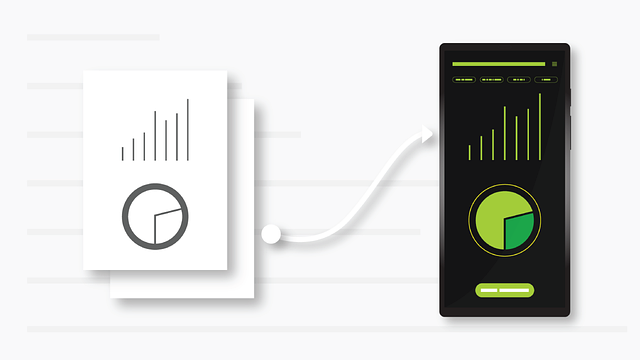
A strong system usually combines production management, inventory control, traceability, sales workflows, and reporting in one environment. It should also support role-based access, mobile-friendly interfaces where needed, and integration with accounting, eCommerce, CRM, or warehouse systems.
The best feature set depends on your operation size, product range, and distribution model. But there are a few core capabilities that nearly every brewery should treat as essential.
Production, Batch Tracking, And Quality Control Workflows
Production is the heart of any brewery software platform. Your system should make it easier to plan, execute, and review each batch with less manual effort.
Key production and quality functions often include:
- recipe and formula management
- brew scheduling and production calendars
- batch record creation and tracking
- work-in-progress monitoring
- yield calculations and variance reporting
- quality assurance checks and test logs
- packaging run tracking
- lot and traceability records
This kind of setup gives brewers and operations teams a clearer picture of what’s happening in real time. If a batch has an issue, you can trace ingredients, process steps, and packaging outcomes faster. If demand shifts, production planning becomes easier to adjust.
And from a business point of view, strong batch tracking supports consistency. That’s critical not only for quality, but also for brand trust and operational control.
Inventory, Sales, Distribution, And Compliance Management
Beyond brewing, software needs to support the commercial side of the operation. That includes raw material inventory, packaged product stock, customer orders, distributor workflows, and reporting obligations.
Useful capabilities may include:
- ingredient, packaging, and finished goods inventory management
- stock movements across locations
- reorder alerts and procurement workflows
- sales order processing and invoicing integration
- distributor and wholesale account management
- shipment tracking and fulfilment status
- excise, tax, and compliance reporting
- dashboard reporting for margins, stock levels, and sales performance
For breweries operating in regulated markets, compliance features matter a lot. The software should help keep accurate records and make reporting less painful, not create more admin. And if you’re selling through multiple channels, integrated inventory and order management can prevent overselling, stockouts, and avoidable delays.
That joined-up visibility is where custom brewery ERP-style platforms deliver real value.
How To Plan Brewery Management Software Development From Discovery To Launch
Good software development starts well before code. We usually begin with discovery: understanding your current process, pain points, systems, users, and goals. That includes talking with operations staff, production leads, management, and anyone who’ll rely on the platform day to day.
A typical development process looks like this:
- Discovery and requirements mapping – define workflows, data needs, integrations, and priorities.
- Solution architecture – plan the system structure, technology stack, security, and scalability.
- UX and interface design – create user-friendly screens and workflows for different roles.
- Development and integration – build the platform and connect key systems.
- Testing and QA – validate performance, accuracy, permissions, and usability.
- Deployment and training – launch in stages where needed and support team onboarding.
- Ongoing improvement – refine features as the business grows.
We generally recommend building around the highest-impact workflows first. That keeps scope practical and helps you get value earlier. For many breweries, that means starting with production, inventory, and reporting before expanding into advanced forecasting, customer portals, or mobile tools.
If you’re exploring brewery management software development, a clear roadmap saves time, budget, and frustration later.
Key Technologies, Integrations, And Trends Shaping Modern Brewery Platforms
Modern brewery platforms need more than a good interface. They need the right technical foundation to support reliability, data access, and future growth.
Depending on the project, that can include cloud-based infrastructure, web applications, mobile access, API integrations, reporting dashboards, and automation tools. We also see growing demand for systems that connect with:
- accounting platforms
- POS systems
- eCommerce stores
- CRM software
- shipping and logistics tools
- barcode scanning or warehouse devices
- BI and analytics platforms
A few clear trends are shaping software in this space. First, real-time visibility is becoming standard. Brewery leaders want live dashboards, not week-old spreadsheet summaries. Second, automation is reducing repetitive admin, especially around stock updates, notifications, and reporting. Third, AI-supported analytics is starting to help businesses spot demand patterns, identify waste, and improve planning.
Security and scalability matter too. A platform should protect operational and commercial data while being flexible enough to support new locations, new product lines, or changing workflows.
At AGR Technology, we design custom software with those long-term requirements in mind, not just the immediate brief.
How To Measure ROI, Adoption, And Long-Term Business Impact
Software only delivers value if people use it and the business sees measurable improvement. That’s why ROI should be tracked from the beginning.
For brewery software, useful performance indicators often include:
- reduction in manual admin time
- improved stock accuracy
- lower ingredient or packaging waste
- faster batch reporting and traceability
- fewer order or fulfilment errors
- shorter month-end reporting cycles
- better production planning accuracy
- improved margin visibility
Adoption is just as important as technical delivery. If the platform fits the way teams work, training becomes easier and resistance tends to drop. Clear interfaces, practical dashboards, and staged rollout plans all help.
Long term, the biggest impact is usually better decision-making. When production, inventory, and sales data are connected, leadership can respond faster and plan with more confidence.
If you’re investing in brewery management software development, the goal isn’t just to replace spreadsheets. It’s to create a system that supports stronger operations and sustainable growth.
If that’s what you’re aiming for, AGR Technology can help you scope, design, and build a platform that fits your brewery properly. Get in touch with our team to discuss your requirements.
Frequently Asked Questions about Brewery Management Software Development
What are the key benefits of custom brewery management software?
Custom brewery management software reduces manual data entry, improves batch and ingredient tracking, enhances stock visibility, supports compliance, connects production with sales and finance, and helps scale operations efficiently.
Which core features should brewery management software include?
Essential features include production and batch tracking, recipe management, inventory control, sales workflows, compliance reporting, role-based access, mobile usability, and integration with accounting, eCommerce, CRM, and warehouse systems.
How does brewery management software improve production and quality control?
It facilitates recipe management, batch scheduling, work-in-progress monitoring, quality assurance checks, and traceability, enabling real-time visibility, faster issue resolution, and consistent product quality.
Why is integrating sales and inventory management important for breweries?
Integration prevents overselling and stockouts by providing joined-up visibility of raw materials and finished goods across multiple sales channels, easing compliance reporting and enhancing order fulfillment accuracy.
What technologies and trends are shaping modern brewery management platforms?
Modern platforms use cloud infrastructure, web and mobile access, API integrations, real-time dashboards, automation, AI analytics, and connect with accounting, POS, CRM, eCommerce, shipping, and warehouse systems.
How can breweries measure the ROI and adoption of their management software?
By tracking reduced manual admin time, improved stock accuracy, less waste, faster reporting, fewer errors, shorter reporting cycles, better production planning, and overall better decision-making and growth support.
Further content:
Website Design Services for Breweries
Hybrid App Development Services
Digital Marketing Services For Business

Alessio Rigoli is the founder of AGR Technology and got his start working in the IT space originally in Education and then in the private sector helping businesses in various industries. Alessio maintains the blog and is interested in a number of different topics emerging and current such as Digital marketing, Software development, Cryptocurrency/Blockchain, Cyber security, Linux and more.
Alessio Rigoli, AGR Technology