

When someone nearby searches for the service you provide, does your business appear, or does the inquiry go to a competitor? Local search engine optimization helps connect your business with people who can visit your premises, request a quote or book your services. At AGR Technology, we build practical local SEO strategies for Australian & international businesses, from single-location operators to enterprises serving multiple regions. Our focus is clear: improve your visibility across Google Search and Maps and turn relevant local searches into measurable business opportunities.
Get in contact with our team for a fully bespoke SEO campaign proposal
Reviews from our happy clients:

Justine Brummans
Alessio is both incredibly knowledgeable and personable! He gave me great advice that was catered to me and my situation. Thank you Alessio! Super helpful!

Springfield Equestrian Park
Alessio is amazing! I can not speak highly enough of how helpful and knowledgeable he is, my website he created far exceeded my expectations, he is so accomodating and I can only wish him every success with his business. I rate AGR technology 10 out of 10.
Legacy Energy
We used AGR Technology and dealt with Alessio to design and build our website as well as host our emails. Alessio was a pleasure to deal with and had plenty of ideas that we could implement into our site. He has a great attention to detail, he is also very polite in understanding our goals and what we wanted to achieve with our website.
Thanks mate,
Alex & Rob
Excellent Service
Alessio developed our website for our business and has done a wonderful job. He is very personable and knowledgeable. We have enjoyed working with him. We will be referring others to him and highly recommend him to those who need Tech advice.
MRC Performance
I have been in business for over 10 Years and recently moved to AGR Technology for all our IT needs. They are able to fix nearly anything remotely and always very helpful in recommending appropriate hardware upgrades that do the job as required but not costing more than needed.

Alessio provided an excellent service. He was very dedicated in his method of finding solutions to problems. He continued to try different avenues until he found the reason as to why a particular application was not working. He was very knowledgeable in his understanding of the internet and of applications and how they work, and he was able to apply this knowledge in understanding how to resolve the obstacles that continued to appear. He is understanding towards his client's needs and goals and he is willing to work with his client in achieving those goals. He is a very polite and well mannered person and very calm and gentle in his approach. I would highly recommend Alessio's services to anyone.

Palmira Rigoli
Great work ethics Alessio! We at Totally Gluten Free Products are very happy to have you on board as our IT and SEO master. Very reliable, trustworthy and knowledgeable in the field.
YouTube Comment

Nat's Custom Designs
Alessio from AGR Technology has recently helped me create a website for my business.
Throughout the whole process from start to finish Alessio made the process easy for me, by calling me and explaining each step of the way. I'm not very computer savvy, but with Alessio taking the time to explain in detail everything I needed to know from putting inventory in to having it shipped. He even remotely joined my computer to help guide me through everything.
He's very knowledgeable and is experienced in everything I needed and if there was anything else I needed to know that wasn't something he was familiar with, he researched it.
I would HIGHLY recommend Alessio to anyone. He has not only helped me for now but I know that if I ever needed help with anything else he would definitely go above and beyond to help. Thank you so much for everything you have done. It's been a long process but well worth it 🙂
Byron Macumber
AGR Technology is amazing. not only do they stick with you through out the process, they also accommodate to your wants and needs. They are efficient in their work and they have high integrity. Their capabilities are shown through their website design, and appropriate knowledge of utilities regarding software. over the many years of working with them they have been fantastic. I would recommend to everyone
Very helpful
Alessio was thorough, diligent and kept me updated at all time points. I was very impressed with his performance, passion and dedication. I will continue to use his services.
Wantrup & Associates
Alessio of AGR Technology is an IT guy we rely on whenever we need IT help. His professionalism impressed us right at the first time. He solved many of our IT problems in no time. Excellent communication and speedy response.
We highly recommend this company
From a happy customer
Valeria Bianco
I received AGR contact information from a previous client, who had found their service excellent. So I contacted AGR with some expectations, and I can say they exceeded them. Professional, honest, punctual, reliable, their service is faultless. We can't recommend them highly enough.
Very fast, value for money and a comprehensive service
AGR is professional, organised and very skilled at what they do. They take the initiative, looking after all the details that you would not have thought of to enhance your website presence, marketing funnel and automated appointment bookings. Big bonus - pricings are at a fraction of the cost of competitors.
Customer testimonial
Alessio from AGR Technology is wonderful at gently guiding the less technically savvy users to solve problems. Back up service excellent. Highly recommended
SEO for website
The team is very cooperative and delivers clean and very efficient work.

Raimond Volpe
Nothing but good things to say about Alessio. He has been great service and great at communicating with me by both phone and email. Very good knowledge and problem-solving ability with our web development. I would thoroughly recommend Alessio and AGR Technology to anyone wanting online marketing or web development
Website design
Big thank you to Alessio at AGR Technology for a smooth and easy website development process. Nothing was to difficult to accomplish, I can highly recommend his first class service.
What our clients are saying










Why work with us?







Contact us today to find out how our SEO consultants can help take your online presence to the next level.
What’s The Difference Between Traditional SEO and Local SEO?
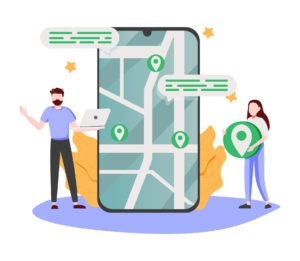
Traditional SEO and local SEO share the same foundation. Both help search engines understand a website, assess its relevance and decide where it should appear in unpaid results. The main difference is geographic intent.
Traditional SEO targets broad searches, often at a national or international level. A software company selling online might target “inventory management software” across Australia. It could compete with established brands, publishers and global platforms with substantial marketing budgets.
Local SEO narrows the contest. It targets people searching within a city, suburb, district or service area. A search such as “commercial electrician in Melbourne” or “accountant near me” tells Google that location matters. Google can then consider relevance, distance and prominence when producing local results.
That makes local search optimization especially useful for:
- Trades and mobile service providers
- Medical, dental and allied health clinics
- Restaurants, cafés and accommodation providers
- Professional services and consultancies
- Retail shops and showrooms
- Franchise groups and multi-location businesses
- Education, fitness and activity centers
- B2B companies serving defined regions
Local search appears in more than blue links
A traditional organic SEO campaign usually concentrates on website rankings. Local SEO also covers your Google Business Profile, Google Maps visibility and the local pack, the map and business listings commonly displayed for location-based searches.
These results can show practical details before a person reaches your website, including:
- Business name, address and phone number
- Opening hours
- Directions and service areas
- Customer reviews
- Photos, services and products
- Booking, website and call options
Why local SEO can produce stronger buying signals
People making local searches often have a specific need and a shorter path to action. Someone searching for an “emergency plumber near me” is unlikely to be researching next year’s renovation. They need a suitable provider now. Likewise, a business looking for managed IT support in its city may prefer a team that understands the local market and can provide responsive assistance.
This gives local businesses three practical advantages:
- A more relevant competitive field: You compete for defined locations rather than every search nationally.
- Better audience targeting: Your pages reach people who can realistically use your service or visit your location.
- Clearer conversion opportunities: Calls, bookings, quote requests and direction clicks can be tracked as outcomes.
Local and traditional SEO aren’t opposing strategies. A strong campaign often uses both. Technical improvements, useful content and reputable backlinks support the whole website, while location pages, local citations, reviews and Google Business Profile optimization strengthen geographic relevance.
At AGR Technology, we assess how these elements work together rather than applying a one-size-fits-all checklist. That matters because a suburban clinic, a national franchise and a software provider targeting several Australian cities each require a different search strategy.
How You Can Start Using Local SEO

Local SEO starts with reliable business information and a website that answers local customers’ questions. It doesn’t require publishing dozens of near-identical suburb pages or inserting a city name into every sentence. In fact, those tactics can create a poor experience and weaken trust.
Here’s the process we recommend.
1. Claim and complete your Google Business Profile
Your Google Business Profile is central to visibility in Google Search and Maps. Claim or verify the listing, choose the most accurate primary business category and complete every relevant field.
Add your correct contact details, opening hours, service areas, website link and business description. Upload current photos that accurately represent your premises, team or work. If customers visit your address, make sure it is displayed correctly. If you travel to customers and don’t serve people at your registered address, configure a service-area profile in line with Google’s Business Profile guidelines.
Keep the profile active. Update holiday hours, services and business changes when they occur. Accuracy is more useful than frequent posts made only for appearances sake.
2. Check your website’s local signals
Your website should make it easy to understand what you offer, where you operate and how to contact you. Include your business name, phone number and location details consistently. Build clear service pages around genuine customer needs rather than creating one overloaded page for everything.
For a multi-location business, dedicated location landing pages can be valuable. Each page should contain original information, such as:
- Services available at that location
- Address, hours and contact options
- Relevant staff or local expertise
- Parking, access or appointment information
- Testimonials or completed projects from the area
- Frequently asked questions specific to local customers
Copying the same text and changing only the suburb name adds little value. A useful location page should help someone decide whether that branch or service team is right for them.
3. Keep business details consistent online
Mentions of your business on directories and industry websites are often called local citations. Check that your name, address and phone number are consistent across major platforms. Correct old addresses, duplicate profiles and outdated phone numbers.
Prioritize reputable, relevant listings rather than submitting the business to hundreds of low-quality directories. Depending on your industry, useful sources may include chambers of commerce, professional associations, recognized local directories and supplier or partner websites.
4. Build a responsible review process
Reviews can help prospective customers assess service quality and give search engines more information about a business’s prominence. Ask real customers for honest feedback after a completed purchase, appointment or project. Make the process simple by providing a direct review link.
Don’t buy reviews, offer rewards in exchange for positive ratings or ask staff to post as customers. Respond professionally to both positive and critical feedback without disclosing private customer information. A thoughtful response to a complaint often says more about a business than a perfect-looking rating.
5. Publish content with local value
Useful local content answers questions that sales pages cannot. A builder might explain council approval considerations at a general level. A fitness center could cover upcoming community events. A professional services firm might discuss issues affecting businesses in its region.
The goal isn’t to publish for the sake of activity. Each article, case study or guide should address a real question and demonstrate experience. Original project examples, local observations and practical advice are stronger than generic posts rewritten from competitors.
6. Improve technical performance and measurement
Local visibility still depends on sound website fundamentals. Review mobile usability, page speed, crawlability, internal links, page titles and structured data. Add LocalBusiness schema where appropriate, but remember that structured data describes the business, it doesn’t guarantee a ranking or enhanced result.
Track performance through Google Search Console, Google Analytics and Business Profile performance data. Useful measures include:
- Visibility for relevant local search terms
- Organic visits to service and location pages
- Calls, forms, bookings and quote requests
- Google Maps interactions and direction requests
- Conversion quality, not rankings alone
Rankings naturally vary by searcher and location, so a single manual search isn’t a reliable performance report.
Get a local SEO strategy built around your market
Effective local SEO takes ongoing work. Competitors change, customer language evolves and business information needs regular maintenance. AGR Technology can audit your website and local presence, identify missed opportunities and manage the technical, content and profile work required to improve visibility.
Our broader capabilities in digital marketing, software development and AI automation also allow us to connect search activity with lead handling and operational systems. That means local visibility can support a smoother process from first search to customer inquiry.
If your business depends on customers in specific Australian locations, we can help you compete where it counts. Contact AGR Technology for a local SEO consultation and let’s identify the practical steps most likely to improve your search presence and generate qualified inquiries.
Local SEO Frequently Asked Questions
What is the main difference between traditional SEO and local SEO?
Traditional SEO targets broad, often national or international searches, while local SEO focuses on geographic intent, aiming to connect businesses with searchers in specific cities or regions to boost local visibility.
How can local SEO benefit small businesses specifically?
Local SEO narrows competition to nearby businesses, improves targeting to customers who can physically visit or use services, and results in higher conversion rates due to the immediacy and relevance of local searches.
What are the essential steps to start using local SEO effectively?
Start by claiming and optimizing your Google Business Profile, ensure consistent business details online, create localized website pages with relevant content, encourage genuine customer reviews, and maintain accurate, up-to-date information.
Why is maintaining a Google Business Profile important for local SEO?
A verified and well-maintained Google Business Profile enhances visibility in Google Search and Maps, displays key business information, and helps attract local customers by showing accurate details like hours, contact info, and reviews.
How does local SEO improve conversion opportunities compared to general SEO?
Local SEO targets users with immediate needs nearby, making them more likely to take action such as calling, booking, or visiting, resulting in clearer and more measurable business conversions.
Can local SEO strategies help businesses with multiple locations?
Yes, multi-location businesses benefit from dedicated location landing pages with unique content, which enhances geographic relevance and improves their local search visibility across different areas.
Related content:
Boost Your Local SEO on a Small Budget
How to Choose the Right Keywords for Your Local SEO Campaign
Digital Marketing Services for Roofers: Local SEO, PPC, Content & Reviews That Drive Leads
Best Pest Control SEO Company for More Local Leads
Local Marketing Services For PE Firms In Vertical Markets

Alessio Rigoli is the founder of AGR Technology and got his start working in the IT space originally in Education and then in the private sector helping businesses in various industries. Alessio maintains the blog and is interested in a number of different topics emerging and current such as Digital marketing, Software development, Cryptocurrency/Blockchain, Cyber security, Linux and more.
Alessio Rigoli, AGR Technology