

When you want to reach people at the right place and time, broad targeting only goes so far. You can spend heavily on digital ads and still miss the customers who are actually near your business, visiting a competitor, attending an event, or actively looking for a service in your area.
That’s where geofence marketing stands out. It gives businesses a practical way to target people based on real-world location, connect ad spend to local intent, and support stronger campaign performance across retail, hospitality, healthcare, trade services, and more.
At AGR Technology, we help businesses use digital marketing in ways that are measurable, relevant, and commercially useful. In this guide, we explain the benefits of geofence marketing, how it works, where it fits best, and what to consider before launching a campaign.
Book a free consultation call with AGR Technology to see how we can help scale your brand with proven online marketing strategies
Reviews from our happy customers:
Supporting businesses of all sizes to get ahead with digital solutions











Why work with us?





What Geofence Marketing Is And How It Works
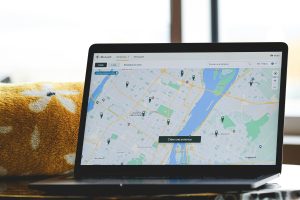
Geofence marketing is a location-based advertising strategy that lets us target users when they enter, leave, or spend time within a defined geographic area. That area might be around a shop, office, event venue, competitor location, service region, or even a specific neighbourhood.
In simple terms, we create a virtual boundary around a real-world location. When eligible mobile users are detected within that boundary through location-enabled apps, ad platforms, or mobile data signals, they can be added to an audience for ads, offers, or follow-up campaigns.
A geofencing campaign often works like this:
- We define a target location or radius
- We build audience rules based on presence in that area
- We serve mobile display, social, video, or connected TV ads
- We retarget those users later with follow-up messaging
- We track outcomes such as clicks, calls, form submissions, store visits, or booked jobs
This is why geofence advertising is often valuable for businesses with a physical footprint or a defined service area. It adds a layer of local intent that standard interest targeting can’t always capture.
For example, if someone spends time near a car dealership, a medical precinct, a shopping centre, or a home display village, that location can signal likely interest. We can then use that signal to deliver more relevant messaging.
At AGR Technology, we see geofence marketing as part of a broader location-based marketing strategy. It tends to work best when it’s tied to a clear business goal, whether that’s increasing foot traffic, generating leads, promoting a limited-time offer, or improving local brand visibility.
Why Geofence Marketing Delivers Stronger Local Targeting
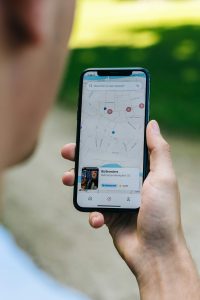
Local targeting works best when it reflects what people are actually doing, not just who they are on paper. Geofence marketing helps close that gap by using location behaviour as a signal of intent.
Reach People Based On Real-World Location
One of the biggest benefits of geofence marketing is that it targets users based on where they’ve physically been. That matters because location often reveals stronger purchase intent than broad demographics alone.
Instead of only targeting by age, interest, or generic postcode data, we can focus on people who have:
- Visited a shopping strip or retail centre
- Been near a competitor’s premises
- Attended a local event or expo
- Entered a business district or high-value suburb
- Spent time in a serviceable trade area
This makes location-based ads more relevant. And relevance usually improves results.
It also helps businesses avoid wasting impressions on users outside their realistic catchment. For service-based businesses especially, that’s important. There’s little value in paying for clicks from people well beyond your service area.
Connect Online Campaigns To Offline Foot Traffic
A lot of businesses still struggle with the gap between digital advertising and real-world outcomes. Geofence marketing helps bridge that gap.
Because these campaigns are built around physical locations, they can support goals such as:
- Driving people into stores, clinics, showrooms, or venues
- Increasing attendance at events or open days
- Supporting local promotions and seasonal campaigns
- Measuring store visit patterns alongside ad engagement
For multi-location businesses, this can be especially useful. We can tailor campaigns by suburb, store catchment, or local offer rather than forcing one generic campaign across every market.
And from a strategy point of view, that gives us better control. We can align ad creatives, landing pages, and calls to action with what’s happening in a specific area, which tends to produce stronger engagement and better conversion quality.
The Key Business Benefits Of Geofence Marketing

Geofence marketing is attractive because it isn’t just a technical feature. It solves real commercial problems: wasted spend, weak local visibility, low ad relevance, and difficulty reaching in-market audiences.
Higher Relevance And Better Ad Engagement
When ads reflect a user’s current or recent location, they usually feel more timely. A local offer, event reminder, or service message has a better chance of landing when it’s tied to where someone actually is or has just been.
That increased relevance can help with:
- Higher click-through rates
- Better audience engagement
- Improved recall for local businesses
- Stronger response to time-sensitive promotions
If someone has recently visited a retail precinct, for instance, an ad featuring a nearby offer is simply more useful than a generic brand message.
More Efficient Ad Spend And Less Waste
One of the clearest benefits of geofence marketing is efficiency. Rather than showing ads to broad audiences with mixed intent, we can narrow spend to users in defined locations that matter to the business.
This can reduce waste by focusing budget on:
- Areas close to your business
- High-value customer zones
- Competitor locations
- Event venues and partner sites
- Serviceable regions where jobs can actually be delivered
For businesses with limited ad budgets, this tighter targeting can make a meaningful difference. And for larger organisations, it can improve budget allocation across markets.
Faster Promotions For Events, Stores, And Service Areas
Geofencing is also useful when speed matters. If you need to promote a weekend sale, local activation, showroom launch, or short-term service push, location-based targeting can be deployed quickly around relevant areas.
Common use cases include:
- Retail sale campaigns
- Event attendance promotion
- New store or office launches
- Local franchise support
- Emergency or seasonal trade services
Because the audience is geographically defined, the campaign setup can be very focused. That makes geofence marketing a practical option for businesses that need agility, not just long campaign cycles.
Competitive Conquesting And Audience Retargeting Opportunities
Another major advantage is the ability to build audiences based on competitor proximity or previous location behavior.
Competitive conquesting allows us to target users who have visited or spent time near competitor locations. Done properly, this can help introduce your brand to people already showing category-level intent.
Retargeting then extends the value further. Rather than relying on a single ad impression, we can follow up with tailored messaging across other channels after the initial location trigger.
That might include:
- Offer-based retargeting
- Lead generation campaigns
- Reminder ads for undecided prospects
- Brand reinforcement across display or social media
For many businesses, this combination of geofencing and retargeting is where the strongest return starts to appear.
Industries That Can Benefit Most From Geofence Marketing
Not every campaign should use geofencing, but for many industries it’s a strong fit. The best results usually come when customer decisions are influenced by location, convenience, timing, or local competition.
Retail, Hospitality, And Multi-Location Businesses
Retailers, restaurants, cafés, hotels, gyms, and franchise groups often benefit because foot traffic is a core metric. Location-based marketing can support:
- Nearby customer acquisition
- Competitor targeting
- Store-specific offers
- Local event promotions
- Multi-site campaign personalization
For multi-location businesses, geofence marketing helps avoid one-size-fits-all messaging. Each location can have its own radius, offer, and landing page.
Healthcare, Real Estate, And Professional Services
Healthcare clinics, medical specialists, dental practices, real estate agencies, and professional services can also use geofencing effectively when local presence matters.
Use cases might include:
- Promoting a clinic in a defined suburb catchment
- Reaching prospects near health precincts or allied providers
- Targeting property seekers at display homes or inspection zones
- Building visibility for accountants, lawyers, or consultants in business districts
These campaigns are often less about impulse purchases and more about staying visible during moments of consideration.
Construction, Trade Services, And Field-Based Businesses
For builders, electricians, plumbers, landscapers, HVAC providers, and other field-based operators, geofence advertising can support service area marketing with less wasted spend.
Instead of targeting an entire city, we can focus on:
- High-priority suburbs
- Development zones
- New housing estates
- Commercial precincts
- Areas where crews are already operating
This makes campaigns more practical from an operational standpoint too. There’s little point generating leads in places your team can’t service efficiently.
For businesses going through broader digital transformation, geofence marketing can also complement SEO, paid search, CRM automation, and landing page optimization. That integrated approach is often where better long-term results come from, and it’s an area where AGR Technology supports clients with end-to-end strategy and execution.
Best Practices For A Successful Geofence Campaign
Like most digital campaigns, geofencing works best when the strategy is sound. A poorly chosen radius, weak offer, or disconnected landing page can limit results even if the targeting is technically correct.
Choose The Right Radius, Timing, And Message
Bigger isn’t always better. If the geofence is too wide, audience quality can drop. If it’s too tight, scale may be limited. The right radius depends on the business type, local density, buying cycle, and campaign goal.
We generally recommend testing:
- Different radius sizes
- Peak trading hours or event windows
- Time-sensitive offers
- Localized ad copy
- Creative tailored to each audience segment
Message fit matters just as much as targeting. Someone near a venue may respond well to urgency. Someone who visited a competitor might respond better to differentiation, trust signals, or a sharper offer.
Align Landing Pages, Offers, And Conversion Tracking
A strong ad can still fail if the next step is weak. That’s why landing page alignment matters.
Your campaign should send users to a page that clearly reflects the ad, the location context, and the desired action. In practice, that means:
- Matching the offer and wording from the ad
- Showing the relevant suburb, store, or service area
- Making contact actions obvious
- Using clear mobile-friendly forms
- Tracking calls, leads, and conversion events properly
Without good tracking, it’s hard to judge whether geofence marketing is really working. We recommend setting up measurable outcomes from the start, whether that’s online enquiries, booked appointments, quote requests, or foot traffic indicators.
At AGR Technology, we approach geofencing as part of a full-funnel system rather than an isolated ad tactic. That means aligning the audience, ad creative, landing experience, and reporting so businesses can make decisions based on real performance, not guesswork.
If you’re considering a geofence campaign, this is usually the difference between “we ran some ads” and “we built a campaign that produced useful results.”
Privacy, Consent, And Measurement Considerations
Location-based advertising comes with responsibility. Businesses need to be mindful of privacy, consent, and platform rules when using geofence marketing.
Users should only be included through compliant data sources and advertising environments that respect applicable privacy standards. Requirements can vary depending on region, platform, and industry, especially in sectors such as healthcare.
A few practical considerations matter here:
- Use reputable ad platforms and partners
- Avoid sensitive targeting practices
- Be clear about data handling and measurement processes
- Understand platform-level limits on attribution and audience size
- Review campaign setup for industry-specific compliance issues
Measurement also needs a realistic approach. Geofence campaigns can provide strong directional insights, but attribution isn’t always perfect. A store visit, phone call, online form submission, or later branded search may all play a role in the conversion path.
That’s why we prefer looking at a combination of metrics, such as:
- Reach within target areas
- Click-through rate
- Cost per lead
- Return on ad spend
- Foot traffic trends where available
- Assisted conversions across channels
Used responsibly, geofence marketing can be both effective and compliant. But it should never be treated as a shortcut around privacy expectations.
Conclusion
Geofence marketing gives businesses a smarter way to reach high-intent local audiences based on where they are and where they’ve been. Done well, it can improve ad relevance, reduce wasted spend, support local promotions, and connect digital campaigns to real-world action.
For businesses that rely on local visibility, physical locations, or defined service areas, it’s a practical strategy worth considering in 2026.
If you want to explore whether geofence marketing fits your growth strategy, we can help. At AGR Technology, we build location-based campaigns that connect targeting, landing pages, tracking, and broader digital strategy into one measurable system.
Contact us to discuss a geofence marketing campaign tailored to your business goals.
Frequently Asked Questions about Geofence Marketing
What is geofence marketing and how does it work?
Geofence marketing is a location-based advertising strategy that targets users when they enter or spend time within a defined geographic area. By creating a virtual boundary around real-world locations, businesses can deliver targeted ads to people detected through location-enabled apps or mobile signals.
How does geofence marketing improve ad relevance and engagement?
Geofence marketing delivers ads based on a user’s current or recent location, making messaging timely and relevant. This increases click-through rates, audience engagement, and response to promotions by connecting offers to places the user has actually visited.
What are the main business benefits of using geofence marketing?
Geofence marketing reduces wasted ad spend by focusing on users within key locations, supports faster promotion of local events or store openings, enhances local brand visibility, and enables competitive targeting and retargeting for stronger campaign results.
Which industries benefit most from geofence marketing?
Industries like retail, hospitality, healthcare, real estate, professional services, construction, and trade services gain the most from geofence marketing due to their dependence on location, local competition, timing, and convenience for customers.
How can businesses ensure a successful geofence marketing campaign?
Success comes from choosing the right geofence radius, timing, and tailored messaging, aligning ads with relevant landing pages and offers, and implementing proper conversion tracking to measure outcomes such as clicks, leads, and offline visits.
Is geofence marketing compliant with privacy and consent regulations?
Yes, when using reputable platforms and compliant data sources, respecting privacy standards, and avoiding sensitive targeting practices, businesses can run effective geofence campaigns that balance performance with user privacy concerns.
Related content:
Local Marketing Services For PE Firms In Vertical Markets
Local Marketing Services for Manufacturer Dealer or Distributor Networks
Local Marketing Services for National Brands
Boost Your Business With Local SEO That Converts
Boost Your Local SEO on a Small Budget
ChatGPT Advertising for the Local Market
Digital Marketing Services for Roofers: Local SEO, PPC, Content & Reviews That Drive Leads

Alessio Rigoli is the founder of AGR Technology and got his start working in the IT space originally in Education and then in the private sector helping businesses in various industries. Alessio maintains the blog and is interested in a number of different topics emerging and current such as Digital marketing, Software development, Cryptocurrency/Blockchain, Cyber security, Linux and more.
Alessio Rigoli, AGR Technology