

When a crisis hits, whether it’s a social media backlash, product recall, leadership scandal, or public safety incident, your response in the first hours can determine whether your brand recovers or suffers lasting damage. The public’s perception, media scrutiny, and stakeholder confidence all hinge on how quickly and effectively you act. That’s where a crisis PR agency becomes essential.
At AGR Technology, we understand that today’s digital landscape amplifies every misstep. A single negative tweet can spiral into national headlines within hours. Traditional PR tactics alone won’t cut it when you’re facing immediate reputational threats. Our crisis communications specialists combine strategic counsel, rapid response capabilities, and media expertise to protect your organization’s reputation and guide you through the toughest moments.
Whether you’re preparing for potential risks or already managing an active crisis, this guide will show you exactly what crisis PR agencies do, why you need one, and how to choose the right partner to safeguard your brand.
Concerned about what appears when someone searches for you? Request a reputation assessment.
What Is a Crisis PR Agency?

A crisis PR agency specializes in managing and mitigating reputational threats when your organization faces unexpected negative attention. Unlike general marketing or PR firms, we focus specifically on high-pressure situations that demand immediate, strategic action.
Our role extends beyond damage control. We help you:
- Assess the severity and potential impact of the crisis
- Develop clear, consistent messaging that addresses concerns
- Manage media inquiries and control the narrative
- Monitor public sentiment across traditional and digital channels
- Coordinate internal communications to align your team
- Carry out recovery strategies that rebuild trust
Crisis PR isn’t just about putting out fires, it’s about protecting your brand’s equity, maintaining stakeholder confidence, and positioning your organization for recovery. At AGR Technology, we bring both strategic foresight and tactical execution when your reputation is on the line.
The difference between a standard PR agency and a crisis specialist comes down to experience, speed, and strategic depth. We’ve managed high-stakes situations where every word matters and timing is everything.
Why Your Business Needs Crisis PR Services
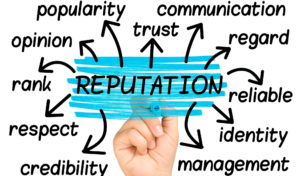
Most organizations don’t think they need crisis PR until they’re already facing one. But by that point, you’re reacting under pressure instead of responding strategically.
Here’s why having crisis PR support matters:
Speed is critical. Research shows that organizations who respond to a crisis within the first hour significantly reduce long-term reputational damage. Without an experienced partner, most businesses struggle to formulate an appropriate response while managing internal chaos.
Media won’t wait. Journalists work on tight deadlines. If you don’t provide clear information quickly, they’ll find other sources, often less favorable ones. We ensure you control your narrative from the start.
Social media amplifies everything. A complaint that once might have stayed local can now reach millions within minutes. Without proper monitoring and response protocols, negative sentiment spreads faster than you can contain it.
Stakeholder confidence is fragile. Customers, investors, employees, and partners all watch how you handle adversity. A poorly managed crisis can erode years of trust in days.
Legal and regulatory implications. Many crises involve compliance issues where your public statements carry legal weight. We work alongside your legal counsel to ensure your communications protect both your reputation and your interests.
At AGR Technology, we’ve seen firsthand how proactive crisis planning and expert guidance during critical moments make the difference between organizations that bounce back and those that don’t recover. Don’t wait for a crisis to find out you needed help.
Core Crisis PR Services Agencies Provide
Rapid Response and Crisis Assessment
When crisis strikes, the first 60 minutes determine your trajectory. We provide immediate assessment to understand:
- What happened and who’s affected
- How quickly the situation is escalating
- Which stakeholders need immediate attention
- What your key vulnerabilities are
- Whether this is likely to attract media attention
Media Relations and Message Control
Controlling your message across all channels requires both strategy and discipline. We help you:
- Develop core messaging that addresses concerns honestly
- Prepare spokespeople for media interviews
- Draft statements, press releases, and Q&A documents
- Manage media inquiries and coordinate interviews
- Monitor coverage and correct misinformation
- Conduct media training for your leadership team
The goal isn’t to spin the truth, it’s to communicate transparently while protecting your organization’s legitimate interests. We ensure your message remains consistent whether it’s coming from your CEO, your social channels, or your media statements.
Reputation Management and Recovery
Once the immediate crisis stabilizes, recovery begins. This phase often determines long-term impact. Our reputation management services include:
- Sentiment analysis across digital and traditional media
- Stakeholder engagement strategies to rebuild trust
- Content strategies that shift the narrative positively
- Online reputation repair, including SEO and review management
- Long-term monitoring to prevent recurrence
- Crisis retrospectives to strengthen future preparedness
At AGR Technology, we don’t just help you survive a crisis, we position you to emerge stronger and more resilient.
How to Choose the Right Crisis PR Agency
Industry Experience and Track Record
Not all crises are the same, and industry context matters. When evaluating agencies, look for:
- Direct experience managing crises similar to yours
- Case studies demonstrating successful outcomes
- Understanding of your industry’s regulatory environment
- Relationships with relevant media contacts
- References from organizations like yours
Response Time and Availability
If your agency takes three hours to return your call during a crisis, you’ve already lost ground. Ask potential partners:
- What’s your guaranteed response time?
- Are you available after hours and on weekends?
- How do you handle multiple concurrent crises?
- What’s your escalation process?
Communication Style and Strategic Approach
You need an agency that communicates clearly under pressure and aligns with your values. During initial conversations, assess:
- Do they listen and ask insightful questions?
- Can they explain complex strategies simply?
- Do they focus on protecting your interests or just managing media?
- Are they transparent about what’s possible and what isn’t?
Common Types of Crises PR Agencies Handle
Crisis PR agencies deal with a wide range of situations, each requiring tailored strategies:
Product recalls and safety issues – When products cause harm or fail to meet safety standards, we manage regulatory communications, customer notifications, and media response.
Executive misconduct or leadership scandals – Personal behavior of leaders can damage organizational reputation. We help manage transitions, draft appropriate responses, and protect the broader brand.
Data breaches and cybersecurity incidents – With increasing regulatory requirements around breach notification, we coordinate technical, legal, and communications responses.
Social media backlash – Viral negative content, influencer conflicts, or campaign missteps require rapid digital response strategies.
Workplace issues – Allegations of discrimination, harassment, or unsafe working conditions demand sensitive handling that protects both people and reputation.
Financial irregularities – Accounting issues, fraud allegations, or regulatory investigations require careful coordination with legal and financial advisors.
Operational failures – Service outages, supply chain disruptions, or customer service failures that attract negative attention.
Environmental incidents – Spills, emissions, or environmental damage require transparent communication with regulators and communities.
The Role of Social Media in Modern Crisis Management
Social media has fundamentally changed crisis communications. What once took days to develop now unfolds in hours, or minutes.
Real-time monitoring is essential. We track mentions, sentiment, and emerging narratives across platforms so you’re never caught off guard. Early detection often means the difference between containing an issue and facing a full-blown crisis.
Speed and authenticity matter more than polish. Audiences expect immediate responses. A perfectly crafted statement that arrives six hours late often does more harm than a timely, authentic acknowledgment. We help you strike the right balance.
Social platforms are where narratives form. Traditional media increasingly sources stories from social media. Controlling the social narrative helps shape broader media coverage.
Engagement requires judgment. Not every negative comment deserves a response. We help you determine when to engage, when to monitor, and when to take conversations offline.
Influencers and employees amplify messages. Both can help or hurt during a crisis. We develop strategies to empower supporters while managing detractors.
Proactive vs. Reactive Crisis PR: What’s the Difference?
Most organizations only think about crisis PR when they’re already in trouble. That’s reactive crisis management, and it’s always more expensive, stressful, and risky than the alternative.
Reactive crisis PR means responding to events as they happen. You’re:
- Making decisions under intense pressure
- Working with incomplete information
- Reacting to narratives others have already established
- Dealing with heightened stakeholder anxiety
- Accepting whatever outcome your hasty response produces
Reactive approaches often work, but they’re high-risk and leave too much to chance.
Proactive crisis PR means preparing before issues arise. This includes:
- Risk assessment identifying potential vulnerabilities
- Crisis communication plans with pre-approved messaging frameworks
- Trained spokespeople ready to communicate effectively
- Monitoring systems that detect issues early
- Response protocols that ensure rapid, coordinated action
- Regular simulation exercises that test your readiness
Proactive preparation doesn’t prevent all crises, but it dramatically improves outcomes when they occur. Organizations with established crisis plans respond faster, communicate more effectively, and recover more quickly.
At AGR Technology, we offer both crisis response services for immediate situations and crisis preparedness consulting to build your long-term resilience. The best time to prepare was last year. The second-best time is now, before you need it.
Conclusion
Your brand’s reputation took years to build. A crisis can damage it in hours. The difference between organizations that weather storms successfully and those that suffer lasting harm often comes down to one factor: having the right crisis PR support when it matters most.
Whether you’re facing an active crisis right now or taking a proactive approach, we’re here to help. Our team combines strategic expertise, media savvy, and round-the-clock availability to protect what you’ve built.
Don’t wait until you’re in crisis mode. Contact AGR Technology today for a confidential consultation about your crisis preparedness or immediate crisis response needs. We’re available for a consult because your reputation can’t wait.
Concerned about what appears when someone searches for you? Request a reputation assessment.
Frequently Asked Questions
What does a crisis PR agency do during a reputation emergency?
A crisis PR agency assesses the situations severity, develops consistent messaging, manages media inquiries, monitors public sentiment across channels, coordinates internal communications, and implements recovery strategies to protect your brand and rebuild stakeholder trust during high-pressure situations.
How quickly should a company respond to a crisis?
Organizations should respond within the first hour of a crisis to significantly reduce long-term reputational damage. The initial 60 minutes determine your trajectory, as delayed responses allow negative narratives to form and media to seek less favorable sources.
What is the difference between proactive and reactive crisis PR?
Reactive crisis PR means responding under pressure after a crisis occurs, often with incomplete information. Proactive crisis PR involves advance preparation including risk assessments, pre-approved messaging frameworks, trained spokespeople, and response protocols that ensure faster, more effective crisis management.
How much does crisis PR management typically cost?
Crisis PR costs vary widely based on severity, duration, and agency expertise, typically ranging from $10,000 to $100,000+ for active crisis management. Retainer-based preparedness services are more affordable and significantly reduce reactive crisis expenses by enabling faster, more coordinated responses.
Why is social media monitoring important for crisis management?
Social media amplifies crises rapidly, turning local complaints into national issues within minutes. Real-time monitoring detects emerging threats early, allows you to control narratives before they spread, and helps shape broader media coverage since journalists increasingly source stories from social platforms.
Should I hire a crisis PR agency before or during a crisis?
Ideally before a crisis occurs. Organizations with established crisis plans, pre-approved messaging, and trained spokespeople respond faster and more effectively. However, if you’re already facing a crisis, immediate expert guidance can still significantly improve outcomes and minimize lasting reputational damage.
Related content:
Reputation Management for High Net-Worth Individuals
Online Reputation Repair for Therapists, Psychologists & Psychiatrists
Corporate Press Release Distribution

Alessio Rigoli is the founder of AGR Technology and got his start working in the IT space originally in Education and then in the private sector helping businesses in various industries. Alessio maintains the blog and is interested in a number of different topics emerging and current such as Digital marketing, Software development, Cryptocurrency/Blockchain, Cyber security, Linux and more.
Alessio Rigoli, AGR Technology