

If you run a pest control business, you already know the hard part isn’t just doing quality work. It’s keeping the pipeline full with the right jobs in the right service areas at the right cost. And that’s where pest control lead generation services come in.
In this guide, we’ll explain what pest control lead generation services actually include, which channels tend to perform best, how to assess providers properly, and what to do after a lead arrives so you can turn more inquiries into booked jobs. If you’re comparing vendors or building a smarter lead strategy with a digital partner like AGR Technology, this will help you make a more well-informed choice.
Book a free consultation call with AGR Technology to see how we can help scale your brand with proven online marketing strategies
Reviews from some of our happy customers:

Justine Brummans
Alessio is both incredibly knowledgeable and personable! He gave me great advice that was catered to me and my situation. Thank you Alessio! Super helpful!

Springfield Equestrian Park
Alessio is amazing! I can not speak highly enough of how helpful and knowledgeable he is, my website he created far exceeded my expectations, he is so accomodating and I can only wish him every success with his business. I rate AGR technology 10 out of 10.
Legacy Energy
We used AGR Technology and dealt with Alessio to design and build our website as well as host our emails. Alessio was a pleasure to deal with and had plenty of ideas that we could implement into our site. He has a great attention to detail, he is also very polite in understanding our goals and what we wanted to achieve with our website.
Thanks mate,
Alex & Rob
Excellent Service
Alessio developed our website for our business and has done a wonderful job. He is very personable and knowledgeable. We have enjoyed working with him. We will be referring others to him and highly recommend him to those who need Tech advice.
MRC Performance
I have been in business for over 10 Years and recently moved to AGR Technology for all our IT needs. They are able to fix nearly anything remotely and always very helpful in recommending appropriate hardware upgrades that do the job as required but not costing more than needed.

Alessio provided an excellent service. He was very dedicated in his method of finding solutions to problems. He continued to try different avenues until he found the reason as to why a particular application was not working. He was very knowledgeable in his understanding of the internet and of applications and how they work, and he was able to apply this knowledge in understanding how to resolve the obstacles that continued to appear. He is understanding towards his client's needs and goals and he is willing to work with his client in achieving those goals. He is a very polite and well mannered person and very calm and gentle in his approach. I would highly recommend Alessio's services to anyone.

Palmira Rigoli
Great work ethics Alessio! We at Totally Gluten Free Products are very happy to have you on board as our IT and SEO master. Very reliable, trustworthy and knowledgeable in the field.
YouTube Comment
Nat's Custom Designs
Alessio from AGR Technology has recently helped me create a website for my business.
Throughout the whole process from start to finish Alessio made the process easy for me, by calling me and explaining each step of the way. I'm not very computer savvy, but with Alessio taking the time to explain in detail everything I needed to know from putting inventory in to having it shipped. He even remotely joined my computer to help guide me through everything.
He's very knowledgeable and is experienced in everything I needed and if there was anything else I needed to know that wasn't something he was familiar with, he researched it.
I would HIGHLY recommend Alessio to anyone. He has not only helped me for now but I know that if I ever needed help with anything else he would definitely go above and beyond to help. Thank you so much for everything you have done. It's been a long process but well worth it 🙂
Byron Macumber
AGR Technology is amazing. not only do they stick with you through out the process, they also accommodate to your wants and needs. They are efficient in their work and they have high integrity. Their capabilities are shown through their website design, and appropriate knowledge of utilities regarding software. over the many years of working with them they have been fantastic. I would recommend to everyone
Very helpful
Alessio was thorough, diligent and kept me updated at all time points. I was very impressed with his performance, passion and dedication. I will continue to use his services.
Wantrup & Associates
Alessio of AGR Technology is an IT guy we rely on whenever we need IT help. His professionalism impressed us right at the first time. He solved many of our IT problems in no time. Excellent communication and speedy response.
We highly recommend this company
From a happy customer
Valeria Bianco
I received AGR contact information from a previous client, who had found their service excellent. So I contacted AGR with some expectations, and I can say they exceeded them. Professional, honest, punctual, reliable, their service is faultless. We can't recommend them highly enough.
Very fast, value for money and a comprehensive service
AGR is professional, organised and very skilled at what they do. They take the initiative, looking after all the details that you would not have thought of to enhance your website presence, marketing funnel and automated appointment bookings. Big bonus - pricings are at a fraction of the cost of competitors.
Customer testimonial
Alessio from AGR Technology is wonderful at gently guiding the less technically savvy users to solve problems. Back up service excellent. Highly recommended
SEO for website
The team is very cooperative and delivers clean and very efficient work.

Raimond Volpe
Nothing but good things to say about Alessio. He has been great service and great at communicating with me by both phone and email. Very good knowledge and problem-solving ability with our web development. I would thoroughly recommend Alessio and AGR Technology to anyone wanting online marketing or web development
Website design
Big thank you to Alessio at AGR Technology for a smooth and easy website development process. Nothing was to difficult to accomplish, I can highly recommend his first class service.
Supporting businesses of all sizes to get ahead with digital solutions







Why work with us?







What Pest Control Lead Generation Services Actually Include
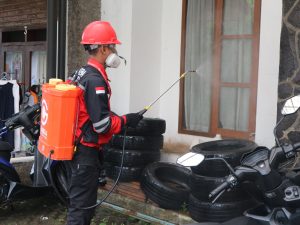
Pest control lead generation services can cover a lot more than simply sending over names and phone numbers. At a practical level, they usually involve a mix of strategy, traffic generation, enquiry capture, qualification, and reporting.
Depending on the provider, services may include:
- Local SEO to improve rankings for suburb and service-based searches
- Google Business Profile optimization
- Google Ads and paid social campaigns
- Dedicated landing pages for termite control, rodent control, end-of-lease pest treatments, and commercial pest services
- Call tracking and form tracking
- CRM integration and lead routing
- Lead qualification by location, service type, or urgency
- Reporting on cost per lead, cost per booking, and return on ad spend
Some providers are pure lead sellers. Others, including full-service digital agencies, focus on building a repeatable lead generation system around your business. That distinction matters. Buying leads can fill short-term gaps, but building an owned marketing engine often produces better margins over time.
Exclusive Vs. Shared Leads
This is one of the first things we recommend clarifying.
Exclusive leads are sent only to your business. You’re not racing three or four competitors to return the call first. They tend to cost more, but conversion rates are often stronger because the customer has fewer choices presented at once.
Shared leads are sold to multiple businesses. They’re usually cheaper upfront, but the real cost can be higher if your team spends time chasing people who have already booked elsewhere.
For pest control businesses, exclusive leads are often the better fit when:
- You serve high-value residential jobs like termite inspections or treatments
- You want tighter control over customer experience
- Your team has limited sales capacity and can’t chase low-quality volume
Shared leads may still work in some markets, especially if you have a fast call-handling team and strong close rates. But they need close monitoring.
Inbound, Outbound, And Pay-Per-Lead Models
Most pest control lead generation services fall into three broad models.
Inbound lead generation attracts people already searching for pest control. This usually includes SEO, paid search, local listings, and landing pages. These leads often show higher intent because the customer is actively looking for help.
Outbound lead generation involves reaching out to potential customers through channels like email, direct outreach, or prospecting campaigns. This can make sense for commercial pest control, strata, property management, or facility services where contracts are larger and sales cycles are longer.
Pay-per-lead means you pay for each inquiry that matches agreed criteria. It can sound simple, but the details matter. What counts as a valid lead? Is a missed call billable? What if the lead is outside your service area? What if it’s a duplicate?
That’s why we usually advise looking beyond the model itself and focusing on lead quality, intent, and actual booked revenue.
Why Pest Control Businesses Use Lead Generation Services

Most pest control operators don’t struggle because demand is missing. They struggle because lead flow is inconsistent, local competition is intense, and marketing takes time away from running the business.
Lead generation services help solve that by creating a more predictable pipeline of inquiries.
For growing businesses, the appeal is straightforward:
- More consistent job opportunities
- Better coverage across target suburbs or regions
- Reduced reliance on word of mouth alone
- Faster access to digital channels that may be underperforming in-house
- Clearer reporting on what’s working
For larger operators, lead generation becomes less about “getting more calls” and more about scaling efficiently across multiple locations, service lines, and teams.
Common Challenges With In-House Lead Generation
In-house marketing can work well, but it’s often harder than it looks.
Common issues include:
- Poor website conversion rates
- Weak visibility in local search results
- Inconsistent ad management
- No call tracking or attribution
- Slow follow-up on new inquiries
- Limited time to create location pages, reviews strategies, and campaign assets
And then there’s the reality of pest control search behavior. Many customers need help quickly. If your business doesn’t appear prominently in Google or respond fast enough, they move on. It’s not personal. It’s just urgency.
When Outsourcing Makes Strategic Sense
Outsourcing makes sense when you need specialist capability without building a full internal team.
That may be the case when:
- You want to expand into new suburbs or service areas
- Your current website gets traffic but not enough calls
- Your paid ads are spending money without enough booked jobs
- Your team needs better systems, not just more leads
- You want SEO, PPC, automation, and reporting managed together
This is often where a broader digital partner adds more value than a basic lead vendor. At AGR Technology, for example, we don’t just look at lead volume. We look at the full acquisition process, from visibility and click-through rate to landing page conversion, call handling, CRM workflows, and long-term scalability.
The Best Channels For Generating Pest Control Leads
The strongest lead generation strategies usually combine multiple channels rather than relying on one source. Pest control is a local, intent-driven service, so the best-performing channels are the ones that capture demand at the moment people need help.
Local SEO And Google Business Profile
For many pest control businesses, local SEO is the foundation.
When someone searches for terms like “pest control near me”, “termite inspection [suburb]”, or “wasp removal [city]”, Google often shows map listings before standard website results. That makes your Google Business Profile one of your most important digital assets.
Key local SEO elements include:
- Fully optimized Google Business Profile categories and services
- Accurate business name, address, phone number, and service areas
- Consistent citations across directories
- Location-specific service pages
- A steady flow of genuine customer reviews
- Fast, mobile-friendly website performance
Local SEO usually takes time, but it can produce lower-cost leads over the long term because you’re building owned visibility rather than renting clicks.
Pay-Per-Click Ads And Landing Pages
PPC is often the fastest way to generate pest control leads, especially for urgent services.
A well-managed Google Ads campaign can put your business in front of customers searching right now for:
- Emergency pest control
- Termite treatment
- Cockroach extermination
- End-of-lease pest control
- Commercial pest management
But clicks alone don’t create revenue. The landing page has to match intent.
A good landing page should:
- Focus on one service or location
- Show trust signals such as reviews, licences, and response times
- Make phone and form contact easy on mobile
- Clearly explain service areas
- Remove friction with simple calls to action
If you send every ad click to a generic homepage, performance usually suffers. Dedicated landing pages tend to convert better because they answer the exact question the customer searched for.
Referrals, Reviews, And Local Partnerships
Not every lead has to come from search ads or SEO.
Referrals and local partnerships can be highly effective for pest control businesses because trust matters. People are letting technicians into homes, offices, restaurants, and strata properties. That decision often comes down to reputation.
Useful lead sources here include:
- Review generation from happy customers
- Referral programs for property managers or real estate agencies
- Partnerships with strata managers, builders, and facilities managers
- Relationships with local businesses that serve the same audience
These channels are especially valuable for commercial and recurring service contracts, where one trusted introduction can lead to long-term revenue.
How To Evaluate Pest Control Lead Generation Service Providers
Choosing a provider based on price alone is where many businesses go wrong. Cheap leads that never convert aren’t cheap. They’re expensive distractions.
A better approach is to assess providers against quality, fit, transparency, and operational alignment.
Questions we suggest asking include:
- How do you generate leads?
- Are leads exclusive or shared?
- Can you target by suburb, postcode, or service radius?
- How do you filter spam, duplicates, and irrelevant enquiries?
- What reporting do you provide?
- Can you track calls, forms, and booked jobs?
- Who owns the campaign assets and data?
Lead Quality, Intent, And Service-Area Targeting
The best lead is not the cheapest one. It’s the one that matches your services, location, and sales capacity.
For pest control, quality usually depends on:
- Intent: Is the customer actively looking to book, or just browsing?
- Service match: Do they need termite, general pest, rodent, bird control, or commercial work?
- Geography: Are they inside your actual service area?
- Job value: Does the inquiry align with profitable work?
Strong providers should be able to segment campaigns around these factors. A business focused on termite inspections in metro areas needs a very different strategy from one targeting national commercial pest contracts.
Pricing Models, Reporting, And ROI Transparency
There’s no single best pricing model. What matters is whether you can understand the economics clearly.
Common models include:
- Monthly retainer for SEO or campaign management
- Media spend plus management fee for PPC
- Pay-per-lead pricing
- Hybrid models combining strategy, ads, and performance deliverables
Whatever the model, reporting should tell you more than just clicks and impressions. You should be able to see:
- Number of qualified leads
- Cost per lead
- Cost per booked job
- Call answer rate
- Conversion rate by channel
- Revenue or estimated value tied to campaigns
If a provider can’t explain ROI in plain language, that’s a problem. Marketing should not feel like guesswork.
Red Flags That Signal Low-Value Lead Services
Some warning signs show up early. Others only appear after you’ve paid for a month or two and start noticing the pattern.
Watch for these red flags:
- Vague explanations of where leads come from
- No distinction between shared and exclusive leads
- High lead volume promises without quality controls
- Inability to exclude irrelevant locations or services
- No call recordings, tracking, or attribution
- Reporting that focuses on vanity metrics only
- Duplicate, fake, or recycled leads
- Locked-in contracts with little accountability
Another red flag is when a provider acts like the lead itself is the finish line. It isn’t. If they don’t care whether leads convert into booked work, they’re not aligned with your business outcomes.
In our experience, the best providers are comfortable being measured on quality, not just quantity.
How To Improve Conversion After The Lead Comes In
Generating the lead is only half the job. Conversion is where profitability is won or lost.
Many pest control businesses can improve results without increasing ad spend, simply by tightening response times and follow-up systems.
Speed To Lead And Follow-Up Workflows
Speed matters. A lot.
Research from Lead Connect and widely cited sales studies has consistently shown that response time has a major impact on contact and conversion rates. In local services, that effect is even stronger because urgency is high.
Practical improvements include:
- Answering calls live where possible
- Calling back missed leads within minutes, not hours
- Using SMS confirmations for web inquiries
- Setting clear follow-up sequences for uncontacted leads
- Prioritizing high-intent services like termite inspections or urgent infestations
A simple workflow often outperforms a fancy one that nobody follows.
CRM, Automation, And Call Tracking
Once lead volume increases, spreadsheets start to break.
A CRM helps you track where leads came from, what happened next, and which channels actually produce revenue. Add automation and call tracking, and you get a much clearer picture.
Useful systems include:
- CRM pipelines for new, quoted, booked, and closed jobs
- Automated reminders for follow-up calls or emails
- Call tracking numbers by campaign or landing page
- Conversation notes and outcomes tied to each lead
- Reporting dashboards across SEO, PPC, and referrals
This is an area where AGR Technology often supports service businesses beyond marketing alone. If the sales process is messy, lead generation performance will look worse than it really is. Better systems protect your marketing investment.
How To Measure Success From Pest Control Lead Generation Services
Success should be measured at the business level, not just the marketing dashboard.
Yes, traffic and inquiries matter. But the real question is whether your lead generation service is helping you grow profitably.
The most useful metrics usually include:
- Qualified leads per month
- Cost per qualified lead
- Booking rate from leads to jobs
- Average job value
- Customer acquisition cost
- Return on ad spend
- Revenue by channel
- Service-area performance
It’s also worth separating one-off jobs from repeat or contract revenue. A campaign that brings in fewer commercial leads may still outperform one generating lots of low-value residential enquiries.
We usually recommend reviewing performance monthly for tactical decisions and quarterly for broader strategy. That gives enough data to identify trends without overreacting to normal short-term variation.
Conclusion
Choosing pest control lead generation services is really about choosing how you want your business to grow. Fast but inconsistent. Cheap but low intent. Or strategic, measurable, and built around real demand.
The right approach depends on your service mix, locations, margins, and internal capacity. But in most cases, the winning strategy is the same: focus on qualified local enquiries, track what happens after the lead arrives, and work with a provider that’s transparent about performance.
If you want a lead generation strategy that connects SEO, paid ads, landing pages, automation, and reporting into one clear system, AGR Technology can help. We work with businesses that need more than random leads, they need a reliable growth engine. If that sounds like what you’re after, get in touch with our team and let’s talk through the right setup for your pest control business.
Frequently Asked Questions About Pest Control Lead Generation Services
What do pest control lead generation services usually include?
Pest control lead generation services often include local SEO, Google Business Profile optimization, Google Ads, landing pages, call and form tracking, CRM integration, lead qualification, and reporting. The best providers go beyond sending contact details and build a system that helps turn inquiries into booked jobs.
Are exclusive or shared pest control leads better for ROI?
Exclusive leads usually deliver better ROI for pest control businesses because only your company receives the inquiry, which can improve response and conversion rates. Shared leads may cost less upfront, but they often create more competition and wasted follow-up time, especially for high-value services like termite work.
What is the best channel for pest control lead generation services?
There is no single best channel, but local SEO and Google Ads are often the strongest starting points for pest control lead generation services. SEO builds long-term visibility in local search, while PPC can capture urgent, high-intent demand quickly. Dedicated landing pages help both channels convert better.
How can I tell if a pest control lead generation provider is worth it?
Look past lead volume and ask how leads are sourced, whether they are exclusive, how service areas are targeted, and what reporting is included. A strong provider should track calls, forms, booked jobs, and ROI clearly. If they only report clicks or impressions, that is a warning sign.
How quickly should pest control businesses respond to new leads?
Pest control businesses should respond to new leads as fast as possible, ideally within minutes. Many customers need urgent help and will contact another provider if they do not hear back quickly. Fast callbacks, live call answering, and SMS confirmations can significantly improve booking rates.
Can SEO work better than pay-per-lead services for pest control companies?
Yes, SEO can outperform pay-per-lead services over time because it helps pest control companies build owned visibility instead of relying on rented leads. While SEO usually takes longer to gain traction, it can produce lower-cost, qualified local inquiries and better margins when combined with strong website conversion systems.
Related content:
Local Marketing Services For PE Firms In Vertical Markets
Local Marketing Services for National Brands
Enterprise Search Market Domination
Pay Per Lead Generation Companies: How to Choose the Right Partner
Australian Lead Generation Services

Alessio Rigoli is the founder of AGR Technology and got his start working in the IT space originally in Education and then in the private sector helping businesses in various industries. Alessio maintains the blog and is interested in a number of different topics emerging and current such as Digital marketing, Software development, Cryptocurrency/Blockchain, Cyber security, Linux and more.
Alessio Rigoli, AGR Technology