

Hungry customers don’t browse for long. They search, compare, check reviews, scan the menu, and decide fast. If your restaurant isn’t visible at that moment, you’re often losing business to the venue down the road.
At AGR Technology, we help restaurants use Google Ads to appear when local diners are ready to book a table, order takeaway, or find a place nearby. This page explains how a smart restaurant advertising strategy works, what drives real results, and how we build campaigns that focus on revenue rather than vanity metrics. If you want more qualified traffic, better bookings, and stronger return from your ad spend, you’re in the right place.
Book a free consultation call with AGR Technology to see how we can help scale your brand with proven online marketing strategies
Reviews from our happy customers:
Supporting businesses of all sizes to get ahead with digital solutions







Why work with us?





Why Google Ads Matter For Restaurants

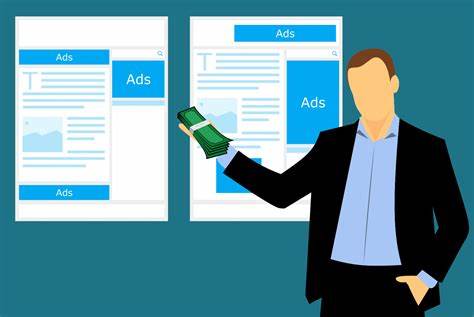
Google Ads gives restaurants something few channels can match: immediate visibility in front of people with clear intent. Unlike broad awareness campaigns, paid search reaches customers who are already looking for somewhere to eat, order from, or book.
For restaurants, that matters because demand is highly time-sensitive. Someone searching at 11:45 am for lunch spots nearby or at 6:30 pm for “best Italian restaurant near me” is not in research mode. They’re close to making a decision.
When managed properly, Google Ads can help you:
- Increase table bookings
- Generate more phone calls
- Drive takeaway and delivery orders
- Promote specials, events, and seasonal menus
- Compete in crowded local markets
- Capture mobile users searching on the go
At AGR Technology, we don’t treat restaurant PPC as a generic campaign type. We align it with service type, suburb targeting, peak dining periods, and the actions that actually matter to your business.
How Diners Use Google To Choose Where To Eat
Most dining journeys now start on Google. A user might search for:
- “restaurants near me”
- “best brunch in Melbourne”
- “late night food Sydney”
- “Thai takeaway open now”
- “waterfront restaurant for birthday dinner”
From there, they usually compare a few essentials quickly:
- Location
- Reviews and star rating
- Menu or cuisine type
- Opening hours
- Price cues
- Booking availability
- Delivery or takeaway options
That means your ad needs to do more than just appear. It needs to connect with the exact intent behind the search and send people to a page that helps them act fast.
When Paid Search Works Better Than Organic Alone
SEO is valuable, and we support that as part of wider digital growth. But organic rankings take time and don’t always give restaurants control over visibility for urgent or competitive searches.
Paid search is often the better option when:
- You’ve opened a new venue and need leads now
- You’re launching a new menu, promotion, or event
- You operate in a highly competitive suburb
- You want to target high-converting searches during set hours
- You need to push delivery, takeaway, or bookings in quieter periods
In plain terms, SEO helps build long-term presence. Google Ads helps you show up exactly when demand is active. For many restaurants, the strongest approach is using both together.
How To Build A Restaurant Google Ads Strategy
A strong campaign starts with a clear plan. Too many restaurant ads are built around broad keywords, generic copy, and weak landing pages. The result is predictable: wasted clicks and patchy results.
We build strategy around intent, geography, service model, and profitability. That means looking at how customers search, when they convert, and what action matters most to your venue.
Prioritize Search Campaigns For High-Intent Traffic
For most restaurants, search campaigns should be the starting point. Why? Because they capture active demand.
Someone searching “book steak restaurant near me” is much closer to conversion than someone passively scrolling social media. Search ads let you appear for these high-intent moments and direct users to the most relevant page.
Depending on your goals, campaigns can focus on:
- Restaurant bookings
- Phone reservations
- Takeaway orders
- Delivery orders
- Private dining enquiries
- Event or function bookings
We usually recommend starting narrow, then scaling based on performance data.
Use Location Targeting And Ad Scheduling Strategically
Restaurants are hyper-local businesses. Even well-known venues typically convert best within practical travel zones.
Location targeting helps ensure your budget is spent on people most likely to visit or order. This can include:
- Radius targeting around your venue
- Specific suburbs or postcodes
- Excluding low-value areas
- Adjusting bids for high-performing locations
Ad scheduling is just as important. If you know your busiest conversion windows are lunch, dinner, Friday evenings, or weekend brunch, your campaigns should reflect that.
A smart structure can reduce wasted spend by showing ads when:
- Your kitchen is open
- Staff can answer calls
- Bookings are most likely
- Delivery demand is highest
Match Campaigns To Dining, Takeout, Delivery, And Events
Not all restaurant searches mean the same thing. A person searching for dine-in tonight behaves differently from someone looking for takeaway or a venue for a private function.
That’s why we separate campaign intent where it makes commercial sense. For example:
- Dine-in campaigns for bookings and reservations
- Takeaway campaigns for fast local ordering intent
- Delivery campaigns for convenience-focused searches
- Event campaigns for birthdays, corporate dinners, and private functions
This gives you tighter keyword targeting, more relevant ad copy, and landing pages that match what the customer wants. And that usually leads to better conversion rates.
How To Choose Keywords And Control Wasted Spend
Keyword selection can make or break restaurant PPC. The wrong setup attracts curious clicks. The right one brings in customers ready to act.
Our approach is built around commercial intent, local relevance, and cost control.
Target Local Intent Keywords
Restaurant searches are often tied to place, cuisine, and occasion. So rather than chasing broad terms, it’s usually smarter to target keywords with clear local intent.
Examples include:
- “Italian restaurant Southbank”
- “best sushi near me”
- “family restaurant Brisbane”
- “Mexican takeaway open now”
- “restaurant for birthday dinner Perth”
Longer, more specific phrases may have lower search volume, but they often convert better because the search intent is clearer.
We also look at modifiers such as:
- Near me
- Open now
- Best
- Book now
- Takeaway
- Delivery
- Functions
- Bottomless brunch
- Waterfront
These terms help shape ad groups around what diners actually care about.
Add Negative Keywords To Filter Irrelevant Clicks
One of the fastest ways to burn through budget is failing to block irrelevant traffic. Negative keywords stop your ads from showing on searches that are unlikely to turn into revenue.
Common examples for restaurants may include:
- recipes
- jobs
- careers
- free
- cheap if that doesn’t fit your positioning
- how to cook
- wholesale
n- reviews if it attracts research-heavy traffic with low intent
Negative keyword management isn’t a one-off task. It should be reviewed regularly using search term data to reduce waste and sharpen targeting over time.
Set Budgets Based On Margins, Peak Hours, And Goals
There’s no universal budget that suits every restaurant. A quick-service venue with strong delivery margins will approach spend differently from a fine-dining restaurant focused on high-value reservations.
Budget planning should consider:
- Average order value
- Booking value
- Gross margin by service type
- Peak service periods
- Seasonal demand
- Competition in your location
- Whether you want growth, efficiency, or both
We help businesses set realistic budgets based on return potential, not guesswork. In many cases, it’s better to spend more during proven high-converting windows than to spread budget thinly all week.
How To Create Ads And Landing Pages That Drive Bookings
Clicks alone don’t grow a restaurant. What matters is what happens next. Your ads need to earn attention, and your landing pages need to make the next step easy.
Write Ad Copy With Clear Offers And Calls To Action
Strong ad copy should quickly answer three questions:
- What kind of restaurant is this?
- Why should someone choose it?
- What should they do next?
Good restaurant ads often highlight:
- Cuisine type
- Location
- Popular selling points
- Booking availability
- Special offers
- Fast takeaway or delivery options
Clear calls to action can include:
- Book a Table
- Order Online
- View Menu
- Call Now
- Reserve for Tonight
- Enquire About Functions
At AGR Technology, we write ad copy to match user intent rather than relying on vague brand messaging. The goal is simple: relevance first, clicks second, conversions always.
Use Ad Assets To Increase Clicks And Conversions
Google ad assets can improve visibility and give potential customers more reasons to choose your venue.
Useful assets for restaurants often include:
- Location assets to show your address and support map visibility
- Call assets for mobile users ready to ring
- Sitelinks to menus, bookings, functions, or specials
- Callout assets for selling points like BYO, vegan options, waterfront dining, or live music
- Structured snippets for cuisines, services, or amenities
These additions don’t just make ads larger. They improve clarity and help pre-qualify clicks.
Optimize Landing Pages For Mobile, Menus, And Reservations
A lot of restaurant traffic comes from mobile. If your landing page is slow, cluttered, or hard to use, even a strong ad campaign will underperform.
Your landing pages should make key information obvious:
- Menu access
n- Booking button above the fold
- Phone number
- Opening hours
- Address and map details
- Delivery or takeaway links
- Event and function information where relevant
- Reviews or trust signals
And importantly, the page should match the ad. If someone clicks on an ad for “restaurant function venue,” they should land on a function-focused page, not a generic homepage.
This is where AGR Technology adds value beyond ad management. As a broader digital partner, we can support the landing page, tracking setup, technical performance, and user experience needed to turn traffic into results.
How To Measure Performance And Improve Results
Restaurant Google Ads should be measured by business outcomes, not just impressions or clicks. We focus on what drives revenue and where optimisation can improve efficiency.
Track Calls, Reservations, Online Orders, And Direction Requests
If you can’t track meaningful actions, it’s hard to know what’s working.
For restaurants, key conversions often include:
- Phone calls
- Table bookings
- Online orders
- Contact form enquiries
- Function or event enquiries
- Direction requests
- Menu views, where relevant as a softer conversion
Tracking should be configured properly through Google Ads, Google Analytics, tag management, and where needed, booking or ordering platform integrations.
Compare Metrics Like CTR, Cost Per Conversion, And Return On Ad Spend
Not every metric has equal value. A high click-through rate looks nice, but it doesn’t mean much if bookings stay flat.
We typically assess performance through a commercial lens, including:
- CTR to understand ad relevance
- Cost per click to gauge auction efficiency
- Conversion rate to measure landing page and offer strength
- Cost per conversion to track acquisition efficiency
- Return on ad spend where order or booking values can be attributed
- Impression share to see how often you’re missing visibility opportunities
This helps us make practical decisions, such as whether to raise bids in profitable suburbs, cut low-performing keywords, or rewrite ads for a better response.
Use Retargeting And Ongoing Testing To Strengthen Campaigns
Not every customer converts on the first visit. Retargeting can help bring back people who viewed your menu, checked your booking page, or started an order but didn’t finish.
Ongoing testing also matters. We regularly test:
- Ad headlines
- Calls to action
- Keyword match types
- Landing page layouts
- Device performance
- Location bid adjustments
- Time-of-day performance
Small improvements compound. Over time, that can mean lower acquisition costs and stronger campaign returns.
Conclusion
Google Ads for restaurants works best when it’s built around real customer intent, local targeting, clear offers, and accurate tracking. Done well, it can help you win more bookings, drive more takeaway and delivery orders, and make better use of your marketing budget.
At AGR Technology, we combine paid search strategy with landing page optimization, analytics, and broader digital expertise to help businesses grow in a measurable way. If you want a restaurant Google Ads campaign that’s focused on leads and revenue rather than wasted clicks, contact AGR Technology to discuss your goals. We’ll show you where the opportunities are and what it will take to compete effectively in your market.
Frequently Asked Questions About Google Ads for Restaurants
How do Google Ads for restaurants help increase bookings and takeaway orders?
Google Ads for restaurants puts your venue in front of people actively searching for places to eat, book, or order from nearby. With high-intent keywords, local targeting, and strong calls to action, campaigns can drive more table reservations, phone calls, takeaway orders, and delivery sales.
What type of Google Ads campaign works best for restaurants?
Search campaigns are usually the best starting point because they capture diners with immediate intent, such as people searching for “restaurant near me” or “book a table tonight.” Restaurants can then expand into separate campaigns for dine-in, takeaway, delivery, private functions, or seasonal promotions.
Which keywords should restaurants target in Google Ads?
The best keywords for Google Ads for restaurants usually combine cuisine, location, and intent. Examples include “Italian restaurant Southbank,” “best sushi near me,” or “Mexican takeaway open now.” Longer, more specific keywords often convert better because they reflect what diners want right now.
Why are negative keywords important in restaurant PPC campaigns?
Negative keywords help stop your ads from showing for irrelevant searches that waste budget. For restaurants, this may include terms like “recipes,” “jobs,” “careers,” or “how to cook.” Reviewing search terms regularly improves targeting and helps restaurant PPC campaigns attract more qualified clicks.
Should restaurants use Google Ads or SEO to get more customers?
Both can be valuable, but they serve different goals. SEO helps build long-term visibility, while Google Ads for restaurants delivers immediate exposure during high-intent searches. Many restaurants get the best results by using SEO for ongoing growth and Google Ads for fast, targeted customer acquisition.
What should a restaurant landing page include to improve Google Ads performance?
A high-performing landing page should be mobile-friendly and make action easy. Include a visible booking button, menu link, phone number, opening hours, address, map details, and takeaway or delivery options. Matching the page to the ad’s intent also improves conversions and reduces wasted clicks.
Related content:
Hospitality & Food Digital Solutions Agency
Grow Your Restaurant with a Restaurant SEO & Marketing Company
Google Ads Management Australia & Abroad

Alessio Rigoli is the founder of AGR Technology and got his start working in the IT space originally in Education and then in the private sector helping businesses in various industries. Alessio maintains the blog and is interested in a number of different topics emerging and current such as Digital marketing, Software development, Cryptocurrency/Blockchain, Cyber security, Linux and more.
Alessio Rigoli, AGR Technology