

A slow, unreliable internet connection can disrupt work calls, streaming, gaming, smart devices, and day-to-day life fast. If you’re comparing home internet services in Australia, the challenge usually isn’t finding options, it’s working out which one actually suits your household without overpaying.
At AGR Technology, we help clients make smarter technology decisions every day. This guide explains the main connection types, what to compare beyond price, and when managed support may be worth it for homes and home offices in October 2026.
Get in touch to discuss your residential connection needs
Reviews from our happy clients

Justine Brummans
Alessio is both incredibly knowledgeable and personable! He gave me great advice that was catered to me and my situation. Thank you Alessio! Super helpful!

Springfield Equestrian Park
Alessio is amazing! I can not speak highly enough of how helpful and knowledgeable he is, my website he created far exceeded my expectations, he is so accomodating and I can only wish him every success with his business. I rate AGR technology 10 out of 10.
Legacy Energy
We used AGR Technology and dealt with Alessio to design and build our website as well as host our emails. Alessio was a pleasure to deal with and had plenty of ideas that we could implement into our site. He has a great attention to detail, he is also very polite in understanding our goals and what we wanted to achieve with our website.
Thanks mate,
Alex & Rob
Excellent Service
Alessio developed our website for our business and has done a wonderful job. He is very personable and knowledgeable. We have enjoyed working with him. We will be referring others to him and highly recommend him to those who need Tech advice.
MRC Performance
I have been in business for over 10 Years and recently moved to AGR Technology for all our IT needs. They are able to fix nearly anything remotely and always very helpful in recommending appropriate hardware upgrades that do the job as required but not costing more than needed.

Alessio provided an excellent service. He was very dedicated in his method of finding solutions to problems. He continued to try different avenues until he found the reason as to why a particular application was not working. He was very knowledgeable in his understanding of the internet and of applications and how they work, and he was able to apply this knowledge in understanding how to resolve the obstacles that continued to appear. He is understanding towards his client's needs and goals and he is willing to work with his client in achieving those goals. He is a very polite and well mannered person and very calm and gentle in his approach. I would highly recommend Alessio's services to anyone.

Palmira Rigoli
Great work ethics Alessio! We at Totally Gluten Free Products are very happy to have you on board as our IT and SEO master. Very reliable, trustworthy and knowledgeable in the field.
YouTube Comment

Nat's Custom Designs
Alessio from AGR Technology has recently helped me create a website for my business.
Throughout the whole process from start to finish Alessio made the process easy for me, by calling me and explaining each step of the way. I'm not very computer savvy, but with Alessio taking the time to explain in detail everything I needed to know from putting inventory in to having it shipped. He even remotely joined my computer to help guide me through everything.
He's very knowledgeable and is experienced in everything I needed and if there was anything else I needed to know that wasn't something he was familiar with, he researched it.
I would HIGHLY recommend Alessio to anyone. He has not only helped me for now but I know that if I ever needed help with anything else he would definitely go above and beyond to help. Thank you so much for everything you have done. It's been a long process but well worth it 🙂
Byron Macumber
AGR Technology is amazing. not only do they stick with you through out the process, they also accommodate to your wants and needs. They are efficient in their work and they have high integrity. Their capabilities are shown through their website design, and appropriate knowledge of utilities regarding software. over the many years of working with them they have been fantastic. I would recommend to everyone
Very helpful
Alessio was thorough, diligent and kept me updated at all time points. I was very impressed with his performance, passion and dedication. I will continue to use his services.
Wantrup & Associates
Alessio of AGR Technology is an IT guy we rely on whenever we need IT help. His professionalism impressed us right at the first time. He solved many of our IT problems in no time. Excellent communication and speedy response.
We highly recommend this company
From a happy customer
Valeria Bianco
I received AGR contact information from a previous client, who had found their service excellent. So I contacted AGR with some expectations, and I can say they exceeded them. Professional, honest, punctual, reliable, their service is faultless. We can't recommend them highly enough.
Very fast, value for money and a comprehensive service
AGR is professional, organised and very skilled at what they do. They take the initiative, looking after all the details that you would not have thought of to enhance your website presence, marketing funnel and automated appointment bookings. Big bonus - pricings are at a fraction of the cost of competitors.
Customer testimonial
Alessio from AGR Technology is wonderful at gently guiding the less technically savvy users to solve problems. Back up service excellent. Highly recommended
SEO for website
The team is very cooperative and delivers clean and very efficient work.

Raimond Volpe
Nothing but good things to say about Alessio. He has been great service and great at communicating with me by both phone and email. Very good knowledge and problem-solving ability with our web development. I would thoroughly recommend Alessio and AGR Technology to anyone wanting online marketing or web development
Website design
Big thank you to Alessio at AGR Technology for a smooth and easy website development process. Nothing was to difficult to accomplish, I can highly recommend his first class service.
Some of the businesses we have helped













What Home Internet Services Typically Include In Australia

Home internet services in Australia generally cover more than just basic internet access. Depending on the provider and plan, a residential service may include:
- Internet access through NBN, fixed wireless, 5G home internet, mobile broadband, or satellite
- A modem or modem-router, either included, rented, or purchased outright
- Monthly data allowances, although many plans now offer unlimited data
- Typical evening speed tiers
- Optional home phone add-ons
- Technical support and fault reporting
- Network security or parental control features on some plans
For most households, Residential Internet Services Australia providers offer plans built around usage patterns. A light-use home may only need a simple plan for browsing and streaming. A larger household with remote work, cloud backups, security cameras, and multiple 4K streams will need more bandwidth and stronger Wi‑Fi coverage.
And this is where it helps to look beyond the headline offer. The plan itself is only one part of the experience: network quality, hardware, installation, and support can have just as much impact.
The Main Types Of Residential Internet Services Australia Offers
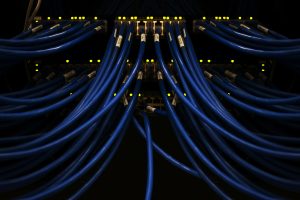
Australia offers several connection types, and each has trade-offs.
NBN
The NBN remains the most common choice. But performance varies because the underlying technology differs by address. Fibre to the Premises tends to deliver the strongest speed and stability, while older copper-based connections may be more limited.
Fixed wireless
Fixed wireless can suit homes outside dense metro areas. It’s often faster to deploy than wired alternatives, though performance may vary with congestion and signal conditions.
5G home internet
5G home internet has become a serious option in many suburbs. It can offer strong speeds and simple setup, but results depend heavily on local mobile coverage, tower capacity, and building conditions.
Satellite
Satellite is often the practical choice for remote areas. It improves access where other services are limited, though latency can be higher.
Mobile broadband
This is useful as a backup or temporary option, not always the best primary connection for busy households.
The right fit depends on your address, usage, and how much consistency matters to you.
How To Choose The Right Speed And Plan For Your Household
The best plan is not always the fastest one. It’s the one that matches how your household actually uses the internet.
A practical way to assess your needs is to look at:
- Number of people online at the same time
- Streaming quality, such as HD or 4K
- Video conferencing for work or study
- Online gaming and latency sensitivity
- Smart home devices, cameras, and cloud-connected appliances
- Large file uploads, backups, or content creation
As a general guide:
- Small households with light browsing and occasional streaming may be fine on lower speed tiers
- Families with multiple users usually benefit from mid-range to high-speed plans
- Homes with remote workers, creators, or heavy streaming often need faster download and upload performance
Upload speed gets overlooked a lot. But if you work from home, send large files, run cloud applications, or spend hours in video meetings, it matters.
We usually recommend choosing a plan based on peak-hour performance, not just maximum advertised speed. A cheaper plan that slows down every evening can cost more in frustration than it saves in dollars.
What To Compare Beyond Price When Evaluating Providers
Price matters, but it should not be the only factor when comparing providers.
Look at these points closely:
- Typical evening speed: This gives a more realistic view of performance during busy periods
- Contract terms: Check whether the plan is month-to-month or locked in
- Setup and hardware costs: A low monthly fee can be offset by modem, delivery, or activation charges
- Support quality: Fast, accessible support becomes important when something fails
- Data policy: Unlimited is common, but fair use terms still matter
- Network reliability: Dropouts and congestion can affect the experience far more than a small price difference
- Router quality: The included hardware may be basic and affect Wi‑Fi performance
It’s also worth checking whether the provider offers clear escalation pathways for faults. If you rely on internet access for remote work, online business operations, or connected devices, downtime has a real cost.
For many households, choosing between home internet services comes down to confidence: will this provider deliver stable service, clear communication, and support when needed?
When Managed Internet Services Make Sense For Homes And Home Offices
Not every household needs extra support. But Managed Internet Services can make sense in the right situations.
This is especially true when a home connection supports more than casual personal use. For example:
- Home offices with video calls, VoIP, cloud platforms, and client communication
- Households running smart security systems and many connected devices
- Remote workers who cannot afford frequent downtime
- Small business owners operating from home
- Users who want help with setup, optimisation, monitoring, and troubleshooting
Managed support may include router configuration, Wi‑Fi optimisation, network security improvements, guest network setup, device prioritisation, and ongoing assistance.
At AGR Technology, we often see a similar pattern: the internet plan itself is only half the equation. Poor network setup inside the home can bottleneck a perfectly good service. That’s why tailored support can be valuable, particularly for hybrid work environments where residential and business needs overlap.
If your home network has become business-critical, managed help starts to look less like a luxury and more like sensible risk reduction.
How To Set Up And Optimize Your Home Network For Better Performance
Even a strong plan can underperform if the home network is poorly set up.
Start with the basics:
- Place your router in a central, open location
- Keep it away from thick walls, metal objects, and major appliances
- Use modern Wi‑Fi equipment that supports current standards
- Update router firmware regularly
- Secure the network with strong passwords and current encryption
For better results, also consider:
Use wired connections where possible
For gaming consoles, desktop PCs, smart TVs, or home office equipment, Ethernet often provides more stable performance than Wi‑Fi.
Improve coverage in larger homes
Wi‑Fi extenders can help, but mesh systems usually offer better whole-home coverage and smoother roaming.
Reduce device congestion
If dozens of devices are connected, review what is actively using bandwidth. Background syncing, cameras, and updates can quietly consume capacity.
Separate work and guest access
Creating dedicated networks can improve security and reduce interference.
If performance still feels inconsistent, the issue may be signal placement, outdated hardware, or provider-side congestion rather than the plan alone.
Conclusion
Choosing the right home internet services in Australia comes down to fit, not hype. The best option depends on your location, connection type, household usage, support needs, and network setup.
If you want help assessing providers, improving home office connectivity, or exploring Managed Internet Services, AGR Technology can help. Contact us to discuss a practical solution that matches the way you live and work.
Home Internet Services FAQs
What types of home internet services are available in Australia?
In Australia, home internet services include NBN, fixed wireless, 5G home internet, mobile broadband, and satellite. Each option varies in speed, reliability, and suitability depending on location and household needs.
How do I choose the right internet speed for my home?
Choose internet speed based on the number of users, streaming quality, video calls, gaming sensitivity, smart devices, and file uploads. Small households may need lower speeds, while larger or remote-working homes benefit from higher and consistent peak-hour performance.
What factors should I consider beyond price when comparing internet providers?
Beyond price, consider typical evening speeds, contract terms, setup and hardware costs, support quality, data policies, network reliability, and router quality to ensure a stable and satisfying internet experience.
When should I consider managed internet services for my home?
Managed internet services are beneficial for home offices, remote workers, households with many smart devices, or small business owners needing help with setup, optimization, monitoring, and quick troubleshooting to reduce downtime risks.
How can I optimize my home network for better internet performance?
Optimize by placing your router centrally away from obstacles, using modern Wi-Fi equipment, updating firmware, securing your network, preferring wired Ethernet for key devices, improving coverage with mesh systems, and managing device congestion effectively.
Is 5G home internet a reliable option in Australia?
5G home internet can offer strong speeds and easy setup but its reliability depends on local mobile coverage, tower capacity, and building conditions. It’s a viable choice in many suburbs but performance may vary.
Related content:
Managed Business Internet Services Australia
Managed IT Solutions Shepparton
Managed IT Solutions Melbourne
Service area(s):
Shepparton (HQ)
Melbourne

Alessio Rigoli is the founder of AGR Technology and got his start working in the IT space originally in Education and then in the private sector helping businesses in various industries. Alessio maintains the blog and is interested in a number of different topics emerging and current such as Digital marketing, Software development, Cryptocurrency/Blockchain, Cyber security, Linux and more.
Alessio Rigoli, AGR Technology