

In today’s hyper-competitive market, knowing what competitors charge, and when they change it, can be the difference between winning a sale and losing one. Price monitoring through web scraping has become a core intelligence strategy for businesses ranging from nimble startups to global retailers. But without the right proxies, scrapers get blocked, data goes stale, and competitive insights dry up fast. This guide breaks down the five best proxy types for price monitoring in October 2026 , helping businesses choose the right tool to collect accurate, real-time pricing data at scale, without getting flagged or banned.
1) OxyLabs

Oxylabs is a Lithuania-based enterprise proxy and web data intelligence platform designed for organisations that need reliable access to large-scale online data. The platform provides a broad range of solutions, including residential proxies, mobile proxies, ISP proxies, datacentre proxies, and managed scraping tools designed for use cases such as market research, competitor monitoring, ad verification, SERP tracking, and automated data collection.
Where Oxylabs stands apart is its focus on enterprise-grade infrastructure. The service operates one of the largest residential proxy networks available, with extensive global coverage, advanced targeting options, rotating and sticky sessions, and integrations designed for developers and data teams. It also places a strong emphasis on compliance, ethical proxy sourcing, security standards, and professional customer support.
While the platform delivers impressive performance and scalability, it is primarily built for businesses rather than casual users. Smaller teams and individuals may find the pricing structure, technical setup requirements, and range of available tools more complex compared to entry-level proxy providers. For organisations managing significant data workflows, however, Oxylabs offers a robust ecosystem that combines proxy infrastructure with web scraping and data extraction capabilities.
Pros:
- One of the largest residential proxy networks globally, offering extensive IP coverage across numerous countries and regions
- Strong performance metrics with high connection success rates and fast response times for large-scale data collection
- Wide range of proxy options, including residential, mobile, ISP, and datacentre proxies
- Advanced geo-targeting capabilities for country, city, and network-level requirements
- Enterprise-focused security features, ethical sourcing practices, and compliance initiatives
- Developer-friendly ecosystem with APIs, documentation, and integrations with popular scraping and automation tools
- Professional customer support with access to technical assistance and account management options
Cons:
- Premium pricing can make the platform unsuitable for individuals or smaller projects with limited data requirements
- The extensive product range may feel overwhelming for users new to proxy services and web scraping
- Initial configuration can require technical knowledge, particularly for custom scraping workflows
- Smaller users may find simpler proxy providers offer a more beginner-friendly experience
- Some features and enterprise capabilities are better suited to larger teams managing complex data operations
Overall, Oxylabs is best suited for companies that require dependable proxy infrastructure, scalable web data collection, and enterprise-level support. While it may be more investment-heavy than some alternatives, its network quality, reliability, and feature depth make it a strong option for professional data-driven organisations.
2) Bright Data

Bright Data has continually maintained its status as the industry’s gold standard. Built for companies that require precision, size, and compliance, it provides one of the most comprehensive proxy infrastructures available. Businesses working with complex anti-bot systems, geo-restricted content, or large scraping volumes will find Bright Data’s capabilities to be practically unrivaled.
Its Web Scraper IDE, Data Collector, and SERP API are built on top of a strong proxy backbone, making it more than just a proxy provider. It is a complete data extraction platform. Pricing is on the expensive side, but for enterprise teams where downtime and rejected requests have real costs, it’s a worthwhile investment.
Its ecosystem combines residential, datacenter, ISP, and mobile proxies with additional tools such as web scraping APIs, browser automation capabilities, and ready-made datasets. With a global network spanning millions of IP addresses, advanced targeting options, and enterprise-grade compliance controls, Bright Data is designed for teams that require scalable and dependable data acquisition infrastructure.
Pros:
- Large global proxy network: Provides access to extensive residential, ISP, datacenter, and mobile proxy pools with detailed location targeting options.
- Comprehensive data collection tools: Includes scraping APIs, browser automation, datasets, and developer-focused tools for building advanced web data workflows.
- Strong enterprise capabilities: Offers scalable infrastructure, security controls, compliance-focused processes, and support for high-volume data operations.
- Reliable performance: Known for strong uptime, fast connections, and effective handling of complex web scraping and data gathering requirements.
- Responsive customer support: Many users highlight helpful technical assistance, knowledgeable account managers, and effective issue resolution.
- Broad use-case coverage: Suitable for AI development, business intelligence, price monitoring, ad verification, market analysis, and competitive research.
Cons:
- Premium pricing: Costs are higher than many alternatives, making it more appropriate for businesses with larger data requirements.
- Steep learning curve: The wide range of APIs, configurations, and management tools can be overwhelming for beginners.
- Strict account verification: Compliance checks and acceptable-use policies may create additional onboarding steps or restrict certain use cases.
- Mixed user experiences: While many customers report excellent service, some users have raised concerns about support delays, account restrictions, and product limitations.
- Less ideal for small-scale users: Individuals or teams with occasional scraping needs may find the platform more advanced and expensive than necessary.
3) IP Royal

IPRoyal is a low-cost proxy provider that offers residential, ISP, datacenter, mobile, and sneaker proxy solutions to individuals, marketers, developers, and small enterprises. The platform is built around accessibility, flexible purchase options, and simple proxy management, making it ideal for customers that require cost-effective IP access without the complexities of enterprise-focused products.
IPRoyal’s residential proxy network spans millions of IP addresses across global regions, enabling use cases such as site scraping, market research, social media management, ad verification, and location-based testing. Its outstanding features include pay-as-you-go residential traffic, non-expiring bandwidth options on some plans, dedicated proxy capabilities, and an easy-to-use dashboard with browser extensions and account management tools.
While IPRoyal provides strong value for cost-conscious users, its performance can vary depending on proxy type, location, and target website. Compared with premium proxy networks, it has fewer enterprise-grade features, a smaller infrastructure footprint, and less consistency for demanding workflows where high success rates and advanced automation capabilities are essential.
Pros:
- Affordable pricing and flexible plans: IPRoyal offers some of the most accessible pricing in the proxy market, with options for short-term purchases, individual IPs, and scalable traffic packages.
- Wide range of proxy types: Users can choose between residential, ISP, datacenter, mobile, and sneaker proxies depending on their specific requirements.
- Large residential proxy network: The platform provides broad geographic coverage with targeting options by country, region, and city for many residential proxy use cases.
- Beginner-friendly platform: A clean dashboard, browser extensions, documentation, and simple setup process make IPRoyal approachable for new proxy users.
- Responsive customer support: Support is available through live chat and email, with many users reporting helpful assistance during setup and troubleshooting.
- Transparent residential sourcing approach: IPRoyal’s residential network is built through its Pawns.app ecosystem, where users voluntarily share bandwidth in exchange for compensation.
Cons:
- Inconsistent proxy performance: Proxy reliability, speed, and success rates can vary, particularly for heavily protected websites or more demanding automation tasks.
- Limited enterprise features: Compared with premium providers, IPRoyal lacks advanced data collection solutions such as built-in web scraping APIs, large-scale automation tools, and extensive enterprise controls.
- Mixed reputation around IP quality: Some users have reported issues with IP classification, detection rates, location accuracy, and proxies being flagged by third-party verification tools.
- Short refund window: The provider’s limited refund timeframe may create challenges for users who discover compatibility or quality issues after extended testing.
- Smaller network than premium competitors: Although sizeable, its proxy pool and infrastructure are not as extensive as leading enterprise proxy providers.
- Not ideal for high-performance requirements: Users needing maximum reliability for large-scale scraping, sensitive account management, or advanced anti-detection workflows may require a more specialized provider.
4) Webshare

Webshare is a proxy service designed for individuals, developers, and businesses seeking affordable access to datacenter, ISP (static residential), and rotating residential proxies. The platform emphasizes ease of use with a straightforward dashboard, flexible proxy management, browser integration, and API access, making it suitable for tasks such as web scraping, market research, SEO monitoring, automation, and accessing geo-restricted content. While it does not provide the complete enterprise tooling or advanced scraping features seen in premium providers, its reasonable pricing, free entry-level subscription, and broad global proxy coverage make it an excellent choice for budget-conscious consumers.
Pros:
- Competitive pricing across datacenter, ISP, and residential proxy plans.
- Free plan available for testing with datacenter proxies.
- Supports HTTP and SOCKS5 protocols with API access for automation.
- User-friendly dashboard with bandwidth monitoring and proxy management tools.
- Large global residential proxy network with ethically sourced IP addresses.
- Suitable for web scraping, price monitoring, SEO, automation, and geo-targeted browsing.
- Generally positive customer feedback for ease of use and responsive support.
Cons:
- Lacks advanced scraping tools such as dedicated scraping APIs and web unblockers.
- No mobile proxy network for mobile-specific use cases.
- Fewer location targeting options than some competitors, with limited city-level selection.
- Proxy performance and response times can be less consistent than premium providers for high-volume workloads.
- Some users report occasional proxy bans, connection instability, or account verification issues.
- Advanced enterprise features are more limited than those offered by higher-end proxy providers.
Different Types Of Proxies & How They Compare
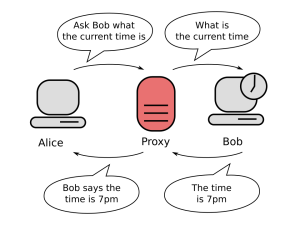
Residential Proxies: The Gold Standard for Accurate Price Data
Residential proxies route web requests through real IP addresses assigned by Internet Service Providers (ISPs) to actual homeowners and consumers. Because these IPs belong to genuine devices, target websites treat incoming requests as legitimate human traffic, making residential proxies exceptionally difficult for anti-bot systems to flag or block.
For price monitoring specifically, this legitimacy translates directly into data quality. E-commerce platforms like Amazon, Walmart, and major airline booking sites invest heavily in detecting and blocking scrapers. Residential proxies sidestep the bulk of these defenses by appearing as everyday shoppers browsing from real household connections.
Why Residential IPs Bypass Anti-Scraping Measures Most Effectively
Modern anti-scraping systems evaluate dozens of signals, IP reputation, request frequency, browser fingerprinting, and geographic consistency. Datacenter IPs often fail these checks immediately because they originate from server farms with no residential association. Residential IPs, by contrast, carry a genuine digital footprint.
Key advantages for price monitoring include:
- Low block rates on heavily protected retail and travel sites
- Geo-targeting accuracy, enabling location-specific price checks across cities or countries
- High trust scores with target servers, reducing CAPTCHAs and challenge pages
The primary trade-off is cost, residential proxies are priced higher than datacenter alternatives, typically between $5–$15 per GB depending on the provider. For businesses running continuous, large-scale price intelligence operations, this cost is usually justified by the superior data reliability they deliver.
Datacenter Proxies: High-Speed and Budget-Friendly for Large-Scale Monitoring
Datacenter proxies originate from cloud hosting providers and dedicated server infrastructure rather than residential ISPs. They don’t carry the organic credibility of residential IPs, but they make up for it with raw speed, high availability, and significantly lower costs, often as little as $0.50–$2 per GB or available on unlimited bandwidth plans.
For price monitoring tasks targeting less aggressively protected websites, think smaller e-commerce stores, B2B supplier catalogues, or publicly accessible pricing pages, datacenter proxies are a highly practical choice. They can handle enormous request volumes without the per-GB cost concerns that come with residential proxies.
Best use cases for datacenter proxies in price monitoring:
- Scraping mid-tier retail websites with basic or no bot protection
- Running high-frequency price checks where speed outweighs stealth
- Bulk data collection during off-peak hours to reduce block risk
- Initial data pipeline testing before scaling to residential proxies
One critical consideration: datacenter IPs are more likely to appear on shared blocklists maintained by services like Cloudflare or DataDome. Businesses should look for providers offering dedicated (rather than shared) datacenter proxies to minimize the risk of inheriting a blocked IP’s reputation. For teams that need massive throughput on a lean budget, datacenter proxies remain a practical, time-tested solution.
Rotating Proxies: Eliminating IP Bans During Continuous Price Scraping
Rotating proxies automatically cycle through a pool of IP addresses with every request, or after a set time interval, so no single IP accumulates enough request volume to trigger a ban. This mechanism is arguably the most critical feature for any sustained price monitoring operation.
Without rotation, even premium residential or datacenter IPs will eventually get flagged if a scraper repeatedly hits the same URLs. Websites track behavioral patterns: too many requests from one IP in a short window raises an immediate red flag. Rotating proxies break that pattern entirely.
How rotating proxies benefit price monitoring workflows:
- Continuous scraping without manual IP management or interruption
- Distributed request patterns that mimic organic, multi-user traffic
- Automatic failover when individual IPs hit rate limits or temporary blocks
- Scalability, pool sizes can range from thousands to millions of IPs
Most major proxy providers today offer rotating proxies as a built-in feature across their residential and datacenter networks. Businesses should prioritize providers with large, frequently refreshed IP pools and low latency rotation. For enterprises running 24/7 price intelligence pipelines, tracking thousands of SKUs across dozens of competitor sites, rotating proxies aren’t optional. They’re the operational backbone that keeps data flowing reliably.
ISP Proxies: Combining Speed and Legitimacy for Enterprise-Grade Monitoring
ISP proxies (also called static residential proxies) occupy a compelling middle ground between datacenter speed and residential legitimacy. They are hosted on datacenter infrastructure but registered under real ISP allocations, meaning they carry genuine residential IP credentials while delivering the consistent uptime and performance of server-grade hardware.
This combination makes ISP proxies particularly well-suited for enterprise-grade price monitoring where both trust level and throughput matter. Unlike standard rotating residential proxies, ISP proxies can maintain a static IP address for extended sessions, useful when scraping platforms that require login persistence or multi-step checkout flows to reveal final pricing.
Where ISP proxies stand out for price intelligence:
| Feature | Residential | Datacenter | ISP Proxy |
|---|---|---|---|
| Speed | Moderate | Very High | High |
| Trust Level | Very High | Low–Medium | High |
| Cost | High | Low | Medium–High |
| Session Stability | Variable | High | Very High |
For businesses operating at scale, monitoring thousands of product listings daily across major platforms like Best Buy, eBay, or Zalando, ISP proxies offer a reliable, enterprise-appropriate tool. Providers such as Bright Data, Oxylabs, and Smartproxy all offer ISP proxy plans, though pricing reflects their premium positioning.
Mobile Proxies: Capturing Mobile-Specific Pricing and Geo-Targeted Data
Mobile proxies route traffic through IP addresses assigned to real mobile devices on 3G, 4G, or 5G networks. They are the hardest proxy type for websites to block, mobile carrier IPs are shared across millions of users, so blocking a single mobile IP risks locking out an enormous volume of legitimate traffic. Websites are understandably reluctant to pull that trigger.
Beyond their near-imperviousness to blocking, mobile proxies solve a pricing intelligence challenge that other proxy types can’t fully address: mobile-specific pricing. Many e-commerce platforms, travel booking sites, and app-based marketplaces serve different prices to mobile users than desktop visitors. Airlines, hotels, and ride-sharing apps are well-documented examples. Without mobile proxies, those price variations stay invisible.
When Mobile Proxies Outperform Other Proxy Types for Price Intelligence
Mobile proxies deliver the clearest advantage in these scenarios:
- App-exclusive pricing: Some brands offer deals only within their mobile apps, which are accessible via mobile IP environments
- Carrier-based geo-targeting: Prices can vary by mobile carrier or region, mobile proxies allow precise targeting at that granularity
- Highly protected platforms: Sites using advanced bot detection that still struggles to flag mobile carrier traffic
- Dynamic pricing research: Capturing real-time price fluctuations that differ by device type or connection
The main limitation is cost, mobile proxies are the most expensive option, often exceeding $15–$20 per GB. But for businesses in travel, hospitality, or app-centric retail where mobile pricing discrepancies directly affect revenue strategy, they deliver intelligence that no other proxy type can replicate.
Choosing the Right Proxy for Your Price Monitoring Strategy

Each proxy type serves a distinct role in a competitive price intelligence stack. Residential and ISP proxies lead on trust and accuracy: datacenter proxies win on speed and cost: rotating proxies keep operations running without interruption: and mobile proxies unlock pricing data that others simply miss.
For businesses looking to build or scale a data-driven pricing strategy, selecting the right proxy infrastructure is as important as the scraping technology itself. Teams seeking expert guidance on implementing custom data collection pipelines, or integrating price monitoring into broader digital operations, can explore tailored solutions at AGR Technology.
Key Takeaways
- Residential proxies are the gold standard for price monitoring on heavily protected sites like Amazon and Walmart due to their legitimate ISP-assigned IP addresses that bypass anti-bot defenses.
- Datacenter proxies offer a cost-effective solution for price monitoring on less protected websites, providing high-speed performance at $0.50–$2 per GB compared to residential proxies’ higher costs.
- Rotating proxies automatically cycle through IP address pools to prevent bans during continuous scraping, making them essential for sustained 24/7 price intelligence operations.
- ISP proxies deliver an enterprise-grade balance between residential legitimacy and datacenter speed, supporting session persistence for platforms requiring login or multi-step checkout processes.
- Mobile proxies are the only solution for capturing mobile-specific pricing and carrier-based geo-targeted data that desktop-based proxies cannot access, though they are the most expensive option at $15–$20+ per GB.
Frequently Asked Questions About Proxies for Price Monitoring
What are the best proxies for price monitoring and competitor tracking?
Residential proxies are the gold standard for price monitoring because they route requests through real ISP-assigned IP addresses, making them appear as legitimate human traffic. This helps bypass anti-scraping defenses on platforms like Amazon and Walmart. However, the best choice depends on your target sites—datacenter proxies suit less-protected sites, while mobile proxies capture mobile-specific pricing variations.
Why do residential proxies work better than datacenter proxies for price scraping?
Residential proxies originate from genuine devices, carrying authentic digital footprints that pass anti-bot system evaluations. Datacenter IPs come from server farms with no residential association, making them easier to detect and block. Residential proxies deliver lower block rates and higher trust scores, though they cost $5–$15 per GB versus $0.50–$2 for datacenter proxies.
How do rotating proxies prevent IP bans during price monitoring?
Rotating proxies automatically cycle through IP addresses with each request or at set intervals, preventing any single IP from accumulating enough request volume to trigger a ban. This distributes traffic patterns to mimic organic multi-user behavior, enabling continuous scraping without manual IP management or interruption.
What are ISP proxies and when should you use them for price intelligence?
ISP proxies (static residential proxies) combine datacenter speed with residential legitimacy—they’re hosted on server infrastructure but registered under real ISP allocations. They excel for enterprise price monitoring requiring both trust and high throughput, maintaining stable sessions for login-required platforms. They’re more expensive than datacenter but faster than standard residential proxies.
Can mobile proxies reveal different pricing than desktop proxies?
Yes, many e-commerce platforms and travel booking sites serve different prices to mobile users versus desktop visitors. Mobile proxies route traffic through real 4G/5G mobile carrier IPs, capturing mobile-exclusive deals, carrier-based geo-targeting, and device-specific dynamic pricing that other proxy types cannot reveal.
What is the most cost-effective proxy type for large-scale price monitoring?
Datacenter proxies offer the best cost-efficiency at $0.50–$2 per GB or unlimited bandwidth plans, ideal for scraping less-protected sites, bulk off-peak collection, and high-frequency checks where speed outweighs stealth. For maximum protection, request dedicated rather than shared datacenter proxies to avoid inherited blocklist reputation.
Related content:
How does a VPN compare to a proxy
Best Antidetect Browsers for Businesses Managing Multiple Online Accounts
Source(s) cited:
[Online]. Telkom University. Available at: https://it.telkomuniversity.ac.id/wp-content/uploads/2022/12/Pengertian-dan-Fungsi-Proxy.jpg (Accessed: 26 July 2026).

Alessio Rigoli is the founder of AGR Technology and got his start working in the IT space originally in Education and then in the private sector helping businesses in various industries. Alessio maintains the blog and is interested in a number of different topics emerging and current such as Digital marketing, Software development, Cryptocurrency/Blockchain, Cyber security, Linux and more.
Alessio Rigoli, AGR Technology