
Disclaimer: General information only. All kinds of investment (particularly trading CFDs, commodities, and FX) involve significant risk, including the possibility of losing more than the amount invested, as well as market volatility and liquidity hazards. Past performance does not guarantee future results. Most investors will find such operations unsuitable.
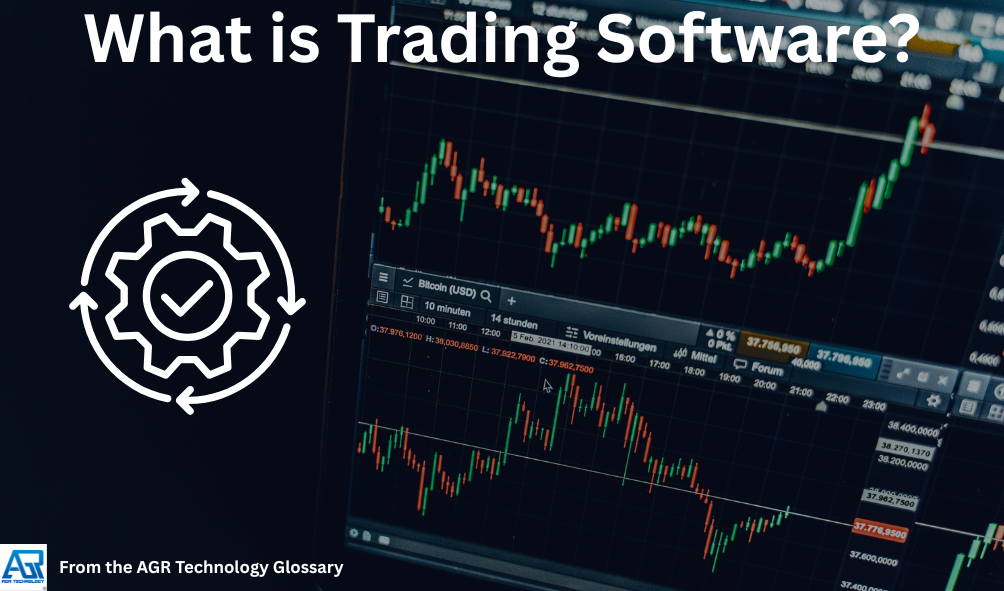
Trading software sits at the center of modern financial activity. It helps users view market data, analyze price movements, place orders, monitor risk, and manage execution across one or many markets. For individual traders, it can be the interface on a laptop or phone. For institutions, it may be a complex ecosystem connecting brokers, exchanges, compliance systems, and internal analytics.
In October 2026, the question is no longer just what is trading software, it’s also what role it plays in speed, control, reporting, and competitive advantage. For businesses exploring digital transformation, trading platforms are a useful example of how specialized software can turn raw data into decisions and automate processes that used to be manual. This guide explains how trading software works, the main types available, the features that matter most, and how organizations can choose the right solution for their goals.
What Trading Software Is And How It Works
Trading software is a digital system used to access financial markets and manage trading activity. Depending on the use case, it may support stocks, day trading, CFD, ETFs, options, futures, forex, commodities, crypto, fixed income, or multi-asset strategies. At a basic level, it gives users a place to see prices and submit buy or sell orders. At an advanced level, it can also support algorithmic execution, portfolio monitoring, compliance checks, and post-trade reporting.
The easiest way to think about trading software is as the operating layer between a market participant and the market itself. It gathers information, presents it in a usable form, and helps turn trading intent into actual execution.
Key Takeaways
- Trading software acts as a crucial digital interface that allows users to access financial markets, analyze data, place orders, and manage execution efficiently.
- Choosing the right trading software depends on understanding the specific use case, whether for retail trading, institutional needs, or algorithmic execution.
- Core features to look for in trading software include reliable market data, robust order management, risk controls, security, and scalability.
- Algorithmic and automated trading software enhances consistency and speed by executing predefined strategies but requires careful design to avoid losses.
- Integrations with internal systems and strong reporting capabilities are essential for businesses to ensure compliance and streamline workflows.
- Selecting trading software should balance present functionality with future flexibility to support business growth and changing market demands.
Core Functions Of Trading Software
Most trading software handles a few essential jobs:
- Market visibility: displaying live or delayed quotes, order book data, charts, and news
- Analysis: helping users evaluate opportunities through indicators, technical tools, screeners, or custom models
- Order entry: allowing traders to place market, limit, stop, and more advanced order types
- Execution tracking: showing whether orders are pending, partially filled, fully filled, canceled, or rejected
- Risk management: applying position limits, alerts, exposure controls, or loss thresholds
- Recordkeeping: storing trade history, account activity, and performance data
Some platforms keep things intentionally simple. Others are built for demanding workflows where milliseconds matter and every action needs an audit trail.
How Trading Software Connects Data, Orders, And Execution
Behind the screen, several moving parts work together.
First, the platform receives market data from exchanges, brokers, liquidity providers, or data vendors. That data is normalized and displayed as watchlists, charts, heat maps, depth-of-market windows, or portfolio dashboards.
Second, when a user enters an order, the software validates the instruction. It may check account balance, buying power, margin rules, pre-trade risk limits, or internal permissions. In institutional settings, it may also route the order through compliance filters before it ever reaches the market.
Third, the order is sent to a broker, exchange, or execution venue using APIs, FIX connectivity, or proprietary integrations. Once the order is executed, the platform updates the user in real time and records the result for reconciliation and reporting.
That flow, data in, decision made, order routed, result recorded, is the core of how trading software works. The sophistication lies in how fast, reliable, and customizable that flow becomes.
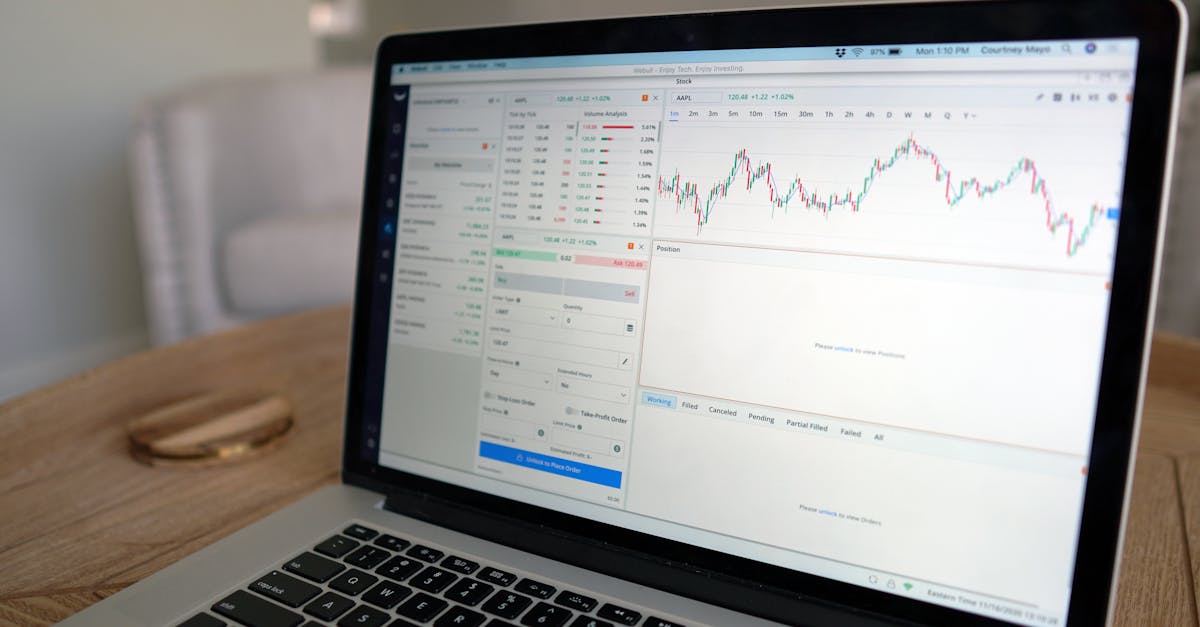
Photo by Joshua Mayo on Pexels
The Main Types Of Trading Software
Not all trading software is built for the same user. A mobile app designed for retail investors has very different priorities than a system used by a hedge fund or bank. Broadly, the market breaks into three categories.
Retail Trading Platforms
Retail trading platforms are designed for individuals and smaller trading operations. They usually focus on accessibility, clean interfaces, and basic-to-intermediate analysis tools. Users can view prices, place trades, monitor positions, and sometimes automate simple strategies.
Common characteristics include:
- easy onboarding and account setup
- web and mobile access
- built-in charting and indicators
- educational resources
- broker-integrated order execution
These platforms are ideal for self-directed traders who want convenience. The trade-off is that customization, integration depth, and workflow control may be limited compared with institutional systems.
Institutional And Enterprise Trading Systems
Institutional and enterprise trading systems serve asset managers, brokerages, proprietary trading firms, banks, and larger financial organizations. These systems often include order management systems (OMS), execution management systems (EMS), portfolio tools, risk engines, and compliance modules.
Their priorities are different from retail platforms. They need scale, speed, governance, and interoperability. A single system may support multiple desks, asset classes, users, approval layers, and regulatory requirements.
In practice, enterprise trading software often includes:
- multi-user permissions and role-based access
- advanced order routing and smart execution
- portfolio-level monitoring
- audit trails and compliance workflows
- integration with CRM, ERP, accounting, or data warehouses
This is where custom software development often becomes relevant. Off-the-shelf tools can cover a lot, but businesses with unique workflows frequently need tailored integrations or entirely bespoke systems. That’s the kind of digital solution technology partners such as AGR Technology commonly help organizations evaluate and build across broader transformation initiatives.
Algorithmic And Automated Trading Software
Algorithmic trading software is built to execute rules-based strategies automatically. Instead of manually clicking buy or sell, users define logic based on price, volume, timing, spreads, volatility, or other variables.
Some automated tools are simple, like triggering an order when a moving average crossover occurs. Others are far more advanced, running high-frequency or statistical models across multiple venues.
Typical capabilities include:
- strategy scripting or no-code automation builders
- backtesting on historical data
- paper trading or simulation environments
- low-latency execution support
- real-time monitoring and failover controls
Automation can improve consistency and remove emotion from trading decisions. But it also increases technical complexity. A poorly designed strategy can lose money very efficiently, which is a very real downside.
Key Features To Look For In Trading Software

The right trading software depends on market, user type, regulation, and business goals. Still, several core features matter almost every time.
Market Data, Charting, And Analysis Tools
Good decisions depend on good data. Trading software should provide reliable pricing information with the right level of speed and depth for the intended use case. A long-term investor may only need delayed quotes and standard charts. An active desk may need real-time streaming data, order book depth, time-and-sales, and news feeds.
Important capabilities include:
- customizable charts and timeframes
- technical indicators and drawing tools
- market scanners and alerts
- watchlists and workspace layouts
- historical data access for review or backtesting
Analysis features should support the user’s process rather than overwhelm it. More tools are not automatically better. Clean data and usable presentation usually matter more.
Order Management, Risk Controls, And Reporting
Order entry is where usability and precision really count. The software should support relevant order types and give clear confirmation before orders are transmitted. For businesses, workflow controls matter just as much as speed.
Key areas to assess include:
- order types and routing logic
- position and exposure monitoring
- stop-loss and limit controls
- margin visibility and account checks
- pre-trade and post-trade reporting
- audit logs and exception handling
Strong reporting is often underrated. But for firms, it’s essential. Leaders need to know not just what was traded, but by whom, when, through which venue, under what risk parameters, and with what result.
Integrations, Security, And Scalability
In a business environment, trading software rarely works alone. It may need to integrate with internal systems for finance, operations, customer management, analytics, or compliance. APIs matter. Data portability matters. So does the ability to extend the platform over time.
Security is equally non-negotiable. Sensitive financial data, account credentials, and transaction records must be protected through encryption, access controls, logging, and secure infrastructure.
Scalability questions are worth asking early:
- Can the platform handle more users and larger volumes?
- Can it support multiple asset classes or regions later?
- Does it allow custom modules or automation?
- What happens if the business outgrows the standard workflow?
For organizations thinking beyond a single tool purchase, these questions connect directly to digital strategy. The best platform is not just functional today: it should still fit when operations become more complex.
Benefits And Limitations Of Trading Software
Trading software offers obvious advantages, but it isn’t magic. Its value depends on the quality of the platform, the user’s process, and the controls around it.
On the benefits side, trading software improves speed, accuracy, and visibility. It reduces manual tasks, centralizes data, and supports faster reaction to market changes. For businesses, it can create standardized workflows, better oversight, and stronger reporting. It also makes automation possible, which is crucial for organizations handling repetitive or high-volume trading actions.
Other common benefits include:
- more consistent execution
- easier performance tracking
- improved decision support through analytics
- better collaboration across teams
- stronger risk monitoring and auditability
But limitations exist.
Software is only as reliable as its data sources, integrations, and infrastructure. Latency, outages, stale data, bad API connections, and poor user interface design can all create real operational risk. Even excellent software cannot fix a flawed strategy or weak governance.
There’s also a cost factor. Licensing, implementation, data subscriptions, customization, cybersecurity, and user training can add up quickly, especially for enterprise deployments. And in regulated environments, every new capability may introduce additional compliance obligations.
Then there’s the human factor. Users can become overconfident because the system looks polished. A slick dashboard can create a false sense of control. In reality, markets remain uncertain, and software simply helps manage that uncertainty, it doesn’t remove it.
Who Uses Trading Software And Common Business Use Cases
Trading software is used by a wide range of participants, from solo traders to multinational financial institutions. The use case shapes the software requirements.
Common users include:
- retail investors and active traders
- brokerages and wealth managers
- hedge funds and proprietary trading firms
- banks and institutional asset managers
- treasury teams and corporate finance departments
- fintech companies building trading-enabled products
A brokerage may use trading software to give clients access to markets while managing order flow and compliance. An asset manager may rely on it for portfolio execution, rebalancing, and reporting. A prop trading firm may need ultra-fast execution and algorithm deployment. A fintech startup may need APIs and embedded trading workflows.
For businesses outside traditional finance, the underlying lesson is broader. Trading software is a strong example of specialized operational technology: software built around speed, data, risk, and process control. That’s why it often overlaps with enterprise development, automation, analytics, and integration work.
A company exploring a custom platform, dashboard, or workflow engine may not be building a trading system specifically, but the same principles apply. Data pipelines, user permissions, real-time alerts, reporting layers, and system interoperability are all familiar territory in modern software projects. This is one reason digital partners with capabilities in custom development, AI automation, and systems integration can add value well beyond marketing alone.
How To Choose The Right Trading Software
Choosing trading software starts with a simple question: what problem is it supposed to solve?
That sounds obvious, but many teams begin with product demos instead of business requirements. A better approach is to define users, workflows, markets, reporting needs, risk controls, and integration demands first.
A practical selection process usually includes these steps:
- Define the use case. Is the platform for retail access, internal trading operations, treasury management, or algorithmic execution?
- List must-have features. Separate critical needs from nice-to-haves.
- Assess technical fit. Review APIs, infrastructure, security, uptime expectations, and scalability.
- Check regulatory and reporting requirements. Especially important for licensed or enterprise environments.
- Evaluate vendor support or development options. Off-the-shelf may be enough, but some businesses need custom modules or full bespoke builds.
- Run a pilot. Test with real workflows, not just polished sales scenarios.
The best decision usually balances present needs with future flexibility. Cheap software that cannot integrate or scale often becomes expensive later. On the other hand, buying an enterprise-grade system for a lightweight use case can create unnecessary complexity.
For businesses with specific operational needs, a hybrid model often works well: adopt a proven platform for core trading functions, then extend it through custom development and automation. That approach can preserve reliability while tailoring the experience to the organization’s actual process.
Conclusion
Trading software is the technology layer that helps users access markets, analyze information, place orders, manage risk, and track results. In simple cases, it’s a trading app. In more advanced environments, it’s a business-critical system tied to execution quality, compliance, reporting, and operational efficiency.
Understanding what trading software is matters because it highlights a bigger truth about modern business technology: the right platform doesn’t just digitize a task, it reshapes how decisions get made. Whether an organization needs a retail-friendly platform, an institutional trading environment, or a custom solution built around complex workflows, the real value comes from fit, fit with users, fit with systems, and fit with long-term strategy.
In October 2026, that’s the difference between software that merely functions and software that creates measurable business value.
Frequently Asked Questions About Trading Software
What is trading software and how does it work?
Trading software is a digital system that allows users to access financial markets, analyze data, place orders, and manage trading activity. It connects market participants to markets by gathering and displaying data, validating orders, routing them for execution, and recording results in real time.
What are the main types of trading software available today?
There are three main types of trading software: retail platforms for individual traders with basic analysis tools, institutional and enterprise systems for large organizations with advanced features and compliance, and algorithmic or automated trading software that executes strategies automatically based on predefined rules.
What key features should I look for in trading software?
Essential features include reliable market data and charting, advanced analysis tools, versatile order management with risk controls, detailed reporting capabilities, strong security measures, scalability to handle growth, and seamless integrations with other business systems.
How does trading software benefit traders and businesses?
Trading software improves speed, accuracy, and visibility for trading activities. It reduces manual tasks, supports faster market reactions, enhances risk monitoring, provides audit trails, and enables automation, leading to more consistent execution and better decision-making.
Can trading software be customized for specific business needs?
Yes, especially for institutional users, trading software can be tailored through custom development or integrations to fit unique workflows, compliance requirements, and automation needs, ensuring flexibility and scalability as business demands evolve.
What limitations should users be aware of when using trading software?
Limitations include reliance on data quality and system infrastructure, potential latency or outages, complexity that may require training, costs for licensing and customization, and the risk that well-designed software cannot fix poor trading strategies or remove market uncertainty.
Related content:
Fintech Lead Generation Services
Best Share Trading Platforms in Germany
Best Share Trading Platforms Norway
Best Share Trading Platforms in Denmark
Best Share Trading Platforms in South Africa
Best Share Trading Platforms in Hong Kong
Best Share Trading Platforms in Brazil
Best Forex Trading Platforms Singapore
Best Forex Trading Platforms in Colombia
Best Forex Trading Platforms in Mexico
Best Forex Trading Platforms in South Africa
Best Forex Trading Platforms Norway
Best Share Trading Platforms UK
Best Share Trading Platforms in Canada
Best Share Trading Platforms in New Zealand
Best Forex Trading Platforms in Hong Kong
Fintech Lead Generation Services
Best Forex Trading Platforms in Argentina
Best CFD Trading Platforms in Albania
Best CFD Trading Platforms in Azerbaijan
Best Forex Trading Platforms Qatar
Best Forex Trading Platforms in Sweden
Best Fintech Marketing Agencies in the World