

An online casino is a digital platform that allows users to access casino games and, where permitted by applicable laws and regulations, place wagers over the internet. Online casinos can operate through websites, mobile applications or other digital platforms and may offer games such as slots, roulette, blackjack, baccarat and live dealer games.
Also known as internet casinos or virtual casinos, online casinos are part of the broader iGaming and online gambling industry. Unlike a traditional casino, an online casino relies on software, web technology, databases, payment systems, APIs and other digital infrastructure to deliver its services.
From a technology perspective, an online casino is more than a website containing casino games. It can involve a complex ecosystem of software platforms, third-party integrations, customer account systems, payment processing, identity verification, analytics, security and regulatory technology.
How Does an Online Casino Work?
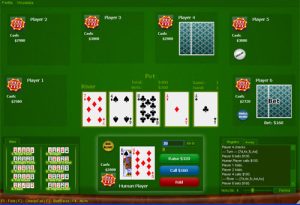
Image source: Felix Hammer, Florian Thauer, Lothar May, Oskar Lindqvist, CC BY-SA 3.0, via Wikimedia Commons
At a basic level, an online casino connects a user-facing digital platform with a range of underlying systems and third-party services.
A simplified online casino technology stack may look something like:
User → Website or App → Casino Platform → Player Account → Game Platform → Payment & Wallet Systems → External Services
The exact architecture varies between operators, software providers and jurisdictions, but common components can include:
- A website or mobile application
- Casino platform software
- Player registration and account management
- Game software and game providers
- Payment gateways and payment processing
- Player wallets and transaction systems
- Identity verification and KYC services
- Geolocation services
- Fraud and risk management systems
- Customer relationship management (CRM)
- Analytics and reporting
- Affiliate and marketing platforms
- Customer support systems
- Regulatory and compliance tools
- APIs connecting different services
This means the technology behind an online casino can resemble a broader software platform or digital commerce ecosystem rather than a single standalone application.
The Technology Behind Online Casinos
Modern online casinos rely on a combination of front-end and back-end technologies.
The front end is the part of the platform users interact with. This may include the website interface, game lobby, account area, payment screens, promotional sections and mobile user experience.
Behind this sits the back-end infrastructure, which can handle accounts, transactions, game sessions, balances, data processing, authentication and communication with external services.
Depending on the operator, this infrastructure may include:
Web and mobile applications
Online casinos can provide browser-based experiences or dedicated mobile applications. Responsive web development allows a casino website to adapt to different screen sizes, while native or cross-platform applications can provide an alternative mobile experience.
Casino platform software
The casino platform provides the underlying systems used to manage areas such as player accounts, games, transactions, promotions and administration.
Some businesses use third-party or turnkey platforms, while others may develop or customize parts of their technology stack.
Game software
Casino games may be supplied by specialist game developers or software providers. Digital games can use software-based mechanisms to determine outcomes, while live dealer games combine software with real-time video and physical game environments.
For operators subject to particular regulatory frameworks, gambling software may also need to meet jurisdiction-specific technical and testing requirements. For example, the UK Gambling Commission states that gambling software supplied under a relevant operating license must meet its applicable Remote Gambling and Software Technical Standards and undergo testing before being made available.
Databases and data systems
Online casinos generate and process significant amounts of information. Depending on the platform, this can include account information, transactions, game activity, marketing data, customer interactions and operational reporting.
Databases and other data systems allow information to be stored, retrieved and exchanged between different parts of the platform.
APIs and integrations
APIs, or application programming interfaces, allow different software systems to communicate with each other.
This is particularly important in iGaming because an online casino may need to connect its core platform with multiple external services.
Examples include:
- Payment APIs
- KYC and identity verification APIs
- Game provider APIs
- Game aggregation platforms
- CRM integrations
- Analytics platforms
- Affiliate tracking systems
- Customer support software
- Fraud detection services
- Reporting systems
Rather than building every component internally, an operator can integrate specialist services into its existing technology stack.
What Is a Casino API?

A casino API is an application programming interface that allows casino software or platforms to exchange data and functionality with another system.
For example, an API may allow an online casino platform to communicate with a payment provider, retrieve information from a game provider or send customer and transaction data to another business system.
APIs can therefore act as a connection layer between different parts of an iGaming technology ecosystem.
The exact functionality depends on the API, but integrations can involve activities such as:
- Authentication
- Account information
- Game data
- Transaction processing
- Payment status
- Customer verification
- Reporting
- Tracking
- Notifications
- Data synchronization
For businesses operating multiple systems, well-designed API integrations can reduce manual processes and allow information to move between platforms more efficiently.
Online Casino Payment Systems

Payments are another important part of an online casino’s technology infrastructure.
Depending on the market and regulatory environment, an operator may need to support one or more payment methods while connecting those payment methods to its player account and wallet systems.
A typical payment architecture may involve:
Customer → Casino Wallet → Payment Gateway → Payment Provider → Financial Institution
The technology needs to keep track of transactions and communicate relevant payment statuses between systems.
Payment technology can also interact with identity verification, fraud prevention, customer support and compliance processes.
Importantly, payment processing does not necessarily replace an operator’s own customer due diligence obligations. For example, the UK Gambling Commission specifically notes that operators should not rely on payment providers to conduct KYC checks on their behalf.
KYC and Identity Verification

KYC, or Know Your Customer, refers to processes used to establish and verify the identity of customers.
Online gambling businesses can use identity verification technology to collect and verify relevant customer information, with the precise requirements depending on the jurisdiction and applicable regulatory framework.
KYC and related customer due diligence processes can involve:
- Identity verification
- Document verification
- Age verification
- Address checks
- Risk assessment
- Transaction monitoring
- Additional due diligence where required
Regulatory requirements can differ significantly between jurisdictions. In Great Britain, for example, the Gambling Commission’s requirements include customer due diligence obligations in specified circumstances.
How Do Online Casino Games Work?
Online casino games can broadly be divided into software-based games and live dealer games.
Software-based casino games
Software-based games use computer programs to determine and display game outcomes. Random number generation technology can be used to produce outcomes for games such as slots, roulette and other digital casino games.
The underlying game software, mathematical model and applicable technical requirements can vary depending on the game and jurisdiction.
Live dealer casino games
Live dealer games combine online software with a real-world dealer and physical gaming environment.
A live casino platform may use cameras, video streaming, game interfaces, communications systems and other technology to transmit a live game to players.
The software can then provide the digital interface through which users interact with the game.
This creates a different technology environment from a conventional software-based casino game, as the platform needs to manage both real-time media and game interaction.
Online Casino Websites and Mobile Applications
An online casino can be delivered through several types of digital platforms.
Web-based casinos
A web-based casino operates through a web browser. Users generally do not need to install a dedicated desktop application to access the platform.
This makes web technology, responsive design, application security, hosting and performance important parts of the user experience.
Mobile casinos
Mobile users can access online casino services through responsive websites or dedicated applications.
Mobile platforms introduce additional considerations around:
- User interface design
- Performance
- Device compatibility
- Authentication
- Application development
- Notifications
- Mobile payments
- Security
The specific technology used depends on whether the operator uses a mobile website, native application, cross-platform application or another approach.
Online Casino Security
Security is an important consideration for any platform that handles user accounts, financial transactions and sensitive information.
An online casino’s security architecture may involve:
- Secure authentication
- Encryption
- Access controls
- Session management
- Fraud monitoring
- Data protection
- Secure API connections
- Infrastructure security
- Monitoring and logging
- Vulnerability management
Security requirements vary according to the systems involved, the information being processed and the jurisdiction in which the business operates.
For an online gambling business, security also sits alongside regulatory and compliance requirements. These can include areas such as customer identity, payments, technical standards, responsible gambling and anti-money-laundering controls.
Online Casino CRM and Customer Management
A customer relationship management (CRM) system can form an important part of an online casino’s broader technology stack.
CRM technology can help businesses manage customer information, communications, marketing activities, support interactions and other business processes.
Depending on the system, an operator may connect its CRM with:
- Player account systems
- Marketing platforms
- Email and communication tools
- Analytics
- Customer support
- Loyalty systems
- Reporting platforms
- Automation workflows
The result can be a connected technology environment where customer and operational information can be used across multiple business processes.
Online Casino Analytics and Reporting
Analytics allows operators and other businesses in the iGaming ecosystem to understand how their digital platforms are being used.
Depending on the application, analytics systems can provide information about:
- Website traffic
- User journeys
- Account activity
- Marketing campaigns
- Conversion rates
- Transactions
- Customer behavior
- Platform performance
- Operational metrics
Data can then be presented through dashboards, reports or business intelligence systems.
For larger operators, reporting may involve information from multiple platforms and data sources, making integrations and data management increasingly important.
Online Casino vs iGaming
The terms online casino and iGaming are related but are not necessarily interchangeable.
An online casino generally refers specifically to a digital casino platform and the casino games offered through it.
iGaming is a broader industry term that can encompass online casino gaming as well as other forms of online gambling and gaming-related businesses, depending on the context and jurisdiction.
This distinction is useful when discussing technology because an iGaming business may operate across several products, platforms and services rather than running a casino platform alone.
How Do Online Casinos Make Money?
Online casino businesses generally operate using the economics of casino gaming, where the games are designed around defined mathematical probabilities and a house edge.
The exact commercial model depends on the games offered, operator arrangements, jurisdiction, software providers and other factors.
An operator may also have commercial relationships with third-party game providers, payment providers, affiliates and other technology or marketing businesses.
From a technology perspective, these commercial relationships can create additional requirements for tracking, reporting, revenue calculations, APIs and data integration.
Online Casino Regulation and Compliance
Online gambling is a regulated activity in many jurisdictions, and the requirements can vary considerably depending on where an operator is licensed and where its services are made available.
Regulation can cover areas such as:
- Operator licensing
- Technical standards
- Game testing
- Customer identity verification
- Anti-money-laundering controls
- Payment processes
- Advertising and marketing
- Responsible gambling
- Customer funds
- Complaints and disputes
- Data and reporting requirements
For example, the UK Gambling Commission maintains technical standards for gambling software and separate licensing conditions covering areas such as payment, customer identity verification and anti-money laundering.
Businesses operating in this sector therefore need to consider technology and compliance together. Technical implementation should be designed around the requirements applicable to the particular market and operation.
Digital Technology for Online Casino and iGaming Businesses

An online casino or iGaming business can require considerably more technology than its customer-facing website alone.
Operators, software providers, affiliates, suppliers and other businesses within the sector may need to connect multiple platforms, develop bespoke functionality, improve their digital presence or automate processes between systems.
This is where specialist digital technology support can become useful.
AGR Technology works with businesses across the iGaming and online casino ecosystem on a range of digital requirements, including custom software development, API integrations, SEO, link building, digital PR, lead generation and brand protection.
Depending on the project, this can involve developing bespoke software, integrating third-party platforms, improving an existing website, connecting APIs, automating business processes or supporting the online visibility of an established business.
For businesses operating in competitive digital markets, technology and marketing often need to work together. A technically capable website still needs to be discoverable, while marketing systems may need reliable integrations and data flows behind the scenes.
AGR Technology can therefore support projects across both sides of this equation, from software and systems integration through to SEO, digital PR, link building and online brand protection.
Frequently Asked Questions
Is an online casino a type of software?
An online casino is generally a digital service or platform rather than a single piece of software. It can consist of a website or application connected to casino platform software, game systems, databases, payment services, APIs and other technology.
What software does an online casino use?
The technology stack varies between operators. It may include casino platform software, game software, payment systems, databases, CRM platforms, analytics tools, identity verification services, fraud prevention technology and various APIs.
What is an iGaming platform?
An iGaming platform is a software environment used to operate or support online gambling products and related business processes. Depending on the platform, it may provide functions such as player accounts, game management, payments, reporting, integrations and administration.
What is a casino API?
A casino API allows an online casino or related software platform to exchange data or functionality with another system. APIs can be used for payments, games, account information, verification, reporting and other integrations.
Are online casinos legal?
The legality and regulatory requirements of online casinos depend on the relevant jurisdiction, operator, licence and circumstances. Online gambling laws differ between countries and sometimes between regions within a country, so businesses need to consider the rules applicable to the markets in which they operate.
What is the difference between an online casino and a physical casino?
A physical casino operates from a physical premises, while an online casino delivers casino gaming through internet-connected digital platforms. Online casinos therefore rely heavily on software, web infrastructure, APIs, payment technology, databases and other digital systems.
What technology is used in live online casinos?
Live online casinos can combine real-time video streaming, game interfaces, communication systems, databases and other software with physical gaming equipment and human dealers. This creates a technology environment that differs from fully software-based casino games.
Key Takeaways
An online casino is a digital platform that combines casino gaming with a wider technology ecosystem.
The technology behind an online casino can include:
- Web and mobile applications
- Casino platform software
- Game providers and game aggregation
- Random number generation
- Payment and wallet systems
- APIs and third-party integrations
- KYC and identity verification
- Security and fraud prevention
- CRM and automation
- Analytics and reporting
- Compliance and regulatory technology
For this reason, technology plays an important role well beyond the casino games themselves. The systems connecting an online casino’s customers, games, payments, data and business operations can be just as important as the front-end experience.
For businesses operating in the iGaming and online casino sector, the right combination of software development, integrations, digital marketing, SEO, digital PR, lead generation and brand protection can help support the wider digital infrastructure surrounding the business.
Related content:
Digital PR Services for Casinos, Bingo & iGaming Brands
iGaming Brand Protection Services
iGaming, Betting & Casino Press Release Distribution Services
iGaming Lead Generation Agency
Sponsored Content Services for iGaming Brands
Sweepstakes Casino SEO Services
Casino Backlinks: Boost Your Gambling Site & SEO Strategy
Crypto Casino Marketing Agency